15 Most Disappointing Films Of The Decade (So Far)
Hey, that looks cool... Oh.
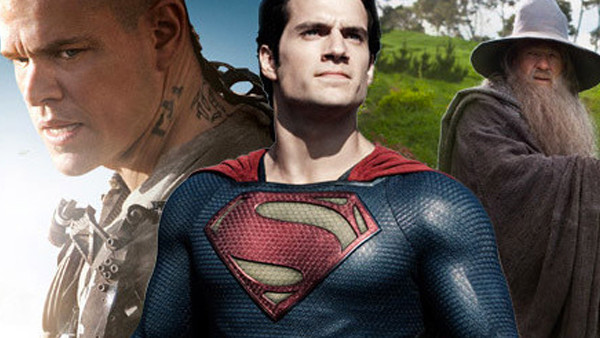
The real enemy of cinema isn't rising ticket prices. Or 3D. Or Michael Bay. No, the real enemy of cinema is hype.
Every major release comes accompanied with impossible levels of excitement, partially fuelled by marketing departments, but increasingly instigated by fans. And while it's a lot of fun working through every trailer frame-by-frame looking for that one Easter egg that explains the plot or spending hours and hours debating a movie that isn't out for another year, at the end of the day, getting this worked up about upcoming movies is really only allowing expectations to balloon and setting you up for disappointment.
J.J. Abrams could deliver the best film in the series, but when Star Wars: The Force Awakens hits in December there's no way that many fans won't feel let down purely because of the intoxicating anticipation over the past couple of years. Conversely, part of the joy the brilliant Mad Max: Fury Road is that it came somewhat out of nowhere; muted expectations for a reboot of franchise that's been dead for three decades made it that much more enjoyable when it turned out awesome.
Movies can burn through the hype, of course, but for every hit there's several that fall flat. As a reminder of past upsets, here are the fifteen films from the past decade that let us down the most. These aren't the worst movies of the decade (although some are pretty bad), or even those that are overrated (that's been done), but the ones that, for whatever reason, had you leaving the cinema with that horrible feeling of disappointment in the pit of your stomach.
15. Elysium

A low budget (by Hollywood standards) sci-fi with an allegorical story so in your face it makes Animal Farm just a fun creature story, District 9 defied expectation. Incredible creature design, uniquely presented, involving action, a strong story and, most surprising of all, an incredibly strong emotional resonance, it's one of the best sci-fi films since 2000.
How did Neill Blomkamp choose to follow up his film set in a gritty near future with a blatant slice of social commentary thrown in? By doing the exact same thing, only with a less well-rounded metaphor and more derivative sci-fi trappings. Elysium was a heavy handed and uninspired film that looked like it came from someone was trying imitate the South African director.
The big problem comes from a lack of development. While District 9 had years of gestation under the watchful eye of Peter Jackson, Blomkamp's later films have been rushed under a studio mandate and thus never really explored the idea fully. That's not a theory either - Blomkamp's actually come out and apologised for doing just that on Elysium, taking the basic concept of an upper class living isolated in an orbital ring and padding it with nothing.
This year's Chappie showed that Elysium was far from a one off, repeating the exact same tricks only with even less thought, although that hasn't stopped people getting inexplicably excited for his in-development Alien reboot. Now there's a film just destined to disappoint.
14. Harry Potter And The Deathly Hallows
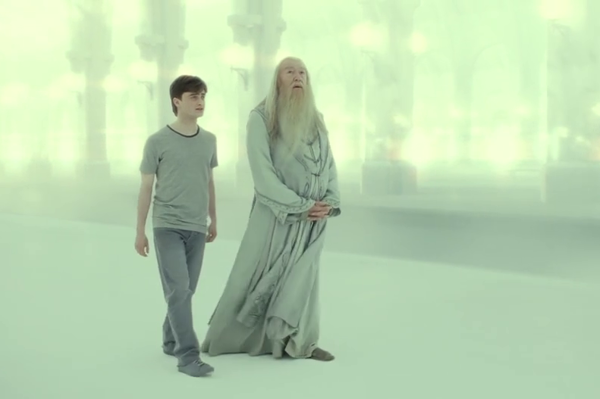
Harry Potter And The Deathly Hallows should have been one movie. The moment the totally corporate decision to split the final book in two happened there was really no coming back. Predictably, Part 1 wound up being an aimless road movie that had to reposition the death of a character who hadn't appeared since Chamber Of Secrets in 2002 into a big emotional finale, while Part 2 was a few key plot points strung out by explosive action. The overarching narrative of the series closer was lost in the split and we're now left with two overlong parts that don't even fit that well together as a four hour experience.
Neither film is without merit (after all, Harry Potter as a film series was always greater than the sum of its parts); there's moments of wonder and the film handles the nostalgic resonance very well. And yet because it's so stretched out it's hard to get fully involved in the final stages of the great wizarding war. Such a shame given how J.K. Rowling had provided a story that really ties the series together.
This is amplified by a bizarre decision to remove much of the subtext from the climax. The final battle, a symbolic moment where Harry finally matures and becomes the man he needs to defeat the Dark Lord through wits becomes a zip-zapping lightshow with clashing spells and puffs of smoke that contains all the satisfaction of a earwax Every Flavour Bean.
13. Muppets Most Wanted
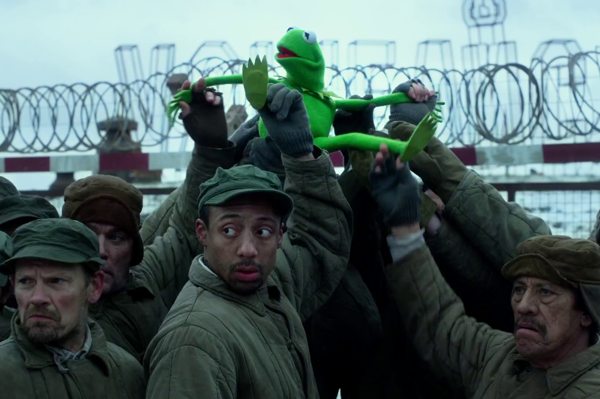
There's something pretty impressive about the fact people can get disappointed by a Muppet movie in the 2010s. The exact point when Jim Henson's creations lost their allure depends on when you grew up, but by the time the current decade rolled around they felt firmly like the relic of a by-gone age.
With that in mind, 2011's The Muppets was a triumph. It tackled their lack of relevance head-on in a funny, subversive, musical manner and managed to bring in an audience who were definitely men rather than muppets. Kermit and co. were back. For about two years.
The sequel lost Jason Segel, who had been the driving fan-force behind the original reboot, but retained the rest of the key creative team - James Bobin was directing, Nicholas Stoller was co-writing and, most importantly, Bret McKenzie was composing the songs - prompting hopes that Muppets Most Wanted would hit some of the similar notes. Sadly, it never really did - the moments that do work (Ty Burrel and Sam Eagle teaming up) are overshadowed by overlong jokes and a plot silly even for a Muppet film. The only real sign of that original smarts is the opening number, which jokes about the film being a sequel, but, even then, instead of setting the tone for a knowing film it's just trotted out as vague justification for another movie.
Most Wanted is not a terrible film, and sits nicely in the middle of the Muppet pantheon (although that probably sounds like more praise than it is), but following on directly from Segel's passion project it can't help but feel a bit lifeless.
12. Prometheus
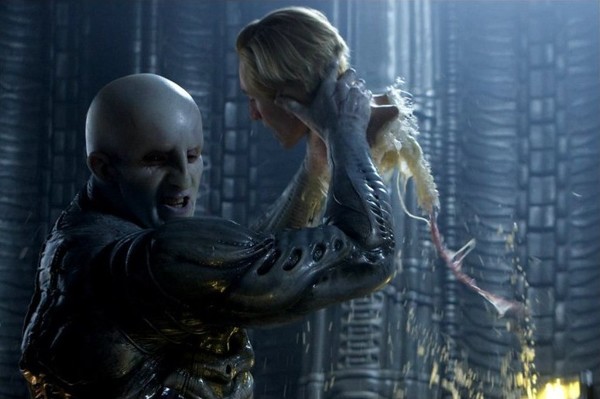
In many corners films can't come more disappointing that Prometheus. Confused, illogical and reluctant to even come close to answering its questions, it left xenomorph fans seriously wanting. The thing is, it's only disappointing if you go in expecting a straight Alien prequel. And that's not really what Prometheus is.
Oh, it started out as that. The whole project was going to directly explain the xenomorph's genesis and how the derelict got to LV-426, something Ridley Scott happily told the rabid press. But at some point during production (before Damon Lindelof came on board) the focus shifted to something less defined - an exploration of the big questions about creation (something Scott had already flirted with previously on a failed Alien 5). In that regard, Prometheus, while not a total success, hits most of its marks.
And it's not like Scott hid this change in direction - he kept telling the fans this film merely had "Alien's DNA" - but that could do nothing to stop the hype train he'd created. The problem, then, is less to do with disappointment than misaligned expectations.
Or it would, if the film had made the distinction clear; the advertising campaign leaned heavily on the Alien connection and the film itself shared enough iconography, including a shoe-horned in coda featuring a proto-xenomorph (dubbed a Deacon by the production crew), to make the intent muddled. Finger's crossed the still-planned sequel balances things better.
11. Avengers: Age Of Ultron
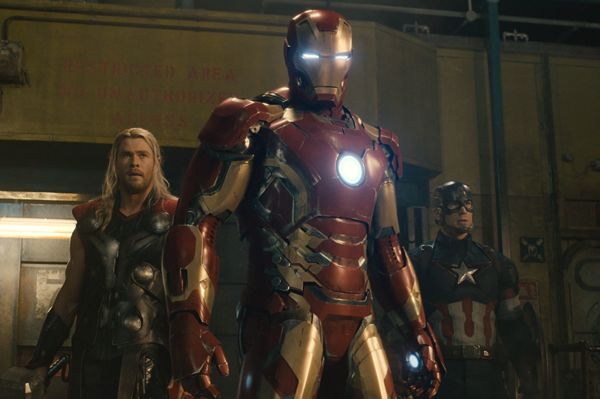
Avengers: Age Of Ultron is just kinda there. It's not a bad movie; it's just not that great. That's by the by for effects-driven blockbusters, but coming from Marvel, who since 2008 have been consistently progressing the superhero genre - Iron Man showed B-List could work, The Avengers showed crossovers could work, Guardians Of The Galaxy showed D-List could work - it feels like a major resting on laurels and killing time before the real big fight in Avengers: Infinity War.
Everything about Age Of Ultron felt like a step up on all counts, with a greater threat and darker tone - The Empire Strikes Back to the original's Star Wars. But, really, it's at best repeating the tricks of the first movie (look, a long shot; ooh, quips), at worst rushing through box ticking without caring too much about a coherent plot (Serkis for Black Panther; Infinity Stones for Ragnarok; oh yeah, need to do something with the Avengers). It's no surprise whatsoever to learn that Joss Whedon and Marvel clashed considerably over what should and shouldn't be in the film.
Details of that spat, however, reveal this might just have been something that would've stumbled either way. On rewatch, the farmhouse sequence, which Whedon fought long and hard to keep in the film, is as pointless as the studio mandated Thor pool-dip - it doesn't explore any of the characters in a meaningful way (unless you count screaming "LOOK, HAWKEYE IS RELEVANT" as development) and stops any momentum the movie had built up dead. Age Of Ultron should have taken the MCU to exciting new places. Instead it dragged it back into mediocrity.
10. The Thing
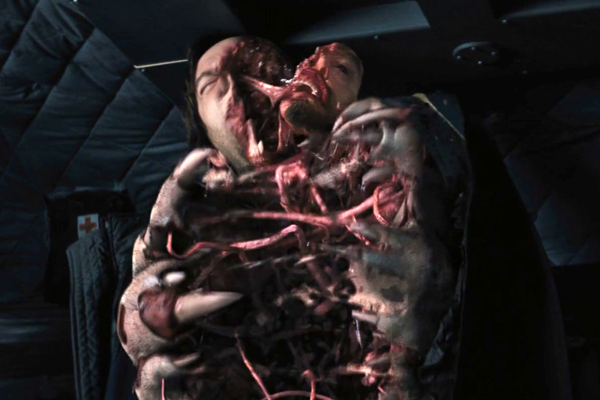
Nobody actually expected The Thing to be any good. Technically a prequel to the incredible John Carpenter version, in reality setting the film in the source of the titular shape-shifting alien from the original from was just an excuse to repeat the same plot but without angering long-term fans with a total do-over. The cynicism was blatant, right down to introduction of a major English-speaking contingent in a Norwegian camp. Cue a movie that is really all about piggy-backing on the legacy of the original, but without the decency to admit it.
So in that regard, The Thing was as expected - a pretty bad cash-in. But in one area it had promised something great, only to really let everyone down. - the effects.
The element Carpenter's film is most fondly remembered for is its boundary-pushing special effects - the model work and animatronics in the film still feel authentic to this day. Remake director Matthijs van Heijningen Jr. at first seemed to fully understand this, choosing to employ practical effects "wherever possible"; Amalgamated Dynamics were there on set, providing various impeccably-constructed to help bring the movie's horrors to life.
And you know how this goes; in the finished film the alien's pretty much all CGI. Maybe the studio got cold feet or perhaps a production team weaned on CGI couldn't be bothered giving the old tech its dues, but, either way, the single thing that made The Thing reboot seem like a good idea was butchered in post, leaving a movie even worse than expected.
9. The Amazing Spider-Man 2
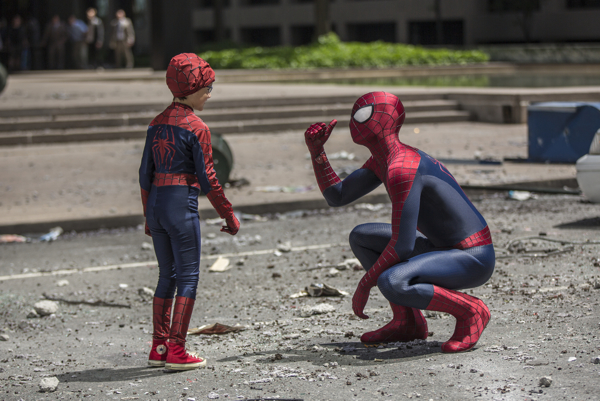
If it wasn't so depressing, what Sony have done to Spider-Man would be pretty impressive. In just three movies they managed to take the most popular superhero this side of Batman and turn him into an corporate mess nobody over the age of six cares about.
Spider-Man 3 was an overblown misfire created by a mixture of nonsensical studio demands and a filmmaker who was spent (it was, after all, Sam Raimi's idea to retcon Ben Parker's death). Half-hearted reboot The Amazing Spider-Man - one part hipster reimagining, one part strict adherence to the superhero origin formula - was met with a resounding "meh" thanks to an over-reliance on setting up subsequent instalments. But it was The Amazing Spider-Man 2, a glossy, scattershot take on the character, that finally buried the series.
Much of the hype for Amazing 2 came from promise - Marc Webb and co. had publicly admitted they'd made a lacklustre film with the first one (something that was less of a disappointment given the innate pointlessness of a reboot) and were well aware of what the character needed. Yet, perversely, in trying to learn from the previous film, they just repeated the mistakes of the one before - too many villains, campy digressions, forced emotional moments. And even through all that it was still bogged down by the desire to build to a massive (now defunct) Spider-Man universe.
Here's hoping Marvel can save the character.
8. Cop Out
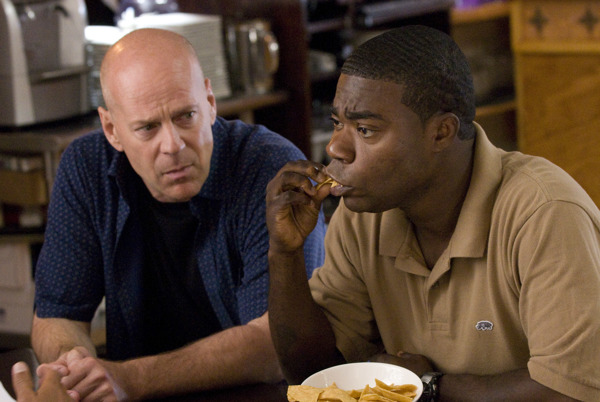
A Kevin Smith-directed cop parody starring Bruce Willis and a hot-off-30 Rock Tracey Morgan sounded like a great idea. Heck, even knowing how it turned out (not in the slightest bit funny) it sounds like a good idea. And that speaks a lot about the behind-the-scenes turmoil that dominated Cop Out's production and led to the director's worst (and least-Smith) film.
If you went into Cop Out back at the start of the decade expecting anything remotely exciting then you clearly hadn't been paying attention. After all, this film was a disappointment on a different level - it saw filmmaking potential ruined by studio involvement. In the months leading up to the release, Smith had stated that it wasn't his movie, but "a movie I was hired to direct", which was just the tip of an iceberg - financial interference was high and the director had clashed with Willis in the most explosive manner possible.
This makes for great gossip, but ultimately neuters the film of any bite it could have had. A scene early on where Morgan riffs on various movies in the genre during an interrogation could have been a sly (if in-your-face) nod to the film's targets, but choosing to accompany it with Willis drolly stating each film that's being targeted robs the OTT nature of any laughs.
7. Dawn Of The Planet Of The Apes
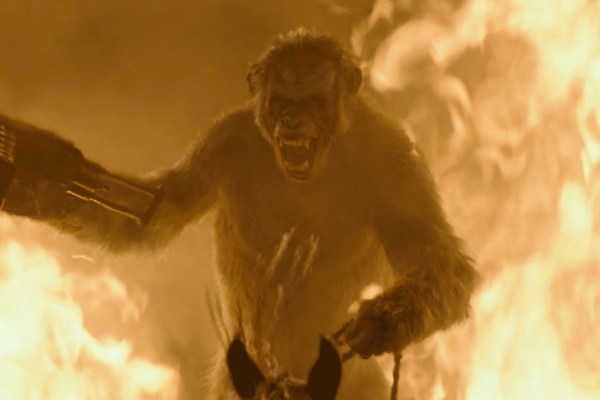
Planet Of The Apes as a series has never been afraid of going a little off-point; the original sequel spent half of its runtime dealing with mutants who worshipped a doomsday device; the third sequel gave up post-apocalyptic landscapes for contemporary comedy hijinks; Tim Burton's reboot was more interested in monkey sex than cerebral sci-fi. But there's a difference between doing something else because it's the sevnties and f*ck it, it'll be cool and doing it because you're stalling for time.
That's, sadly, what Dawn Of The Planet Of The Apes was doing. The surprisingly good Rise created super-smart simians and sent humanity down a path of virus-induced annihilation, and it looked like its sequel was going to pay that all off. Ha, nope.
20th Century Fox actually were all set to finally show the big fight between man and chimp, but director Matt Reeves convinced them to hold fire and instead look at the building of the ape society into a major threat. It's one of the few times in cinema history when a studio's original idea was ruined by a pretty competent director; Reeves created a realistic post-apocalyptic world that still had many of the remnants of society before the fall, but it was populated by a story of petty infighting.
There's promise in that idea, but the film didn't sell itself as that - the advertising, and even the first half of the movie, was building towards a major species confrontation, but in the final act plays a major switcheroo, leaving the audience with a bit of infighting amongst the apes and the vague promise of more conflict later on.
6. Winnie The Pooh
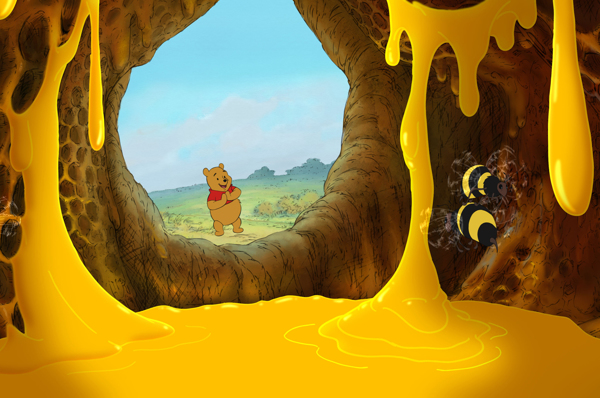
You'd be forgiven for not realising there'd been another Winnie The Pooh movie since Pooh's Heffalump Movie back in 2005 (yeah, don't bother checking that one out). Disney pretty much buried their 2011 revisit to the Hundred Acre Wood, not bothering to widely market it, despite a major increase in their stock following Tangled.
It's particularly strange that the movie was unceremoniously shoved between Tangled and Wreck-It-Ralph when you consider that it was a major landmark in the history of both the studio and animation in general - it was their final 2D feature.
That's right - it wasn't The Princess And The Frog, but Winnie The Pooh that had Disney wave goodbye to the style that has made them into an icon. A cynic would say that the limited advertising was motivated by a desire to shut down the costly process in favour of much more marketable CGI, although maybe it was because they saw the film for what it was; for all the troubles with the advertising, it was the actual quality of Winnie The Pooh that makes it such a let down.
It's just too light to be really of worth. Barely over an hour long, it's got some nice, book-referencing animation and one great song, but it's all rather quaint and throwaway. It's aimed at children for sure, but so were The Many Adventures Of... and they still stand up. Ending a medium that brought Bambi, The Lion King and Beauty And The Beast in such a manner is incredibly flat.
5. Kick-Ass 2
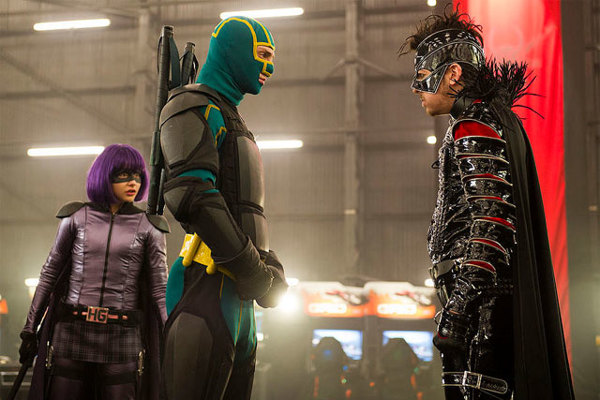
Kick-Ass wasn't really a sleeper hit. Although it was an independent production and lacked the name recognition of other comic book flicks, the film had been around in the mainstream for a few months before its release thanks to the Daily Mail-fuelled "controversy" around Hit Girl. What was surprising about the film was how it got above the swearing pre-teens and unflinchingly cartoon-y gore and delivered a smart dissection of the genre and its fandom. Not quite a cinematic equivalent of Watchmen (that surely was The Incredibles), it was still something more knowing than many of the big budget "real" takes on the superhero.
In the sequel, however, things took a sour turn. The vulgarity got amped up (one scene has Christopher Mintz-Plasse fail at a rape because he can't get up) and the actual events became more outlandish, meaning the constant reminders it was trying to be a grounded story and that Dave wasn't in a movie felt flat and manipulative. There'd been these eccentricities in the original, but in Kick-Ass 2 it just felt like Jeff Wadlow was trying to top Matthew Vaughn, rather than provide a well-rounded film.
You could argue that producing an unnecessary, over-the-top sequel with controversy pettier than the original (Jim Carrey wouldn't publicise the film because of gun use) is a great comment on the current universe-driven cinematic landscape, but coming based on Kick-Ass you expect something more.
4. Cars 2
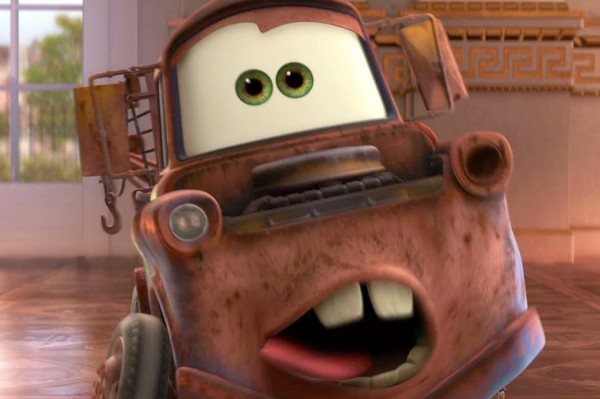
OK, so excitement for Cars 2 wasn't exactly in top gear - it was a sequel to one of Pixar's less well-regarded films and bumped up the marketable-but-unlikeable Mater to protagonist. But, and this is a pretty major but, it was still Pixar film. These aren't just the guys who created the whole computer animation form, but managed to use it to create movies unlike anyone else. Even when they're running on empty you expect quality to be produced.
And so it's impossible to have not been disappointed by Cars 2. Mashing a world of sentient cars with a spy spoof for seemingly no reason outside of merchandising, it's still the company's only actively bad film and sits as a reminder how even the greatest minds can (momentarily go bad). Naturally it looked good and Michael Giacchino turned in a solid, pastiche score, but that can't hide the messing up of what is normally Pixar's ace; the script. A nonsensical caper with traffic jams of undefined characters, a simple reading of the plot makes no sense - the final stage of the villains' plan is built on everything else up to that point failing.
The bad oil taste the film left in fans mouths wasn't exactly washed out by the studio's follow ups, Brave and Monster University; perfectly fine films that didn't quite hit the heights of classic Pixar. Thankfully, things are going to be back on form this year with the sublime Inside Out.
3. Tomorrowland
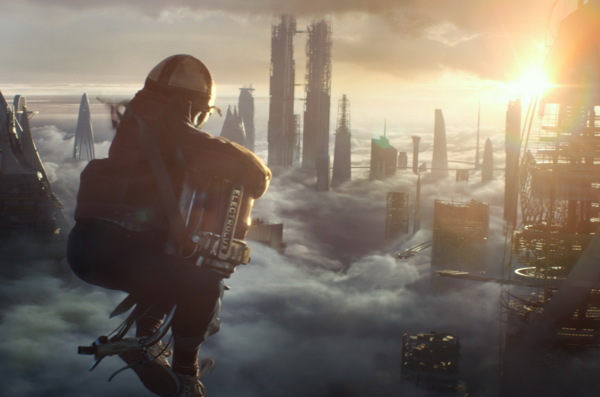
Tomorrowland should have been the movie of Summer 2015. A wholly original concept (well, it's based on a theme park area, but that's really only inspiration) directed by a Pixar/Simpsons alum, this had all the makings of a sure-fire classic. What we got was a hypocritical mess that was so in awe of itself it didn't seem to care.
At its heart, Tomorrowland was trying to be antidote to dystopia - an optimistic film with a positive, nostalgia-hued version of the future. Now that's a very nice idea, especially when it's presented with Walt Disney-influenced designs and top notch special effects. But the film just can't live up to that; aside from the fact it actually falls into many of the same traps it's trying to warn against, it's just a very poorly put together story.
It takes a whopping hour and a half to actually get to Tomorrowland, meaning the first three quarters of the film is the usual "regular person finds out their special" schtick, and when you do it feels like you've missed most of the party - the final battle is two middle-aged men trading punches on a tiny walkway. For a film that marketing itself on solving the mystery of the titular world, that's bizarre.
Tomorrowland had so much promise, both explicitly and implied, yet delivered on none of it; this isn't just a disappointing film, it's a pretty bad one too.
2. Man Of Steel
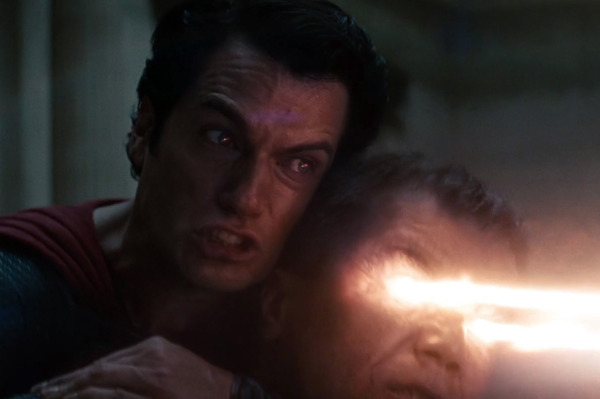
Man Of Steel was going to be the antithesis to Batman Begins. Whereas Christopher Nolan had shown how a superhero could come out of the real world, Zack Snyder was going to look at how the real world would react to a genuine superpowered figure. The first teasers, released alongside The Dark Knight Rises, were moody, meditative pieces that (even knowing how tat the finished movie ended up being) can't help but send chills down your spine. This, coupled with the oft-repeated statement of intent, promised a film with great world awareness and a strong moral core.
So what an utter let down when the film itself was two hours of moody grumbling and self-gratifying destruction, which culminated in the hero snapping the villain's neck because writing a satisfying conclusion is hard. There was so much promise in the film, which makes the fact it wound up being a massive dud, at once an assault on the senses and a crushing bore, all the more offensive.
Man Of Steel is inexplicably providing the basis for the DC Cinematic Universe (probably because, after a failed attempt with Green Lantern, Warner Bros. were running out of chances to catch up to Marvel) despite having no clear wider world and a rather distinct and thus inimitable style. Whether Batman V Superman or Suicide Squad are any good is up in the air, but one thing's certain - they're going to have to be really bad to be worse than expectations.
1. The Hobbit: An Unexpected Journey
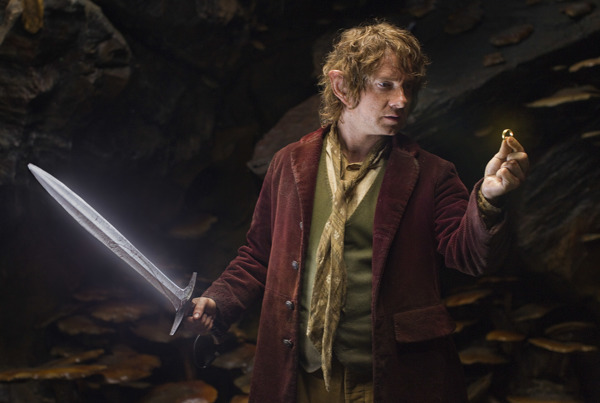
What makes the disappointment of The Hobbit so overwhelming is that it could have been incredible. The Lord Of The Rings showed Peter Jackson was an incredibly talented filmmaker with a knack for fantasy, while the source book is chock full of vignettes that would look great up on screen. What went wrong has been chewed over incessantly, but it doesn't change the fact we're stuck with three painfully long films full of divergences that look slapdash and leave you perpetually underwhelmed. Dedicated Middle-Earth fans may try and edit them down to a suitable single session experience, but what's up on screen is just too muddled to properly rectify.
So yeah, the whole Hobbit exercise was a major let-down, but the brunt of the blame has to go on An Unexpected Journey. Not because it's the worst one (although it is), but because it so instantaneously summed up everything wrong with the entire series - all of the criticisms of the trilogy were present right here from the very start. The excessive, unconvincing CGI? The shoe-horning in of Rings characters? The expanding of minor passages into epic sequences? The obvious, somewhat questionable casting (Martin Freeman as Bilbo aside)? Peter Jackson set it all up here.
An Unexpected Journey was such a monumental let down that it pretty much halted excitement for the rest of the trilogy. People still went to see the later movies (in droves), but many did so out of a feeling of obligation or curiosity rather than genuine excitement. The box office takings decreased gradually over the trilogy (things only increased with The Lord Of The Rings), showing the connection with the audience dwindled once people realised what a mess they were dealing with.
The Hobbit is more disappointing than the Star Wars prequels. It's not just the most disappointing film of the decade. It's one of the biggest let downs of all time.
What's your most disappointing film of the decade? Let us know down in the comments.