15 Most Powerful Documentaries Of The Decade (So Far)

From insights into modern warfare to incredible musicians you've never heard of.

George Clooney immortalised the pioneering television journalist Edward R. Murrow in his film Good Night, And Good Luck, set in the 1950s when documentaries were enjoying a golden age and Murrow was urging people not to squander television's potential to inform the masses and reduce it to "wires and lights in a box". Fifty years later and the documentary format is experiencing a second golden age in which portal cameras, social media and other technological developments allow for the creation of beautifully crafted films. Freed from the traditional weight of high production costs, the result is an incredible diversity of films which shine a light on all aspects of life all around the world. Twenty-first century documentaries continue to live up to the high standards set in the past, covering everything from the global financial crash of 2008 and the continuing war on terror through to much more personal insights into the nature of gifted musicians and enivronmentalists committed to improving the world we live in, often against seemingly insurmountable odds. From the heartwarming to the outrageous, here are 15 of the most powerful documentaries released so far this decade.

15. 20 Feet From Stardom

If you're the kind of person who is awestruck when presented with raw, genuine musical talent, then Morgan Neville's upbeat Academy Award winning documentary 20 Feet From Stardom is a must-see. Neville steps away from the limelight to examine the hugely talented backing singers who have helped shape music in the twentieth century from behind the scenes. Compared to the superstars they perform with these are unknown, unsung (if you'll pardon the pun) artists who have influenced popular music more than many people realise. Big names including Bruce Springsteen, Mick Jagger and Bette Midler feature in interviews, but it's the names we've never heard of which get to speak the most, their words illuminating their passion for music and their hopes and ambitions.

14. Stories We Tell

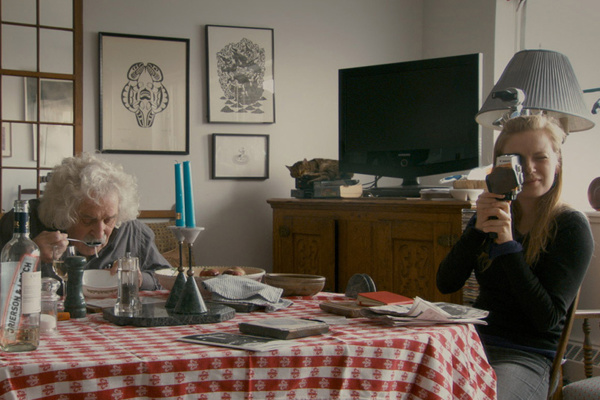
The notion of the role of the documentarian comes to the fore in Sarah Polley's Stories We Tell, in which her camera and own presence completely discards the notion of filmmaking objectivity and instead becomes central to the narrative she unfolds. Polley examines her family life and the revelation that she was the product of an extramarital affair between her mother and a Canadian film producer, using her own interviews with family members, her father's memoir, Super-8 home movies and recreations shot to resemble the same. The result is a richly textured collage which captures the subjective nature of perception and memory. Polley, who has a background in acting, succeeds in revealing her personal history one layer at a time - the result is one of the most uniquely structured documentaries in recent years.

13. Dirty Wars

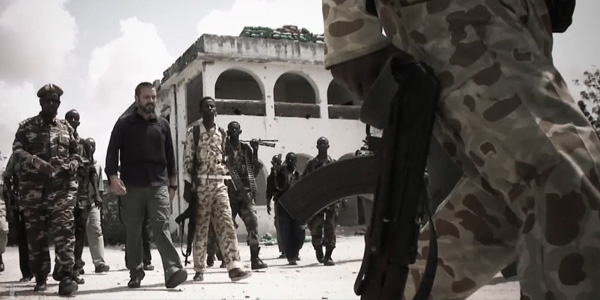
There's a popular perception for many that war is a black and white affair, with America as the good guys and whoever they're at war with represents pure evil. Dirty Wars offers a compelling insight into the moral grey areas of the modern warfare landscape. Centering around investigative reporter Jeremy Scahill - who exposed the atrocities carried out in Iraq by private military contractors working for Blackwater - Dirty Wars takes a close and often uncomfortable look at the covert operations carried out by the US, and the civilian deaths which often result from these policies. It's a balanced insight into a little-discussed aspect of the so-called "war on terror", structured by director Rick Rowley like a conspiracy thriller without skimping too much on providing compelling supporting evidence.

12. The Salt Of The Earth

Photographer Sebastião Salgado's long and illustrious career has seen him cover a wide range of humanity's toils and exploits, from the effects of warfare and entire communities forced into exile through to starvation and impoverishment as a consequence of the ever-changing geopolitical landscape. Legendary German director Wim Wenders examines his life and work in The Salt Of The Earth, capturing the essence of his experiences with an equally keen eye for beautiful and grandiose compositions as his subject. As Salgado moves towards capturing natural landscapes in all their glory, he reflects upon a career in which his art strives to reconcile the struggles with hope. Even without the rich humanistic subtext and insights into one of the greatest modern photographers, The Salt Of The Earth is a visually ravishing documentary full of stunning images.

11. Into The Abyss

Another legendary German film director, Werner Herzog, continued his fascination with the documentary format in 2011 with the film Into The Abyss, a meticulously crafted film about the prison system in America, describing it as "a gaze into the abyss of the human soul." On the surface, Into The Abyss is about a triple homicide and the experiences of those involved - but this is more of a framing device for deeper philosophical questions about the nature of violence in society and the nature of psychopathology in a system which allows state-sanctioned murder via execution. As with most of Herzog's documentaries, Into The Abyss packs an emotional punch just as it makes you question the perceived orthodoxy of a political and social structure which includes capital punishment, ultimately drawn to the living and breathing human beings who come under its sway.

10. Mea Maxima Culpa: Silence In The House Of God
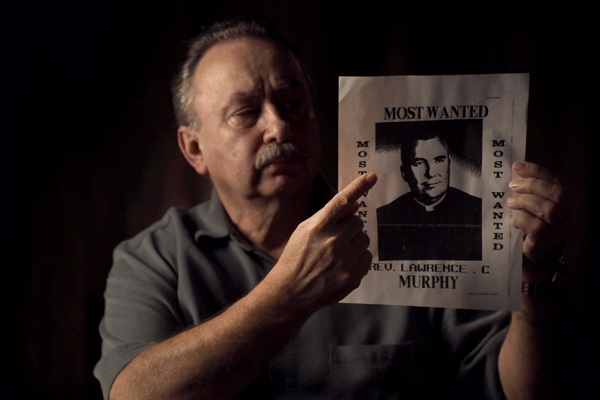
Back in 2005, Amy J. Berg directed the revealing documentary Deliver Us From Evil, exploring the life and crimes of Catholic priest Oliver O'Grady, who molested dozens of children before his conviction and seven years imprisonment. Nearly a decade later and the issue of abuse within the Catholic church remains as troubling as ever before, and HBO's 2012 documentary Mea Maxima Culpa: Silence In The House Of God offered a deeper look into the subject. Director Alex Gibney demonstrates how the practice of the church in covering up cases of abuse has continued, involving a "conspiracy of silence" (which just happens to be the name of another documentary offering a disturbing insight into institutional child abuse) right up to the Vatican. The account of the four deaf people who bring their accounts of abuse to the documentary are predictably disturbing, but the real shock comes with the realisation that there are no doubt countless other victims whose voices have never been heard.

9. Montage Of Heck

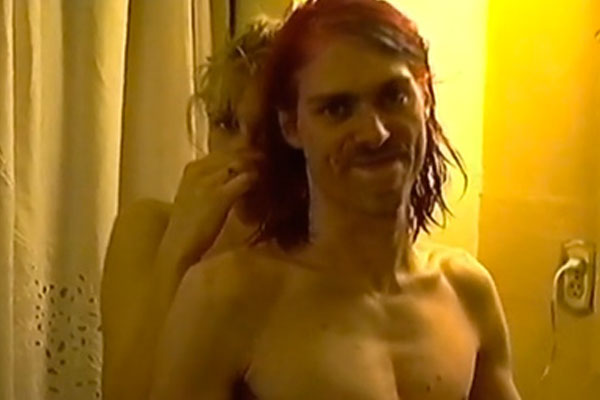
You don't have to be a fan of Nirvana (although who isn't?) to appreciate the documentary Montage Of Heck, which takes an intimate and largely affectionate look at the life and death of the band's frontman, Kurt Cobain. With unprecedented access to Cobain's notes, diaries and home movie footage, Montage Of Heck is without a doubt the definitive documentary about this enigmatic and charismatic singer-songwriter, insofar as director Brett Morgen understanding that "definitive" is never an option for a figure as complex as Cobain clearly was. Few documentaries are so daring when it comes to the way in which they present the material, and Morgen lays out his evidence with multiple visual and audible flourishes which are familiar to anyone who has seen his previous documentary, The Kid Stays In The Picture.

8. Catfish

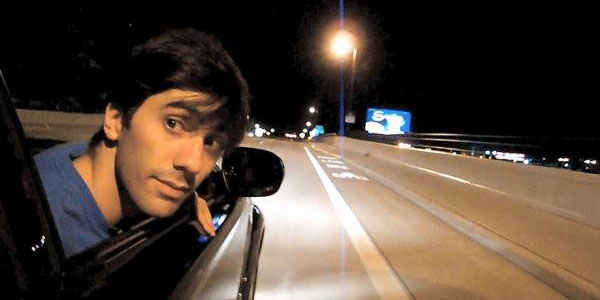
Following the release of Catfish, a huge furore erupted as people lambasted the film as a piece of cynical exploitation, and even accusations from some quarters that the entire thing was made up. Filmmakers Ariel Schulman, Nev Schulman and Henry Joost even faced the possibility of trial to swear the validity of the documentary under oath. While the idea that the events depicted could well be fabricated might lesser the enjoyment for some, on one level these doubts and accusations only serve to make watching Catfish even more compelling. The documentary's "real life" narrative is itself all about misdirection and deception (explaining it in detail would spoil any surprises) so the idea that the filmmakers themselves are party to such insincerity gives it greater levels of meaning. Whether or not Catfish is an authentic piece of documentary filmmaking, it's a compelling insight into the way in which people wear metaphorical masks in an attempt to be something they're not.

7. Leviathan

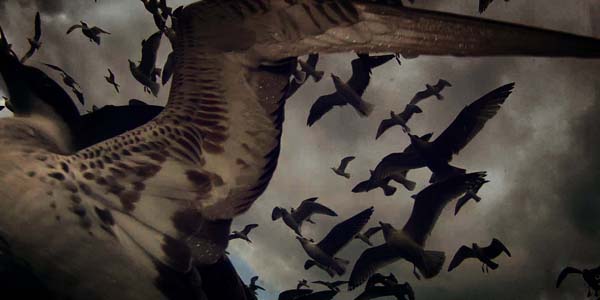
Whereas many documentaries overload the viewer with copious amounts of evidence, interviews and background details in an effort to sway their opinion one way or another, Leviathan takes the format to its most pared back and restrained opposite, where visual and sound information alone is provided. Set on board a huge fishing trawler in the midst of the ocean and directed by Lucien Castaing-Taylor and Véréna Paravel of the Sensory Ethnography Lab at Harvard University, Leviathan offers no narrative and instead attempts to capture the sensoral dynamics of living in such a hostile environment. Using a complex and comprehensive array of camera and microphone setups and some truly astounding editing, Leviathan is an all-encompassing cinematic ride into the heart of nature at its most combative and mankind's timeless battle to transcend.

6. Going Clear: Scientology, Hollywood And The Prison Of Belief

Another great documentary from Alex Gibney released this decade takes a look at another institution rife with controversy. While Scientology hasn't been tainted with accusations of child abuse like the Catholic Church, they've faced persistent allegations regarding psychological abuse towards its members. From forcing members to cut ties with family and friends (in a process known internally as "disconnecting"), to accounts of bullying, harassment, stalking and intimidation, Gibney's roster of former members and associates provide a litany of damning evidence against Scientology as an institution and its leader David Miscavige in particular. Perhaps most intriguing of all is the case of high profile members Tom Cruise and John Travolta - while both declined to be interviewed as a part Going Clear, the documentary leaves the impression that the organisation will do anything they can to keep them as their supporters. The idea that they hold some kind of "dirt" on these stars is hard to ignore.

5. Project Nim

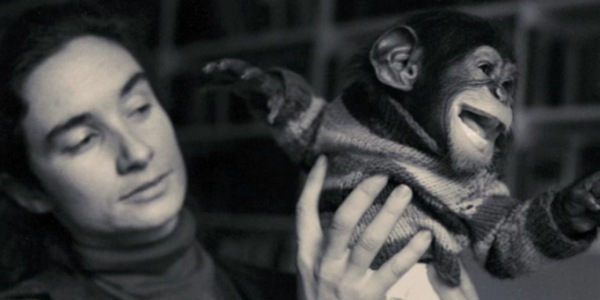
If any subject matter is likely to tug at our heartstrings it's animals and our interaction with them. Few are as moving as Project Nim, which tells the story of the groundbreaking research into chimpanzee communication. The project in question sought to examine the possibility of teaching Nim to communicate with people, based on the premise that raising him as a human child would alter the way in which nurture affected his communication development. As Project Nim unfolds it soon becomes apparent that the experiment reveals just as much about human behaviour as it does about our closest ancestors in the animal kingdom. Director James Marsh, whose credits include the excellent documentary Man On Wire, marshals the material into a fascinating study of behaviour and the heartbreaking way in which Nim was exploited and mistreated.

4. The Last Of The Unjust

Claude Lanzmann directed perhaps the most comprehensive documentary ever made about the Nazi Holocaust back in 1985 - his belated follow up to Shoah, The Last Of The Unjust, was released in 2013 and took a more focused view on the atrocities and those caught up in the Nazi machinery. Rabbi Benjamin Murmelstein is the titular "last of the unjust", a Jewish "elder" who resided in the Theresienstadt ghetto and negotiated with Adolf Eichmann. His actions led to widespread hatred following the end of the war, but as Lanzmann's documentary suggests the line between collaboration and the potential risks he took to saves lives is blurred. Like Shoah, The Last Of The Unjust is a lengthy documentary (at just under four hours long you'll need to set aside a long afternoon to get through it), but patient viewers will find Murmelstein's testimony highly illuminating and ultimately haunting.

3. Virunga

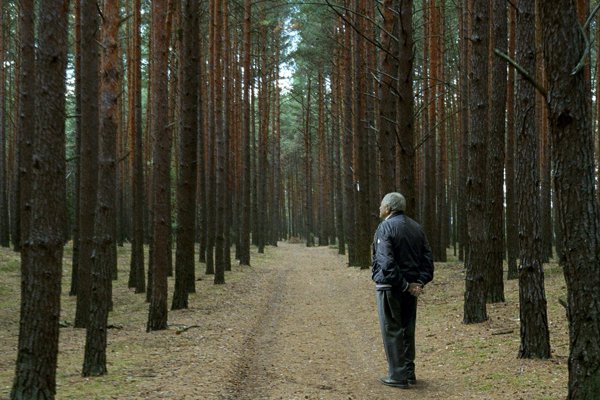
Few places on planet Earth have experienced as much exploitation, war and unrest as the Congo - whether from the external forces of European colonialism or internal civil war, the African failed state has rarely experienced periods of peace. Virunga takes a look at the Congo's present day problems as experienced by a former child soldier and an international team of activists and conservationists desperate to preserve the animal inhabitants of the Virunga National Park. Speculation from unscrupulous British oil companies, raids by poachers and violence from rival militias all converge in a threat on the UNESCO world heritage site. Stunning cinematography which captures the beautiful environment only serves to heighten the feeling that Virunga is on the verge of becoming yet another paradise lost to corruption, cruelty and greed.

2. Inside Job

The effects of the financial crash of 2008 are still being felt around the world today, with the banks recouping their losses through a series of bailouts while the poorest in society have largely been left to pick up the bill through programs of austerity. Charles Ferguson's documentary Inside Job, narrated by Matt Damon, was the first film to examine the causes of the crash, rooted in financial speculation gone wild and the corrupt political frameworks which allowed such rampant - and fraudulent - practices to continue unhindered. Ferguson's anger at the fact that the people responsible for the global financial mess have not only got away with it Scott-free but continue to exploit the system for personal gain to this day is both palpable and understandable. Audiences don't have to delve into YouTube documentaries claiming that the world is ruled by the Rothchilds - Inside Job explains the collusion and corruption of the financial sector just as effectively.

1. The Act Of Killing

History for the most part consigns the worst mass killers and tyrants to the margins. Joshua Oppenheimer's The Act Of Killing brings them up to the fore and gives them a voice to speak of their atrocities and a forum to re-enact the abuses they committed. Oppenheimer's subjects are the death squad killers who helped President Suharto execute millions of people in his 1965 coup d'etat; street hoodlums and gangsters who rose through the ranks of a brutal dictatorship, renowned for their thirst for torture and murder. Their frank discussions of their torture practices and murder must count for some of the most disturbing testimony ever committed to film. Oppenheimer released a companion piece to The Act Of Killing earlier this year, The Look Of Silence - here, he spoke to the surviving families of victims of Suharto's genocide, still living in a country where the killers remain in power. What other powerful documentaries have you seen this decade? Why not tell us about them in the comments?

Contributor
Contributor

Andrew Dilks hasn't written a bio just yet, but if they had... it would appear here.