15 Scariest Movies Of The 2000s

Uber-violent, pulse-pounding horror - and no sequels.
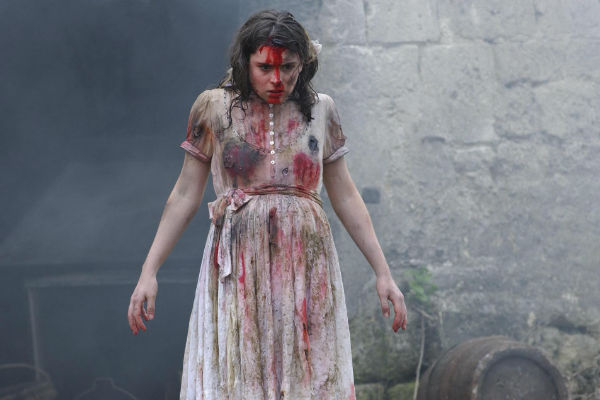
During the 00s, watching a horror movie at your local multiplex was (to paraphrase Julian Rathbone) like wading through a stew with not much meat and occasional pieces of gristle. You kept the faith, soldiering on through movies like Valentine and Halloween: Resurrection, and what was your reward? A remake of Friday The 13th. Thanks, Michael Bay. Which is not to say the decade was a complete washout at the box office: no world containing The Others, Eden Lake and Trick R Treat is worthy of anybody€™s despair. It€™s just a shame that audiences seemed to prefer franchise movies. Then as now, you were better off ignoring the multiplex and focusing your attention on the festival circuit, which had it all: depraved foreign oddities, independently-made gorefests and movies so disturbing that you€™d never see them playing against a PG-13 reboot of The Stepfather. These were the kinds of films you€™d read about in Fangoria and wait for on DVD, knowing that they would arrive with zero fanfare or, worse, be remade by Dimension Films. They were films whose disregard for narrative conventions and mass appeal were enough to give a major Hollywood studio cold feet. Films like the following, in fact.

15. Martyrs

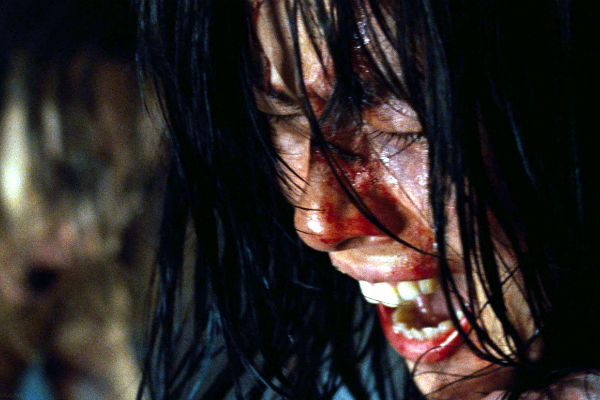
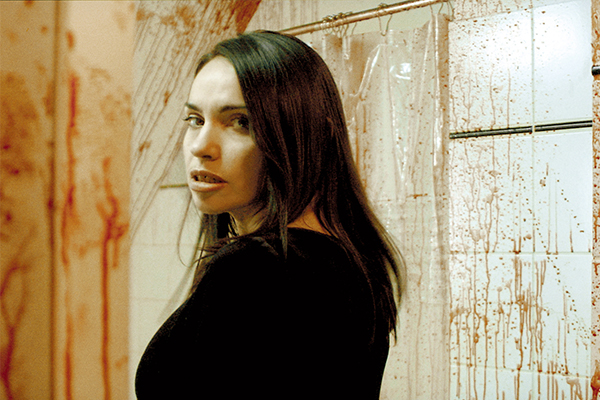
There are too many story flaws and logic loopholes for Martyrs to be a masterpiece, but the first 20 minutes certainly grab your attention. When a seemingly innocent family (including their children) are murdered in cold blood, the killer calls a friend and explains that they were the people who kidnapped and tortured her 15 years earlier. The less you know about what happens next the better because this is a movie you have to experience for yourself, preferably with a breathless, visibly shaken crowd. You can say that it blows its credibility early on, relies too heavily on repetitive scenes of torture and that the final explanation for the crimes is senseless and laughable, but it never shies away from its exploration of the depths of human depravity, and therein lies its power. If it copped out with a €œsafe€ ending, Martyrs would be easy to dismiss (and send up), but it has a single-minded desire to €œgo there€, and whether or not you want to follow, or think the journey was worth taking, you have to admire its resolve, if nothing else.

14. Cold Prey

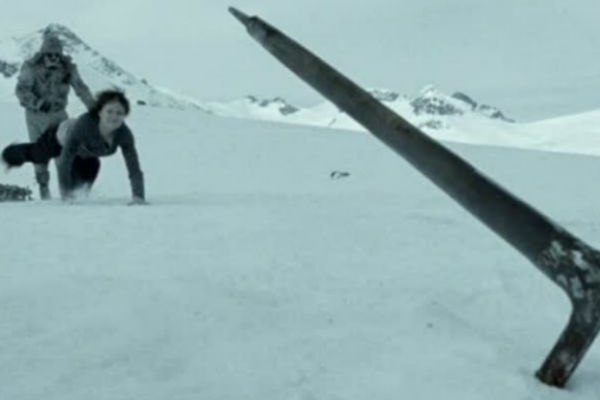
Norway€™s answer to the slasher movies of the 1980s, Cold Prey follows five snowboarders who take refuge in an abandoned hotel when one of them (Rolf Kristian Larsen €“ a dead ringer for Shaggy from Scooby Doo) breaks his ankle on the slopes. What they don€™t know (but quickly realise) is that the place closed in 1975 when the owner€™s son disappeared, and faster than you can say €œMrs Voorhees€™ boy€, they€™re being chased through the snow by a pickaxe-wielding psycho. So far so traditional, but what separates the movie from the pack is€. okay, it doesn€™t offer anything new but director Roar Uthaug strings the he€™s-right-behind-you suspense scenes together better than his 80s counterparts, it€™s slickly shot and there€™s an in-joke for fans of The Shining. Audiences responded favourably, so two years later, Final Girl Jannicke (Ingrid Bolso Berdal, Chernobyl Diaries) returned in Cold Prey: Resurrection, which in the tradition of Halloween II (1981) offers more of the same, only set in a hospital.

13. House Of The Devil

Burned by his experience on Cabin Fever 2: Spring Fever, director Ti West threw caution to the wind and set out to make a low budget, slowly-paced movie with a retro look, and to hell with what anyone else thought. His singlemindedness paid off because House Of The Devil is one of his best films, a return to the days when horror movies were about anticipation rather than instant gratification. Shot on 16mm, and set in 1983, the movie manages to do something new with that hoariest of horror clichés, the terrified babysitter, but to reveal any more of the plot would be unthinkable. This is the kind of film that separates the adolescent boys from the men - viewers that aren€™t willing to go along with the deliberate pacing should really stick to movies about sparkly vampires.

12. The Strangers

So similar in plot and tone to the French chiller Ils (2006) that it€™s often considered a remake, The Strangers tells a simple story and tells it well, with minimal dialogue and an emphasis on atmosphere. Director Bryan Bertino is clearly familiar with Carpenter, Craven et al, but he€™s learnt from them and isn€™t content merely to duplicate shots. Young filmmakers, take note. It€™s a very simple, very basic home invasion tale, far more bare bones than, say, You€™re Next or The Purge. Bertino isn€™t interested in €œhigh concept€ storylines or clever twists and he eschews the comically over the top gore of Alexandre Aja€™s Haute Tension in favour keeping the focus on the main characters and their struggle to survive. By refusing to identify his killers, whose faces remain hidden behind masks throughout the film, Bertino makes them more mysterious €“ and scarier. When Liv Tyler asks why they€™re doing this to her, the reply comes, €œBecause you were home.€

11. Ab-normal Beauty

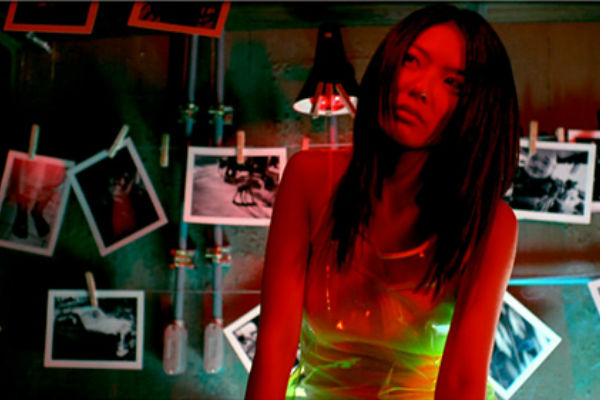
You€™ve probably never heard of this Hong Kong horror movie from Danny and Oxide Pang, the duo that gave us The Eye, which is unfortunate because this is a much creepier film. Unlikely ever to be remade starring Jessica Alba, Ab-normal Beauty tells the story of Jiney (Race Wong), a death-obsessed photographer who photographs car crash victims. As a friend attempts to curtail her obsession, Jiney€™s behaviour catches the attention of a disturbed admirer who sends her a videotape that shows a young woman being killed. Certain it€™s a practical joke, Janie investigates and... that's when the movie really shifts into high gear. If you€™re familiar with the Pangs at all, you probably know them for their English language misfires The Messengers (with Kristen Stewart) and Bangkok Dangerous (with Nicolas Cage). While more slowly paced, Ab-normal Beauty has more style and atmosphere than either, and will remain with you long after the end credits.

10. Wolf Creek

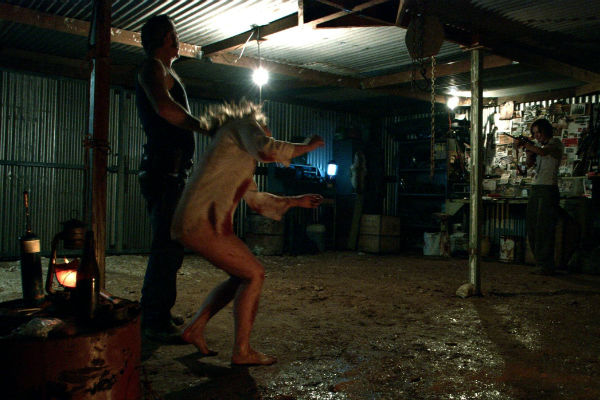
It€™s a sign of how potent Wolf Creek is that its Australian release had to be delayed until after the trial of an Australian accused of murdering a British backpacker €“ events mirrored by the film€™s fictional narrative. That narrative boils down to a story about 3 backpackers being stalked by a killer through the Outback, but this is no standard slasher movie and Mick (John Jarratt, who once fronted a gardening show) is not your typical villain. He€™s a flesh and blood character, whose superficial charm allows him to get close to his prey, and he has the whole wilderness in which to ply his trade. In a movie with no shortage of disquieting moments, the standout has to be the €œhead on a stick€ sequence, and it€™s a toss-up which is the more unnerving €“ Mick€™s description of it or the look in his victim€™s eyes as he sets to work.

9. My Little Eye

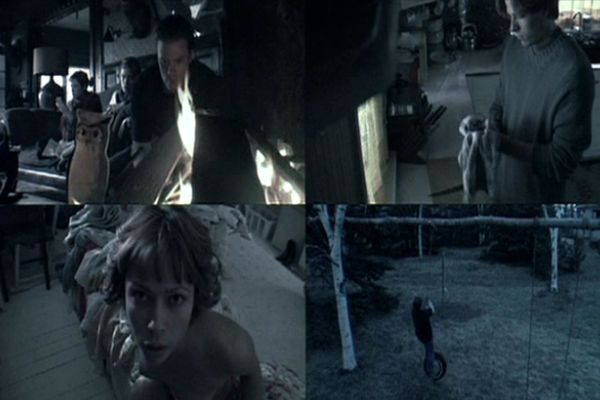
Here€™s the pitch: it€™s five people in a house. For an entire movie. Their moves are recorded by hidden cameras, and if any of them decide to leave, then they forfeit the million dollars prize money. If ever a movie was begging to be staid and dull, it€™s Marc Evans€™s My Little Eye, but he skilfully sidesteps that by exploring the dark side of reality TV, resulting in one of the nastiest movies you€™ve ever seen. You see, one member of the group is a killer, and the show turns out to be a snuff film being streamed on the internet. Unfortunately for Evans, his movie was released around the same time as a more high profile take on the same material. In Halloween: Resurrection, there€™s another group participating in a reality TV show, only this time it€™s coming from inside the Myers house on Halloween, and despite the house being rigged with cameras, Michael Myers appears to carve up the cast with his usual aplomb. It€™s a laughable time-waster, very different from Evans€™ smart, tightly controlled movie, so you know which to check out this Halloween.

8. Saw

It€™s unfair to claim that Saw initiated the trend for so-called €œtorture porn€ €“ that dubious honour rests with Michael Bay€™s equally dubious Texas Chainsaw reboot, which also treated us to the sight of Jessica Biel in a wet t-shirt. In contrast, Saw was a movie for the head, a well thought-out psycho-thriller that didn€™t skimp on character. This first film isn€™t really about the traps or about Jigsaw €“ when it opens, it seems like it€™s going to be another of those boring two-guys-in-a-room indie thrillers. Then Leigh Whannell€™s script whisks us out of the room and straight into the story of a killer who offers his targets a choice €“ confront your worst fears, or die. His preferred method of rehabilitation for drug addicts is the €œreverse bear trap€, which, unlike in the sequels, is never deployed and actually €œhelps€ its target. Someone give that man a franchise and a cool-sounding name €“ something like Jigsaw ought to do it.

7. Frontiers

Leave it to the French, the only filmmakers more twisted than the Japanese, to make a movie that starts off as a blistering social commentary, takes a swing into dark horror and ends up in Texas Chainsaw Massacre country, only with the rednecks replaced by Neo-Nazi cannibals. Making his feature debut, Xavier Gens (Hitman) takes no prisoners and delivers one of the best meat movies never to feature Leatherface. Better structured than Hostel and more palatable than Martyrs, Frontiers is one of the few €œtorture porn€ movies to really stand out. There are all the usual decapitations and characters who are eaten alive, but how many films have as their villain a Nazi war criminal who kidnaps women with the intent of breeding a new master race (and abandons them in a mine when they disappoint him)? It€™s this kind of blackly comic material that makes you wonder if Gens is wasting his time in Hollywood.

6. The Descent

The Descent has a shot at being the best British horror film since 28 Days Later, with which it bears comparison €“ it€™s a grim, unrelenting survivalist drama, very different from director Neil Marshall€™s earlier Dog Soldiers (2002). Released in the UK shortly before The Cave, The Descent tells a very similar story about trapped explorers, but does so with more verve and conviction. Here, the characters don€™t have €œcannon fodder€ written all over them, and since we care about whether or not they live, Marshall€™s able to ratchet up the tension to almost unbearable levels. In the US theatrical cut, the film ended abruptly and bizarrely, with Shauna Macdonald escaping the cavern and returning to her car, only to run into one of her supposedly dead friends. The original British ending, where Macdonald€™s escape was revealed to have been a dream, makes more sense, even if it borrows heavily from Ambrose Bierce€™s An Occurrence At Owl Creek Bridge.

5. REC

Forget The Blair Witch Project, Cloverfield, The Last Exorcism et al €“ if you only watch one €œfound footage€ movie make it REC, which is the leanest, smartest and nastiest film of them all. Eschewing cheap jokes and stupid characters, the film builds a credible story as a TV reporter and her cameraman, covering the night shift at a local fire station, follow the crew as they attempt to rescue a woman trapped inside her apartment. Needless to say, events take a turn for the sinister, but unlike most films of this type, the viewer isn€™t constantly questioning why the characters keep filming. Packing more shocks into its excellently tight 75 minutes than a half-dozen other films combined, REC understands that its premise won€™t stand up to intense scrutiny and keeps the exposition to a minimum while ratcheting up the scares. Never mind the American remake, this is the one you need to own.

4. Inside

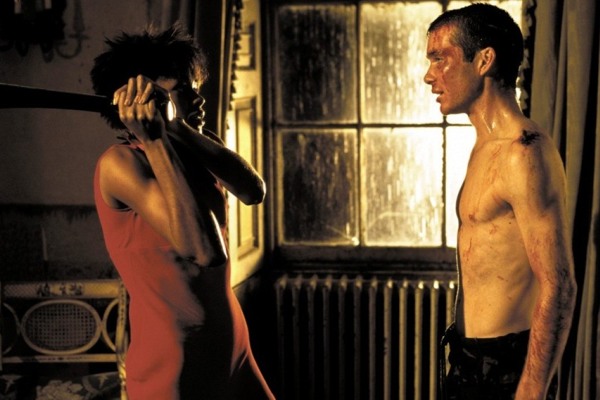
When it comes to making a case for the French being the most twisted horror filmmakers in Europe, there€™s High Tension, Frontiers, and Martyrs, but what really seals the deal is this messed-up home invasion story. It€™s Christmas Eve and Sarah (Alysson Paradis) is preparing to give birth to her first child when she€™s imprisoned in her home by a mysterious woman who kills anyone that attempts to help her. This stranger turns out to be the midwife from hell, determined to deliver the child, steal it and raise it as her own. Though it came out in the middle of the so-called €œtorture porn€ wave, Inside doesn€™t really belong in a box with Saw, Hostel, Captivity et al, and clearly wasn€™t made for an audience of teenage boys. Turning their back on the lowest common denominator, directors Alexandre Bustillo and Julien Maury instead amp up the claustrophobia. Their forthcoming Texas Chainsaw Massacre prequel must really be something.

3. 28 Days Later

Many pictures claimed to be the €œbest British horror film since Hellraiser€ but 28 Days Later is the real deal, and just like Clive Barker€™s film it€™s a landmark picture that ushered in a new era of horror. Taking its inspiration from George Romero€™s zombie films (though without a single walking cadaver in sight), the film offers one of the most uncomfortable (and uncomfortably believable) accounts of social collapse ever seen in a British film. Working from a script by Alex Garland (Ex Machina), director Danny Boyle remains true to the spirit of Romero€™s films while eschewing their humour and pseudo-scientific explanations. The result impressed Stephen King so much that he bought out a showing of the picture in New York City. The film achieves its extraordinary effects by dropping many of the traditional motifs associated with zombie films in favour of playing on the more modern fear of disease. The movie will remain the ultimate apocalyptic vision for some time €“ until our fears change, anyway.

2. The Mist

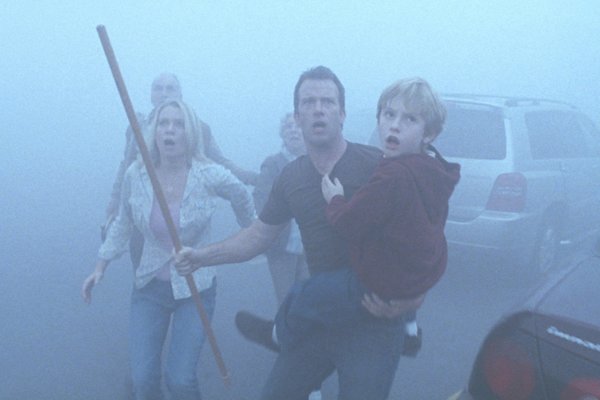
After stubbing his toe with the Jim Carrey vehicle The Majestic (2001), Frank Darabont returned to the well of Stephen King adaptations and followed up The Shawshank Redemption and The Green Mile with The Mist, which has a shot at being the best King adaptation of the last 15 years. Like King€™s novella, it€™s essentially a 50s monster movie given a modern spin, but Darabont gives the material a more downbeat feel and adds what turns out to be one of the movie€™s most memorable scenes €“ a grim ending that€™s very different from the source material. The perfect post-9/11 monster movie, The Mist brings on the apocalypse not by imitating George Romero€™s vision but by throwing regular people (flawlessly played by a terrific cast) into an irregular situation and watching them react. There are no Big Names performing superhuman acts of heroism here, just people attempting to do the right thing (usually to no avail) while weaker characters do nothing and survive.

1. Audition

Audition premiered in Canada in October 1999 but wasn€™t released in the UK until March 2001, much to the gratitude of yours truly, because of all the foreign-language titles on this list, Takashi Miike€™s film is one you need to beg, borrow or steal a copy of. When a lonely widower attempts to begin dating, he uses a filmmaker friend to €œaudition€ prospective girlfriends, and eventually settles for Asami (Eihi Shiina), unaware she has a past that€™s best described as €œcomplicated.€ But if you think this is going to be a psychodrama in the Fatal Attraction mould, guess again €“ Glenn Close never put needles in Michael Douglas€™s eyes or displayed a penchant for amputation. When first shown in Japan, Audition caused walkouts, with one outraged female viewer telling the director €“ to his face €“ that he was a very sick person. Don€™t be fooled by the deliberate pacing because this is a picture that, like all the best horror movies, creeps up on you. If you only watch one of Miike's 90+ films, make it this one.

Contributor

Ian Watson is the author of 'Midnight Movie Madness', a 600+ page guide to "bad" movies from 'Reefer Madness' to 'Poultrygeist: Night of the Chicken Dead.'