20 Biggest Movie Franchises Ever - Ranked From Worst To Best
These franchises made a lot of money, but are they quantity over quality?
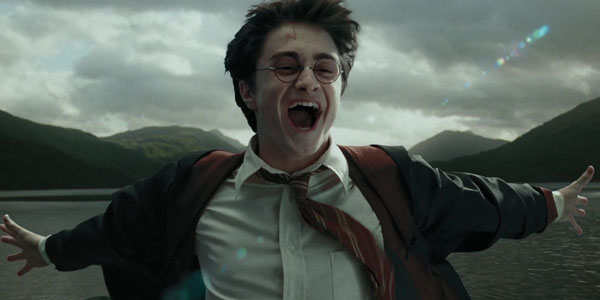
20. The Twilight Saga (2008-2012)
 Summit EntertainmentThe Twilight Saga was a series of literary adaptations seemingly designed for fans of the source material and no-one else. Sparking a cultural phenomenon and making instant stars of Robert Pattinson, Kristen Stewart and Taylor Lautner, the five movies in the franchise earned well over $3.3bn at the box office, despite none of them actually being any good. The movies seem to have very little fans outside of the target audience, but it's doubtful that anyone dislikes the Twilight Saga more than Robert Pattinson, which is saying something. Despite becoming the first young adult series to catch on at the box office outside of the Harry Potter juggernaut, all five entries in the franchise are interminably dull affairs. Catherine Hardwicke, Chris Weitz, David Slade and Bill Condon (twice) are all solid directors that had a shot behind the camera, but none failed to elevate the material above the stilted dialogue, wooden acting, turgid pacing and po-faced seriousness that became the franchise's hallmark.
19. Transformers (2007-2014)
 Paramount PicturesBesides a recent detour into low-budget filmmaking with the $25m Pain & Gain, Michael Bay has spent the better part of a decade working exclusively in the world of Transformers. The embodiment of the 'critic-proof' franchise, the first three installments grossed well over $2.5bn worldwide, with this year's Age of Extinction becoming the biggest hit of 2014 after earning $750m in just three weeks. While the director's signature brand of explosive pyrotechnics result in plenty of jaw-dropping action scenes across the franchise, everything else about the Transformers movies are sorely lacking. The first movie is easily the best, providing a solid introduction to the characters and mythology while also delivering some spectacular set-pieces. From there, the three sequels have all roughly followed the same template; incomprehensibly plotted, overly-long, poorly written assaults on the senses, with Revenge of the Fallen in particular being one of the worst blockbusters in recent memory. Bay claimed that Age of Extinction would be a fresh start for the franchise, but besides swapping out the main characters it only delivered 157 more minutes of the same mind-numbing style over substance. With the fifth movie set for release in 2016, perhaps now is the time for a different director to put a fresh spin on the franchise.
18. Madagascar (2005-2014)
 DreamWorks PicturesAnimated family features are one of the most consistently bankable genres in Hollywood, but it still comes as a bit of a surprise to discover that the three entries in the Madagascar franchise have so far earned over $1.8bn in box office receipts, with a spin-off centered on the scene-stealing penguins set for release in November. None of the movies are particularly awful, but for a genre with the potential for such universal appeal the franchise is more uninspired and painfully generic than anything else. The first movie suffered from the pitfalls of several other Dreamworks animations in that it relied too heavily on cheap gags and pop culture references, often at the expense of a coherent and engaging story. First sequel Escape 2 Africa offered more of the same, albeit with an improved sense of plot and humour, while threequel Europe's Most Wanted marked a high-point for the franchise thanks to an energetic narrative, true wit and some eye-popping visuals. With a solid voice cast and some brilliantly colourful animation, the Madagascar franchise has yet to live up to its potential but the steadily-improving quality of the series is promising.
17. Ice Age (2002-2012)
 20th Century FoxThe Ice Age series is the second-highest grossing animated franchise in history, and one that has seen its box office returns continue to defy expectations over the last decade. With over $2.8bn in box office takings so far and a fifth movie penciled in for July 2016, it remains to be seen whether the decade-old franchise will retain its appeal after three sequels of ever-diminishing quality. The first movie, despite a familiar and derivative plot, is elevated by a sense of wit and charm and was a solid if unspectacular hit with over $380m in worldwide grosses. The popularity of the movie on home video saw the sequel almost double those numbers, despite the humour and storytelling being inferior to the original. Dawn of the Dinosaurs marked a commercial high-point for the franchise with an $886.7m total, but franchise fatigue was beginning to set in as the excellent animation failed to cover the uninspired story, while Continental Drift is sorely lacking in creativity and recycles ideas from the franchises past. It remains to be seen whether the fifth installment will manage to recapture the spirit of the original, or will be content with mediocrity given that financial success is a virtual guarantee.
16. The Fast And The Furious (2001-2013)
 Universal PicturesHas there ever been a blockbuster franchise with a history as unique as the Fast and the Furious? The first outing, based on a magazine article, was essentially Point Break in the street racing world, with two poor sequels effectively killing the franchise before the return of the original cast for part four saw the series hit new commercial heights. A tonal shift to full-blown action blockbuster has now seen the franchise become the biggest earner in the history of Universal Studios with a hefty $2.38bn. The Fast and the Furious is an entertaining genre effort that overcomes its cliched characters by delivering some crunching car chases, wearing its B-movie influences on its sleeve. The horribly-titled 2 Fast 2 Furious was a major step backwards, while Tokyo Drift is mostly a Fast and Furious flick in name only, a Tokyo-set effort that is notable for introducing Justin Lin to the franchise more than anything else. The return of the original stars and a more action-orientated tone saw Fast and Furious become the biggest earner yet, earning more in its domestic opening weekend than Tokyo Drift did during its entire run. Dwayne Johnson was added to the mix for parts five and six, with the end result being two of the most brilliantly OTT and purely entertaining action movies in recent memory, establishing Justin Lin as one of the best action directors working today. Originally scheduled for this year, the tragic death of star Paul Walker delayed the James Wan-directed seventh installment, which will look to be a fitting epitaph to the late actor's career-defining role as Brian O'Conner.
15. Pirates Of The Caribbean (2003-2011)
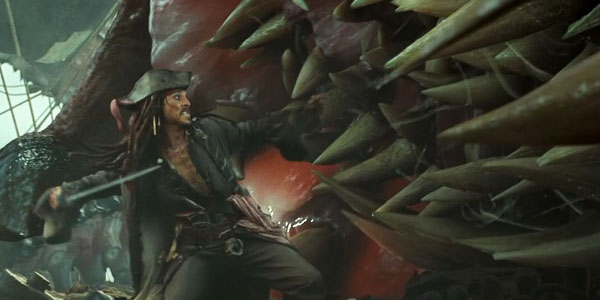 Walt Disney PicturesGore Verbinski's Pirates of the Caribbean surprised everyone when it turned out to be one of the most enjoyable summer movies of the 21st Century, loaded with spectacular action, plenty of humor and an instant cinematic icon thanks to Johnny Depp's Academy Award-nominated performance as Captain Jack Sparrow. This marked the high point of the franchise and the sequels have been increasingly disappointing, although that hasn't stopped the series earning over $3.7bn. Follow-up Dead Man's Chest smashed box office records when it was released and provided an entertaining sequel, although there was the sense that it was merely a placeholder for concluding chapter At World's End. Despite some stunning CGI and great action sequences, the two sequels were bogged down by too many characters, bloated running times and an often-incomprehensible plot that saw the franchise border on tedium. On Stranger Tides dropped most of the original cast but still suffered from many of the same problems, with the increased emphasis on Jack Sparrow putting the character in real danger of wearing out his welcome. Here's hoping fifth entry Dead Men Tell No Tales manages to capture the spirit of the original movie rather than the convoluted and often plain dull sequels.
14. Shrek (2001-2011)
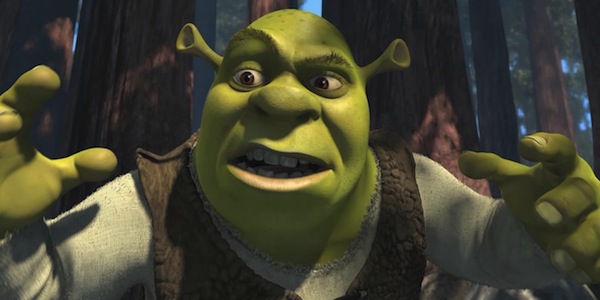 DreamWorks PicturesThe highest-grossing animated franchise in history with over $3.5bn in box office takings, there has been little word on a new Shrek movie since the fourth installment hit theaters in 2010. Which is probably for the best in all honesty, as after a promising start the franchise began to suffer from the law of diminishing returns, despite spin-off Puss in Boots marking a minor return to form. Shrek remains one of the best animated features of the 21st Century, both acknowledging and subverting fairy tale cliches and incorporating parodies and pop-culture references into a postmodern spin on a classic genre. The sequel stuck to the template established in the original, with the irreverent humour and clever sight gags overcoming the shortcomings in the plot and character department. From here there was nowhere to go but down, and Shrek the Third sees the franchise starting to run out of ideas, resulting in a massive letdown compared to the previous two movies. Shrek Forever After is essentially the franchise aping It's A Wonderful Life, but the change in narrative structure does provide some freshness to what was a humorously fitting send-off for the character. 2011's Puss in Boots gave Antonio Banderas' scene-stealing feline a solo flick that delivers a spin-off as witty, charming and charismatic as the titular hero. Given the reliance of the studios on established franchises, it remains to be seen how much longer the Shrek brand will continue to lay dormant given the massive earning potential.
13. Jurassic Park (1993-2001)
Universal PicturesJurassic Park is an undisputed classic of modern cinema; as well as becoming the highest-grossing movie of all time and ushering in the CGI revolution, the movie has Steven Spielberg at the top of his game delivering two hours of breakneck thrills, suspense and jaw-dropping spectacle. Simply put, Jurassic Park is one of the greatest and most influential blockbusters ever made. The sequels, not so much. The Lost World upped both the budget and the stakes, but never manages to come anywhere close to recapturing the spirit of the original. The effects are better, and several of the set-pieces are undeniably impressive but a weak script, poor characters and misjudged third act result in a vastly inferior follow-up. Joe Johnston took over behind the camera for the third installment, which swaps out Jeff Goldblum for Sam Neill and provides another over-familiar retread of the Jurassic Park formula, which does feature some great action but suffers from being too predictable. The Colin Trevorrow-directed Jurassic World hits theaters next year, with a promising premise and strong cast looking to return the franchise to its former glories.12. Star Trek (1979-2013)
 Paramount PicturesIt would be safe to say that 'uneven' would be the right word to describe the big-screen adventures of the starship Enterprise. Which is to be expected when you consider that the Star Trek franchise dates back 35 years and 12 movies, featuring casts from the original series, the Next Generation and the JJ Abrams alternate timeline. Only the Bond franchise can rival Star Trek when it comes to longevity and a revolving door of cast members, but while the sci-fi saga isn't quite as consistent as the adventures of 007 it has certainly delivered its fair share of entertaining movies. After an inauspicious start with Star Trek: The Motion Picture, sequel The Wrath of Khan delivered what is still regarded by many as the greatest Star Trek movie ever made. From there, the quality of the franchise has been decidedly hit or miss; The Voyage Home and The Undiscovered Country are the best of the rest from the original series crew, while First Contact is easily the best entry from the Next Generation cast. 1989's The Final Frontier and 2002's Nemesis are the low points, with the rest ranging from the decidedly average to the mildly entertaining. The 2009 reboot gave the franchise a shiny 21st Century makeover, with the addition of lens flares and a charismatic younger cast driving the franchise to its biggest box office successes to date as well as providing two thrilling sci-fi adventures. With JJ Abrams off to a galaxy far, far away Roberto Orci is taking over for the thirteenth feature, hoping to continue the creative and commercial rejuvenation of the almost 50 year old Star Trek brand.
11. Spider-Man (2002-2014)
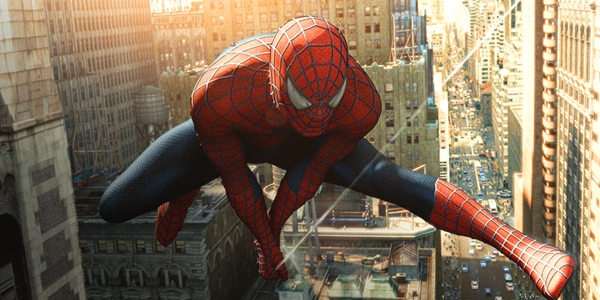 Columbia PicturesEven though its only been 12 years since Spider-Man made his feature-length cinematic debut, we've already seen five movies featuring the character, including a reboot and its sequel. Despite the web-head's most recent outing being the most disappointing, the enduring popularity of the iconic hero will see the franchises collective box office takings cross $4bn by the time The Amazing Spider-Man 2 finishes its theatrical run. Sam Raimi's Spider-Man was a great big-screen debut for the character, with the director's love of the source material evident in a movie that merged colourful and energetic set-pieces with a winning dose of heart, charm and humour. The sequel was even better, delivering one of the greatest comic book movies ever made. Unfortunately, Spider-Man 3 marked a disappointing conclusion to Raimi's trilogy, suffering from too many characters and unnecessary subplots despite some jaw-dropping CGI action sequences. The rebooted Amazing Spider-Man covered much of the same ground as Raimi's original and offered an entertaining if overly-familiar reintroduction to the character. Sadly, The Amazing Spider-Man 2 was a step back for the franchise, with a cluttered narrative and too many supporting players bearing the hallmarks of studio interference in a movie that was too focused on building the future of the series than focusing on the present. With The Amazing Spider-Man 2 and 3, Venom and The Sinister Six all in active development, there is a real danger that the franchise could continue its rapid descent into mediocrity.
10. Mission: Impossible (1995-2011)
 Paramount PicturesIn an age where blockbuster franchises are increasingly sticking to the tried-and-tested formulas that yield much the same results, the Mission: Impossible series stands out as a long-running franchise where each installment feels completely different from the last. As the sole franchise of the world's biggest movie star, credit must go to Tom Cruise for refusing to rehash the same concept over and over again. Brian de Palma's Mission: Impossible was a solid first outing for the fledgling franchise, with the director providing a tightly-crafted thriller that just about overcomes the convoluted plot. Subtlety went out of the window when John Woo took over for the sequel, favouring style over substance and creating a kinetic and highly-stylised flick that offered plenty of the director's trademark high-octane action. Ethan Hunt returned to the big-screen in 2006 with JJ Abrams making his feature debut behind the camera, with the third installment offering impressive practical stunts and CGI pyrotechnics to craft a wildly entertaining popcorn flick. Hiring Brad Bird for his live-action debut reaped huge dividends in Ghost Protocol, easily the best in the franchise, with Cruise's staggering Burj Khalifa acrobatics one of the greatest set-pieces in recent memory. With Mission: Impossible 5 currently gearing up for a London shoot, Christopher McQuarrie certainly has high expectations to live up to.
9. X-Men (2000-2014)
 20th Century FoxThe critical and commercial success that followed the release of Bryan Singer's X-Men led to the revitalisation of the comic book movie, and 14 years later the popularity of the superhero genre is arguably stronger than ever. Even after seven movies including sequels, prequels and spin-offs, the merry band of mutants remain one of the most consistently popular brands in Hollywood, with the franchises box office total now past $3bn. The first X-Men was a well-crafted and intelligent blockbuster, but the sequel was where the franchise really took off. With the world-building out of the way, director Singer was able to fashion an exhilarating and action-packed second chapter that still ranks as one of the best comic book movies ever made. Singer's presence was sorely missed during The Last Stand, a disappointing trilogy-closer that went for sheer spectacle over plot and character. With their options seemingly exhausted the studio turned to spin-offs, with X-Men Origins: Wolverine giving Hugh Jackman's iconic character his own solo outing, which turned out to be the worst mutant movie yet. The Matthew Vaughn-directed First Class took the prequel route and was a return to form for the tiring series, a stylish period caper with a strong ensemble cast. The Wolverine was a more emotional, introspective and much better standalone tale than its predecessor, while the return of Bryan Singer to the fold reunited the casts of both timelines in the brilliantly entertaining Days of Future Past. The last three movies have been helmed by talented directors that respect the material and have yielded solid results, which only bodes well for the upcoming X-Men: Apocalypse and third Wolverine feature.
8. Batman (1966-2012)
 Warner Bros.The Caped Crusader has experienced both dizzying highs and crushing lows in his five decade and eight movie long big-screen career, ever since his feature-length theatrical debut way back in 1966 with Adam West under the comedy-eyebrowed cowl. It would be over 20 years before fans were given a true adaptation of the character, thanks to Tim Burton's critical and commercial hits Batman and Batman Returns. Burton's two movies gave audiences a stunningly-realised Gotham City and a more mature take on the character, with Michael Keaton's convincing portrayal of the Dark Knight well-matched by iconic villainous turns from Jack Nicholson, Danny DeVito and Michelle Pfeiffer. Then Joel Schumacher came along, turning the franchise into a neon-and-nipples extravaganza that focused more on the villains and their awful one-liners than Batman himself, an alarming drop in quality that culminated in horror that was Batman & Robin. Thankfully, Christopher Nolan came along and rejuvenated the character with his more serious and realistic Dark Knight Trilogy. Batman Begins became the standard by which all reboots are now measured, The Dark Knight is heralded as one of the best and most influential blockbusters of the 21st Century and despite its many flaws The Dark Knight Rises provided a satisfying conclusion to the trilogy. The Caped Crusader will return to screens in 2016 in Zack Snyder's Batman v Superman: Dawn of Justice, but with over $3.7bn in box office receipts its only a matter of time before Batman is once again front and center in his own solo franchise.
7. Marvel Cinematic Universe (2008-2014)
 Marvel StudiosYet to suffer a box office flop or make a genuinely awful movie, Marvel Studios' impressive track record is comparable only to that of Pixar. With a release strategy planned years in advance and connective tissue throughout the movies that ties everything together, it's no surprise that the other studios are scrambling to have their comic franchises exist in a shared universe. While the studio has yet to make a terrible movie, there have been several that are average at best. That being said, Kevin Feige is doing a terrific job guiding the Marvel Cinematic Universe and the casting and directorial choices have been bang-on so far, overlooking the recent Ant-Man fiasco of course. It was the slow-burning, four-years-in-the-making approach to The Avengers that ensured anticipation reached fever pitch, resulting in the third highest-grossing movie in history, as well as one of the most entertaining popcorn movies in recent years. Refusing to rest on their laurels, this year's Captain America: The Winter Soldier could well be the best Marvel Studios effort yet, while next month's Guardians of the Galaxy sees the studio take a massive gamble with an epic space opera that will hopefully be as great as the marketing suggests. Becoming the second-highest grossing franchise in history in just six years with almost $6.4bn at the box office, next year's Ant-Man and Avengers: Age of Ultron will soon see the MCU become the biggest ever.
6. Indiana Jones (1981-2008)
 Paramount PicturesThe Indiana Jones franchise gave audiences one of the most iconic characters in cinema history, as well as three rip-roaring adventure movies that comfortably rank amongst the highlights of the action genre. Expertly-directed, tightly scripted and full of brilliant practical stunts, the original trilogy stands up as one of the greatest movie series ever made. Oh, and they made a fourth one... Raiders of the Lost Ark is simply one of the greatest movies ever made, a full-throttle blend of action, wit and charm that endures as a timeless classic. Temple of Doom takes on a darker tone and is the weakest of the original three, but still delivers the franchise's signature breakneck set-pieces. Last Crusade is more overtly comic than its predecessors but the genius casting of Sean Connery as Indy's father elevates the movie as the two share a sparkling chemistry in amongst their globe-trotting escapades. The two-decades-in-development Kingdom of the Crystal Skull isn't as bad as some would have you believe, but it is definitely the worst Indiana Jones movie by quite some distance. The nonsensical plot, superfluous characters, CGI gophers, vine-swinging Shia Labeouf and fridge-nuking overshadow several solid set-pieces, but it's really hard to believe it took nearly 20 years to come up with such a half-baked idea and underwritten script. With rumors of a fifth movie continually cropping up on a semi-regular basis, it would be for the best to let Indiana Jones enjoy his retirement.
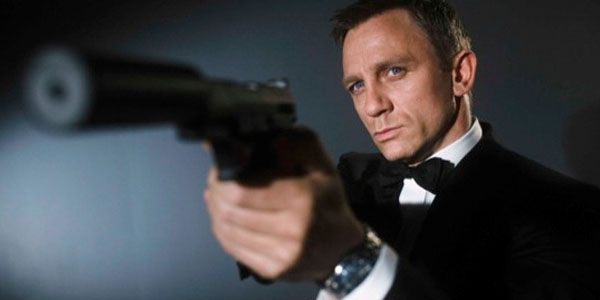
5. James Bond (1962-2012)
4. Middle-Earth (2001-2014)
 New Line CinemaIf we were only talking about the Lord of the Rings trilogy, then there is a strong possibility that Peter Jackson's fantasy epic would take the top spot in these rankings. However, the questionable (read: financially motivated) decision to stretch The Hobbit from slender 300 page novel to nine hours of cinema has so far yielded a disappointing opening chapter and a much-improved, yet slightly underwhelming second movie. The Lord of the Rings is a landmark of modern cinema, and one of the greatest trilogies ever committed to film. Bringing J.R.R. Tolkien's work to life, Peter Jackson fashioned three visually stunning and emotionally powerful epics that featured a note-perfect ensemble cast that gave real substance to the spectacle on show. Racking up 17 Academy Award wins from 30 nominations including a record-tying 11 for concluding chapter Return of the King, the trilogy is a monumental and towering achievement. The Hobbit trilogy has so far brought mixed results. An Unexpected Journey suffers from a bloated running time and turgid pacing, while The Desolation of Smaug is a marked improvement that increasingly gains momentum throughout the narrative. With almost $5bn in box office takings so far, it's virtually a guarantee that December's The Battle of the Five Armies will be a monster hit. Let's just hope it lives up to the massive expectations that come with the final chance to see Middle-Earth on the big screen.
3. Star Wars (1977-2005)
 20th Century FoxStar Wars has shown unparalleled staying power to remain at the forefront of popular culture for almost 40 years, with interest in the franchise higher than its been in a decade thanks to JJ Abrams' currently in-production Episode VII. The $4bn acquisition of Lucasfilm by Disney will see a new Star Wars movie hitting theaters every year, and hopefully the finished product will be more akin to the original trilogy than the much-maligned prequels. A New Hope, The Empire Strikes Back and Return of the Jedi are three of the most influential blockbusters ever made, inspiring generations of filmmakers and cinemagoers alike. The cast of memorable characters, rich mythology, groundbreaking special effects and epic set-pieces remain as popular now as they were at the time of release. After a 16 year absence, The Phantom Menace hit screens in 1999 and it would be a massive understatement to say it was a little disappointing. Forgetting everything that made the original trilogy so special, the prequels suffer from George Lucas' over-reliance on CGI, wooden acting and terrible dialogue, although Revenge of the Sith did provide an action-packed and satisfying conclusion. Despite the potential for franchise fatigue to set in with a new movie hitting theaters on an annual basis, things are looking promising for the continuation of the Star Wars universe. Episode VII will feature a top-notch ensemble cast, and the attachment of talented directors Gareth Edwards, Rian Johnson and Josh Trank to the sequels and spin-offs bodes well for the future.
2. Harry Potter (2001-2011)
 Warner Bros.Its easy to forget given its status as the most lucrative franchise in history with over $7.7bn in box office takings, but the Harry Potter series was a mammoth undertaking. Eight big-budget fantasy epics based on seven books released over ten years, starring three young leads that grew up on screen and a sprawling ensemble of respected British thespians posed a daunting challenge for the filmmakers, which makes the consistent quality of the movies all the more remarkable. Chris Columbus' plodding first two installments remain the weakest, but the director still deserves immense credit for the world-building despite remaining far too slavish to the source material. The appointment of Alfonso Cuaron for Prisoner of Azkaban was a masterstroke, with the Mexican director's darker and more complex take on the material inspiring the rest of the movies both visually and emotionally. David Newell's Goblet of Fire continued the maturation of the franchise, while having David Yates direct the final four chapters established a stylistic and thematic continuity as the story neared its conclusion. Splitting the Deathly Hallows into two movies seemed like a commercial decision, but it worked as the subtler, more introspective Part 1 paved the way for the non-stop action of Part 2, a fitting final entry that largely played out as a war movie with wands instead of guns. The trio of young leads gave performances of increasing depth with every movie after a shaky (and often cringeworthy) start, providing the real heart of the franchise in amongst the stunning production design and cutting-edge CGI.
1. Toy Story (1995-2010)
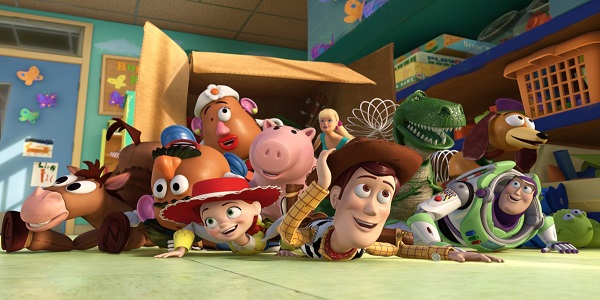 Walt Disney PicturesIn an industry where animated sequels are regularly made in an effort to capitalise on a successful brand and often result in mediocrity, Pixar's dedication to emotion and storytelling separates the Toy Story franchise from its pixelated peers. Individually they are three of the greatest animated features ever made, but collectively the adventures of Woody and Buzz stand tall as one of the greatest trilogies in the history of cinema across any genre. The first Toy Story was nothing short of a massive gamble, the first ever feature-length computer animated movie from an untested studio that had spent years in development, going through numerous rewrites and even a production shutdown. The end result was both a critical and commercial hit, that deftly blended the technical innovations with buckets of action, humour and heart to create a timeless classic. The sequel was originally intended as a straight-to-video movie, suffering yet another troubled production process but still delivered a more-than-worthy follow-up that is at the very least the equal of its predecessor. Eleven years later, Toy Story 3 brought the story full-circle with a riotously entertaining yet emotionally powerful prison-break movie that had many a grown adult wiping away the tears by the final reel. Becoming the first animated movie to gross over a billion dollars and scoring an Academy Award nomination for Best Picture, the franchise closed on a fitting note. Visually, thematically, commercially and artistically, the Toy Story series is franchise filmmaking at its finest.