22 July Review: 5 Ups & 4 Downs
Paul Greengrass' bloated yet compelling dramatisation.

Paul Greengrass' long-awaited dramatisation of the horrifying July 2011 Norway attacks - in which Anders Behring Breivik killed 77 people with a car bomb and machine-gun - is now available to stream on Netflix, and it's...pretty decent?
Though falling disappointingly short of all the initial awards hype, the searing thriller-drama has received broadly positive reviews since its premiere at the Venice Film Festival last month, for shining a light on one of the most harrowing acts of terrorism of the last decade. While absolutely not for the squeamish, for those interested in the case it offers a broad encapsulation of all the focal points.
While it's clear that Greengrass' film is sorely in need of a judicious edit and a more incisive screenplay, it still manages to be an affecting, heart-rending take more often than not.
It's far from the director's very best movies like United 93 and Captain Phillips, but July 22 certainly does enough to end up a solid addition to Netflix's growing library of prestige offerings from card-carrying auteurs...
Downs...
4. The Poor Pacing & Excessive Run-Time
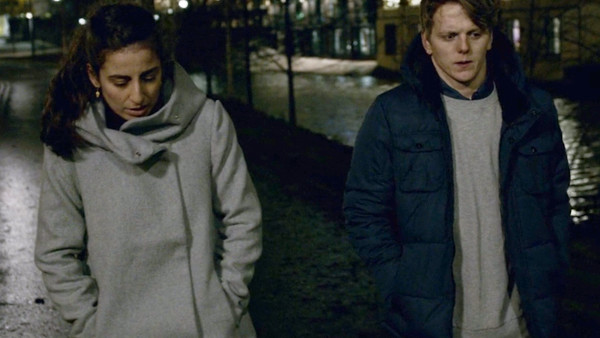
By far the most obvious problem with the movie is that it's incredibly sprawling and unfocused, attempting to cover too much of the massacre's events and the resulting fallout.
With a brutal 144 minute run-time, the movie features the lead-up to the attacks, the attacks themselves in surprisingly brief detail, and then almost two hours of character drama jumping from the survivors to politicians and also Breivik himself.
Greengrass has clearly tried to create a broadly wide-reaching drama but has ultimately spread himself far too thin, covering a lot but most of it with little depth.
Though the director clearly didn't have a studio breathing down his neck to keep his drama to a reasonable length, he and editor William Goldenberg desperately needed to shave the length down and cut the excess fat.
3. The Norwegian Actors Speak English...For Some Reason
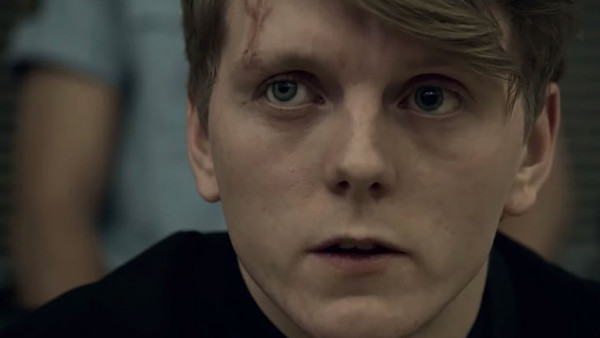
Despite 22 July being a mostly Norwegian production with a local cast and crew, Greengrass made the rather peculiar decision to the shoot the film in the English language, detracting significantly from the movie's overall sense of authenticity.
In interviews the director has defended the decision as a means to make the film more accessible to a wider audience - he referred to it as "a story for the world" - but it ends up feeling like a cynical call that's absolutely to the movie's detriment overall.
That's not any reflection on the actors themselves, who are mostly splendid, but simply that the film would feel more lived-in and believable if the Norwegian characters weren't speaking in English just to appease the popcorn-munchers (who probably won't even watch this anyway).
2. It's A Pretty Generic Courtroom Drama At Times
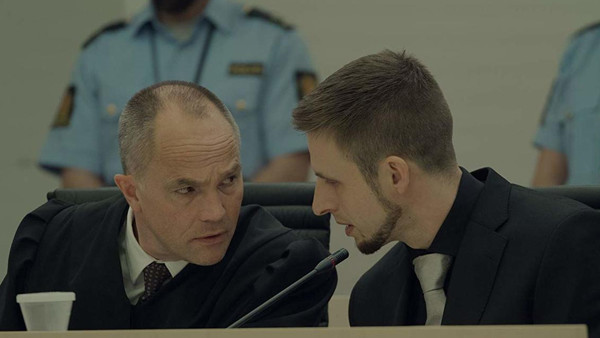
Once the shootings themselves have taken place, the movie settles down to become a far more familiar courtroom drama, as Breivik prepares his defence, Breivik's lawyer considers the moral implications of defending such an abhorrent human being (something he's duty-bound to do), and the victims ready themselves emotionally to take the stand.
It's during the back-half of the film in particular that it starts to evoke the feel of a rather workmanlike TV movie of the week, competently assembled at all times but lacking much verve or inspiration as written or directed.
Given Greengrass' acclaimed prior docu-dramas, it's a bit of a shame that, outside of the visceral attack sequence itself, this feels like it could've basically been assembled by any old hack filmmaker.
1. It's The Lesser Of The Two July 22 Movies

There are in fact two movies based on Breiveik's attack being released this year, and though Greengrass' version is sure to win all the headlines, Erik Poppe's Utøya - July 22 is the decidedly better of the pair.
Having earned strong acclaim on the festival circuit, the movie focuses singularly on the 72-minute attack itself, unfolding over a mind-boggling single take.
Breivik himself is featured in just a few scattered shots, and rather than grant him or his ideology any oxygen whatsoever, the focus is placed squarely on the victims and survivors. Oh, and it's an entirely Norwegian production spoken in actual Norwegian.
In terms of writing, direction and performances, it's a far more powerful and unflinching dramatisation, yet one that's sadly going to fall on deaf ears compared to this far broader effort.
So, 22 July may not be among Paul Greengrass' better movies, but it's still bracingly effective to a point. Here's everything it gets right...
Ups...
5. The Outstanding Performances
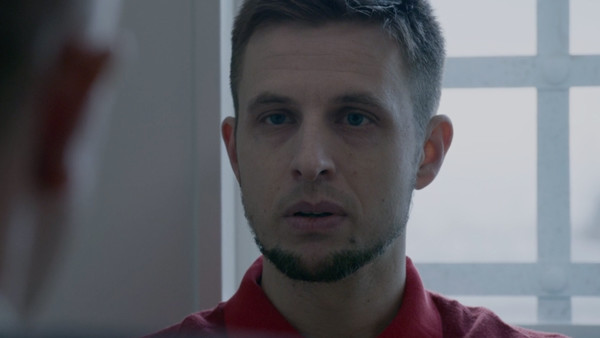
Uneven though the film is, the performances are absolutely terrific across the board, none better than Anders Danielsen Lie, who while not really resembling Breivik at all, gives a bone-rattlingly chilling rendition of a man utterly lacking in remorse for his actions.
There are arguments to be made that the film perhaps focuses a little too squarely on him over the victims, but to his credit Greengrass rejects lazy psychoanalytical readings of Breivik's psyche in favour of the more horrifying conclusion that he probably knew exactly what he was doing.
On the other side, Jonas Strand Gravli gives a remarkable performance in his feature film debut as Viljar Hanssen, a survivor of the attack who endures a long road to recovery both physically and emotionally. Even during the movie's more rote and plodding moments, he makes you feel the anguish and could have a bright future ahead of him.
Also worth singling out is Jon Øigarden, who plays Breivik's reluctant lawyer Geir Lippestad. Øigarden nails the man's personal torment over defending a monstrous individual in the stead of upholding the rule of law.
And now consider how these performances would be even better if they were spoken in a Norwegian tongue.
4. The Horrifying, Intense Attack Sequence
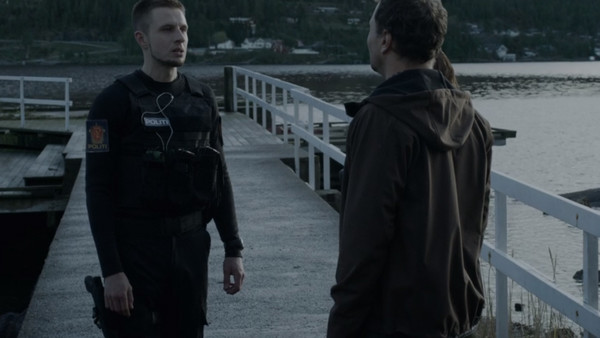
Somewhat surprisingly, the 72-minute attack is boiled down to just a 10-minute sequence of the movie, and it's really the only, single aspect of the film that identifiably makes it feel like a Greengrass film.
Unflinchingly harrowing as it refuses to shy away from the brutal violence Breivik wrought on that day, it may prove too upsetting for some to watch, while others may believe it sets an exploitative tone, but it undeniably conveys the horror that was surely felt that day.
Thanks to Greengrass' frantic coverage and the immaculate, piercing sound editing, there's precious little entertaining about the sequence, but it certainly feels like it captures the reality of the scenario with a journalistic authenticity.
3. It's An Emotional Tribute To The Survivors
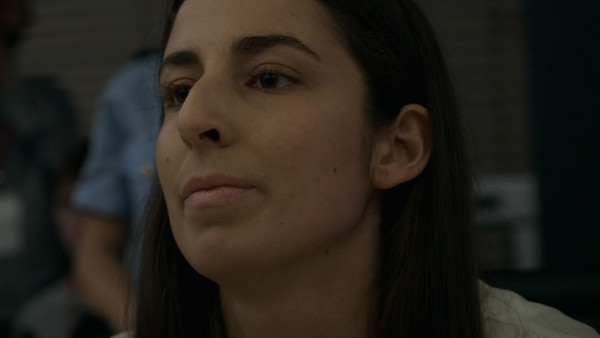
Though a great deal of time is devoted to Breivik, at its core the film still feels more like a tribute to the victims and especially the survivors of the attack. Greengrass deftly explores the impact that day had on not only those who were there, but also the families of those directly affected, and eventually even society as a whole.
With the film building slowly to Viljar heading to court to face Breivik, the director paints a compelling picture of courage in the face of enormous adversity, while never forgetting the huge human toll that was paid that day.
That Greengrass goes this route without getting overly sentimental is a testament to his shrewd skill as a filmmaker, even if the movie as a whole still feels rather messy.
2. The Haunting, Naturalistic Cinematography
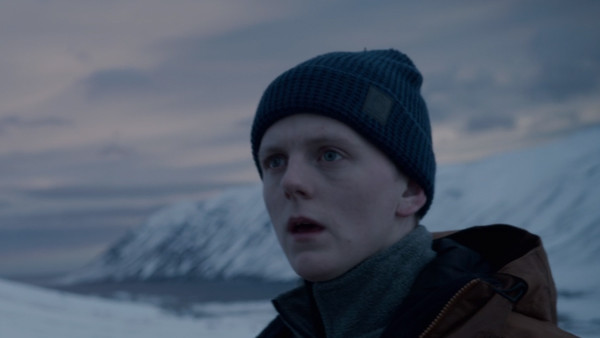
While much of the film takes place in courtrooms and fairly uninteresting locales, cinematographer Pål Ulvik Rokseth takes every opportunity possible to evoke Norway's natural beauty, both in the attack sequence itself and the subsequent scenes set in Viljar's snowy hometown.
Some might take umbrage with Rokseth adhering to Greengrass' widely divisive "shaky cam" techniques even during non-action sequences, but they are fundamentally effective in cementing the piece as a work of grounded, real-life horror.
It's certainly not the director's most ravishingly mounted film, but considering the inherent constraints of the material, a mighty effort is nevertheless made to keep it on the right side of cinematic.
1. Its Message Is Urgently Important
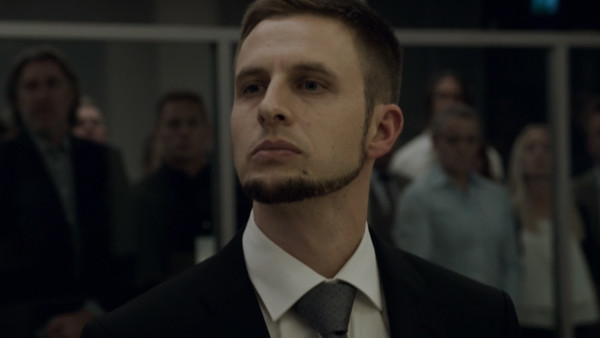
Above all else, July 22 packs a powerful and important message about the surging rise of right-wing extremism across Europe in recent years, and how governments must be careful not to ignore the threats posed by domestic terrorism (and, if we're being blunt, the too-often ignored dangers of white men).
While you can argue the film focuses too much on Breivik, it serves the purpose of foregrounding his grotesque, misguided hatred rather than granting a stage to his horrifying agenda.
It's important to know that there are many people like Breivik out there, regardless of whether their weapon is a machine-gun or a computer keyboard, and denying them agency where possible is absolutely paramount.
Greengrass' movie doesn't get on a soapbox or end with a desperate plea to stamp out the alt-right, but it doesn't take much reading between the lines to see the moral imperative.
What did you think of 22 July? Shout it out in the comments!