25 Best Movies From The 1950s

This is the modernist age...
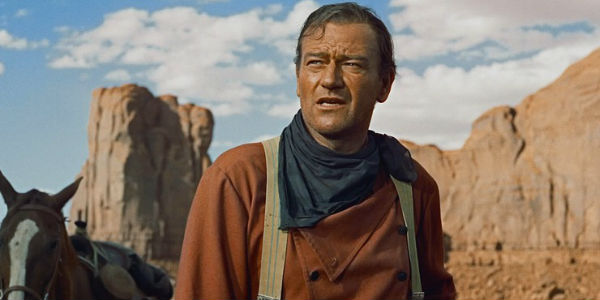
The Searchers Movie John Wayne

At the turn of the decade, World War II was very much over and prosperity was on the world's agenda - this was to be a time of peace and regrowth.

However, best laid plans are just that, and by the time the clock struck midnight on December 31st, 1959, wars had been waged in Korea; the Suez Crisis sent shockwaves through Africa; the Cuban Revolution brought communism to American shores and society was finally breaking from the stuffy shackles of decades long passed.

Mirroring these tumultuous times were the movies. Those fabulous celluloid reference points for how society is faring and what the signs of the times really mean.

If the 1930s and 1940s are best remembered for being a glittering Golden Age, synonymous with wholesome images such as Claudette Colbert and Clark Gable gazing at each against the backdrop of starlight, a la It Happened One Night, the 1950s was our blistering Gritty Age.

This was a decade packed with films that broke the mould, be it by subversive messages or sly takes on well known genres, to towering performances and a predilection for a downbeat ending. All in all, during a time that, on the face of it, was actually a bit square, the 1950s were actually cinema's coolest era and this definite list will take you on a tour of the best films to hit screens during this period.

One other thing, the list that is about to follow has one big ethos: no matter how influential or ground-breaking the film may be, it has to have one true endearing factor - and that is for it to be an entertaining thrill ride. Now hit the button and enjoy some cinema par excellence.

First up, a Japanese masterpiece, a war epic and many more...

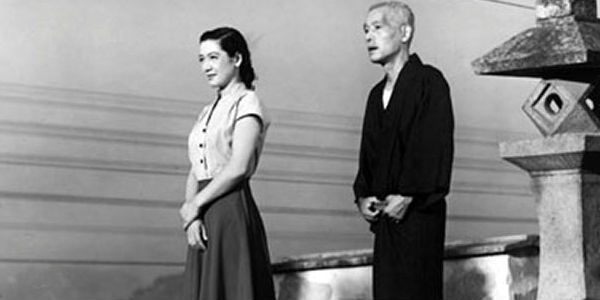
25. Tokyo Story

Tokyo StoryThe Film: Director Yasujir Ozu produced his most revered masterpiece in this subtle character study, which tracks a husband and wife as they depart their rural abode to visit their offspring in Tokyo. Ozu€™s trademarks are all here €“ still camerawork and events being implied, rather than shown €“ and he lets the story unravel at a pace that is so languid, you enter a state of ease that is quite unique. Classic Moment: Chishū Ryū€™s protagonist goes out for a night with his old pals, gets hammered and breaks that stoic Japanese exterior by cutting loose with the chatter.

24. All About Eve

The Film: Bette Davis and Anne Baxter go head to head in Joseph L. Mankiewicz's scathing eye to the boards view of life on Broadway. Showered with praise and awards in equal measure upon its release - the film's 14 Oscar nominations was a record until Titanic sailed into our lives - All About Eve's central plot of aging actress vs. up and coming starlet remains one of the wittiest comedies to ever come out of Hollywood. Classic Moment: "Fasten your seatbelts, it's going to be a bumpy night." No sooner has Davis uttered these famous words she's worked the room, been introduced to a certain young blonde (Marilyn Monroe in one of her earliest roles) and watched on as Baxter's new girl on the block shakes the foundations of her acting empire. Classic.

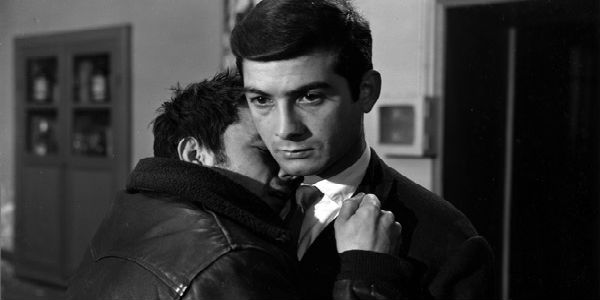
23 Le Beau Serge

The Film: Behold the dawn of the French New Wave in this astounding study of a man revisiting his rural hometown, only to find misery encapsulated in his old friend (the titular Serge, played by Gérard Blain ) who is now a grieving drunk. Jean-Claude Brialy's stone-faced lead is the eyes of director Claude Chabrol's picture, but it's Blain that is the pickled heart and sorrow. Chabrol's eye for realism and the most human of drama makes for unflinching viewing. Classic Moment: A wheezing and beaten up François drags a legless Serge through the bitter cold to bring him home to his wife, who is deep in the throes of labour, before collapsing on the floor. With sacrifice comes birth and as the camera lingers on Serge's face one of cinema's most affecting curtain closing images is born.


22. The Bridge On The River Kwai

The Film: In what was a relatively quiet decade for director David Lean his one notable effort remains this enduring war epic. Set in a Japanese prison camp during World War II, Lean€™s interpretation of Pierre Boulle€™s award-winning novel sees Alec Guinness in career besting form as Lieutenant Colonel Nicholson, who is tasked by Sessue Hayakawa€™s cruel Colonel Saito (rightly Oscar-nominated for his villainous turn) to build the story€™s eponymous structure. After this, Lean went on to direct Lawrence Of Arabia and Doctor Zhivago, but it€™s in this movie that his balance of scope and drama has never been bettered. Classic Moment: Apocalypse Now may have boasted of €˜the horror€™ but Bridge Over The River Kwai€™s frantic ending captures the €˜madness€™ of a plan not coming together in a way that is unforgettable.

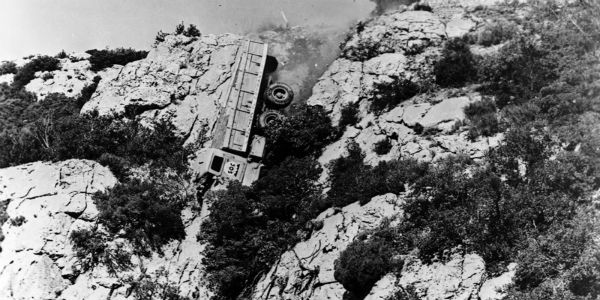
21. The Wages Of Fear

The Film: Director Henri-Georges Clouzot€™s nail-biting adaptation of Georges Arnaud€™s novel saw a group of European long haulers being given the task of a lifetime by an American oil company: man a convoy of rigs across hazardous terrain in order to extinguish a burning oil well. Oh, and said trucks are loaded with uber flammable nitroglycerin. The setup is an absolute doozie and across this movie€™s running time the staple format of the disaster picture was formed. Given the success of this movie, Clouzot went on to land the gig of directing Les Diaboliques, which didn€™t quite make the list. Classic Moment: The film€™s climactic sting in the tail, where Mario€™s luck sadly runs out, lends a dour ending to a picture not content with offering anything but some true grit to proceedings.

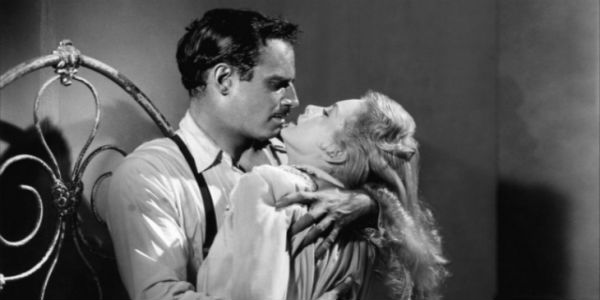
20. In A Lonely Place

In A Lonely Place Movie StillThe Film: Playing against type with gloomy relish, Bogie's dead-eyed stare has never been better employed than in this gripping noir where he plays Dixon Steele, Hollywood screenwriter come murder suspect. At the time this was released, helmer Nicholas Ray was yet to build on the promise of his debut, They Live By Night, but with this dark foray into love against the backdrop of suspicion he really came into his own and off the back of this went on to become the decade's top auteur. Classic Moment: As the film draws to a close, Dix's temper erupts as he lashes out at his wife to be (Gloria Grahame) before a crucial phone call brings him back to his senses - but all is already lost. An unforgettable twist.

19. Forbidden Planet

The Film: Breaking a heap of genre traditions within its opening third - this is the first sci-fi flick to be set on another planet and also to feature a robot complete with a personality - Forbidden Planet remains an immensely watchable treat. Tracking a jarringly straitlaced Leslie Nielsen as he commands a rescue mission to planet Altair IV, the film soon unravels as Nielsen and co realise this planet isn't all that it seems. The film builds to a thrilling close and it's worth mentioning that if the Academy was giving out Best Supporting Actor awards for sentient hunks of metal, Robby The Robot would have been a shoe in. Classic Moment: Forbidden Planet is all about isolation and build up and they don't come better than the film's finale, as the Id Monster emerges from its lair, causing all chaos to break loose. Kudos should also go to Disney animator on loan, Joshua Meador, for bringing this beast to life in such vivid fashion.

18. A Touch Of Evil

The Film: Although best remembered for its bravura opening sequence €“ a three and a half minute tracking shot sets up proceedings in explosive fashion €“ A Touch Of Evil soon unravels to become one of the edgiest noirs that the decade produced. Set in and around the US border with Mexico, Orson Welles€™ one man show (the film was directed, written and even stars the great man) allows room for a distinctly Mexican Charlton Heston to shine as a drugs officer out to get the cartels. Classic Moment: With the intro being something of a given, the standoff at the film€™s climax between Heston€™s Ramon Vargas and Welles€™ uber corrupt cop, Hank Quinlan, is a great exercise in how to wrap up a smouldering plot.

17. 12 Angry Men

The Film: Before this entry on our list hit screens, the courthouse thriller was oddly light in tone €“ Mr Smith Goes To Washington, A Miracle On 24th Street €“ and was more entertaining then mentally engaging. That all changed when director Sidney Lumet enlisted Henry Fonda to star as his Juror 8, in a movie that sticks a bunch of men in a room, all with the singular goal of agreeing on the outcome of a murder trial, and lets the drama unfold to taut effect. Classic Moment: Fonda comes to life as his €˜not guilty€™ verdict upsets the apple cart and forms the film€™s first inciting incident.

Contributor
Contributor

Shaun is a former contributor for a number of Future Publishing titles and more recently worked as a staffer at Imagine Publishing. He can now be found banking in the daytime and writing a variety of articles for What Culture, namely around his favourite topics of film, retro gaming, music, TV and, when he's feeling clever, literature.