5 Movie Trailers That Led To Lawsuits
Those movie trailers that brought on the wrong sort of publicity...

Evidenced in the fact that this is certainly not the first time WhatCulture has covered those times movies have been hit by lawsuits, be that due to certain scenes or even posters, the filmmaking industry doesn't half have a habit of getting caught up in legal trouble when it pertains to a big screen project.
Yet, it isn't just the finished product or the prints found slapped on the front of cinemas or clogging up your Twitter feed that have been called out and sued for a whole host of reasons. In some cases, even the two-minute slices of promotional material used to sell a film to an audience have been the cause of more than a few p*ssed off folks demanding compensation and/or justice.
Simply put, what can at first seem like a harmless way to convince fans to line up to see their incoming blockbuster, romcom, or gritty noir can soon land a studio in the doghouse and earn them a day in court.
From fan-made sci-fi epics drawing unwanted attention from the big boys, to plain old false advertising brassing off the paying public, these movie trailers were likely more trouble than they were worth when all was said and done.
5. Fan Made Star Trek Film Is Stopped In Its Tracks By Paramount After Trailer - Star Trek: Axanar

YouTube has become the home of many a creative and innovative fan-made spin-off over the years, with everything from Star Wars to The Lord of the Rings getting the D.I.Y. treatment as time has gone by. But in Star Trek: Axanar, Alec Peters and Axanar Productions seemed to have had their sights set on completely breaking the fan-made mould.
On the back of an eye-catching prelude in 2014, aptly named Prelude to Axanar, dropping online and garnering a whopping 1.7 million views, Peters was able to bring in an eye-watering $1 million on Kickstarter and Indiegogo to finance a full blown Star Trek spin-off feature. However, as soon as Paramount and CBS caught wind of what was going down, the two filed a lawsuit seeking damages for Peters and his production team infringing their rights by using the Klingon language in the modestly-budgeted fan-film and "innumerable copyrighted elements of Star Trek, including its settings, characters, species, and themes".
The suit was ultimately settled in the end as Peters and his team announced they would be making "substantial changes" to their prequel in 2017. The terms found in this new agreement between the two parties stated that Peters would be allowed to make two separate 15-minute shorts, instead of the 90-minute feature expected, and commercials would not be allowed to be present during the flick.
Though, Axanar is still yet to boldly go as of writing...
4. Fan Had Enough Of Warner Bros. False Advertising - Suicide Squad

It's safe to say that just about everyone can relate to the feeling of being a little caught off-guard by the sort of flick that ultimately got unleashed on them when they chose to finally sit down and watch David Ayer's Suicide Squad in 2016.
First of all, the overall tone sold to fans in the eye-catching trailers seemed to suggest an initially dark and dramatic tale of the villain-stuffed squad, but what ultimately came their way was a jarring mismatch of genres and visions that made for a largely lopsided DCEU entry. However, another notable piece of false advertising manifested itself in Jared Leto's Joker being all over the marketing and numerous trailers pumped online to drum up excitement for the incoming ensemble flick.
As has now become clear, much of Leto's work was surprisingly left on the cutting room floor. And one fan in particular was simply beside themselves at this development to the point of suing Warner Bros. and DC Comics for teasing more of The Clown Prince of Crime and Katana than what was eventually delivered.
Taking to Reddit to air their grievances and intention to file a lawsuit, the user would explain:
“These scenes were advertised several times in the 1st trailer and many TV ads...but they didn't show it to me in the movie. I wasted alot of money paying and travelling to go watch this movie because of these specific scenes they had advertised to me.”
Said user claimed his lawyer brother would be on the case when the time came to sue the studio, proving that this family take their cinema experiences extremely seriously, dammit...
3. Trailer Reignites Interest In Conan Doyle Netflix Lawsuit - Enola Holmes
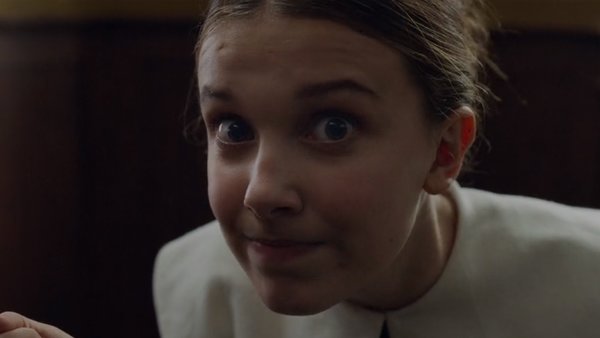
Just about everyone with a subscription to the global juggernaut that is Netflix were simply champing at the bit to see what Millie Bobbie Brown, Henry Cavill and Sam Clafin would bring to the table in the eye-catching mystery flick that was Enola Holmes. Well, everyone except the estate of Sir Arthur Conan Doyle, that is.
With this footage dropping on the inter-web, so too did the spotlight back on a lawsuit that had been first filed in June against Netflix a few months before the film's release. The core of the estate's lawsuit centred around Netflix apparently violating copyright by showing the iconic Sherlock Holmes to be having emotions. Yep, you read that right. And said grievance was on show for the world to see in Cavill's smirking and chuckling Sherlock in the aforementioned trailer.
This is due to the fact that the estate felt this element of Holmes' character was only developed in tales from 1923-1927, and the copyright to said tales not expiring around the time the earlier stories had a few years earlier.
Some months after Enola Holmes would prove to be a popular hit on the streaming service, the estate of Conan Doyle's lawsuit was finally dismissed. The estate also sued 2015's Mr. Holmes over their prized character, though, with that lawsuit claiming that Miramax had infringed on stories that remain under copyright being settled a few months on from its release.
2. The Movie Isn't Actually Anything Like Fast And Furious - Drive

In another instance of a film not exactly providing what it supposedly said on the trailer tin with its eventual finished product, here's that time the Ryan Gosling-starring Drive drove one particular fan around the bend upon sitting down in a cinema.
According to a Michigan resident by the name of Sarah Deming, this film had actually been framed as a Fast and Furious-esque speeding action flick in its trailers, claiming in her statement that Nicolas Winding Refn's Drive "bore very little similarity to a chase, or race action film ... having very little driving in the motion picture".
Going further, Deming would go on to claim that the eventual flick she saw also "substantially contained extreme, gratuitous, dehumanising racism directed at members of the Jewish faith, and thereby promoted criminal violence against members of the Jewish faith". And some five years on from filing the suit in 2011, Deming's lawyer would bring forward another lawsuit claiming that Refn, actor Albert Brooks, Sony, Netflix, Amazon, Apple, Google, and AMC, were all in on a large conspiracy together.
At least Deming has likely been more than satisfied with Vin Diesel's petrol-pumped output in the years since 2011, but that still won't give her those 100-minutes of unexpected neo-noir back.
1. Lack Of Ana De Armas In Finished Film Infuriates Fans - Yesterday
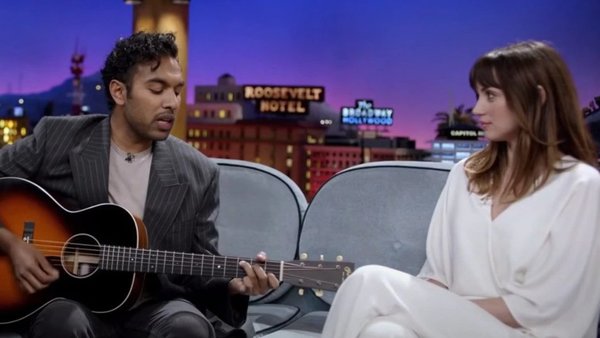
You'd be forgiven for assuming that it'd be pretty darn impossible to find any reason to moan about Danny Boyle's heartwarming ode to all things The Beatles that is 2019's Yesterday. But 2022 only went and kicked off with one of the most unexpected lawsuits in recent movie history.
Ana de Armas superfans Conor Woulfe and Peter Michael Rosza simply could not wait to see their favourite star strut her stuff in Boyle's Beatle-memory-wipe blast after witnessing her presence in the film's trailers in the lead-up to watching the flick. So, you can imagine their all-round shock and horror when it soon became clear that the Trainspotting director had opted to cut Armas' love interest storyline from the finished film entirely.
The lawsuit eventually filed by Woulfe and Rosza would label the advertising used to sell Yesterday as "false," "deceptive" and "misleading", and claimed that they would not have actually paid the $3.99 required to rent the flick had they known she wouldn't be appearing.
Throwing some shade at Armas' one-time-co-stars Lily James and Himesh Patel, the suit also claimed their fame wasn't substantial enough for Universal to "rely on to maximize ticket and movie sales and rentals," meaning they had to bring Armas in to appear as a way of boosting the film's popularity.
With the two plaintiffs seeking $5 million in compensation for all the affected fans and customers who have found themselves in a similar situation, 2022 has gotten off to a weird old start on the big screen legal front indeed.