5 Simple Reasons Why Marvel Is Hollywood's Biggest Studio
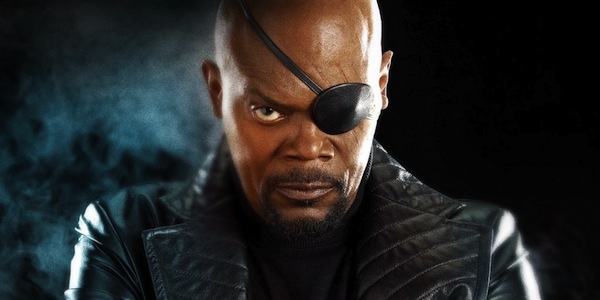
 It's incredible to think that the Marvel Cinematic Universe only began five years ago with the first Iron Man. A post-credits cameo by Samuel L Jackson's Nick Fury left fans all over the world with only two words on their mind: 'Avengers Initiative'. As we all know, since then the MCU has gone from nothing but strength to strength. Phase One saw a sequel to Iron Man, rebooted The Incredible Hulk, introduced Captain America and Thor to cinema audiences and culminated in the unprecedented success of The Avengers, which broke box office records around the world on its way to become the biggest film of all time that wasn't directed by James Cameron. Phase 2 also started with a bang as Iron Man 3 became the 5th highest-grossing movie ever, and strong reviews ahead of its opening next week indicate that Thor: The Dark World will continue the studio's run of smash hits. At the time of writing, the Marvel Cinematic Universe has generated over $5 billion in box-office revenue, making it the third biggest franchise of all time behind only Harry Potter and the 50-year-old James Bond series. With that in mind, this article will take a look at the reasons that currently make Marvel the most successful movie studio in the entire industry.
5. There's Been A Plan All Along
 At the turn of the century, the superhero genre really caught fire with Marvel's characters right at the forefront. The moderate success of the R-rated Blade in 1998 saw there was an audience for superhero movies, while the success of X-Men in 2000 really started the ball rolling. Then of course came Spider-Man in 2002, which grossed over $800m worldwide and smashed numerous box office records along the way. Following this, Marvel characters began making the jump to the big screen with increasing regularity; along with second and third entries in the X-Men and Spider-Man series, Daredevil, Hulk, The Punisher, Elektra, two Fantastic Four movies and Ghost Rider were all released between 2003 and 2007 to varying degrees of success. Seeing the potential for success in the superhero genre, it was announced in 2005 that Marvel would begin self-financing and producing movies under the Marvel Studios banner with the characters they had available. Previously the studio had licensed their biggest names out to the likes of 20th Century Fox and Columbia Pictures, but now believed the time was right to take control of their own projects. And of course, make a lot more money in the process. It is Hollywood after all. Plans were made as far back as 2006 to create several individual movies to establish the characters and familiarize them with audiences, before building to what was billed as a 'crossover' movie. Names floated by the studio included Iron Man, Thor, Captain America, Doctor Strange and Ant-Man. To longtime fans, it became clear that an Avengers movie was on the way. Marvel announced in April 2006 that Iron Man would be the studio's first independent movie, budgeted at $140m and set for release on May 2, 2008. The Marvel Cinematic Universe had finally set the wheels in motion.
4. Each Movie Has A Different Feel

3. They Know How To Choose The Right Director

2. The Casting Is Spot-On
Along with continued success in choosing the right directors for their projects, Marvel also have a knack when it comes to casting. Whereas the studio are more than willing to change director to suit their creative vision, the acting talent are generally secured on lengthy multi-picture deals. Unless your name is Terrence Howard or Edward Norton, of course. It's hard to imagine now, but the casting of Robert Downey Jr. as Iron Man was highly scrutinized when it was first announced due to the actor's well-publicized past battles with alcohol and substance abuse, as well as his numerous stints in rehab. In his blockbuster debut Downey Jr. made Tony Stark his own, creating one of the most popular and iconic movie characters of a generation, making the actor one of the world's biggest movie stars. Chris Evans initially turned down the role of Captain America no less than three times before signing a six-picture deal, worrying that accepting the part would see him typecast. This casting also caused some controversy amongst the fan community as he had already played the Human Torch twice in the Fantastic Four series, but these doubts were quickly dispelled following the release of The First Avenger. Chris Hemsworth was an unknown struggling to break into Hollywood when he was cast as Thor in May 2009, and carried the movie with a blend of physicality, charm and charisma that instantly made him a household name. Similarly, Tom Hiddleston was in the same boat when he was cast as Loki, before going on to become one of the most popular characters in the Marvel Cinematic Universe. Samuel L Jackson signed a nine-picture deal to appear as Nick Fury and deliver exposition as only he can, Scarlett Johansson is a suitably sultry Black Widow, Mark Ruffalo became the definitive big-screen Hulk in an ensemble movie, and Jeremy Renner is... just kind of there as Hawkeye. And let's not forget the glue that holds the MCU together; Clark Gregg's Agent Coulson. Even outside of the main Avengers, the Marvel Cinematic Universe also has recurring roles for Don Cheadle, Gwyneth Paltrow, Stellan Skarsgard, Idris Elba, Anthony Hopkins and Natalie Portman. A list of actors that have appeared in previous Marvel movies is also hugely impressive; Jeff Bridges, Tim Roth, William Hurt, Mickey Rourke, Sam Rockwell, Tommy Lee Jones, Hugo Weaving, Guy Pearce and Sir Ben Kingsley to name but a small few. Not to mention upcoming appearances by the likes of Robert Redford, Anthony Mackie, Benicio del Toro, Djimon Honsou and Vin Diesel. Wow.1. This Guy Knows What He's Doing
 Ten years ago, not many people had heard of Kevin Feige. Now he's one of the most important people in Hollywood thanks to the unprecedented success of the Marvel Cinematic Universe. Less than five years after the studio announced plans to finance and distribute its own movies, Disney shelled out a cool $4 billion for the company. As current President of Production for Marvel Studios, Feige is the man that oversees everything to do with the MCU and recently revealed he would remain on board at least until the end of Phase 3. It seems easy to forget after 5 years, 7 movies and $5 billion in box office, but nobody in Hollywood had ever attempted an undertaking of this scale before; establishing an interconnected movie universe over several individual franchises that culminated in all of them coming together in the same movie. It was a gamble all right, and one that paid off spectacularly. Despite a reputation for being notoriously difficult to negotiate with, a trait that saw Terrence Howard and Edward Norton recast before further discontent following the success of The Avengers (when the likes of Jeremy Renner and Mark Ruffalo earned $2m apiece to Robert Downey Jr's astronomical $50m), Feige isn't what Hollywood would call 'a meddler'. Yeah, he makes sure that the movies adhere to the Marvel template and follow canon but the directors are usually left to their own devices. Now the MCU is rapidly expanding; the Marvel One-Shots are self-contained stories that offer insights into the smaller moments in the Marvel mythology, the Agents of S.H.I.E.L.D television series follows the agency as they investigate superhero-related cases around the globe (and teases the mystery of just how Coulson is back from the dead), while lesser-known heroes including Black Panther and Doctor Strange are in active development. In the wake of this success, others are attempting to jump on the Marvel bandwagon; following the collapse of DC's Justice League movie, it was announced that Batman would appear in the sequel to Man of Steel in an attempt to create a shared DC Cinematic Universe, Bryan Singer's X-Men: Days of Future Past will feature a massive cast in a sequel to both the original trilogy and 2011's reboot First Class, The Amazing Spider-Man series seems to be building towards a Sinister Six storyline, while even notorious hacks Roberto Orci and Alex Kurtzman are attempting to shepherd Universal's stable of iconic monsters into what they call a 'shared universe'. I wonder where they got that idea...