5 Things BAFTA Got Right That The Oscars Won’t (And 5 Things Oscar'll Do Better)

BAFTA good, Oscar bad (and vice versa)
Last night saw the 68th British Academy Film (BAFTA) Awards ceremony take place at London€™s Royal Opera House, and as the winners were announced, the results turned out as predictably as most any ardent cineaste or even casual film-goer would expect. Boyhood took Best Picture, Best Director and Best Supporting Actress (for Patricia Arquette), while The Grand Budapest Hotel and The Theory Of Everything also won big, taking eight awards between them.

There were, however, one or two shocks, as there inevitably always are. Some of these BAFTA choices seemed directly opposed to what AMPAS (the Academy of Motion Picture Arts and Sciences) will probably go for on February 22nd, with a few happy nods that confirmed BAFTA€™s role as champion for British film.

There were also, just as predictably, some unpleasant surprises amidst the great ones, a few of which will almost certainly be corrected by the Academy in a couple of weeks€™ time.

Who knows just what dictates the thoughts of voters responsible for marking the ballots and the organisers responsible for how the night goes, but the biased majority controlling which way the awards go and producers who just aren€™t sure what the audience wants often makes for a head-scratchingly unexpected event. This list hopes to correct some of those wrongs made by BAFTA last night, as well as ones expected to be made by Oscar later this month.


What BAFTA Got Right (Where The Oscars Will Fail)

5. Recognition For Jack O'Connell
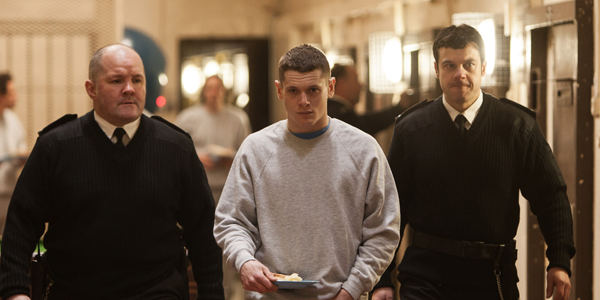
In 2014, Jack O'Connell gave four very different performances in four very different films (that's Starred Up, 300: Rise Of An Empire, '71 and Unbroken, all in one year). The Derby actor's been on the radar of anyone interested in promising up-and-coming thesps for a while now, but O'Connell's win, for Rising Star, at last night's BAFTA ceremony confirmed what enormous talent he'd shown already at the age of just 24. Starred Up and '71 were too indie to ever get any recognition at the Oscars, while Unbroken unfortunately turned out to be no awards darling but a respectfully dreary WWII drama and biopic. This meant that O'Connell's outstanding work in all three would go unrecognised by AMPAS in 2015. Not so by BAFTA. Though the Rising Star Award is voted for by the public, the ceremony nonetheless gave O'Connell some much-deserved airtime when it was announced in front of his peers and viewers at home that his incredible year wouldn't go totally unrewarded by the mainstream.

4. Keeping The In-Between-Awards Fluff To A Minimum

With host and notorious waffler Stephen Fry toning down the usual opening diatribe and a live performance by Midlands rockers Kasabian kept mercifully short, the BAFTAs felt straightforward and largely fluff-free this year. Minus the glitz of the typical Oscars ceremony, the 2015 BAFTAs kept its focus on the awards, with the evening appearing brisk without much in the way of unnecessary padding. Compare this to the Oscars, which is always so full of padding (chats with the audience! Pizza orders! Interpretive dance numbers!) that the awards come to seem like an afterthought. Expect the Oscars to be no different this year, as the producers responsible for the show continue to throw more at the Oscars ceremony wall in the hope that new ideas for the show will bring in viewers. Viewers who really only care about who wins and who loses in the first place.

3. Whiplash Winning Technical Awards

Somewhat surprisingly, Damien Chazelle's Oscar wildcard Whiplash was one of the big winners last night, taking one (OK, not so surprisingly) for J.K. Simmons in Best Supporting Actor, as well as one for Best Sound and another for Best Editing. Anyone who's seen Whiplash will know it earned those technical awards (along with the award for Simmons, who's happily the current Oscar favourite for Best Supporting), but you can bet it won't even get a whiff of the technical categories at the Oscars. At the Oscars, campaigning is the name of the game. A lack of successful campaigning is why Selma was almost forgotten this year, while a big push for both American Sniper and The Imitation Game (backed by Oscar chieftains the Weinsteins) is the reason why these two fairly unremarkable films have infiltrated so many of the categories. Whiplash, in comparison, is a small film that no one really expected to make it to the Academy Awards this year at all, and it's up against stiff competition for tech awards. It'll be a big night for indie cinema if Whiplash takes three at the 2015 Oscars as it did at the BAFTAs, but don't count on the film overcoming the expensive campaigns put into action by Hollywood's surest producers.

2. Honouring Mike Leigh

Feted at Cannes last year, Mike Leigh's Mr. Turner was an early awards favourite that ran out of steam long before awards season came around. That Cannes win for Best Actor for Timothy Spall? Pah! Not even a nomination for Best Actor at the BAFTAs for his titanic turn, with Benedict Cumberbatch's default placing in every Best Actor line-up this awards season replacing one legendary British actor doing his best work out in favour of the new people's favourite operating on cold, ticcy autopilot. The Oscar nominations this year have been just as kind to Mike Leigh's Mr Turner as the BAFTA noms - which is to say not very at all - but there was at least one positive to take from last night's BAFTA event. Receiving the BAFTA Fellowship award at the very end of the night, Leigh saw his legacy as one of British cinema's brightest, most inventive stars go recognised after all.

1. The Lego Movie Winning Best Animated Film
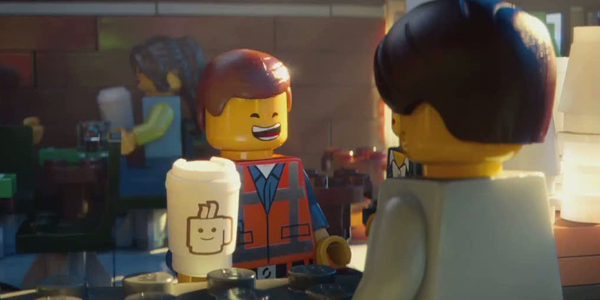
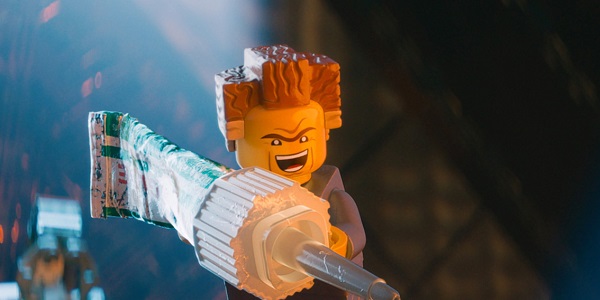
Some still haven't gotten over The Lego Movie's wholly unpredictable snub at this year's Oscars, and BAFTA voters can apparently count themselves among those people. In what seemed like a deliberate two fingers up to the Academy (or, you know, simple recognition that it was just the best animated film of last year?), BAFTA last night awarded the Best Animated Film award over to The Lego Movie's directors, Phil Lord and Chris Miller. Knowing full well that a lack of a nomination means zero chance of winning Best Animated at the Oscars (obviously), Lord and Miller accepted their BAFTA for The Lego Movie by claiming this was their "favourite academy ever". It was a rare moment of the BAFTAs rewarding the most deserved, as opposed to simply following the crowd and paving the way for the Oscars later in February.

What The Oscars Will Get Right Where BAFTA Failed

5. Some Recognition For Selma, However Small

When it was revealed that Ava DuVernay's Selma - which once appeared to be a major awards frontrunner - was almost completely shut out at this year's Oscars, there was immediate talk of a conspiracy over at AMPAS. How did this universally acclaimed Martin Luther King bio, released at a time when race as well as conflict between the state and people of colour was back all over the news, fail to get anything other than two nominations? One of those nominations, it should be pointed out, is for Best Original Song, hardly ever anything more than the consolation category. Still, the fate of Selma at the 2015 Oscars looks a damn sight better in comparison to its fate at this year's BAFTAs, where it was nominated in zero categories, including no nomination for Brit David Oyelowo, particularly surprising considering BAFTA so often favours homegrown talent. At the Oscars, Selma will at least have the stamp of Academy approval - it can now count itself alongside such greats as Taxi Driver and Citizen Kane, as a film nominated for Best Picture that probably should have won, but didn't.

4. Dawn Of The Planet Of The Apes Won't Lose To Interstellar For Best Visual Effects

Chris Nolan's Interstellar is a fine-looking film, especially in its space-set sequences; the journey through the wormhole alone may have proven transcendent enough to dazzle BAFTA voters into awarding it the Best Special Visual Effects prize. But what director Nolan prides himself on is keeping the effects within his films as practical as possible, doing as much as he can in-camera as opposed to mostly manipulating the image in post-production - a lot of the ships featured are so-called 'maxatures', giant miniatures built by the film's craftsmen, while the interiors are largely physical sets. Dawn Of The Planet Of The Apes, on the other hand, features a main roster of characters that are entirely done in motion capture, with the apes drawn in CGI by technical wizards. While Interstellar features some great moments that are done primarily via CGI, Dawn Of The Planet Of The Apes lives and dies by its ability to keep characters made on the computer (after the mo-capped actors did their notable work on-set) relatable and convincing. Expect the Academy to correct BAFTA's mistake, and reward the film that is at the forefront of current technology.

3. There'll Be A Better Host

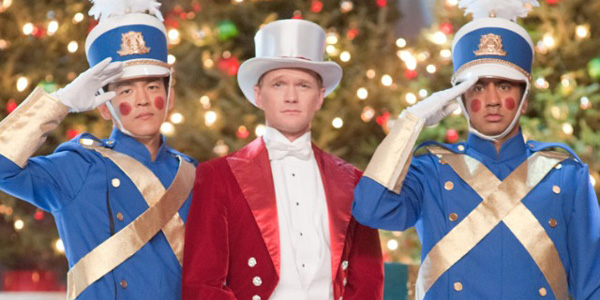
Stephen Fry has become a fixture of the BAFTAs, acting as host a total of ten times overall as of this year. Which would be great, if Fry didn't use each BAFTA ceremony as a kind of platform to show off new jokes (which aren't very funny), his wit (which isn't all that witty) and the sheer depth of his knowledge (check out that vocabulary). Frankly, Fry's become a bore for BAFTA, with the comedian and presenter possibly reaching his nadir this year when he impersonated Stephen Hawking by doing a robot voice (no, really). And who do you have over at the Oscars this year? NPH. That's right, Neil Patrick Harris, who's become one of the best-loved kind of meta-performers working in Hollywood, will be following up successful stints as host of both the Emmys and the Tony Awards by bringing it to the Academy. After Ellen DeGeneres brought some shine back to the ceremony in 2014 after years of awkwardly received Oscar hosting, Harris should continue the trend of keeping it light, warm-hearted and classy.

2. A Screenplay Win For Birdman Over The Grand Budapest Hotel

The Grand Budapest Hotel took the most BAFTA prizes home this year - five, in total - including richly deserved nods for Best Original Music, Best Production Design and Best Costume Design. It's the lavish detail in Wes Anderson's latest that stands out, as it almost always does, even beyond the performances of its exceptional cast. With that said, the film's screenplay would have undoubtedly had a lesser impact if it had been directed by any other filmmaker - the Grand Budapest script by Anderson and Hugo Guiness is a template via which Anderson can apply the decoration and craft the environment, but it's by no means a masterpiece of screenwriting. The immense and thematically dense screenplay for Birdman, in contrast, seems like it would have worked in any director's hands. Superior to the Birdman screenplay still is Dan Gilroy's script for Nightcrawler, but seeing as that doesn't stand much chance of winning, Birdman is the next best of the bunch up for Best Original Screenplay this year. It'd be a worthy winner, and it seems likely that Oscar will dish out the prize accordingly.

1. Michael Keaton Taking Best Actor Over Eddie Redmayne

In Alejandro Gonzalez Inarritu's gritty meta-fable about life as an ageing celebrity, Michael Keaton gives the performance of a lifetime. That's literally, because Keaton plays a Hollywood star past his prime that once made a dent as Birdman in the hit films of the same name, before he faded into relative obscurity after exiting the role - if it sounds familiar, it's because the part so reflects Keaton's own trajectory. It's almost impossible to imagine any other actor playing it. Until recently, Keaton was the basically certain winner of Best Actor at virtually every awards ceremony going. Until, that is, Eddie Redmayne somehow came out of nowhere to start gaining notice for his work in The Theory Of Everything. Redmayne isn't bad as Stephen Hawking in The Theory Of Everything by any means, but there's a reason Keaton was the frontrunner for so long - this is the part he was always destined to play, after years of coasting low in the cinematic wilderness. Following months of awards ceremonies handing the same statuettes to the same people, a backlash always comes late in the game, quite probably just as a way to make things more interesting, but Keaton shouldn't lose out at the Oscars as he did at the BAFTAs for that reason alone. Do you agree? What else did the BAFTAs get right that the Oscars won't, and vice versa? Let us know in the comments below.

Contributor
Contributor

Lover of film, writer of words, pretentious beyond belief. Thinks Scorsese and Kubrick are the kings of cinema, but PT Anderson and David Fincher are the dashing young princes. Follow Brogan on twitter if you can take shameless self-promotion: @BroganMorris1