7 Remarkable 1970s Thrillers That Still Hold Up Today

Cinema in the 1970s marked a dramatic shift in how films were made. A level of independence was granted to writers and directors that was unheard of during the studio system. The thrillers during this decade dealt with themes such as alienation and isolation, with characters forced into moral quandaries without knowing whom around them they could trust.
The 1970s gave us many memorable, gritty crime thrillers, shot on location as opposed to soundstages, giving them a realism that audiences had not seen before. While Alfred Hitchcock reined with stylish thrillers during the 1950s and 1960s, the 1970s ushered in an element of realism to the thriller that a crop of brash and creative young filmmakers pushed to the limits. The result? Audiences were treated to films that in many cases could not be made in the Hollywood of today. Weve taken seven thrillers from the 1970s that were remarkable for their time and hold up pretty good today. From creepy to disturbing to thought-provoking, these are films that should be on every movie buffs watch list.7. Play Misty for Me (1971)
 Director: Clint Eastwood Cast: Clint Eastwood, Jessica Walter
6. The Conversation (1974) Director: Francis Ford Coppola Cast: Gene Hackman, John Cazale. Robert Duvall Between The Godfather and Apocalypse Now was The Conversation. Francis Ford Coppolas 1974 film is still worth checking out. Its a film that takes its time. It moves methodically, paying as much attention to character as to plot. The Conversation features an engaging and offbeat performance by its lead actor Gene Hackman, who plays a surveillance expert who records a conversation by two people in a public square who are there in order to avoid being eavesdropped upon. The set up and execution of the mere recording of this conversation is fascinating and compelling filmmaking. John Cazale is Hackmans partner and Robert Duvall is the client. At its heart The Conversation is about a moral dilemma. Is there a murder in the works? If so, who? The Conversation takes its audience on Hackmans journey in deciding between his duty as a surveillance expert and his own conscience. Can he stand idly by while someones life is taken? Like Play Misty for Me, The Conversation has a dark, raw feel to it. Its less stylized than Coppolas Godfather or Apocalypse Now, but more intimate and personally engaging. Coppola plays on the emotions of the viewer so well that there are times when the audience becomes uncomfortable watching Hackman, knowing what he knows. Throw in a terrific and unexpected ending and you have a film that delivers in spades.
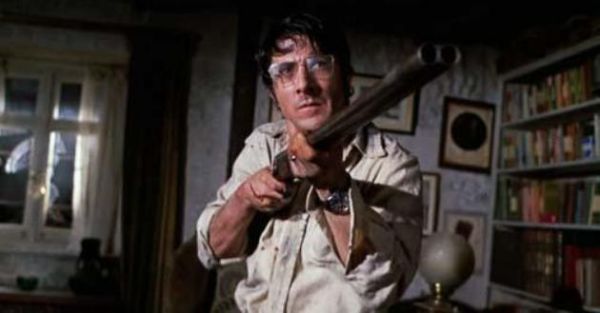 Director: Sam Peckinpah Cast: Dustin Hoffman, Susan George, Peter Vaughn

Director: Robert Wise Cast: Anthony Hopkins, Marsha Mason
Audrey Rose is a chilling, well-executed film about a young girl suffering from reincarnation; Hopkins is a father who tracks down his supposed reincarnated daughter. Theres something disturbing in Hopkins performance. Its creepy, and makes us uncomfortable. As outrageous as the scenario seems to Audreys parents, Hopkins is convinced that the girl is truly is child taken from him in death. Hopkins manages a terrific performance. At times he seems threatening, and creates a sense of unease and dread on the screen, while at the same time he manages to remain sympathetica grieving father who truly believes his daughter has been reincarnated. As Hopkins forces himself onto this distressed family, we realize that nothing good can come of this. Director Robert Wise is no slouch. A competent director with an impressive resume, he creates a film that engages his audience by slowly and methodically drawing them into the story and its characters. Audrey Rose is not a great film, but its a good one, and it benefits from fine performances by its cast. And the film remains one of those worthy of remembering.3. Coma (1978) Director: Michael Crichton Cast: Michael Douglas, Geneviève Bujold, Richard Widmark Directed by Michael Crichton (author of Jurassic Park) from a novel by Robin Cook, Coma is the story of a doctor played by Geneviève Bujold who uncovers a twisted plot, headed by a surgeon played by Richard Widmark, to harvest organs from healthy patients who are intentionally placed in a coma and rendered brain dead. The organs are sold to the highest bidder. Michael Douglas is her doctor boyfriend. But can he be trusted? Coma serves as a precursor for more contemporary films like Outbreak and Contagion. The success of the film benefits from both Cook and Crichton, whose written works have been carefully crafted with scientific possibility to create socially relevant thrillers. Coma was adapted by A&E television in 2012. If you enjoyed that miniseries, do yourself a favor and treat yourself to the original.

Director: Nicholas Roeg Cast: Donald Sutherland, Julie Christi
Donald Sutherland and Julie Christi play a couple whose daughter drowns, and they move to Italy where Sutherland works on restoring an old church. Christi makes an acquaintance of a blind medium who tells her that she is in contact with the deceased child, and Christi believes her. Then things get weird. Really weird. But we wont spoil anything for you, will we? The film is shot on location in Venice. But not the picturesque Venice of romance movies. This Venice is dark, corrupted by secrets and a serial killer on the loose. Its a labyrinthine maze that serves the film as almost a character as opposed to just a setting. The location shoot lends a stark authenticity the film. The ending is one of the creepiest, most disturbing of any thriller made during the 1970s. It holds up now, forty years later.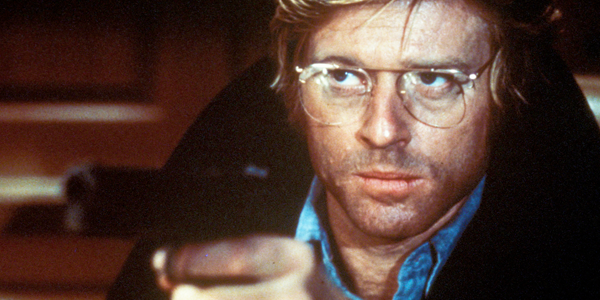
Director: Sydney Pollack Cast: Robert Redford, Faye Dunaway, Cliff Robertson, Max Von Sydow, John Houseman
Three Days of the Condor features a stellar cast, an accomplished director and a first act that propels the story into a thrilling tale of espionage and betrayal. Robert Redford is not a Hollywood version of a CIA agent in this one. Hes a literary guy who reads espionage thrillers for the Company and writes reports about plots and technology present in these books. But when his entire section is wiped out, Redford is on the run and suspects that perhaps his bosses at the CIA dont have his best interests in mind. He takes a woman (Faye Dunaway) hostage, and holes up in her apartment while he endeavors to figure things out. It is then that Redford discovers that there is a CIA within the CIA. Condor is an intelligent thriller, marked with excellent performances, a taut script and the extraordinary direction of Sydney Pollack. Both Redford and Dunaway were superstars at the time, and Condor remains an important film in their filmographies and easily deserves a place among the great thrillers of the 1970s.