8 Devious Ways Movie Posters Trick You Into Seeing Terrible Films
Jonathan Ross once massively praised Batman Forever just so he could be on a VHS cover. Yes, that happened.
It's a scene we've all starred in at one time or another. You're strolling through a DVD store, browsing Amazon or deciding what to catch at the cinema when a film catches your eye. It has unbelievably glowing reviews - a plethora of four and five stars adorn the poster alongside quotes from esteemed critics singing its praises. So why not give it a go?
You know where it goes from here. You naively watch the film only to find out it's a steaming pile of disappointment, leaving you asking how any real, professional reviewers could give such positive write-up to such a terrible film? Well, most of the time they probably didn't.
The distributors of these terrible films have made an art out of twisting what the critics say into marketable lines that can be plastered over trailers, posters and DVDs with nary a care for if that's what the reviewer ever intended. No doubt a key motivation for general audience's growing mistrust of the conventional critical body (their only exposure to their reviews is often through these ads), it only serves to hurt the industry, making endorsement a rather flat treat.
Today we're going to bust the case right open, looking at eight ways movies twist what the critics say so you unwittingly hand over your cash to see terrible films. You'll never look at posters in the same way again.
8. They'll Quote Anything
The practice of quoting reviews on posters comes with an obvious drawback; quotes only become available once the film has been released and the critics have had their opportunity to have their say. This naturally is a pain for studios as it doesn't nothing to help grow the hype building up to release. Which is why they go through all the pre-release coverage of their film and pick whatever statement suits.
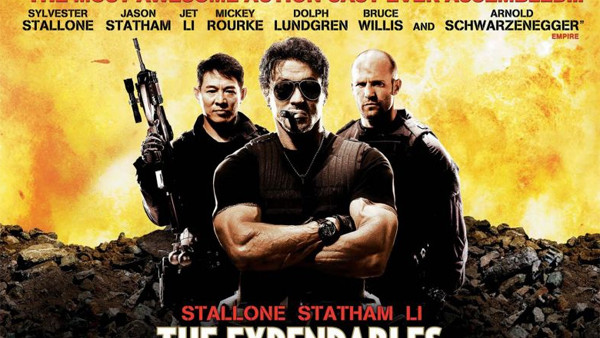
And as most on-set features tend to be written on the optimistic side of things so as to keep things amicable between press and filmmakers, there's plenty to choose from. When The Expendables hit in 2010, it came adorned with the glowing praise from Empire, "The most awesome action cast ever assembled..." - which is pretty high praise from the massive movie magazine. That is until you realise it's a quote from an article that featured in the magazine months before release. Of course Stallone, Statham, Li etc. are an impressive action cast - the bloke down the pub could tell you that.
The same thing happened when YahooMovies called Man Of Steel "the most anticipated film of the year," which was deemed praise enough to get masthead appearance on the poster.
7. They Make Bold Claims With No Source
If a distributor can't find a pre-release article that gives you a positive view on your film in ten words or fewer, things can get desperate. Or rather, more creative. Few people actually check the validity of claims made on the posters or DVD covers, so why don't they say whatever the hell you want?
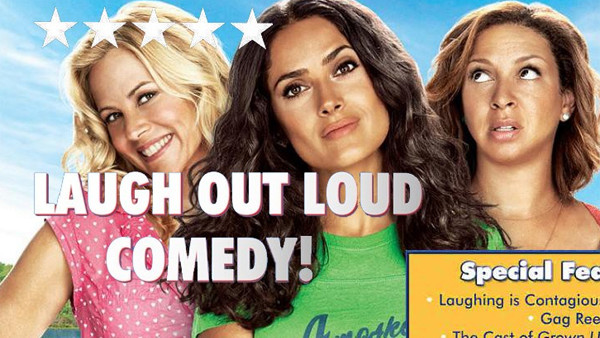
This is what allowed the first Grown Ups DVD to ship with five stars and "laugh out loud comedy!" plastered on the back. There were no references for this rating or claim, suggesting Columbia (who we'll see later have done much more devious things in the past) have just plucked them out of thin air.
This isn't just reserved for the critically despised sub-genre of gross-out comedy either. It's a common little trick for an uncredited five star rating to be whacked directly below a genuine quote; it looks like that same critic gave a full score when they didn't. Heck, even Disney did this with the universally adored Frozen. In a trailer that came out a month before its Thanksgiving release the studio called it "the greatest animated Disney event since The Lion King". Now it may be true, but it's still very leading.
6. Heavy... Use... Of... Ellipsis
The ellipsis is a quoter's best friend. Allowing vast swathes of text to be cut down to just the key points, it rears its head in the boosting of a bad film by allowing questionable film reviews to become glowing endorsements with a few simple cuts. Say a reviewer praises a film's acting in one paragraph and in the next disses the script before commending the fight scenes. Then you've got the ready made poster quote "superb acting ... great action."
It's distributors working at their most underhanded. They're not twisting the truth directly - the critic did praise these elements - but in presenting only select good elements they create the illusion of an overall positive critical appraisal. The thing is, as annoying as it is to see, at the end of the day it's not lying, which is so prevalent in the other examples, so this is actually one of the best methods of deceit.
Or rather, "ellipsis ... not twisting the truth ... one of the best."
5. Critics Lie Just To Get Quoted
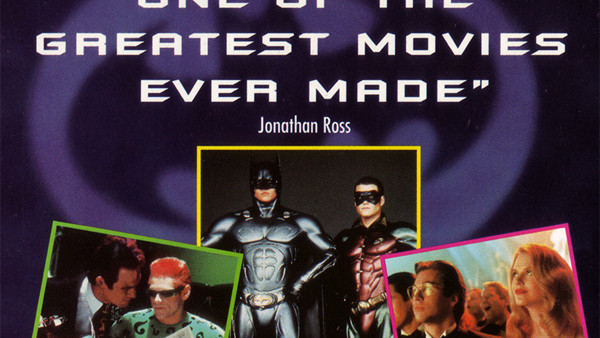
We've seen the lengths studios will go to give their film a sheen of quality, but it's worth remembering movie poster quotes work both ways. If a critic's name ends up on the poster, they're guaranteed a big ego boost and higher profile. Which naturally draws people who will forsake their integrity in place of their name being mixed in with an inferior film's marketing. Any review that brings with it any "... of the year" quote is likely baiting this, particular if it comes before December (i.e. the end of the year).
The nadir of this practice came twenty years ago, all as the result of a seemingly-innocent bet. There was a time when Jonathan Ross masquewaded as a film cwitic, presenting the BBC's Film programme for a whopping eleven years. But a lot of his opinions fell on deaf ears to many; he'd thrown any respect out of the window when he dubbed Batman Forever "One of the greatest movies ever made." However, rather than a genuine endorsement, this all stems from a bet he made with his brother Paul Ross to see who could get published on the VHS of a film first.
4. They Present Sarcasm Literally
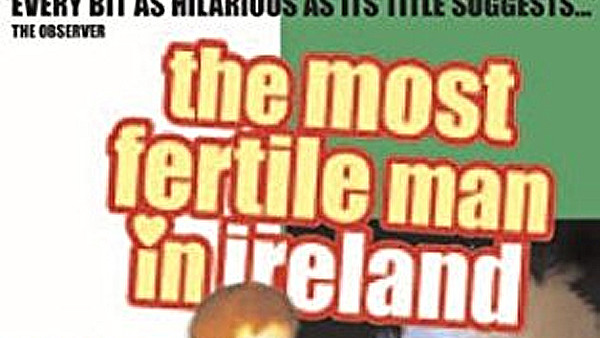
At what point does it matter what a quote on a poster actually says? If it's being used by a distributor to sell their product it has to be a positive appraisal, right? Thus is the thinking here, where someone gave up looking for a good quote and instead tried to extract praise from extreme criticism. A film so minor it doesn't even have its own Wikipedia page (seriously), The Most Fertile Man In Ireland came and went with nary a notice back in 2001.
Its only claim to fame is not the gravitas (or lack thereof) Kris Marshall brings to the role of a twenty-something-virgin with super-sperm, but the way distributor Samson Films twisted a scathing review by Mark Kermode into positive publicity. The DVD (now out of distribution for some reason) came adorned with shining endorsement from Britain's most trusted critic, who was credited on the box as saying it was "as funny as the title suggests". Now the more astute of you will have noticed the little logic-gap with this; the title isn't funny. Giving the film a panning in The Observer, Kermode's throwaway comment had been twisted, probably as it was the least awful review Samson could find.
3. They Quote Out Of Context
You may think that all these crazy methods we've seen come about because there's some sort of rule forbidding distributors from turning derogatory quotes ("this film is not a masterpiece") into overwhelming praise ("a masterpiece"). Well you'd be wrong. Making review writing into a game where critics with integrity have to carefully write an accurate, entertaining appraisal of a film that can't be twisted into something else, there's little regulation on movie advertising. Just like trailers can completely misrepresent a film, a snippet from a scathing review can be reproduced in a positive light.
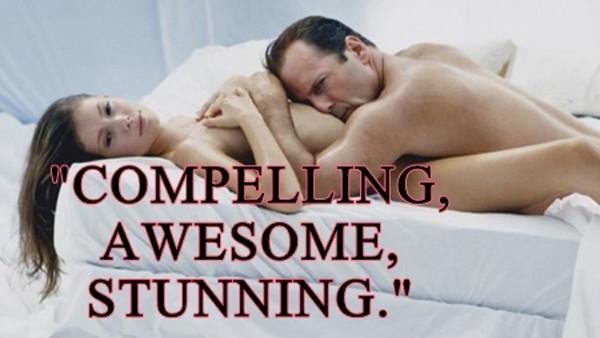
A great example is that of Trevor Johnson's grubbing of Color Of Night, an erotic thriller which he summarised as "Compelling, awesome, stunning, Bruce Willis' latest crime against cinema is a special kind of bad." You can no doubt see where this is going; the film arrived boasting the quote "compelling, awesome, stunning". An extreme version of the ellipsis seen earlier, this is not just picking choice quotes, but using them completely out of context. Technically the reviewer really did say those words in relation to the film, but at these extremes it raises the ethics of all this tinkering.
2. They Quote Anyone Who Says Something Remotely Positive
When a movie comes adorned with a collection of 4 or 5 stars, before rushing to your nearest multiplex it's good practice to see where the reviews actually come from. There is, after all, a certain element of dubiousness that hangs around positive reviews from tabloids; why would The Daily Mail suddenly develop integrity in the Film section? But while this creates an equality between the most esteemed critic and derided hack (everyone's opinion is questioned), at least they're all professional critics who have some quantified knowledge in the area and aren't just being picked from comments on internet forums.
Except when they are. Bottom-drawer, straight-to-video horror is rife with this sort of thing; The Human Centipede poster mixes in mainstream critics and some basically unheard of websites. It's so prevalent here it's actually been parodied in the most low-brow of ways. For people who thought that Alfred Hitchcock's classic The Birds had a few too many shots of real birds, there's Birdemic. Boasting all the acting skill and tight narrative you'd expect from low budget schlock, the film has become somewhat of a cult classic as one of the worst films of all time.
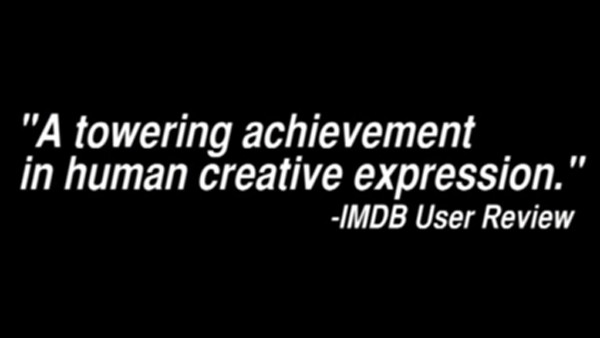
Say what you want about the full feature, but there's no denying its marketing was actually pretty smart (at points). The trailer was fully aware of the low-quality nature of the whole thing, so when it ran its endorsement quotes there was, in amongst Entertainment Weekly and Bloody Disgusting, a pretentious snippet from an IMDb review. Easy to take literally on first viewing, it's a (misplaced) attempt at how reviews from increasingly ridiculous sources get quoted.
1. They Completely Make-Up Critics
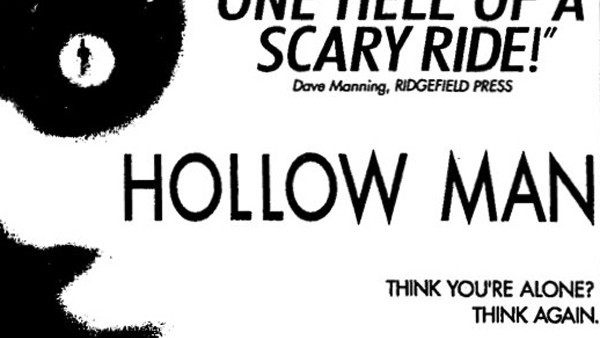
Most of the time quotes are attributed to their individual publications, but with some critics' names speaks bigger than their newspaper ever could. Names like Roger Ebert (such a personality that a good chunk of his fanbase will have never checked out the Chicago Sun-Times), Mark Kermode (whose rants can rack up hundreds of thousands of views on YouTube) and David Manning.
Wait, who?
David Manning came when distributors realised they were twisting the words of real critics to the point where it wasn't a massive leap to just make up praise. In the summer of 2001 Manning, allegedly writing for regional paper The Ridgefield Press, gave glowing poster quotes for all of Columbia Pictures films, no matter their quality. With such gems as "The producing team of Big Daddy has produced another winner" adorning Rob Schneider's otherwise derided The Animal, people quickly realised something was up. Eventually exposed as a product of desperate executives, Sony (who own Columbia) ended up paying back the ticket cost for customers who had been duped by Manning.
If that in the end sounds like a happy ending, with the deceiving company getting their comeuppance, consider this; Sony ended up paying out $1.5 million, a fraction of what the films Manning endorsed took (they all made healthy profits), while the high-profile case has done nothing to slow the other forms of lying we've already seen.
-
Which films have been the worst offenders of misleading quotes? Are there any other tricks we've missed off? Let us know down in the comments.