8 Filmmakers Who Had "Creative Differences" With Marvel Studios

Is directing a Marvel Studios movie not worth the trouble?

Each Marvel Cinematic Universe movie has made anywhere from $263 million to $1.5 billion at the worldwide box office. In other words, if there is a sure thing in the movie business these days, it's a Marvel movie. One might think that every film director would leap at the chance to direct a Marvel Studios movie. However, though filmmakers are used to having a large measure of creative control over their projects, directors of Marvel movies don't have the final say over the films they work on. In reality, the overall direction of the MCU is up to Kevin Feige, president of Marvel Studios, and he is responsible for the overarching story of the franchise. Because of that, Feige and other executives at Marvel Studios often take heavy-handed approaches to the writing, directing, and editing of Marvel Studios movies. This has led to numerous filmmakerss stepping away from Marvel movies, sometimes just weeks before filming is scheduled to start. Other directors finished their projects with Marvel, but have decided against working with the studio ever again. Despite the MCU recently becoming the highest-grossing film series of all time, the lack of creative freedom has soured many filmmakers on signing up to direct a Marvel Studios film. The following eight directors all told Marvel "No thanks" at some point when it came to working on an MCU project.

8. Drew Goddard

Drew Goddard is a frequent collaborator with Avengers and Avengers: Age Of Ultron director Joss Whedon, so it wasn't a surprise when Marvel Studios announced in December 2013 that Goddard would be the executive producer and showrunner of Daredevil, the first MCU Netflix series. A week later, Sony announced that Goddard would write and direct a spinoff movie in its Spider-Man movie universe about the villain team the Sinister Six. After a few months it appeared that Goddard was unable to do both, and Goddard gave up his Daredevil showrunning duties. Fellow frequent Whedon collaborator Steven S. DeKnight took over as showrunner. However, Goddard was still credited as the show's creator and executive producer as well as for writing the first two episodes. Shortly before Daredevil premiered, Sony and Marvel announced a deal that would not only bring Spider-Man into the MCU, but also cancel plans for a Sinister Six film in favour of rebooting Spider-Man as part of the MCU. Though Goddard was in the running to direct the Spider-Man reboot, he was ultimately not hired. DeKnight has been replaced as showrunner for Daredevil season two by Doug Petrie and Marco Ramirez. Outside of again serving as executive producer, Goddard appears to be uninvolved creatively with the second season. Somehow Goddard ended out of two creative jobs involving Marvel characters.

7. Jalmari Helander

Unlike other directors on this list, Jalmari Helander has never actually been involved in the production of a Marvel Studios movie. That's because in interviews Helander has done in his native Finland he has said that he turned down Marvel Studios' offer to direct an unnamed MCU movie. Though not as well known as other Marvel Studios directors, Helander made his name directing short films, television commercials, and the 2010 horror comedy Rare Exports: A Christmas Tale. His second feature, 2014's well-received action movie Big Game, stars MCU regular Samuel L. Jackson. It's likely that's how Helander landed on Marvel's radar. In those interviews Helander explained that he turned down Marvel because at the moment he prefers to work on his own projects from his own scripts, and (rightfully so) he does not believe that he would have control over the final product of a Marvel Studios movie as he has had on his past two features. From that standpoint, it makes sense for Helander to be cautious about working with the notoriously strict studio.

6. Jon Favreau

Joss Whedon gets most of the credit as the director who built the Avengers, but Jon Favreau is the director who laid the foundation of the MCU with Iron Man and Iron Man 2. After having extraordinary creative freedom on Iron Man (the film did not even have a finished script before shooting began), Favreau felt micromanaged on the sequel. Marvel insisted that he make the movie a setup for The Avengers at the expense of footage developing the film's primary villain, Whiplash. As a result, Favreau passed on the opportunities to direct The Avengers or Iron Man 3. Reportedly, Favreau was also unhappy with the money Marvel was offering him after he directed two box office hits for the studio. Many believe that Favreau's indie film Chef -- about a talented chef who isn't allowed to create his own menu at his restaurant and quits to rediscover his passion by cooking in a food truck -- is a thematic reflection of his real-life issues with Marvel. Favreau still appeared in Iron Man 3 as his character Happy Hogan and served as an executive producer of The Avengers, Iron Man 3, and Avengers: Age Of Ultron. However, he has yet to take another directing gig with Marvel even though his sensibilities would be perfect for the Spider-Man reboot.

5. Louis Leterrier

The Incredible Hulk is often thought of as the "forgotten" MCU movie, mainly because it was the least successful at the box office of the franchise by a significant margin and because Ed Norton, who played Bruce Banner/Hulk, was replaced by Mark Ruffalo for the Avengers movies. Not only did he star in the movie, but Norton was also deeply involved in the production side of The Incredible Hulk. Norton did uncredited revisions of the screenplay and assisted director Louis Leterrier with editing the film. That is where problems arouse between Marvel Studios and Norton and Leterrier. Marvel insisted that the film be under two hours and end with a one minute scene featuring Tony Stark, while Norton and Leterrier preferred a 135 minute cut with more flashbacks to Hulk's origin. Of course, Marvel won out and the released version is 112 minutes that includes very little about the Hulk's origin. Upset by this, Norton did minimal promotional appearances for the film and the brunt of the promotion fell on the shoulders of Leterrier despite him also being dissatisfied with the final cut. Although he was a good sport about promoting the film, Leterrier hasn't been invited back to the Marvel Studios clubhouse since. It's doubtful that he would be considered to direct an Incredible Hulk sequel if one ever goes into production anytime soon.

4. Ava DuVernay

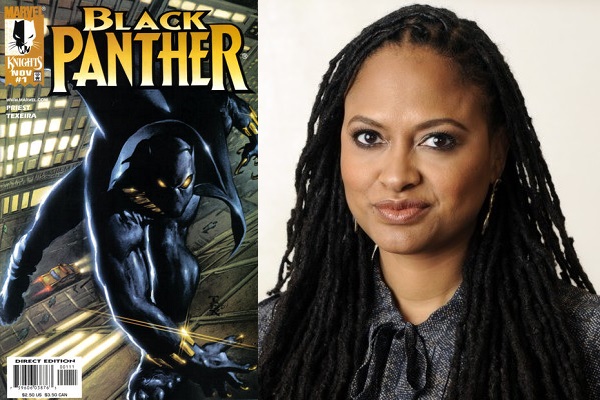
Selma director Ava DuVernay has been outspoken about there being far too few female and minority directors working on Hollywood features. In July 2015, it was announced that DuVernay was in negotiations with Marvel Studios to direct 2018's Black Panther. Had she accepted the job she would have been both the first woman and the first person of African descent to direct a Marvel Studios film. Appropriately, Black Panther is Marvel's first black superhero character. With DuVernay, Marvel would have had a skilled filmmaker working on a lesser-known minority character's movie and also would have scored positive press by embracing diverse filmmakers. However, it was not to be. Just over a week after the discussions news was reported, she revealed to Essence that she passed on the opportunity because "we just didn't see eye to eye." Though she was very complimentary of Marvel, possibly as a nod to other directors who departed Marvel projects she added, "Better for me to realise that now than cite creative differences later.€ Still, it was very surprising to see how quickly DuVernay went from being Marvel's top choice to taking herself out of the running for a job she clearly wanted. Regardless, Marvel has yet to announce a director for Black Panther.

3. Patty Jenkins

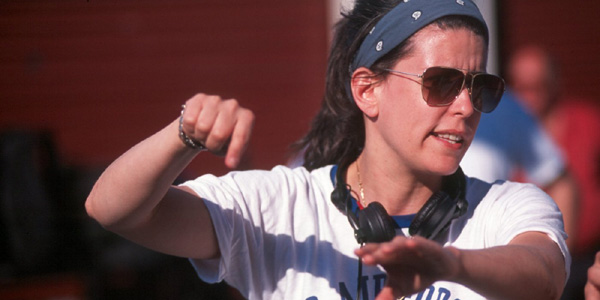
Initially, the Thor series was marked by its creative selection of directors. For example, Shakespearean director Kenneth Branagh was selected to direct Thor, and star Natalie Portman signed on primarily to work with him. However, Branagh decided against directing the sequel Thor: The Dark World because he would only have a limited timeframe to complete the project. Monster writer/director Patty Jenkins was then selected to direct the film, which Portman enthusiastically supported. However, two months after signing to direct Jenkins left the film over "creative differences." Reportedly, Portman was furious and attempted to leave the movie, but her multi-film contract with Marvel had her locked into the sequel. Jenkins released a statement saying, "I have had a great time working at Marvel. We parted on very good terms, and I look forward to working with them again." Unsurprisingly, Jenkins hasn't worked with Marvel since. Instead, Jenkins will direct Wonder Woman for Warner Bros., which she landed in after filmmaker Michelle MacLaren left Wonder Woman because of (what else?) "creative differences." Guess that issue isn't limited to the MCU!

2. Alan Taylor

When Patty Jenkins vacated the Thor: The Dark World director's chair, Oz and Game of Thrones director Alan Taylor was hired to replace her. Though Taylor finished the film, of all the filmmakers who have had creative disputes with Marvel, Taylor has been the most outspoken.Taylor has since said in several interviews that while shooting the film went well, Marvel Studios mostly ignored him during the editing process. In particular, Taylor has criticised the first half of the film's reliance on exposition and was unhappy that many scenes which involved the primary villain Malekith were cut. Taylor has also made sure to point out that he did not direct the mid-credits sequence that set up Guardians of the Galaxy, often dismissing it as something added without his knowledge because he thought his post-credits sequence would be the only coda (in fact, he did not even know who directed the mid-credits sequence sequence). Taylor has expressed interest in assembling a director's cut of Thor: The Dark World, but because he has been so public about his dissatisfaction with Marvel it's unlikely he will work with the studio on anything else anytime soon.

1. Edgar Wright

This one really hurt. Shaun of the Dead and Hot Fuzz director Edgar Wright has long expressed his desire to direct a film based on third-tier Marvel superhero Ant-Man. Wright and his writing partner Joe Cornish were hired by Marvel to work on the film in 2006 and spent eight years developing it, even shooting test footage that was extremely well-received by fans. However, this was before Marvel was attempting to create an all-encompassing movie universe. Originally, Wright's Ant-Man wasn't even supposed to be connected to the Avengers series. Wright cast the film, including hiring popular comedy actor Paul Rudd as Ant-Man. Naturally, with the huge success of the MCU Marvel Studios wanted to include the film in its multibillion dollar franchise, and it appears that led to Wright's exit due to "differences in their vision of the film." Fans were heartbroken, and even Whedon tweeted his support of Wright. Longtime Rudd collaborator Adam McKay was then asked to direct, and though he and Rudd did a rewrite of the script McKay also passed on directing. Peyton Reed, who hadn't directed a feature since 2008's Yes Man, was taped to direct just two months before filming started. Wright and Cornish still received writing and "story by" credit and Wright was also credited as executive producer, but the Ant-Man that Marvel released is far different than the movie Wright spent a decade trying to make. Do you side with Marvel Studios or the directors in these creative disputes? Tell us your thoughts in the comments!

Contributor
Contributor

Chris McKittrick is a published author of fiction and non-fiction and has spoken about film and comic books at conferences across the United States. In addition to his work at WhatCulture!, he is a regular contributor to CreativeScreenwriting.com, MovieBuzzers.com, and DailyActor.com, a website focused on acting in all media. For more information, visit his website at http://www.chrismckit.com.