8 Movie Characters Whose Revenge Was Way Over The Top

Were these dishes served a bit too cold?

Revenge is a compelling theme in motion pictures for one reason and one reason alone: retribution is innately cathartic. Watching somebody who has been wronged as they attempt to get even with the person or organisation that has turned their life upside down is something that plays to a strange human instinct for justice. Audiences get a genuine kick out of the notion of revenge - an extension of our own hidden desires. €œRevenge is a dish best served cold,€ goes the ancient proverb. But is it possible to serve said dish a little too coldly? According to the following movies, absolutely! Whilst many revenge movies feel fairly even-handed as their characters seek pay back against those who have betrayed or acted against them, there are some movie characters that probably took the idea of vengeance a little too far - to the point where it€™s a tad uncomfortable to watch if you happen to have a decent set of morals. Take the following movie characters, for example, many of whom are famous for unleashing cold, bloody satisfaction. Though they were certainly entitled to seek out revenge, one could most definitely make a case for overkill in these specific cases. Looking back on said movies in retrospect, did they take things a tad too far? Do be warned: there are major spoilers for all movies mentioned in this article...


8. Richard - Dead Man's Shoes

Dead Man's Shoes is a movie about a disillusioned and somewhat psychotic soldier who returns to his hometown to seek revenge on those responsible for the death of his disabled brother. And the emphasis here is on the word "responsible," because the men who Richard seeks to destroy did not directly murder the victim in Dead Man's Shoes. That's not to excuse their awful behaviour, nor is it to play down with they did. After all, Richard's brother, Anthony, was mentally unfit, and it was indeed their constant bullying that finally led him to hanging himself. But Richard's tour-de-force of bloody revenge might have been a step too far, given that the gang didn't actually intend for Anthony to die. Eternal jail sentences for the lot of them? Absolutely. They're the worst kind of human beings. Horribly murdered, one by one, by an unstable veteran? Probably a tad too far, given the circumstances - especially since a lot of acid was involved in the incident.

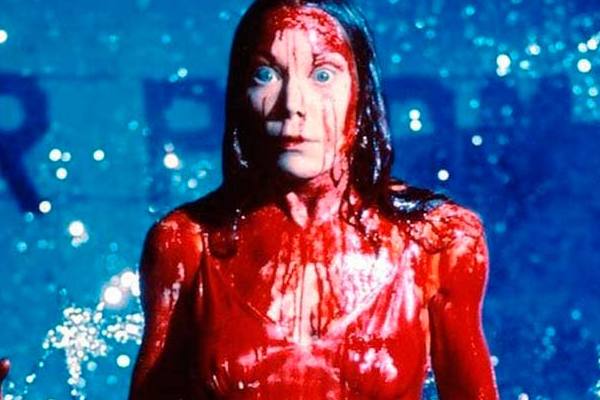
7. Carrie White - Carrie

Carrie tells the story of a young girl who - whilst going through puberty - awakens psychic powers she cannot control or fully understand. At the end of the movie, during prom, Carrie finds finds herself embarrassed to death when she realises she's been the butt of a long joke, and - covered in pig's blood and exacting her revenge - she locks everybody in the school gym, sets a hose on them, starts an electrical fire, and kills almost everyone. Most of whom were innocent, by the way. Yes, the iconic scene at the end of Stephen King's novel turned film is supposed to be tragic, and audiences are under the impression that Carrie - in a fit of rage - is unable to fully comprehend what she's doing. But through said rage must still know what's happening, and that innocent students who weren't even in on the prank will die. No, she wasn't entirely to blame, but a lot of people who were not actively involved in bullying or making fun of Carrie ended up burned to death. Bit of an oversight, that.

6. Michael J. "Jay" Cochran - Revenge
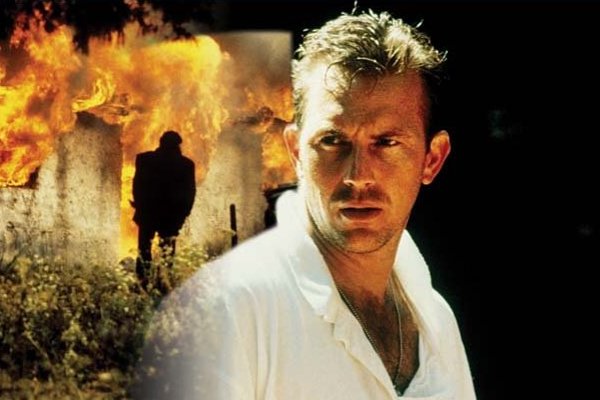
This movie actually the balls to call itself "Revenge," so it's a tad surprisingly than its vengeance-based plot feels a little at odds with the title. The plot concerns Kevin Costner's vastly unlikeable protagonist, one Michael J. "Jay" Cochran, a former U.S. Navy pilot, who is invited by his criminal friend, Tibey (the first weird plot point of the film), to vacation at his house in Mexico. Tibey is a ruthless, dangerous and powerful crime lord, but Jay saved his life once, so what the hell, right? The plot kicks into gear when Jay falls in love with his friend's wife, Miryea, and proceeds to have a sort of affair with her - right on Tibey's land. Tibey eventually finds out about it, beats Jay within an inch of his life, and sends his wife off to live in a whorehouse somewhere. Then the movie asks audiences to buy into the idea of Jay's revenge. And it's difficult to do that, because everything that has happened is entirely Jay's fault. Why did he get entangled in such a bizarre romance in the first place? Why did he betray his friend? How do you feel sympathy for a man who doomed himself in the dumbest way possible? So when Jay returns to rescue Miryea and take on Tibey, his revenge - that is, killing everyone involved in the incident - seems ridiculously drastic and ill-judged. Tibey was a crime lord - what did Jay expect to happen?

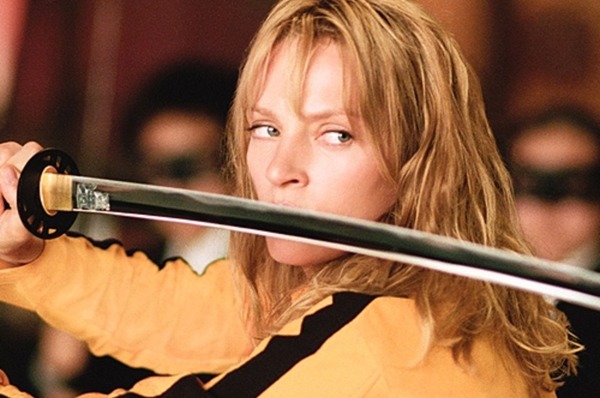
5. The Bride - Kill Bill

You can kind of understand why the Bride went so revenge crazy across the span of Quentin Tarantino's Kill Bill movies, given that she was shot in the head and left for dead on her wedding day - not to mention she was pregnant at the time, and was under the impression that her unborn child had been murdered in the process. So the Bride's beef was with pretty much everyone involved with her former mentor and lover, Bill - namely her associates over at the Deadly Viper Assassination Squad. To exact her revenge, the Bride makes a list of names - if you happened to get in her way as she sought out bloody satisfaction upon each name, chances are you ended up either dead, maimed or unable to speak. It really was - as the movie advertisements claimed - a "roaring rampage of revenge." But did she take things a little too far? Perhaps. Think on it: it makes sense that she kills everyone who shot up her wedding, but there are questionable moments scattered throughout - like when the Bride murders Vernita Green in front of her child, or slaughters countless sword-wielding Yakuza members in the House of Blue Leaves. Surely there was a way to ensure only the right people died? When you consider that, ultimately, she was after a single person, it's kind of OTT - she murders at least 33 other human beings in an attempt to reach him. Then again, that's presumably the point: Tarantino wanted to make the ultimate revenge flick, after all.

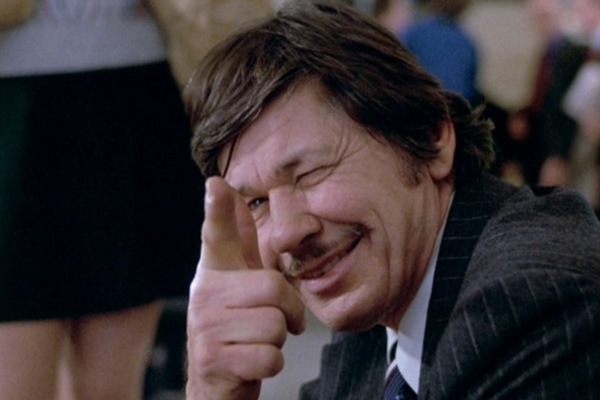
4. Paul Kersey - Death Wish

Death Wish tells the story of a vigilante named Paul Kersey, played by Charles Bronson, who takes to the streets in an attempt to rid Manhattan of petty criminals after his wife is murdered by thugs, and his daughter is sexually assaulted. And yet his target is never those who killed his wife, but random thugs on the street who pose a threat to others. Kersey assumes the role of a kind of revolver-wielding Batman character, except he actually goes through with the killing of his victims. At one point in the movie, Paul even sets up situations that he knows will draw criminals to him, just so he can shoot them - like walking around with lots of visible cash so that they purposely target him. The point of Death Wish is that Paul gets addicted to his own vigilantism, of course, but as an act of "revenge," he goes about things in the wrong way entirely. He channels his anger through the killing of people who don't necessarily deserve to die - as revenge movies go, then, it offers a highly skewered portrait of "getting even."

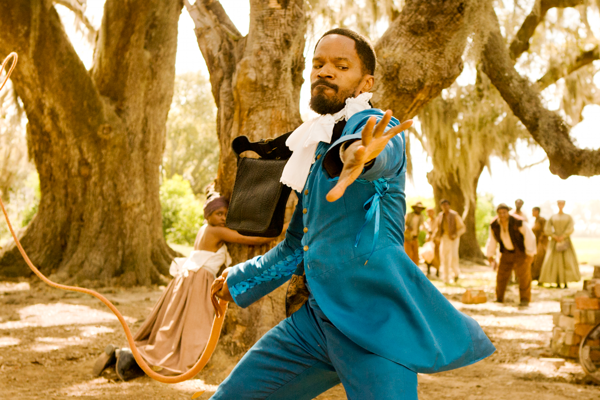
3. Django - Django Unchained

There are few movie characters who deserve to get their revenge like Django Freeman, a former slave turned bounty hunter in Quentin Tarantino's spaghetti western Django Unchained. And for the sum of the movie, audiences are behind Django all the way as he seeks vengeance on those who kidnapped and tortured his wife. But there is a questionable moment towards the end of the film, in which Django - sold to a mining company - tricks three employees into giving him a gun. Django's intention here is to return to the very house where his wife is still locked away, so he convinces the mining company guys that he can get them a load of cash. Stupidly, they believe their prisoner and one of them even offers Django his gun. Django then murders all three of them in cold blood with said gun. Now, these men aren't really certified villains; they're just doing their job. And even if said job involved transporting slaves to the mining company, they weren't noticeably horrible to Django - nor did they do anything bad to him directly. And yet he kills them all. It seems a little nasty on Django's part - a moment of odd mean-spiritness from a heroic character. Then there's the scene afterwards, in which Django shoots an unarmed Lara Lee Candie, who may or may not have deserved to die, depending on how you look at it.

2. John Wick

At its most fundamental level, the Keanu Reeves action revenge flick John Wick is a motion picture about a man who goes on a seemingly endless killing rampage because somebody murders his dog and steals his car. Of course, the dog stands for something more than a dog within the context of the movie - it's a gift from John Wick's recently deceased wife, something she arranged to be sent to him after she has passed away. As a result, hurting said dog is like hurting his wife... which leads John on a path of bloodshed that results in the deaths of dozens of people. Yes, you understand his grief, and given that Wick is a former assassin, his reaction isn't exactly shocking. But when you consider that John Wick is essentially a movie about a man murdering loads of people because his dog died... well, his reaction to said incident seems a little over-the-top. Not that you'd say that to the man's face, of course.

1. Bryan Mills - Taken

Taken - and Liam Neeson's character, Bryan Mills - has come to define the "dadsploitation" genre - movies about aged fathers who will stop at nothing to protect their kids. But stop for a moment to question whether Mills really needed to act how he did. Mills' daughter, Kim, has only been captured when he begins his campaign of hell towards anybody or anyone who may or may not have spoken to her since she flew to Paris. She's not dead and hasn't been notably injured. And yet Mills is killing people the moment he steps off of the plane with little to no real picture of the situation at hand. To say that Mills acts irrationally... well, that's a bit of an understatement. As Mills continues after Kim across the span of the movie, his tolerance for human life lowers drastically - you'd think, by the way he acts, that Kim was already dead. He stops at nothing to exact "revenge" where full-on revenge isn't really necessary. This includes shooting an innocent woman (and the wife of a police officer) in the arm, just 'cause. By the time Mills catches up with Kim, he's murdered countless Albanian goons and ripped Paris to shreds. Kim is fine, by the way; shaken up, of course, but nothing all that bad has happened to her in the few days between her leaving home and arriving in Paris. And all those dead people - many of whom were probably just sad and desperate. The point is that a father will do anything for his daughter, but Mills verges on villainy.

Contributor

Sam Hill is an ardent cinephile and has been writing about film professionally since 2008. He harbours a particular fondness for western and sci-fi movies.