9 Deleted Scenes That Totally Change How You View Famous Characters
Yoda's a lot more devious than you thought.

There's few things in movie fandom more alluring than deleted scenes. A little glimpse at what might have been, they're a window into a creative process that reveals how, even with a great script, A-List cast and trouble-free shoot, whether or not a film will be any good is in flux until the edit is well under way.
The thing is, despite the allure, deleted scenes are actually pretty pointless. They're small moments that don't impact the wider story enough to be ultimately considered important to the film as a whole. That is, after all, why they were cut. If they had a positive effect on the film, then they wouldn't be left on the cutting room floor/editor's recycle bin, destined for a life in DVD bonus features and YouTube compilation videos.
Although that's not always the case. Sometimes things aren't cut because they aren't necessary, but because if they made it to cinema screens they'd have altered the movie in major ways. Unbelievable as it may seem, short, minute-long sequences can completely change the pacing of the plot, representation of overlying themes or, as these nine examples prove, how a character comes across. Prepare to see your favourite heroes in a very different light.
9. Wolverine And Storm Kiss - X-Men: Days Of Future Past
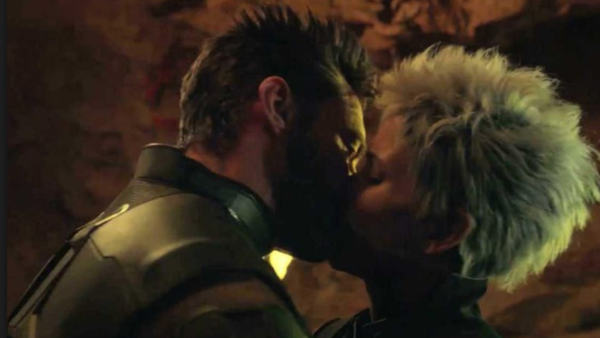
The Deleted Scene: With so many characters and story threads accrued over the past decade-and-a-half, it's not all that surprising that mega franchise clean-up X-Men: Days Of Future Past has its fair share of deleted scenes. Most prominent is an entire subplot involving Rogue, although that's nothing compared to this short moment near the start of the film.
The team explain to Logan the ramifications of rewriting history, including a token line from comic future mutant Bishop, and, once everyone's slinked off, Wolverine and Storm get to share one last kiss. Wait, what?
How It Changes The Character: Let's just repeat that. Wolverine. And Storm. Kiss. Where the Hel did that come from?
OK, so in the comics it's been more of a thing, with certain fan-groups obsessed with the pair ending up together, but in the movie universe it's a very out there reveal; Logan's only ever been into Jean Grey and the pair's had zero chemistry. Magneto working with the X-Men was probably a big enough shock for casual fans, explaining why it was cut.
Still, not only does it shed some light on what happened to Wolverine between his second stand-alone movie and the dystopian future, but it also adds an additional layer of sacrifice to his one-way mission.
8. Draco Switches Sides - Harry Potter And The Deathly Hallows - Part 2

The Deleted Scene: The final Harry Potter film changed quite a bit from J. K. Rowling's book, transplanting and removing key dialogue scenes and boosting certain supporting characters to greater prominence. This scene sees the movie diverge even more from the source, with Draco Malfoy, the guy who's been making Harry's life hell since they were eleven, suddenly turning his back on Voldemort and throwing Harry his wand during the climactic battle.
Turns out nobody's born evil. Well, unless they were conceived while under the effects of a love potion.
How It Changes The Character: Draco has always been destined for dark things - his last name literally translates as bad faith in French - and in the books the culmination of that is him rejecting being a stooge to the Dark Lord like his father and instead treading an average middle-ground (he still sticks somewhat to tradition though, naming his son Scorpius)
This scene would have pushed that so much further, to the point where he doesn't just forsake evil, but actively embraces good. Tom Felton's fans would have been swooning (more so).
The scene itself was probably deleted less because it reevaluates a fan-favourite character, however, and more because it doesn't make any sense. The implications of this is that Harry now has control of Draco's wand, and by extension the Elder Wand, but that's a plot point that has already been established.
7. Woody Shows His True Colours - Toy Story
The Deleted Scene: As you'd expect, things in Toy Story hit their lowest ebb at the end of the second act, with Woody trapped in an upturned crate and a now self-aware Buzz strapped to The Big One, ready to be blown sky-high in a couple of hours. Just before the pair try to escape, the cowboy finally loses it, diving into a tirade against the down-beat space ranger, angrily blaming him for the current situation.
How It Changes The Character: The original version of Toy Story was a world away from the finished film, with Woody less someone forced to face changing times and more a bullish !*$% who repeatedly abuses Buzz just because he's new. This was changed when Pixar realised that even with the voice of Tom Hanks those traits can't be excused, but clearly some elements of the nasty, vindictive Woody almost made it into the finished film.
The Woody who pins all the blame on Buzz and struggles to accept his own problems in this scene is very much in line with that snarky early version. Sure, given the circumstance it's understandable he'd not keep calm, but it sees him going deeper and angrier than at any other point in the series; unlike in later movies, he's been totally self-serving.
6. The Lizard Tells The Untold Story - The Amazing Spider-Man

The Deleted Scene: As well as searching for Uncle Ben's killer and trying to deal with petty crime, the Peter Parker of The Amazing Spider-Man is driven by the mystery surrounding his parent's disappearance. A deleted scene showing a three-way showdown between Spidey, Lizard and Dr. Ratha would have provided some resolution to that plot thread instead of leaving it for the second film; the spider that bit Peter was genetically modified by his father to only react to Parker DNA.
The scene itself has never been seen (and given that the franchise is now over, it likely never will), but information was pieced together by disgruntled fans from the trailers that pushed this story angle before Sony re-edited the movie to better set up a sequel.
How It Changes The Character: Every character involved in this scene is vastly improved. Dr. Ratha is killed, meaning he doesn't just disappear halfway through the film without a trace, and Peter's arc has some actual development. Although it's the Lizard who benefits the most, becoming more than just a snarling mad scientist.
The Amazing Spider-Man was very much in the vein of Batman Begins, dedicating much of its runtime to the origin story. But whereas the finale of Nolan's film was directly tied into the birth of Batman, Marc Webb's just gives up and provides a typical pesudo-high stakes CGI fest which has little relevance to Peter's emotional state. Having the Lizard be more than just his father's friend, however, would link the third act to the main story momentum.
5. Smaug And Sauron Are Already Working Together - The Hobbit
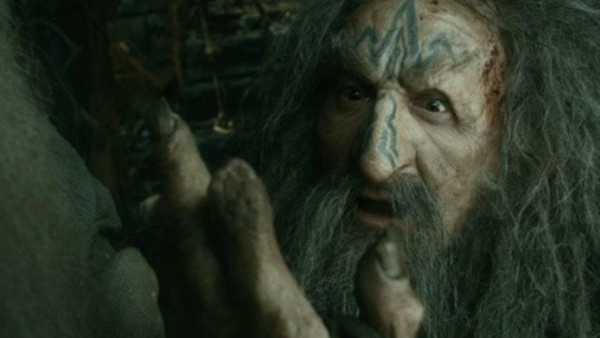
The Deleted Scene: Even though its total runtime is just shy of eight hours, there's still a lot of footage cut from The Hobbit Trilogy that's reinserted into the obligatory Extended Editions. And, surprisingly, some of the additions improve the films. There's a lot of extra time spent with the dwarves in An Unexpected Journey (which has the nice side effect of actually making them more distinct characters), but the most notable moments come from The Desolation Of Smaug.
Before being captured by the Necromancer, Gandalf comes across Thráin II, Thorin's father, at Dol Guldur, who reveals the true danger of the Dwarf company's mission - Smaug is already in league with Sauron.
How It Changes The Character: A lot of time was invested in making The Hobbit feel relevant to the greater The Lord Of The Rings story, with Ian McKellen stumbling through exposition to paint The Battle of the Five Armies as something more important than it is, Lee Pace all but winking the camera when referencing Aragorn and half the cast of the originals popping up irrespective of if they're actually in J.R.R. Tolkien's first book.
Yet here is a legitimate link between the two trilogies that feels organic within the narrative - Gandalf's big fear, that the dragon and the Dark Lord are in cahoots, is already realised. It's a twist on the lore, but at this point what hadn't been changed? Suddenly Smaug is more than just Benedict Cumberbatch growling.
4. The Engineer Speaks To Weyland - Prometheus
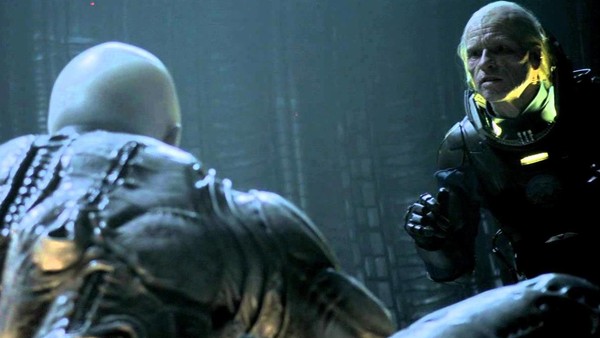
The Deleted Scene: The scene where the crew of Prometheus finally confront their creator is cut incredibly short in the movie when the space jockey starts using Michael Fassbender's head as a club, but as originally shot it runs much longer. David and the Engineer have a proper exchange and, in the ensuing cross-species discussion, it's revealed the team don't really care about why humanity was created (despite Shaw's pleas) and are instead trying to find a way to live forever. It still doesn't end well, of course.
How It Changes The Character: That scene makes the Engineer, who has a pretty ambiguous motives beyond hating humans, a little more understandable - his creations view themselves as his equal - but the person this really sheds light on is Weyland.
In the film proper he's unnecessarily confusing. Revealed to be on the ship in something of a twist, he just hobbles about for a bit before getting killed, a narrative decision made all the more strange by him being Guy Pearce in heavy makeup (something that seems to have only been done to allow for some admittedly nifty promo videos).
With this extended death scene, however, the CEO's motives are laid bare - he views himself as a God and is desperate for immortality, a God's right. Now there's something to be said for the film leaving some things for the audience to work out themselves, but this is so essential to the film's themes it's ridiculous it was cut.
3. Nero Is Interrogated By Klingons - Star Trek
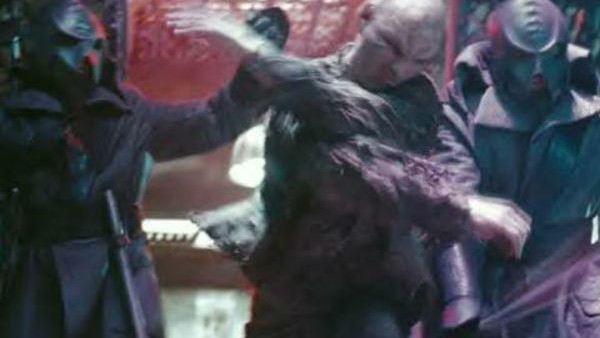
The Deleted Scene: This deleted scene takes a look at the other side of the Star Trek reboot's story; while Kirk was being a bit of a nuisance on Earth, Nero was being held in a Klingon prison, being interrogated about his time travelling exploits. This pre-empts that particular reveal in the finished movie, but makes up for it by giving a taste of how formidable Eric Bana's character really is.
How It Changes The Character: It's pretty hard to get over the presence of Klingons - they were one of the notorious absentees from the first film of the reboot - but if you can, then this scene is a pretty impactful one.
A big question looming over the Romulan's plan in the final movie is what he spends his time doing in the decades between first travelling back in time at Kirk's birth and enacting his plan when Kirk's old enough to stop him. By simply existing, this deleted scene explains that problem away, providing a coherent narrative for him before picking up Leonard Nimoy.
But beyond that, it actual goes to some lengths to make the villain actually relatable. Spock Prime's speech about Nero's drive did that to some degree, but here the audience is shown, rather than told, just what the character's been through.
2. Captain America Struggles To Adjust - The Avengers
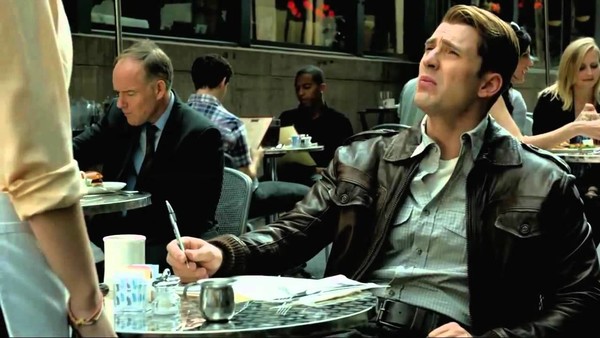
The Deleted Scene: Steve Rogers isn't in the best place when The Avengers kicks off. Newly defrosted, he's got seventy years of change to adjust to. An alternate re-introduction to the character in Joss Whedon's geek-gasm would have explored the variety of that, seeing him discover many of his friends were dead, be overwhelmed by modern New York and realise he's totally inept at flirting.
How It Changes The Character: The end of Captain America: The First Avenger was one of the Marvel Cinematic Universe's biggest gut punches, the classical hero thrown out of his era and left longing for his hard-fought for date. The Avengers, unfortunately, side-stepped that with a couple of quick shots of angry punching before dropping the entire element of the character. When contrasted to Hulk, Black Widow and Iron Man, who all get proper introductions, it feels like gramps is getting shafted.
This scene would have corrected that, investing some time in rationalising the Avenger who's in the most complicated place emotionally (being completely alone is harder to grasp than anger issues). Captain America: The Winter Soldier would eventually touch on this key element of the character, joking about the amount of pop culture he's missed and seeing him reunite with Peggy Carter, but it could have been done much sooner.
1. Yoda Confesses - Return Of The Jedi

The Deleted Scene: There's something mythical about Star Wars deleted scenes. Luke meeting Biggs in Anchorhead, Echo Base's Wampa problem and the Imperial politics on the second Death Star are legendary, thanks in no small part to being endlessly dissected in the decades before YouTube made actually seeing them easy.
Less talked about, however, is this one; an alternate take of Yoda's death. The Jedi Master takes a lot longer to die than in the finished film, talking more about Vader's identity and revealing he forbade Obi-Wan from telling Luke the truth.
How It Changes The Character: Before his self-imposed exile at the end of Revenge Of The Sith, audiences had never really seen Yoda admit his flaws. This brief admission of guilt humanises the character ahead of time and opens up the possibility of Luke being a Jedi on a similar level.
The extra dialogue also works to better touch on an oft-overlooked element of Episode VI - the conflict within the Jedi. In the end, Luke isn't just taking on the Emperor when he tries to redeem Vader - he's going against the beliefs of his mentors, who fully think that Anakin is dead, replaced by the evil of Vader.
But, besides all that, it exonerates Obi-Wan. The hasty retcon in Return Of The Jedi to explain all the erroneous talk about how great Anakin was pre-reveal has always sat a bit iffy with fans, but now Ben's not a senile old fool or a blatant liar. Instead, he's simply working on his master's orders.
Which other deleted scenes completely change famous characters? Share any that were missed down in the comments.