9 Directors Who Remade Their Own Movies
Because not all remakes are evil.
9. Michael Haneke - Funny Games (1997) / Funny Games (2007)
Austrian auteur, Michael Haneke, remade his Funny Games a decade later for American audiences, changing nothing except the language (the original is in German) and the actors (it is a shot for shot remake). Haneke intended his Austrian original for American audiences anyway, its sadistic and violent nature much more of a fit with the American-Indie scene of the 90s. The original remains the most effective of the two, but there really isn't much to choose between them. The '97 version is more powerful in its message, but the remake has a fantastic star turn from the underrated Michael Pitt, a favourite of art-house directors (Haneke, Gus Van Sant, Bertolucci) throughout his career. With the script remaining the same for both films bar a few millennial tweaks (mainly regarding technology), and Haneke even using the same sets and props, the only real reason for the remake was so that the director could fulfill his vision of having the film made for American audiences. Never going to rank in the upper echelons of Haneke's work, Funny Games only needs watching once, and it doesn't really matter which version you see.8. Ole Bornedal - Nattevagten (1994) / Nightwatch (1997)

7. The Pang Brothers - Bangkok Dangerous (1999) / Bangkok Dangerous (2008)
6. Yasujiro Ozu - A Story Of Floating Weeds (1934) / Floating Weeds (1959)
Concerning an actor's return home to his seaside town and illegitimate son, Japanese master Yasujiro Ozu's A Story of Floating Weeds was remade twenty-five years later as Floating Weeds, with the director finally able to take advantage of new advances in film and technology to turn his silent, monochrome original into the technicolor talkie of the remake. Ozu, who would remake his own films again later in his career (his Late Spring became Late Autumn, for instance), had always wanted to adapt A Story of Floating Weeds, and his new opportunity to do so led to a film similar in theme and technique, but obviously different in aesthetic. (There are also differences in score and setting, with the original set primarily in the rain and the latter taking place during a searing heatwave.) Though both tender and touching and blessed with expressive beauty, Floating Weeds just edges out its predecessor, with Ozu in the twilight of his career and thus operating in a more transient mode, turning his remake into an acceptance of life's ephemeral nature in the process.5. Alfred Hitchcock - The Man Who Knew Too Much (1934) / The Man Who Knew Too Much (1956)

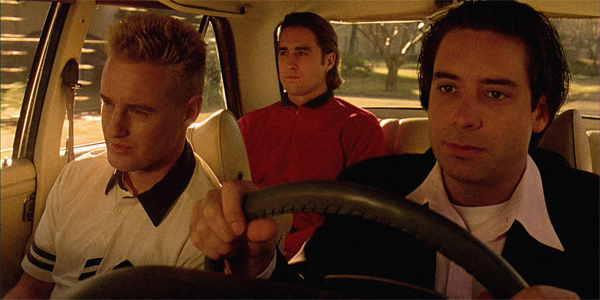
4. Wes Anderson - Bottle Rocket (1994) / Bottle Rocket (1996)
3. Takashi Shimizu - Ju-On: The Grudge (2002) / The Grudge (2004)
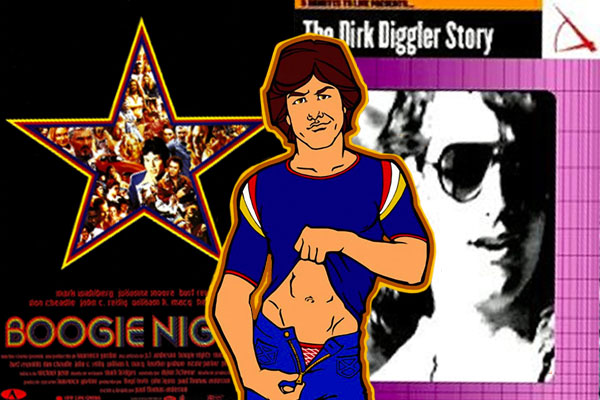
2. Paul Thomas Anderson - The Dirk Diggler Story (1988) / Boogie Nights (1997)
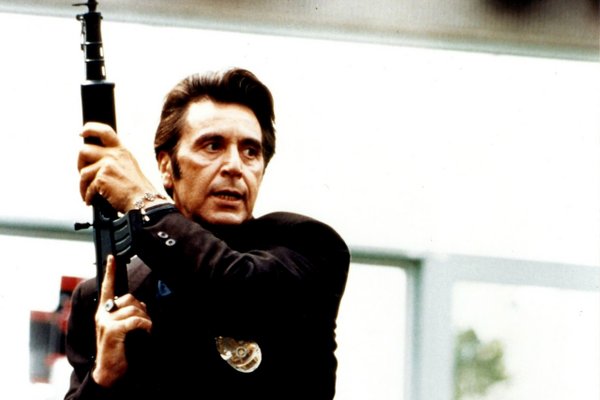
1. Michael Mann - LA Takedown (1988) / Heat (1995)