9 Movies That Weren't As Smart As They Pretended To Be

Not all are bad, but they all overestimate just how much is going on behind their (sometimes otherwise accomplished) exteriors.
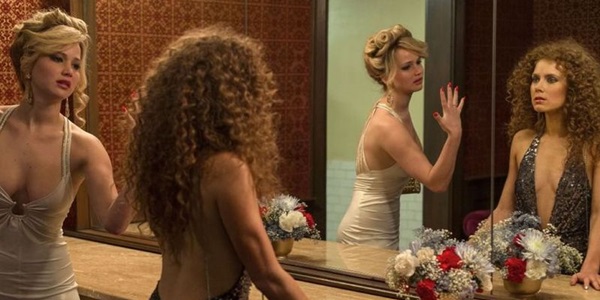
With awards season well and truly upon us, our cinemas are flooded with €˜smart€™ movies €“ the films that are made to be provoke discussion beyond what your favourite explosion was. It€™s incredibly easy to be cynical about the films that get trotted out for the Academy's viewing pleasure every year and bemoan Harvey Weinstein for keeping what should be a celebration of all things cinema another business event, but I€™d be lying if this wasn€™t a great time to be a film fan. There are as many duds amongst the €˜serious€™ movies with €˜proper€™ actors as you'd expect at any time year, but when one hits it€™s normally a home run. These are often the ones that don€™t come with a point to prove, presenting an emotional or thrilling cinema ride; look at the unbridled simplicity of €˜concept is the movie€™ All Is Lost, which follows Robert Redford surviving in a boat and literally nothing else. Fans of blockbuster fare, however, tend to tire of the winter months where it€™s Hobbit or naught, overwhelmed of the films that think they€™re smarter than they actually are. Far from being a problem with awards baiters (often criticised under the sometimes right, often misattributed pretentious banner), you can go to the cinema all year round and end up with a film where it€™s brains are all a figment of the director€™s imagination. These nine films are notable examples of this misattributed intelligence. Not all are bad, but they all overestimate just how much is going on behind their (sometimes otherwise accomplished) exteriors.

9. Hoodwinked Is Face-Punchingly Smug
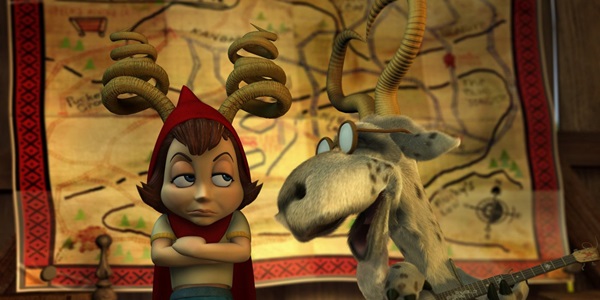
Normally you know you have a bad film on your hands twenty minutes in. Hoodwinked did it in two. We kick off with the fateful meeting of Red Riding Hood and the Wolf in her Granny€™s cabin. What big teeth and all that. There the film diverges from the story you know, throwing out jokes about restraining orders. Oh God... this isn€™t... it can€™t be... is this meant to be a *gulp* post-modern fairy tale? Little Red Riding Hood as imagined by Quentin Tarantino (or rather someone who saw Reservoir Dogs a couple of years ago and can just about remember the plot; €œMr Black, amiright?€), Hoodwinked tries to do a Shrek but doesn€™t have the commitment or the characters to pull it off, instead ending up with something too juvenile for adults but too convoluted for kids. This is the cinematic equivalent of someone who thinks they€™re kooky for liking Disney. There€™s absolutely nothing wrong with liking some of the greatest animations of all time, but there is in thinking it€™s a defining personality trait. Likewise, there€™s nothing wrong with joking Red Riding Hood€™s Granny is an adrenaline junkie, but there is in thinking you€™re a genius for coming up with it.

8. Psycho (1998) Proves The Opposite Of What It Set Out To Show
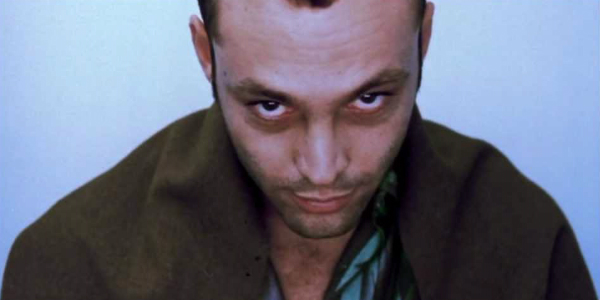
The question that always arises with remakes if what's the point in just regurgitating the same thing. Thanks to Gus Van Sant€™s Psycho, which took Alfred Hitchcock€™s horror classic and redid it shot for shot, we actually know the answer; there isn€™t one. The film wishes to say different, with Van Sant seemingly wanting to show how simply changing the actors or setting can yield a different film. And while Psycho is a pointless verging on awful film, it is importantly not different. Sure, some of the characterisation is a little more on the nose (Julianne Moore€™s Lila seems to have been living her life just for this moment and Norman Bates is simply a creep, with Vince Vaughn unable to channel the pity Anthony Perkins did) and there€™s some infuriating changes made to iconic scenes (murders now come with Mallick style cutaways and Norman does more than just watch Marion, if you know what I mean) but this is very much the same film. There€™s something admirable in attempting a shot-for-shot remake, but this one is simplistic and changes too much to be relevant Psycho thinks it€™s something cutting, exposing a key facet of filmmaking. It isn€™t.

7. American Hustle Tries To Be More Than It Tells Us It Is
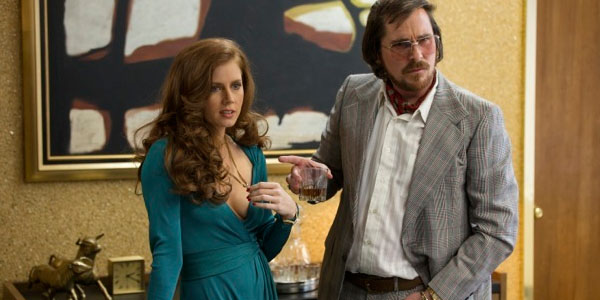
Even as it sits alongside awards frontrunner 12 Years A Slave on the nomination stakes thus far, everyone seems to agree American Hustle is on the lighter side of the Oscar favourites. Not a bad thing, the film looks incredible and there isn't a weak link in the cast, but it doesn€™t quite have the depth you€™d expect from film with such buzz. The cinematic adaptation of ABSCAM (sort of), an FBI investigation that utilised con men to nab corrupt officials, the film kicks off telling us €˜some of this actually happened€™ and for vast stretches commits to that ethos. David O€™Russell is an actor€™s director and allows for relentless interplay between the characters that ensures none (even Jennifer Lawrence€™s Rosalyn who at first seems there just to get the actress on screen) feel like cutouts. That's all we really want from a character study, but at times American Hustle forgets that and goes for something more; from De Nero€™s cameo to the Goodfellas/Casino aping voiceover this feels like the expose style of nineties Scorsese, of which is obviously falls short. The only probing question about the plot we€™re left with is, €œwhy didn€™t they finish the ice fishing story?€

6. The Saw Series Thinks It's A Morality Tale
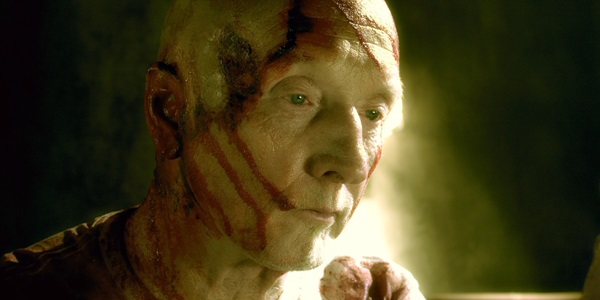
This entry was originally going to feature Tom Six's deplorable multi-body-horror The Human Centipede, but even though the film does try to evoke German war crimes in the nationalities of its villain and victims, it never aimed to go too deep, understanding its B-Movie concept. So welcome on board, Saw. While it's visual aesthetic is completely shlocky, the filmmakers (and as time went on the actors) believed they were crafting a tale of morality. Now admittedly the first film does put forward a good case for Jigsaw attempting to enlighten his victims to the beauty of life, but by the third or fourth it had become the justification for increasingly horrific moments. That's made all the worse by the chosen victims, whose crimes become as increasingly questionable in meriting such severe punishment. This'd be excusable if it wasn't just directly lifted from a film that did fully explore this concept. David Fincher's Se7en is deeply ingrained in Saw's DNA and when you put John Doe up against John Kramer it's clear which one is the smarter portrayal. Doe is deranged and proving a point that the film explores. Kramer is equally deranged, but presented almost messianic, and is proving a point the film accepts as is. Saw either thinks presenting the idea is enough, or doesn't have the !*$% to explore it. I guess that's what happens when your script is so messy the actor repeatedly rewrites it on set (you go Tobin).

5. Salt Believes The Cold War Still Makes A Good Contemporary Thriller
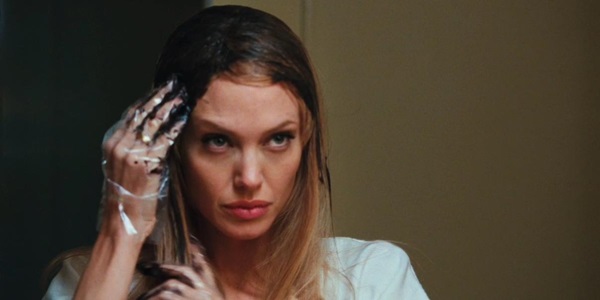
In the real world the Cold War ended in 1991. In the magical place that is movieland you€™d be forgiven for thinking Ruskies were still sworn enemies. Salt first went into production in 2002, I guess close enough to be a throwback, but by the time it finally got into cinemas eight years later it wasn€™t just the gender of the character that had changed (Tom Cruise was originally attached). The Cold War was a long distant event to the extent where a good chunk of the audience weren€™t alive when the Berlin Wall fell. Important, yes. Current, no. But the film still ploughed on with its Soviet-mole fueled story, which became totally undermined when the direction went the modern, gritty root. That method may work for updating Batman (and because this is WhatCulture I am contractually obliged to say it didn€™t with Man Of Steel), but it just looks stretched when applied story that comes from a set time. That€™s not only where the film overestimates itself. The action is sub-Bourne and the twisty plot is either implausible (spider venom) or predictable (the mentor was the bad guy all along?!), ending up as a generic thriller. You€™d say Phillip Noyce was out of his depth if it wasn€™t for his earlier success with Patriot Games. Although that Cold War thriller (timed rightly in 1992) may be the very root of Salt€™s problem.

4. Ocean€™s Twelve Flat Out Lies So It Can Surprise You
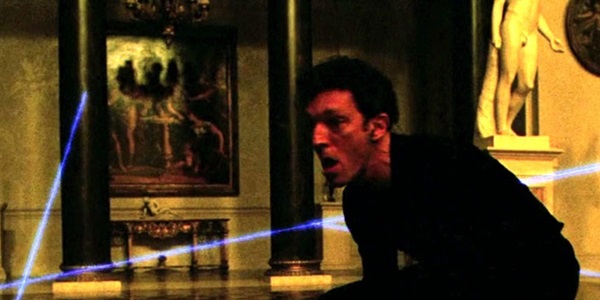
A character played by Julia Roberts looks like Julia Roberts. That is a key plot point in Ocean€™s Twelve and rather than a self-aware wink it€™s a case of self congratulating backslapping as a faux-wry observation becomes the film€™s centrepiece. As much as the draw is seeing Brad Pitt and George Clooney suave their way through an adventure, the Ocean€™s films survive on their plots that balance being whip smart and cheerily smug. You can€™t deny Steven Soderbergh's ambition in making the second movie€™s story more of a caper than the first, but he didn€™t shift the style to fit, ending up with something that looked ridiculous, yet retained the smugness. Any film that relies on the audience never being fully on the same page as the characters needs to be working at the top of its game to be smarter than the viewer. Julia Roberts-gate is just one example what Ocean's Twelve isn't. Take the Fabergé egg twist. Set up as is impossible to steal due to incredibly high security, we learn Vincent Cassel€™s Night Fox stole it because he could dodge the securities lasers (he was doing yoga earlier, which is rather half-hearted foreshadowing). That€™s not tricking the audience, that€™s lying. And lying isn€™t smart kids (or cool). All that without even mentioning Bruce Willis€™ career send up cameo, probably because the next film did it much worse.

3. Cop Out Makes The Audience Laugh At It, Not With It
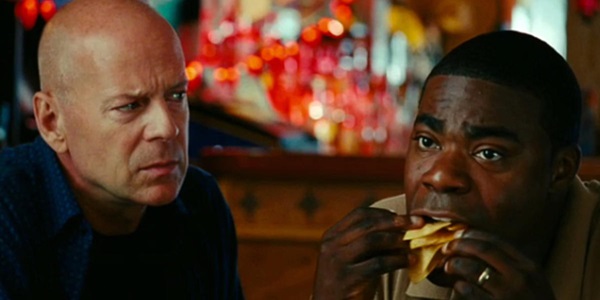
Naming your movie Cop Out is asking for film writers to make easy puns, but for today I€™ll try and avoid the temptation. Originally named A Couple of Cops (nee. Dicks before Warner Bros. realised that didn€™t look great on a poster), Cop Out came courtesy of Kevin Smith, although if you ask him about it the film was utterly bastardised by the studio. How much truth is in that doesn't make the film any less foul. Within ten minutes we get to see Tracy Morgan (over) act out famous movie scenes while Bruce Willis drolly says the film title. Intended to be a sly in-joke about Willis€™ past (and action movies in general), in the film it becomes a ham-fisted scene; Morgan isn€™t funny and even the most cine-illiterate viewer gets the references, which boils its reason to exist down to making a joke that Bruce Willis was in Die Hard. Haw-de-haw. The scene is exemplary of the rest of the movie. It€™s barging through acting like a parody, but instead of letting jokes sit barges in and announces then. With Smith's influence unhampered the film could have actually been something interesting, instead of a cop ou... damn it.

2. The Box Takes A B-Movie Idea And Says It Has Weight
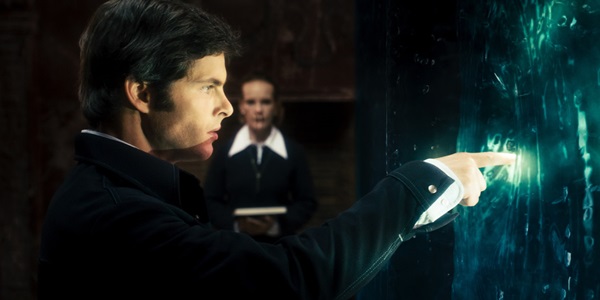
There€™s a real temptation to put Donnie Darko in place of this, but like many directors early on Richard Kelly was likely experimenting rather trying to create something that revelled in its smarts. The same can€™t be said in full confidence of the director€™s cut, but even then much of Darko€™s mysticism comes from fans thinking the film is smarter than it is, rather than the movie itself. That fan reaction to €˜My First Indie Movie€™ clearly had an effect on Kelly though, because his subsequent films are clearly bolstered by his growing pretentiousness. The Box is the pinnacle of this (although that could change with his latest, Amicus, arriving later this year), which is bizarre given the overall plot is deviously simple. Presenting a normal couple with a box that sports an enticing red button with the promise that if they press it they€™ll get a million dollars, but a random person they don€™t know will die. Naturally they push the button and the film eventually ends with a perpetuating loop; the wife is killed when another couple in the chain decide to push the button. That€™s the concept of The Box (which really should be called The Button), not the plot, which is another issue. Dealing with NASA, extradimensional beings who can control lightning and the thin veil of €˜an experiment€™ it€™s all too much and confusing for the sake of it.

1. The Tree Of Life Is Too Generalised To Raise Real Questions
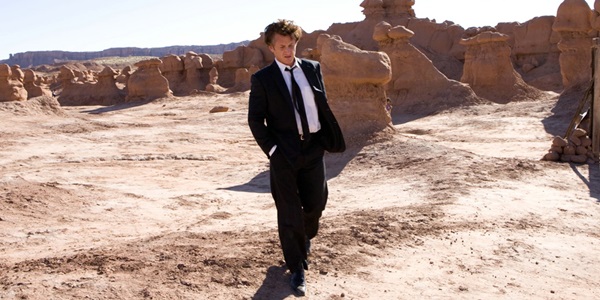
I€™m expecting a little bit of backlash on this entry given how highly regarded Terrence Mallick€™s €˜long anticipated€™ return to directing is (it was the only film from the current decade to make the BFI€™s decennary greatest film list), but so be it. The Tree Of Life is a blank slate. Its three different sections that are melded together so loosely that you can read whatever the hell you like into it; the only questions it prompts are questions you brought in with you. The bulkiest section of the film, featuring angry father Brad Pitt, has the weight of a solid family drama and its shaky cinematography and fluid editing can be read as a representation of memory. The others aren't as strong. A lengthy creation of the universe stretch, without a doubt the most divisive part, comes and leaves unannounced, to the extent where you could pick it up and plonk it in just about any film and have the same meaning. And Sean Penn wandering around confused is fleeting, but its ending, with him meeting his loved ones on a beach is a much used trope; reunion in a purgatory-esque place wasn€™t fresh when Lost did it. Only the main segment has any individual merit and leaves you with a film that is purposely making itself impenetrable. After a polarised reaction in Cannes, it€™s subsequent Palme D€™Or lead to totally positive reviews, suggesting more about critical peer pressure than the film€™s smarts. This list is far from exhaustive - what films do you think aren€™t as smart as they think they are? Have your say in the comments.

Contributor
Contributor

Film Editor (2014-2016). Loves The Usual Suspects. Hates Transformers 2. Everything else lies somewhere in the middle. Once met the Chuckle Brothers.