How The GREATEST Horror Movie Sequel Was Almost Ruined
William Peter Blatty's The Exorcist 3 is a horror movie masterpiece.
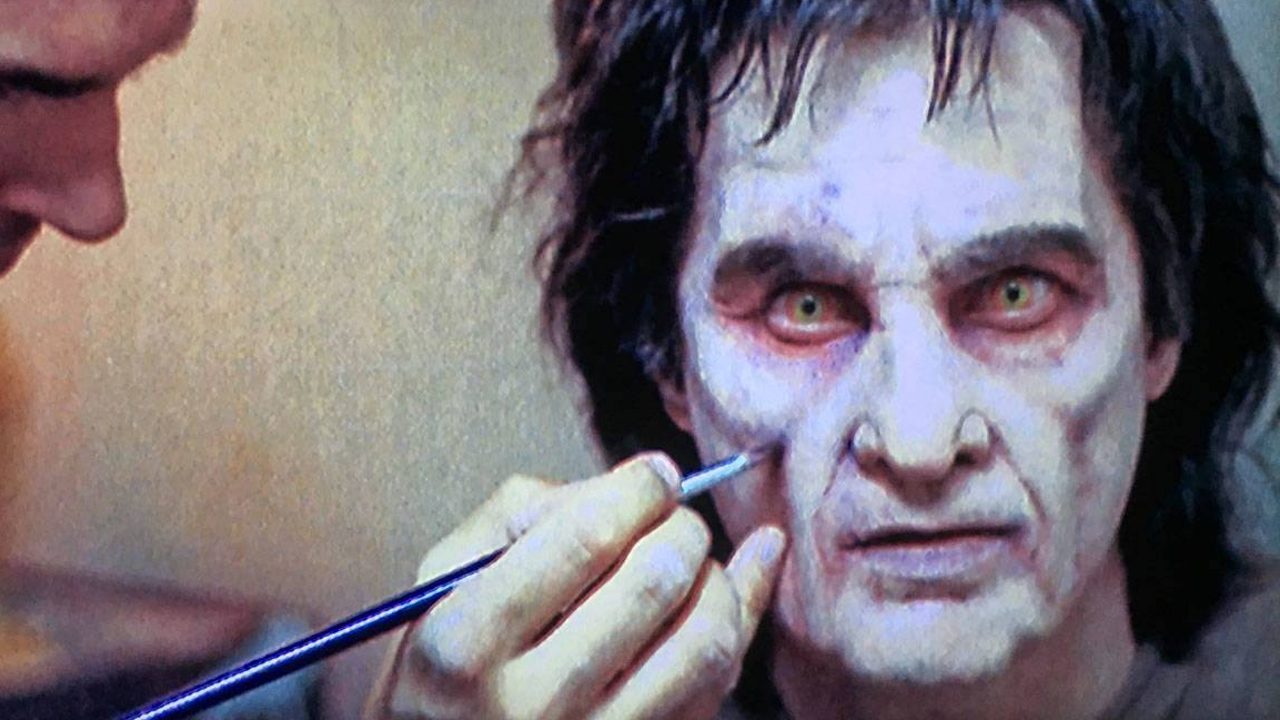
The late, great William Friedkin's The Exorcist turned 50 in 2023 - the same year as the writer-director's passing at the age of 87. A truly forceful work of fiction, The Exorcist cut a trailblazing path through the horror genre and became an instant phenomenon, a film that was feared and revered in equal measure, earning Academy Awards and box office success along with hysterical tales of people fainting in screens, controversy surrounding its graphic content, and even bans.
But The Exorcist was more than just images of ambulances rolling up to multiplexes and what studio Warner Bros. called "The Scariest Movie Ever Made". It was a fitting tagline, perhaps, but one that belied the true heart and soul of its text, which was a deeply moving, introspective reckoning with faith authored by William Peter Blatty, a Catholic screenwriter and novelist whose theological interiority formed the basis of his most enduring works: The Exorcist, The Ninth Configuration, and Legion - the latter two of which were adapted for the screen by Blatty himself, and are arguably just as masterful as Friedkin's horror masterwork.
Not that they are widely accepted as such, though - nor could they ever expect to be. The Exorcist exerts an eclipsing influence as a film foundational to our understanding of horror as a genre, a preeminence further calcified by the many paltry follow-ups and imitators that landed in its wake - most notorious of all The Exorcist II: The Heretic, perhaps the most disastrous sequel ever made (directed by the otherwise brilliant John Boorman, of Deliverance and Point Blank fame). Others have come for The Heretic's crown as well; two middling Exorcist prequels were released in the early 2000s, while the equally pallid Exorcist: Believer had the ignominious honour of crashing the original film's 50th celebrations last year.
No one could be forgiven for concluding that, with those films in mind, no Exorcist sequel would be worth their time, which is perhaps why it has taken so long for Blatty's adaptation of Legion, which released as The Exorcist III in 1990, to earn its flowers. Although it premiered to a muted critical and commercial reception, the reputation of Blatty's film has improved dramatically over the last two decades, led in part by the cult notoriety of its iconic hallway jumpscare, as well as efforts to release a director's cut, with the theatrical release of the third Exorcist film having suffered intensive interference from studio Morgan Creek, to the point where an entire exorcism plotline was introduced, and Blatty's vision compromised.
A semi-salvaged director's cut of The Exorcist III now exists, called the "Legion Cut" - developed by Shout Factory for the 2016 Blu-ray release - but even in the tampered theatrical version you can see the genius of Blatty's vision, a film that matches the lyrical prose of the Legion novel in a gorgeously stylistic manner, demonic dread suffused with a renewed zest for earthly good. It is the one true Exorcist sequel, in my mind, and probably the greatest horror follow-up ever made - albeit one that came hellishly close to destruction.
[Article continues on next page...]
William Peter Blatty, Legion, & The Beginnings Of The Exorcist III
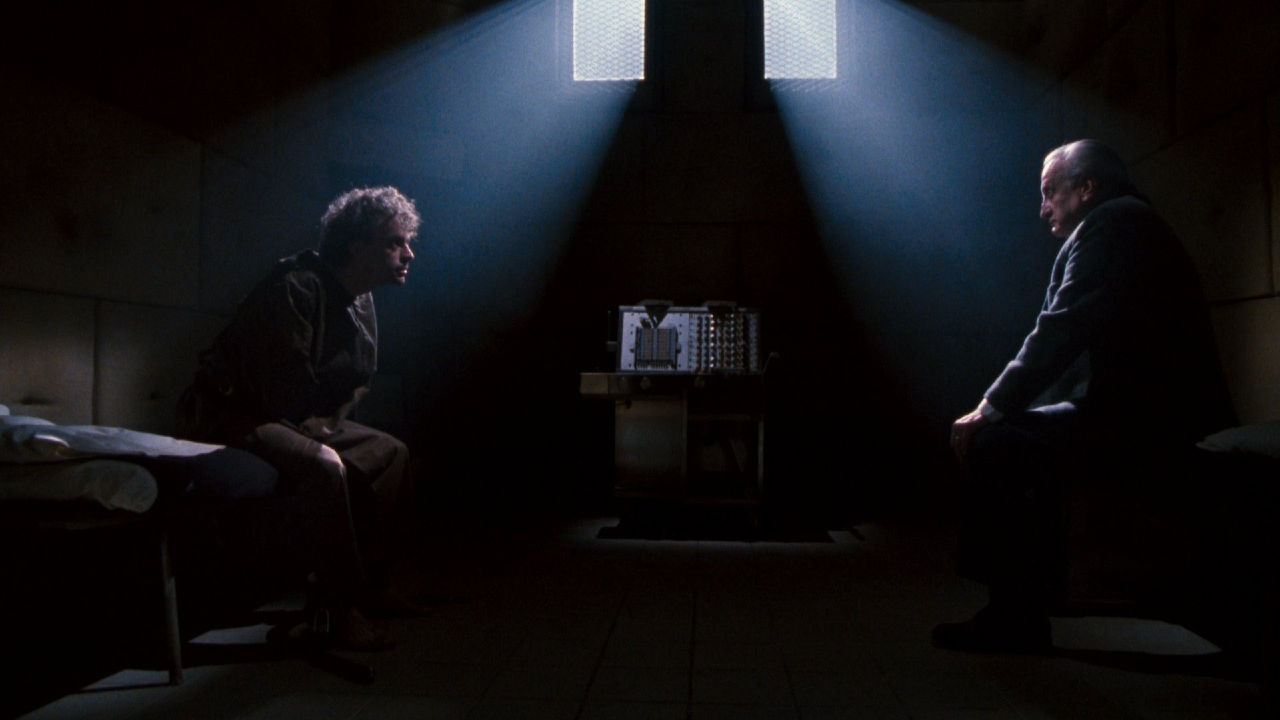
To trace the roots of The Exorcist III you obviously have to go back to the origins of its progenitor. What would become the seminal horror film of the 1970s started as a seminal horror novel, conceived by Blatty after he read about a case of demonic possession that ostensibly occurred in the 1940s. The facts surrounding this case are incredibly dubious and have been scrutinised for decades, but they captivated Blatty while he studied at Georgetown University.
Rather than be dispirited by such an apparently convincing account of demonic possession, Blatty took it as an affirmation of divinity; in other words, if there is an ultimate evil, then there must be an ultimate good. That rationale is the central conceit of The Exorcist as well as its 1973 film adaptation, which sees father Damien Karras (played to heartrending perfection by Jason Miller) doubt his faith in the midst of everyday cruelty, until he is confronted by Regan's possession and embraces God in a moment of sacrifice. It is, on paper, a sad ending, but for Blatty, it was meant to be inspirational - an element the author felt was obscured by the film's theatrical conclusion, which while still the superior version, in my view, led to a rift between Blatty and Friedkin. (Blatty's preferred ending, where Lieutenant Kinderman and Father Dyer start their friendship, was restored with the release of The Exorcist: The Version You've Never Seen in 2000.)
This rift persisted for years, until eventually the two reconciled. Blatty then began work on a sequel to The Exorcist that he developed with Friedkin in mind as director. However, Friedkin left the project as a result of those ever-pesky creative differences, which led to it falling to the wayside. Blatty then reshaped his Exorcist sequel into a novel, Legion, which was published in 1983 and became a hot-seller. The novel itself is just as gripping as The Exorcist, maintaining those spiritual beats albeit in a way that feels refreshingly less sure-footed. It almost seems to double back on the ending of the previous story. Evil is never simply vanquished; it persists, twists and torments, casting doubt even when clarity has been found. If The Exorcist was steadfast in its affirmation of faith and goodness (and, to be clear, one does not automatically beget the other), then Legion is more contemplative, anguished, and ultimately less sure of the answers. Both novels occupy a similar theological and reverential approach to narrative, but Legion's prose is tinged with tragedy, as a victory once earned is robbed and twisted into a cruel joke.
Despite boasting no immediate connection to The Exorcist in its title, Legion became a best-seller and led to Blatty rekindling his plans for a film adaptation. Horror Master John Carpenter was even sounded out as director, but due to creative differences and suspecting Blatty wanted to direct the film himself, ended up stepping out. Blatty was thus able to shepherd the project as he intended - as a faithful adaptation of the Legion novel, which while inextricably tied to the events of The Exorcist and featured Lieutenant Kinderman as the main protagonist, contained no exorcism. While this state of affairs was at first deemed acceptable by production company Morgan Creek, it eventually became clear that the film Blatty wished to deliver was at odds with a studio desperate to rekindle the buzz of Friedkin's trailblazing original - a conflict that would have dramatic results on the final product.
[Article continues on next page...]
Exorcisms, Madonna, & Studio Interference - How Legion Became The Exorcist III
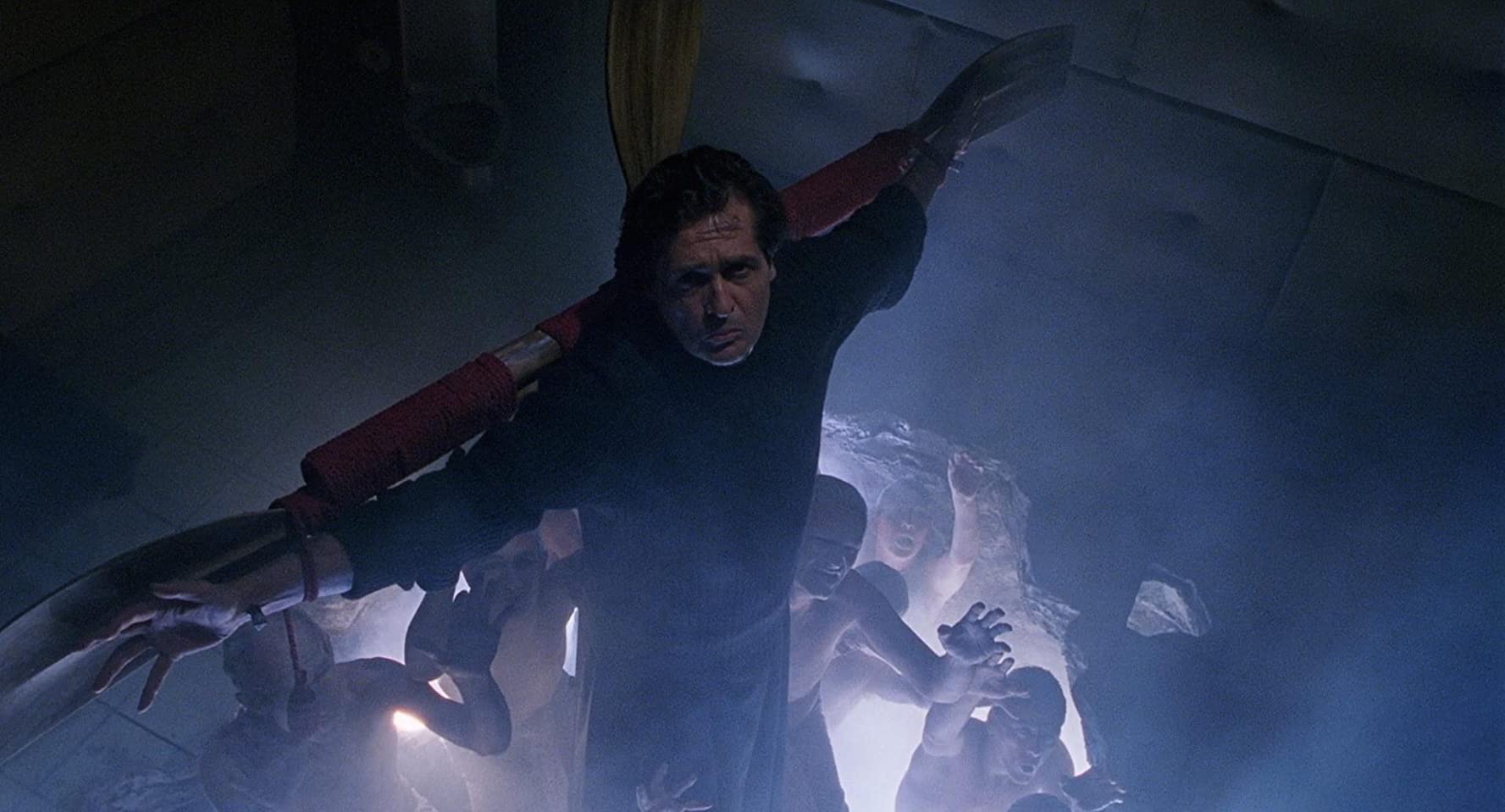
The most widely seen version of The Exorcist III is the same one that hit theatres in 1990. While still gripping, it was not the version Blatty initially submitted to Morgan Creek. That initial cut had no exorcism, no Jason Miller as Damien Karras, and none of Nicol Williamson's Father Morning. All three of those features - plus a change in title, from "Legion" to "The Exorcist III" - were implemented at Morgan Creek's request, leading to a film that, although retained plenty of Blatty's design, was structurally flawed. Miller's Karras feels like a seamless if not fitting addition to the cast, given the reveal of Patient X's true identity, but Father Morning's introduction and role in the ending exorcism is bolt-on and ill-suited to the wider tone of the picture. That ending sequence is a vibrant, creative showcase of visual effects, but it is loud where the rest of the film is not.
Blatty, in any case, was behooved to implement the changes prior to release, leading to reshoots and a fitting summation of the ordeal by Kinderman actor George C. Scott, who - as recounted by Mark Kermode for the release of Shout! Factory's 2016 Blu-ray of The Exorcist III - apparently said that the studio "wouldn't be happy unless Madonna turned up and sang a song at the end."
This interference was further exacerbated by a mandated title change from Morgan Creek and 20th Century Fox, who demanded that "The Exorcist" be included instead of the more mysterious title of Legion. Blatty wisely sensed that this would be a misstep owing to the disastrous critical and box office return on The Exorcist II, and that audiences would "shun" his new movie as a sequel cynically trying to cash in on a peerless classic. But he was once again overruled, with Morgan Creek providing an extra indignity by excising "Legion" from the title altogether. Lo and behold, when The Exorcist III did release in August 1990, it was not a box office sensation, grossing only moderately better than Heretic with $44 million as opposed to its predecessor's $31 million. According to Blatty, in a scene reminiscent of J. Jonah Jameson taking pitches on Otto Octavius' supervillain name in Sam Raimi's Spider-Man 2, the studio phoned him a few weeks after its release to attribute the film's poor performance on the title. "I couldn't believe it. They have total amnesia."
Studio interference would prove to be the unmaking of The Exorcist III - or, at least its barrier to mainstream recognition. If the title switch had warded off potential viewers and diminished its reach, then it probably didn't do any favours for those who actually did take their seats in the cinema. Having "The Exorcist" in the title inevitably evoked the idea of a sequel trading on the success of its immortal predecessor, no matter the subtleties that were straining to be seen above all the studio intrusion. I would argue the theatrical cut is still a great time and has mostly everything that's beautiful and unique about Blatty's writing and direction, but you can certainly feel the oscillating pressures being exerted. Ultimately, despite a compelling final cut, Blatty's film was shackled by a studio that did not know what they had cooking.
[Article continues on next page...]
The Legion Cut - How Cult Success (Almost) Salvaged Blatty's Exorcist Sequel
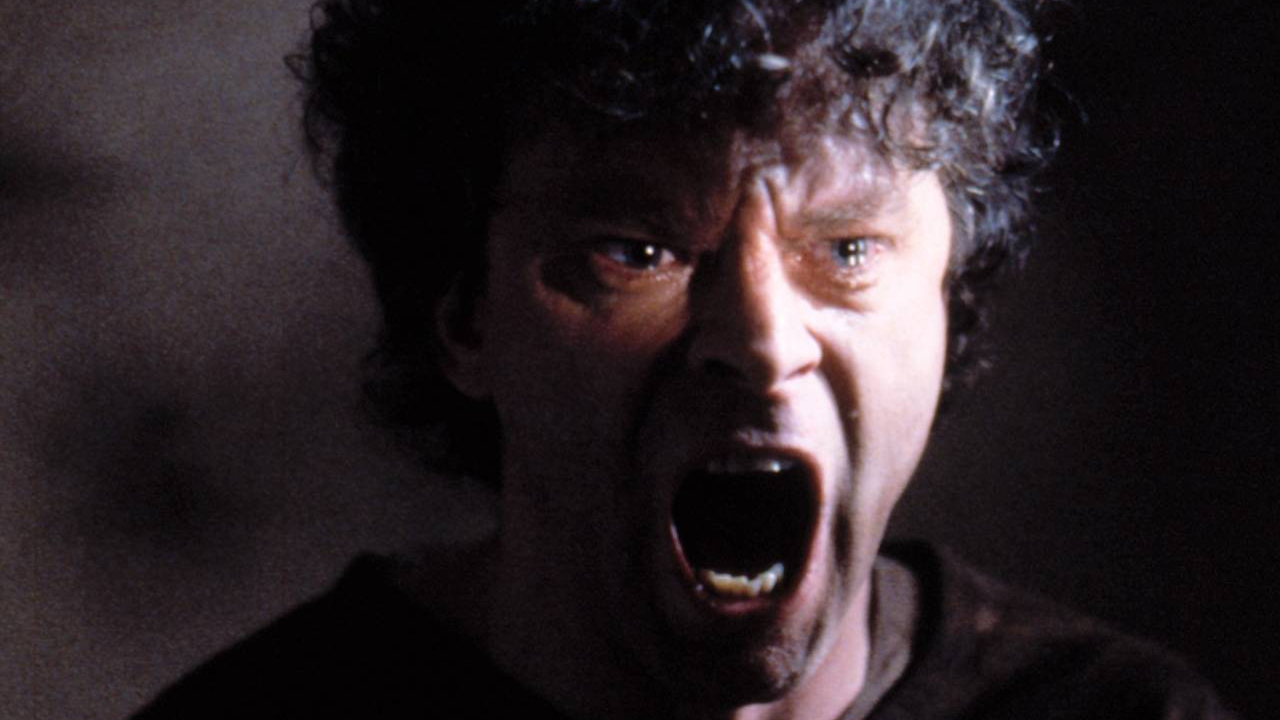
When it originally released, The Exorcist III was not a critical success. Although there were early admirers out of the gate - Kermode among them - the tide of critical opinion was distinctly negative. Variety called it "all mood and no meat", while Empire described the plot as a "house of cards [...] that is constantly collapsing." Despite suffering critical and box office disappointment, though, the film did develop a following as time went on, being regularly championed by Kermode and finding viral fame with its iconic jump scare sequence - widely referred to as one of the scariest horror scenes ever.
This resurgent praise and interest in The Exorcist III sparked conversations over Blatty's original cut, and whether or not it could be salvaged. Blatty eventually published the original script for Legion with the assistance of Kermode, which sparked further discussions of the lost Legion cut potentially being released on home video.
This, unfortunately, did not come to pass, as the original cut Blatty submitted had been lost by Morgan Creek. However, efforts were still made to construct a version of the film that resembled as much of the writer/director's original vision as possible. This was achieved by Shout! Factory in 2016, with the boutique label - working off the blueprint of Blatty's original script - assembling a cut using a mixture of 35mm footage and VHS rushes and dailies taken from the shoot. This "Legion Cut" - also included in the Arrow Video release - is by no means a perfect thing, but it is the closest we'll ever come to seeing what Blatty's film would have looked like had Morgan Creek and Fox not intruded on its production. There's no Father Morning, no Jason Miller as Damien Karras, and no exorcism, leaving us with a sequel that is much closer in tone and spirit to the Legion novel - a "patchwork", as Kermode calls it, but one that best conveys the brilliance of Blatty's fiction.
[Article concludes on next page...]
Legion Or Theatrical, The Exorcist III Is Still The Greatest Horror Sequel
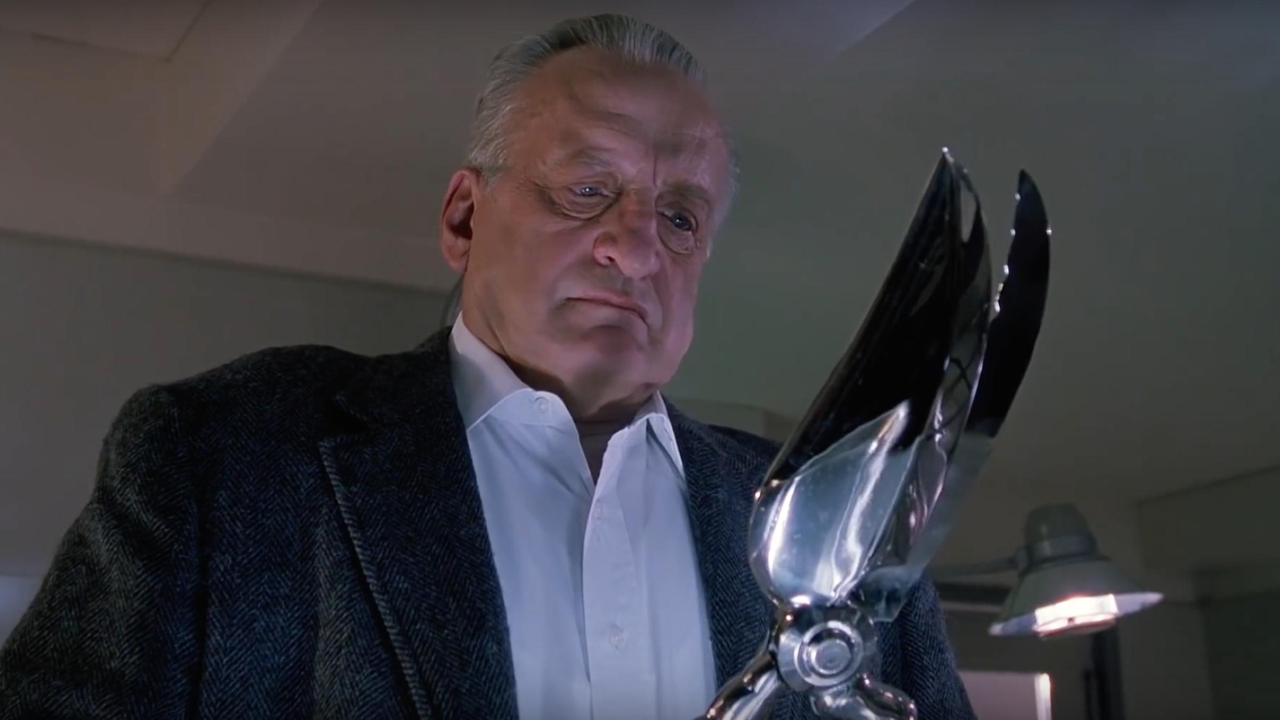
Despite the best efforts of the studio to undermine Blatty's attempts at an adaptation of Legion, The Exorcist III is still an inimitable piece of cinema - regardless of which version you're watching. The eccentric, more Hollywoodised aspects of the theatrical cut do create something of a tonal dissonance, but they also aren't without their charm. Although his casting came at the expense of Dourif, Jason Miller poses a powerful reminder of just how exhilarating a performer he was, embodying the possessed Karras devilishly before landing a heavy emotional blow by bringing his human form to the surface. Equally, there is plenty to admire on a technical level when it comes to the exorcism scene, which entails plenty of face-peeling, hellish action, even if it belongs in a totally different movie.
The Legion cut, conversely, has the disadvantage of not being a perfect recreation, with cinematographer Gerry Fisher's crisp compositions being muddied by the (sadly necessary) use of VHS dailies. Through it all, however, Blatty's voice shines through, matching the lyrical, reflective prose of the Legion novel, which is delivered expertly by the likes of Scott, Ed Flanders and Dourif. In that sense, both versions of The Exorcist III are perfectly imperfect, unable to quite maintain the highs of Friedkin's lofty original, but succeeding all the same.
It's a testament to Blatty that, even when his film was taken away in a different direction, its seemingly significant flaws feel minute. In the end, it's okay that we don't have a pristine version of Legion. Is it a loss? Absolutely, but focusing too heavily on what we were deprived of runs the risk of forgetting the beauty Blatty was able to share. In The Exorcist III, we have a film that embodies all the anguished and yet hopeful theological introspection that made Blatty's writing so enchanting. It haunts, chills and thrills, but only so much as it loves, consoles, and mourns. Whichever version you watch, flaws or no flaws, The Exorcist III is Blatty through and through, which is to say it's thoroughly human.