It Chapter Two Review: 5 Ups & 5 Downs
A fascinating mess.

It Chapter Two is now in cinemas worldwide, arriving almost two years to the day after Andy Muschietti's first adaptation of Stephen King's beloved horror novel blew critics and audiences away.
And as anyone with any familiarity with the second part of King's source material knows, it's an incredibly tricky story to adapt to the big screen, and one which returning director Muschietti has unsurprisingly struggled to deliver.
It Chapter Two has scored mixed-to-positive reviews from most critics so far - largely of the three-star variety - with rightful praise for the cast and production, while criticising its self-indulgent approach to storytelling and general failure to live up to its much tighter and more confident predecessor.
Fans of King's novel will probably get more out of it than those only familiar with the 2017 film, and though it's destined for gangbusters box office business regardless, it's a shame this sequel didn't stick the landing a little smoother overall.
Between its many baffling creative calls and that runtime, it's hardly a film many will be keen to revisit any time soon. But if you're invested in the story and characters after watching the first film, you probably owe it to yourself to see this one through...
Downs...
5. The Ridiculously Excessive Runtime
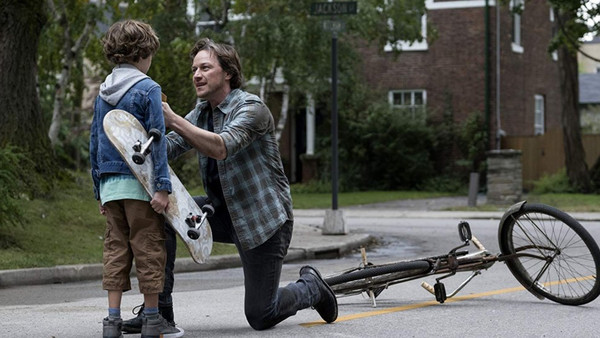
By far the biggest issue facing It Chapter Two is its totally unreasonable 169-minute runtime. Though the enormity of King's novel speaks for itself, it's tough to accept that this film needed to be barely 10 minutes shorter than Avengers: Endgame.
More to the point, it isn't remotely a decision justified by the end product - this is a plodding, awkwardly structured film which features numerous extraneous scenes and even entire subplots which probably should've been saved for the inevitable Director's Cut.
The middle of the movie in particular grinds to a halt as the Losers are forced into a series of repetitive fetch quests, cross-cut with extensive flashbacks of additional run-ins they had with Pennywise 27 years prior.
That's to say nothing of a leaden subplot involving an older Henry Bowers (Teach Grant) that doesn't go anywhere interesting, and another dead weight detour following Dean (Luke Roessler), a young boy who now lives at Bill's (James McAvoy) old family home.
On one hand it's neat that Warner Bros. allowed Muschietti to release such a blatantly overstuffed movie, if also a testament to the fact that even talented filmmakers sometimes need their excesses reined-in.
With a solid half-hour shaved off its runtime, this movie would be a lot less of an exhausting slog.
4. Not Enough Pennywise

In another unexpected comparison to Avengers: Endgame, It Chapter Two ends up treating antagonist Pennywise (Bill Skarsgård) much like how Endgame treated Thanos (Josh Brolin).
Both movies are sequels to hugely successful films noted for their evocative treatment of an instantly iconic villain, and both pushed that popular antagonist to the background to provide more breathing room for the ensemble cast.
Even so, there's a shocking lack of Pennywise in this film, especially in the opening hour where he appears for maybe five minutes at most.
Massive chunks of the rest of the movie see the Losers being terrorised by other frights Pennywise has prepared for them, and there are depressingly few scenes where the clown is able to have a sustained presence.
Bill Skarsgård does very well with what little he has, for sure, but after the first film gave him countless marquee scenes to thoroughly creep us out, he feels like a bit of an afterthought in his own movie this time around.
3. The Tone Is All Over The Place

While the first film did a mostly excellent job of balancing horror with outrageous laughs, the sequel struggles to strike a similarly winning two-hander of light and dark.
It doesn't help that It Chapter Two's narrative is decidedly sillier than its predecessor, yet the film stubbornly takes itself deathly seriously during many of these daft moments.
And though much of the humour does land, there are also too many instances of pithy one-liners undercutting a potentially scary, even horrifying moment.
But the worst offender? An extremely random, bizarre moment mid-way through a set-piece where Muschietti makes the misguided choice to blare out a certain pop hit used in a certain recent Deadpool movie.
Quite what the intent was is difficult to discern, but it's jarring in a bad way and totally takes the audience out of the scene.
2. It's Just Not Scary

While many complained that the first It wasn't especially scary, it had a lot going for it in the intensity department: the opening slaughter of Bill's brother set an unnerving, unpredictable tone from the outset, and most of Pennywise's sparing appearances left a mark on the audience.
But the sequel sadly leaves viewers wanting for the same feeling for the most part. Many of the "scares" are either unimaginative rehashes of what happened the first time around, or overly reliant on jump scares to the point of obnoxiousness.
The most unsettling scenes in the film are generally more low-concept and focused on Pennywise conversing with someone - in one remarkable instance a child at a baseball game - but the bigger set-pieces end up feeling weirdly generic and lacking in atmosphere.
It almost feels as though Warner Bros. saw the stonking mainstream appeal of the first film and nudged Muschietti to skew even more broad with the fright sequences this time.
1. The Underwhelming Final Battle

Though there are a lot of things to like about the third act of the movie, the final showdown against Pennywise isn't really one of them.
While it's a massive improvement over the hilariously bad, low-budget finale to the 1990 TV movie, the Losers' battle with Pennywise still doesn't fully escape the void of unintentional comedy.
And though fans are sure to decry its deviations from the finale to the book, the film's ultimate failing is in making the outcome of the fight so utterly simple and deflating.
There is a metaphorical quality to the Losers' final weapon used against Pennywise for sure, but by the time it's all said and done, it feels like the Losers probably should've suffered a little more.
Given how many references the movie makes to Stephen King novels having unpopular endings, it's a shame Pennywise's last stand against the Losers is such a mess of overbaked visual effects and undercooked ideas.
But It Chapter Two certainly isn't a bad movie all things considered, and so here's everything it gets right...
Ups...
5. The Adult Losers Deliver The Goods
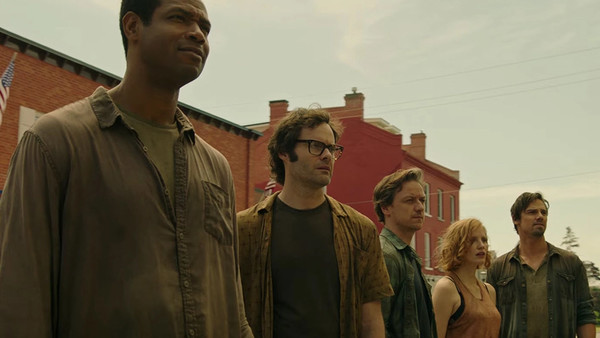
What absolutely cannot be taken away from this movie is the excellent casting of the Losers, who all give rock solid performances and bear a remarkable resemblance to their younger selves.
Though we'll get to Bill Hader's show-stealing work in a moment, it's worth singling out some of the lesser-known cast members first.
James Ransone, who plays a middle-aged Eddie, gives a terrific performance that elevates his already uncanny likeness to his young counterpart, played by Jack Dylan Grazer.
Isaiah Mustafa also does finely understated work as Mike, who despite having a curtained role for much of the movie, plays a pivotal part in the film's plot.
Mustafa does a great job selling how weathered and worn down Mike is, being the only one of the Losers to have stayed in Derry for 27 years and lived with the memories of Pennywise's rampage.
James McAvoy is also as reliable as you'd expect - a few accent-related foibles aside - and though Jessica Chastain gets surprisingly few scenes to grandstand her acting chops, she's expertly cast as Beverly.
4. It Commits To The Insanity Of The Source Material

The first It did a smart job of adapting much of the demented spirit of King's source material while omitting some of the more objectionable content - namely that orgy scene - and similarly, returning writer Gary Dauberman has willingly committed himself to engaging with the nuttier aspects of the book.
While fans hoping to see Maturin, the novel's infamous cosmic turtle, will be left disappointed, the film does nevertheless invoke some of the more memorably out-there moments from the book, such as the horrifying death of Adrian Mellon (Xavier Dolan), the Ritual of Chüd, and also some fairly explicit nods towards Pennywise's origins.
Dauberman and Muschietti get pretty freaking weird for a $70 million movie produced by a major studio, and though the film is fundamentally a mess, you can't knock their ambition and enthusiasm for the mind-melting spirit of King's material.
3. Bill Hader Steals The Show
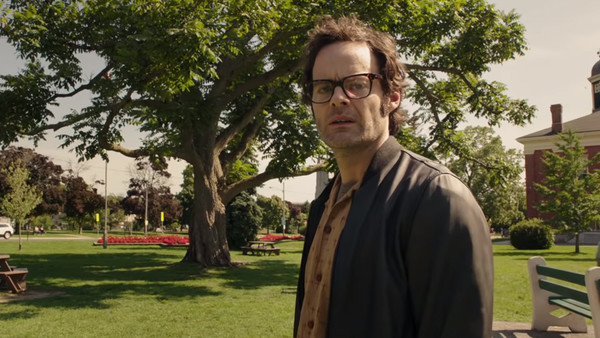
Bill Hader was a dream casting choice for an older Richie Tozier, with both young Richie (Finn Wolfhard) and fans naming him as a prospect before he was even cast.
And true to form, Hader gives by far the strongest performance in the entire movie, nailing the loudmouth arrogance consistent with the younger Eddie, while also imbuing the character with a slow-revealing sadness and vulnerability.
Hader's been on quite the roll in recent years, and no matter the film's many faults, his performance as Richie is absolutely beyond reproach. He nails it, and is the best thing about the film for sure.
2. The Affecting & Satisfying Ending

Though the final battle against Pennywise is a bewildering mess for the most part, the subsequent scenes that end the movie manage to close the book on this story in a relatively satisfying and unexpectedly emotional manner.
Giving the Losers their fair due while also recontextualising a major incident from King's novel, it's not the ending that fans of the book may have been hoping for, but it does feel totally true to the characters.
While the Losers' dynamic in this film wasn't nearly as successful as it was in the first, the ending does a solid job of bolstering their bond while confirming the enormity of what they've all been through.
1. So. Many. Easter Eggs.

Easter egg hunters are going to have an absolute field day with this movie, because it's totally jam-packed with them.
For starters, there are three prominent cameos from filmmakers and writers fans should keep their eyes peeled for - one of them really can't be missed - and several nods to elements from King's novel which didn't make the cut.
Elsewhere, there are gnarly tips of the hat to other King works - namely The Shining - and a sequence that not-so-subtly invokes John Carpenter's The Thing.
Needless to say, fans will have plenty to sink their teeth into once the movie hits VOD and they can pore over every dense frame of its 169 minute to seek out the treasure trove of references hidden within.