Marvel Cinematic Universe: 10 Things That Could Prematurely End It

The potential pitfalls that Feige and co. need to avoid.

Back in 2008 Marvel launched the first part of what would wind up being the most ambitious superhero project to hit the big screen. At that point, the suggestion that they would go on to take over Hollywood would have made a lot of people doubt your sanity. They were a new studio, beginning with one B-list superhero and an actor associated with falling off the rails, and would have to stand out against household names like Batman, the X-Men and Spider-Man. And yet they pulled it off. Heck, last summer Marvel Studios managed to make a film involving a talking raccoon and a tree that can only say three words into the blockbuster of the year. This suggests a studio surging with confidence, and a fictional universe reaching the point of invincibility. However, the bright lights of Hollywood mask a fickle reality, where triumphs can be cast aside in the space of one box office bomb or critical flop. While Marvel is probably able to bounce back from one atrocious film, there are still lots of things that could damage it irrevocably. Keeping the audience engaged is vital to a franchise€™ survival, so anything that puts people off could contribute to the MCU€™s premature death. Here are ten things that Kevin Feige and company will have to be aware of to ensure that their long-term project doesn€™t fizzle and end before its time.

10. Putting Too Much In The TV Shows
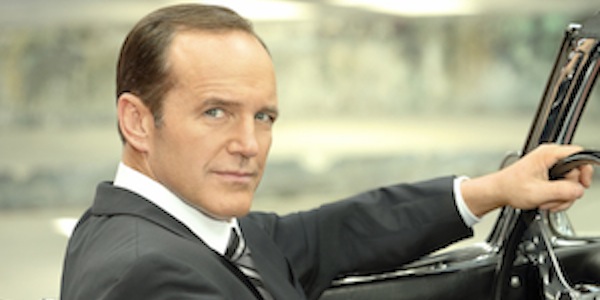
So far, Marvel has struck a fairly good balance in terms of what needs to be kept to the films and what can feature (or be expanded on) in the television shows. If anything, they€™ve erred too far on the side of caution, with Agents Of S.H.I.E.L.D struggling to step out of the shadows of its cinematic cousins until late in its first season. However, one of the most important things in season two has been the appearance of characters from the Inhumans, with Skye revealed as Daisy Johnson and her father as occasional Thor villain Mr Hyde. This makes the show feel more significant, but if the Inhumans are introduced here and then leap into their scheduled film without any explanation of what€™s gone before it could alienate audiences not keyed into what€™s happening on the television. Things only get more unwieldily with an expanding TV roster. These shows will feature some big hitters in the comics, like Daredevil and Luke Cage, and are set to culminate in The Defenders. They€™ll have to be careful, because any event big enough to bring these heroes together is going to have repercussions that would no doubt impact the movies. Even in this day and age, not everyone has Netflix, so gambling too much on these series has the potential to backfire in a big way.

9. Rushing Famous Storylines

The Avengers was well set up by all of the films that preceded it, and other films felt like they came at a natural point for the universe. Even though they're up to top speed, however, Marvel has to be careful not to rush ahead of themselves. Most importantly, they have to be careful not to rush Civil War, given how important it could be for their world. In the comics, the Civil War storyline started as a result of an untrained group of superheroes getting into a fight they weren€™t prepared for - a fight that ended in an explosion that destroyed a school. This lead to an act for Superhero Registration picking up steam in congress and becoming law, followed by a schism between all of Marvel€™s Earth-based heroes, mainly the pro-registration Iron Man and anti-registration Captain America. The only problem is that as at the moment Marvel don€™t have that many characters - even with the addition of those coming through in the TV shows and new characters in Age Of Ultron - there€™s a danger of the storyline seeming more like a Civil Scuffle than a Civil War. Also, given that the identities of a lot of the heroes currently around are public knowledge, the drama could be sucked out of the story. Unless they€™ve got a great plan for it, Captain America: Civil War could end up feeling really rushed. If this happens to too many of Marvel€™s most famous storylines, audiences will end up feeling short-changed in terms of quality, which could sound the death-knell for the universe.

8. Not Following Through With Plot Lines

Marvel already have form with this, most notably with the hints towards future villains in The Incredible Hulk. The film has a suggestion that The Abomination isn€™t quite through and sees the creation of classic Hulk and Avengers villain The Leader, but neither has been picked up on. There's a sense that a number of current plotlines that could go the same way. For example, with all that€™s set to happen in Avengers: Age Of Ultron and Captain America: Civil War, it€™s hard to see where the creative teams are going to fit in any further development for Bucky Barnes. If Steve Rogers is going to be removed when Chris Evans€™ contract runs out and Sebastian Stan is going to become the new face of the Captain America franchise, Bucky needs to be developed to a point where he can take on the mantle. If he isn€™t, it€™s going to be jarring and damaging for a key aspect of Marvel€™s project, and might be a blow they€™ll struggle to recover from. While these are only a couple of storylines, there are others that seem to have fallen by the wayside (e.g. Tony Stark's alcoholism). Dropping too many storylines over the course of the universe is only going to lead to additional audience dissatisfaction - something any movie franchise wants to discourage.

7. Being Overtaken By Other Universes

Marvel may be the top dog now, but being on form at the moment doesn€™t guarantee they€™ll stay that way. DC are moving to build up their own cinematic universe in a similar manner to Marvel. They have the name recognition of three of the most famous superheroes ever created in Batman, Superman and Wonder Woman and even if Batman V Superman: Dawn Of Justice is a critical flop, it€™s going to draw in millions of people just on the promise of the two biggest superheroes ever being in a movie together. Meanwhile, the X-Men universe seems to have been reinvigorated with the injection of fresh acting talent and the return of original director Bryan Singer, and has had their own recent summer hit with Days Of Future Past. They€™ve got an acting stable to rival anyone and are promising some really exciting stories with Apocalypse coming into play. There€™s even the potential for the new Fantastic Four movie to pull it out the bag and give Marvel€™s best a run for their money. And while Sony are trying to do a deal to include Spider-Man in The Avengers, it€™s hard to see them letting the webslinger stay down for long. With all these other Superhero franchises breathing down Marvel€™s neck, the MCU is going to have to keep upping its game to stay ahead. If it fails, and one of the others takes the chance to leap into the lead, it€™s going to be hard for Marvel to regain the lost ground - and the acclaim that goes with it.

6. Expanding Too Much

Given the success of the out-there Guardians Of The Galaxy, which was seen by many media outlets as a huge risk, it now seems likely that Marvel could add pretty much anything to their universe and get away with it. The mysticism and magic of Doctor Strange and the shrinking abilities of Ant-Man are probably the biggest risks coming up for the MCU in terms of content, and neither feels anywhere near as risky as Guardians. All in all, they€™ve probably got expansion in terms of content and concepts nailed down. However, there are still other types of expansion that could kill them off - one of the biggest risks to Marvel€™s universe is expansion in terms of volume. They already have six superheroes, a team of intergalactic rogues and an undercover agency to focus on, and that€™s only going to get added to. Before the decade is out, you're going to have seen Daredevil, Luke Cage, Iron Fist, Jessica Jones, Black Panther, Doctor Strange, Captain Marvel, the Inhumans and others all get their own introductions into the MCU on top of what there is already. That€™s a lot to keep track of. While such expansion is going to be helpful when it comes to ambitious storylines like Civil War Marvel are treading a very thin line. With so much to remember, there€™s every chance that audiences will decide that too much is too much and give up. There's also a problem with accessibility if your universe is too large for an easy entry, potentially fatal when it comes to attracting new viewers.

5. A Lack Of Good Villains

A superhero franchise can live or die by its villains. Ask someone what the most memorable part of The Dark Knight was and they€™ll probably point to Heath Ledger€™s Joker. Ask someone what went wrong with Spider-Man 3 and they€™ll probably mention something about too many villains crowding proceedings. It€™s rather worrying, therefore, that Marvel has a very poor record with getting villains on the big screen that can stick in the public consciousness. They€™ve been shooting themselves in the foot on this front. Marvel had a really good chance to bring some brilliant bad guys in with Phase 2. However the Mandarin became a punchline, Malekith got overshadowed by Loki and the Winter Solider and Ronan had less screentime than was needed to really develop their characters This means there€™s still no-one filling the void. Ultron really needs to step up to the plate. Thankfully the early signs are promising. Ultron may not be enough, though, if Phase 3 manages to properly execute as few great portrayals of villains as Phase 2 did. Without a great antagonist for the heroes to face, and having used up iconic baddies like Red Skull, Marvel risk running out of villains from the source material with the potential to give our heroes a run for their money, and losing audience engagement as a result.

4. Over-Reliance On Loki

For all that, Marvel have managed to develop one great villain. Tom Hiddleston has been an absolute sensation as the God of Mischief, being a superb antagonist/uneasy ally in three films and starring in a million gifs. He€™s been so successful that Marvel can€™t stop bringing him back, knowing he pulls in fans in their droves. That could end up being a problem. While he needed a lot of focus for the first Thor film and The Avengers to work, what with being the central antagonist and all, he completely overshadowed Malekith in Thor: The Dark World. It€™s a worrying precedent, and could even prevent more awesome villains from shining on screen - thus depriving audiences of more great characters. There have been suggestions that Loki will be in Age Of Ultron as well, though it€™s unclear how big his role will be. If he overshadows the robotic menace as well, the MCU could have even more problems with villains than was at first apparent. Loki merely overshadowing other villains probably wouldn€™t kill the MCU on its own. But there is one huge additional problem with relying too much on the one bad guy. If Loki ends up being the main villain, or even a side villain, for too many films the universe will end up feeling stagnant, which will put audiences off and lead them to look elsewhere for something fresh and new.

3. Joss Whedon's Departure

When Joss Whedon was hired to direct the first Avengers film, there was a lot of doubt as to whether he could actually pull it off or not. After all, he was better known as a writer of brilliant cult TV shows, such as Buffy and Firefly, than as a director. Furthermore, he had been hired to do something that had never been done before - bring four superhero franchises together cohesively and keep the numerous star names happy at the same time. Whedon did fantastically with the first movie, welding together the worlds of Iron Man, Captain America, Thor and The Incredible Hulk and making it look easy - helped in no small part by a great relationship with the members of the cast. What€™s more, from the films themselves and interviews that Whedon has given, he has a larger plan in mind for The Avengers as time goes by. This is why his departure could be a derailing force for the MCU. There€™s a chance any new director will be unable to recapture the magic, leaving audiences disappointed. A new director for a sequel could leave the whole thing feeling a bit disjointed, as they push the story away from what Whedon had in mind and onto a path that isn€™t a natural fit. This may leave fans with a worrying disconnection from the universe. Whedon has recently come out and said that it is unlikely that he will direct Infinity War, so this could be closer than you think.

2. Continued Death Fake-Outs

Marvel€™s scripts have a habit of seeing a character €˜die€™ to provoke an emotional response from the audience, be it shock, intrigue or downright sadness. It happened with Pepper Potts in Iron Man 3, Loki in Thor: The Dark World, Nick Fury in Captain America: The Winter Solider and Groot in Guardians Of The Galaxy, and people are starting to notice. However, it€™s been happening even longer than that. It was in the first Iron Man when Tony got caught in the Arc Reactor blast. It was in the first Thor film, after it seemed that the Destroyer had killed Thor on Loki€™s orders. It was in The Incredible Hulk, after Banner crashed into the New York road after falling from a helicopter, having seemingly repressed his alter-ego. Eventually this narrative trick will lose all impact and the stakes of everything the characters face will feel unreal; if they die the audience knows they€™ll just come back. This will lead to a sense of repetition or stagnation, and it€™s vital for any creative enterprise to avoid this if it wants to survive.

1. Robert Downey Jr.'s Departure

The whole MCU started with Robert Downey Jr., and with his contract running out soon, it will probably have to avoid ending with him. Downey€™s portrayal of Tony Stark has been the charismatic lynchpin that the rest of the universe has gravitated around. People got to Marvel films just to see Downey in the role he was born for, and he excels in it. And even if he signs a new contract, it's just delaying the inevitable; t some point age will catch up with him and force him out of the centre of Marvel€™s universe. Of course, Marvel have previous experience with replacing actors. They swapped Edward Norton for Mark Ruffalo and Terence Howard for Don Cheadle, and neither change led to any great deal of protest. However, they€™ve never had to replace anyone quite as integral to the MCU as Downey, Jr., and there€™s no telling how audiences would take it. As far as a lot of people are concerned, Downey, Jr. is Tony Stark and no-one else could take over. Fans could easily reject the new guy, or he could struggle to escape from Downey€™s gigantic shadow, leading to all sorts of problems and possibly even the death of the MCU. And leaving Iron Man behind is equally problematic. How Marvel plan to change their lead actors (since the others are coming to the end of their contracts, too) remains to be seen. However they do it, they need to be careful. If they€™re not, they'll alienate the fans, and everything they€™ve worked so hard to build could come crashing down. What do you think could kill the Marvel Cinematic Universe? Do you feel that it€™s invincible and could go on for ever? Do you agree or disagree with any points raised here? Let us know in the comments, and thanks for reading.

Contributor

Adam Livermore hasn't written a bio just yet, but if they had... it would appear here.