MCU's X-Men Sounds A LOT Like This (& That's A Good Thing)
The MCU X-Men reboot might be taking inspiration from an unlikely source...
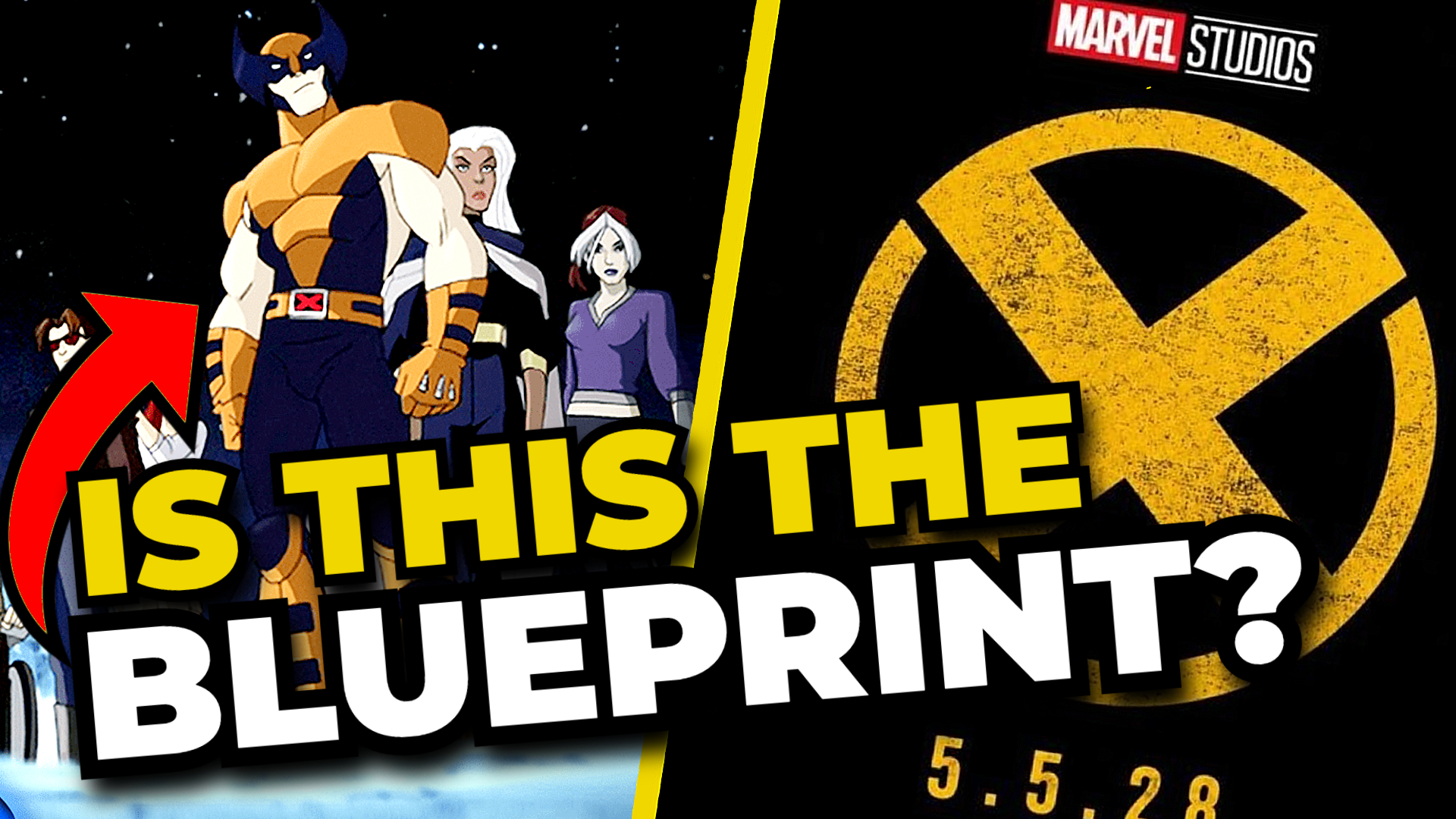
After months of speculation, rumour, and the occasional tease, the Marvel Cinematic Universe is finally saying hello to a new incarnation of the X-Men. Hot on the heels of Sadie Sink's key appearance as mutant Jean Grey in Spider-Man: Brand New Day (oh hey, a rhyme!), Kevin Feige and director Jake Schreier took to the D23 convention in Anaheim to lift the lid on Marvel Studios' much-anticipated X-Men plans, including casting announcements, a release date for the new X-Men movie, and a fancy schmancy new logo to get all of us Mutant-heads salivating.
To quote the great Frostillicus: "What a time to be alive."
More than any other Marvel property introduced to the MCU in the post-Avengers: Endgame slate, expectations are high for X-Men. With expectation, naturally, also comes anxiety. The X-Men once ruled the roost at Marvel in the '90s and 2000s, and for many (myself included), they're a highly cherished part of the House of Ideas' stable, which also means that there are a lot of opinions out there over how they should be introduced, which mutants should feature, and how best to right the missteps the previous on-screen incarnations brought to bear.
Clearly, from the casting reveals we've gotten, this incarnation of the X-Men is skewing younger than the team most audiences are used to, harkening back to the original Stan Lee and Jack Kirby comics where Professor X assembled a team of mutant teenagers to do battle with Magneto's Brotherhood of Evil Mutants. It marks a shift from most mainstream depictions of characters like Cyclops and Jean Grey, who, while given the teenage reboot treatment during the nadir of Fox's tenure with the franchise, are usually seen as the adult vanguards of the X-Men - confident, cool, but somewhat messy adults who help shepherd the next generation of mutants through a world that fears and resents them.
It's also worth noting that those original Lee/Kirby X-Men comics? They share very little in common with the X-Men as we know them today. The mutant metaphor, the cosmic horror, the soap-opera drama - these were all elements fashioned under the creative pairing of Chris Claremont and John Byrne long after the aforementioned duo had left the scene. With that in mind, True Believers could be forgiven for feeling just a smidge anxious that Marvel is skewing younger with the team's incarnation for this reboot.
But this is also all stuff that Schreier and Feige are aware of. Both have signposted Claremont's X-Men as a key influence on the reboot (and how could it not be), and it's also worth noting that plenty of recent interpretations have sought to bring those formative X-Men comics into the modern era, aligning them with the traits that made the team resonate so strongly in shows like X-Men: The Animated Series, and about two or three of Fox's X-Men films.
In fact, beyond Claremont and Jonathan Hickman (whose work Schreier also stated is impacting the development of his film), there's one interpretation of the X-Men's early years that I think provides the perfect blueprint for how Marvel could be tackling the team going forward - a little old show called X-Men: Evolution.
[Article continues on next page...]