Oscars: Every Best Picture Winner Ever Ranked From Worst To Best
How does The Shape of Water compare?
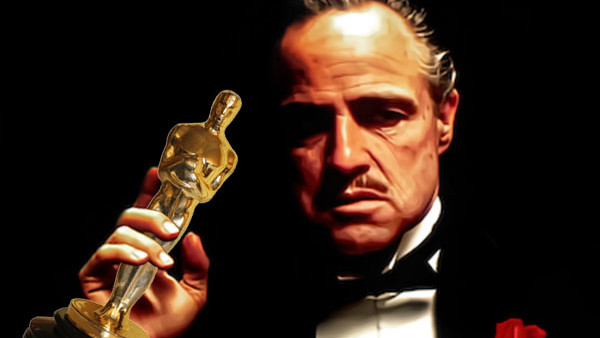
The annual Oscars circus is over for another year and Guillermo del Toro's The Shape of Water has taken its rightful place in Academy Awards history as the most recent winner. One immediately begins to wonder, though: where, exactly, does the film sit in the grand pantheon of Best Picture winners?
With almost a whole century of Best Picture winners under their belt, from badly-aged musicals to sentimental melodramas, the classic cutting-edge movies of the 1970s and everything in-between, the Oscars have awarded Best Picture to just about every type of movie over the years (except, you know, horror and sci-fi).
Sorting out the wheat from the chaff and figuring out where del Toro's audacious fantasy-romance fits in won't be easy, but it's nevertheless a great opportunity to comb back through the history of an awards show that'll have you flipping tables in anger one year, and singing Oscar voters' praises the next.
Opinions are sure to vary wildly on these rankings, so get your pitchforks nice and sharp. Here goes nothing...
90. Around The World In 80 Days (1956)
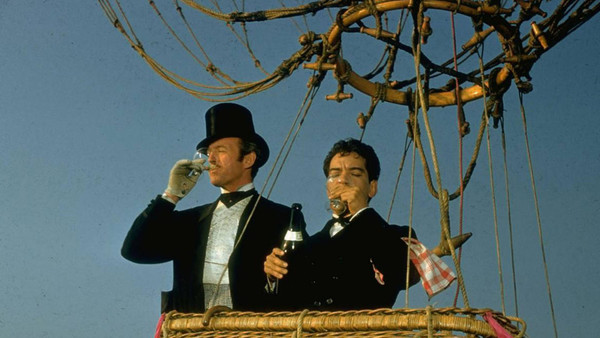
It's hard to know what the Academy was smoking when they awarded Michael Anderson's devastatingly mediocre, three-hour slog of an adventure film Best Picture, in a year where the award should've gone to Giant, The King and I or The Ten Commandments. Or, you know, The Searchers, Invasion of the Body Snatchers and a bunch of others classics which weren't even nominated.
Though David Niven makes for a fun-ish Phileas Fogg, there are moments of inspired production design and the battery of cameos provide some cheap chuckles (Buster Keaton shows up as a train conductor!), it is an oppressively bland film with an oddly lacking sense of adventure and some horrendous racial caricatures that are risible, offensive or both.
89. Crash (2005)

By far the most unpopular Best Picture winner of modern times, racism drama Crash triumphed over easy favourite Brokeback Mountain by aggressively mailing out 130,000 awards screeners to voters shortly before the deadline, brute-forcing its way to an atrocious miscarriage of Oscar justice.
The performances are at least fine if not good in most cases, but Paul Haggis' trite, simplistic script takes stock of racial tensions in the most facile, hilariously on-the-nose way. It's fascinating to observe the tenor of contemporary society and realise that Crash barely came out a decade ago.
Just 12 years since it won Best Picture, the film feels positively ancient.
88. The Great Ziegfeld (1936)
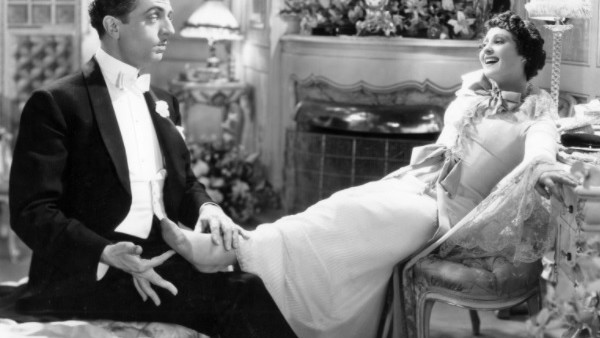
The first-ever Best Picture-winning musical biopic is a torturously overlong, hideously paced dramatisation of the life and times of theatrical impresario Florenz "Flo" Ziegfeld, Jr., which just barely raises viewer interest during its set-pieces, but even then, it's a largely soporific, low-energy affair.
The performances from William Powell and Luise Rainer - the latter winning a Best Actress Oscar for her work - are solid enough, but what can they really do in such a wilfully dull movie seemingly tailor-made to make viewers restless?
Sit your teenage cousin/niece/nephew down with this movie and see how long they can resist grabbing their phone. We're talking record time.
87. Cimarron (1931)

The first of just four western films to ever win Best Picture, Cimarron is largely only remembered nowadays for Irene Dunne's strong performance, but is generally regarded as an embarrassing Best Picture winner due to its blatant racism, so-so performances (aside from Dunne) and general lack of intrigue. That it also won the Best Adapted Screenplay Oscar is only further baffling.
If you're at all interested in the story, you may as well watch the 1960 Glenn Ford-starring version, because it's decidedly easier to get through despite being almost a half-hour longer.
86. The Greatest Show On Earth (1952)

One of Cecil B. DeMille's very worst efforts near the end of a storied 50-year career, this felt like a bit of a pity party for DeMille as he entered his seventies, especially as The Greatest Show on Earth ludicrously beat out both High Noon and The Quiet Man for Best Picture. Singin' in the Rain, meanwhile, wasn't even nominated.
Though the heft of DeMille's immense production shouldn't be discounted, that makes the sheer boredom that quickly sets in that much more mystifying, in a 152-minute aimless odyssey that's best only watched if you're an especially devoted, masochistic Best Picture completionist.
It takes a special effort to make Charlton Heston and Jimmy Stewart deliver embarrassing performances in the same movie, which might be its biggest crime, really.
85. Going My Way (1944)

This Bing Crosby-starring musical comedy is pure cinematic treacle, and it doesn't care who knows it. It is diametrically opposed to the movie that should've won that year - Billy Wilder's wonderful film noir Double Indemnity - but Crosby's signature charm shines through enough to make this fairly frothy, end-of-WWII release sometimes work.
Perhaps its most remarkable aspect is the fact that Cosby's co-star Barry Fitzgerald hilariously received both Best Actor and Best Supporting Actor nominations for the same performance, as the film pre-dated the current Academy regulations where a performance must be designated either lead or supporting prior to voting.
Despite the potential for a vote split, Fitzgerald triumphed in supporting, while Cosby won Best Actor. The film itself is...fine, but simplistic and just a bit dull at times.
84. Gigi (1958)

Few Best Picture winners have soured on audiences quite so much as Vincente Minnelli's painfully underwhelming musical romance, with its win proving all the more insulting in a year where Hitchcock's Vertigo received just two crafts nominations, winning neither.
The queasy central romance between a hoity-toighty bachelor (Louis Jourdan) and a young Parisian girl (Leslie Caron) never really strikes the right note when viewed through a contemporary lens, and it certainly doesn't help that the movie kicks off with the sublimely stomach-churning tune, "Thank Heaven For Little Girls."
Caron's turn is at least charming and the film clocks in at an incredibly reasonable 115 minutes, but the rampant misogyny makes it a tough sit today and an uneasy relic above all else.
83. Out Of Africa (1985)
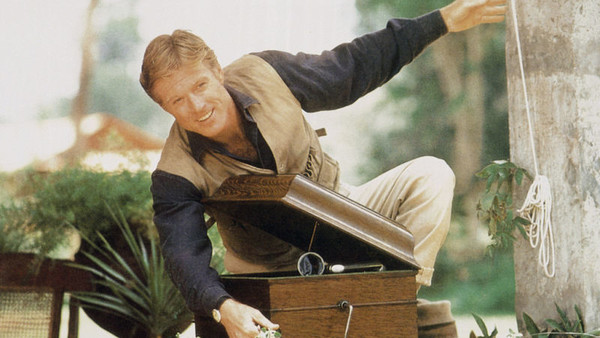
Out of Africa has not aged well. Not at all. Sydney Pollack's epic romantic drama makes good on its sharp visuals and solid performances from Robert Redford and Meryl Streep, but in a year where it went up against The Colour Purple and Peter Weir's brilliant Witness, its Best Picture victory can't seem like anything but a bit of a joke.
The Academy does love their old-school, sweeping epics, and while the movie does succeed somewhat as a love letter to the classical Hollywood era, the brutally slow pace and general lack of interest makes it one of the most cynically uninspired Best Picture winners ever.
If you really love the lead actors, it's worth a sit, but otherwise, it's a real snoozer.
82. The Broadway Melody (1929)

One of just two Best Picture winners to solely win the Big One and nothing else, The Broadway Melody is the first and arguably the worst of MGM's run of musicals, and even accepting it being almost 90 years old, it's an often oppressively boring sit, packed out with passably acceptable songs but little of inspiration.
The performances are just there - hence the lack of nominations - and there's good reason why, let's be honest, most people have never even heard of it. While lauded at the time, the film has essentially fallen completely out of repute and recent years, and without being staunchly committed to your film history, there's very little reason to bother with it.