Quentin Tarantino: Definitive Guide To Homages, Influences And References
Kill Bill Vol 2
9. Mr Blonde's Gas Can
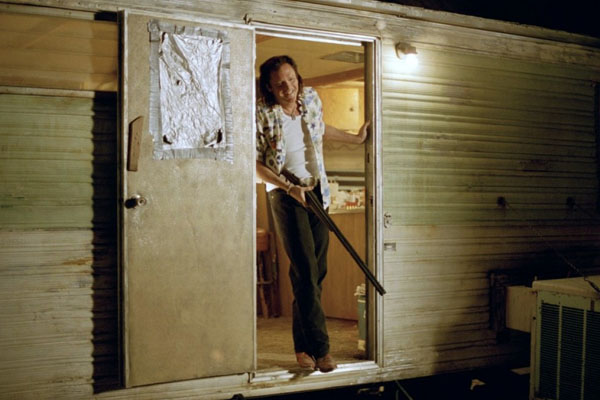
Mr Blonde's gas can from Reservoir Dogs can be briefly glimpsed in Budd's trailer. The way Michael Madsen stands in the doorway of his trailer, leaning on the doorframe is another visual reference to the pose he strikes in Reservoir Dogs.
8. The Borrowed Desert Shot
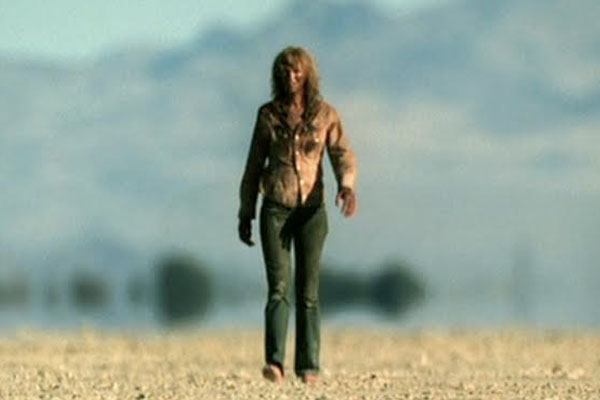
When the Bride walks across the desert in a wide, blurry shot, it's identical to one used in Sergio Leone's Once Upon A Time In The West, in which Charles Bronson's character, Harmonica, remembers Frank (Henry Fonda) in a flashback.
7. Elle's Blade Runner Pain
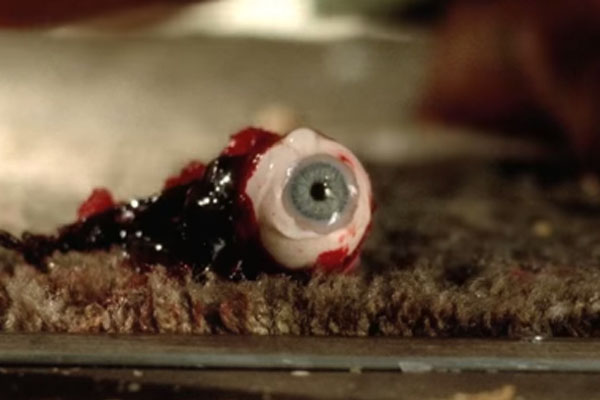
When Elle Driver's eye is plucked out by the Bride, she falls to the floor and proceeds to thrash about, screaming wildly. Though this might be a coincidence, it's possible that Tarantino saw an opportunity to make a reference to Hannah's character in Blade Runner, Pris, who is shot by Rick Deckard (Harrison Ford), falls to the floor, and thrashes about in an extremely similar fashion.
Kill Bill Vol 2
6. A Fistful Of Dollars
The theme from Sergio Leone's A Fistful of Dollars is played when Budd shoots the Bride with rock salt outside his trailer. This music was also, of course, composed by Ennio Morricone.
5. The Burial Scene
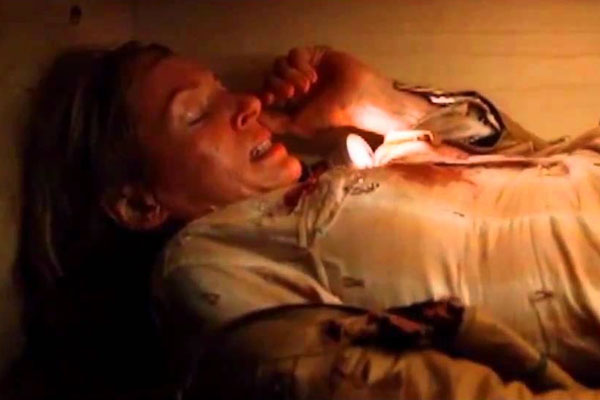
The way the Bride's burial sequence is shot is near identical to a similar scene in City Of The Living Dead (1980). Similarly, the moment she bursts from the soil and clasps for air is a reference to a moment that occurs in Django Kill! (1967). The epic music that accompanies the Bride's escape from the coffin is the theme from L'Arena, a spaghetti western. That music too was composed by Morricone.
4. Paula Schultz
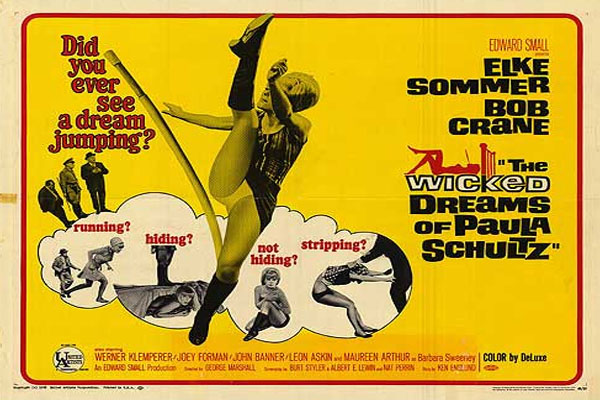
The Bride is buried alive in a grave marked Paula Schultz. This is an apparent allusion the 1968 comic flick The Wicked Dreams of Paula Schultz. Tarantino would late create a character called Dr. King Schultz for Django Unchained, played by Christoph Waltz.
Kill Bill Vol 2
3. Shogun Assassin
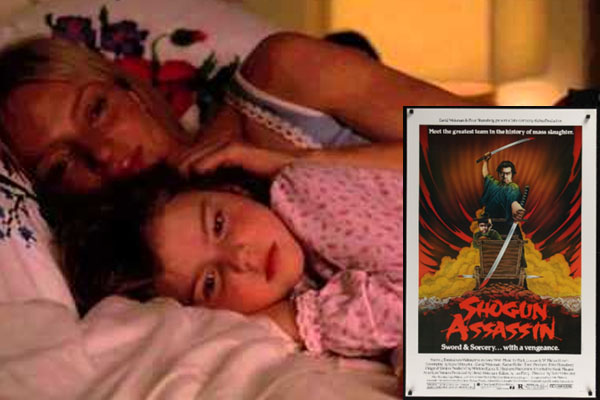
Bebe's late night movie choice is Shogun Assassin, a sure-fire influence on the bloody samurai aesthetics of the first volume. Shogun Assassin was banned in many countries upon first release, but remains a classic example of the "exploitation movie" today.
2. The Most Painful Place To Be Shot
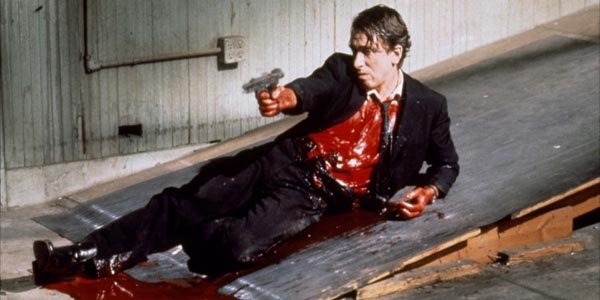
When the Bride and Bill are talking, Bill says his next shot will be in her kneecap, which he hears is quite painful, which echoes the sentiments of Mr White in Reservoir Dogs, who tells Mr. Orange that, "Aside from the kneecap, the gut is the most painful area a guy can get shot in."
1. The Superman Speech
For Bill's Superman speech, Tarantino heavily referenced satirical cartoonist and writer Jules Feiffer's The Great Comic Book Heroes (1965), which was one of the first major studies of superheroes. The writer says he never saw the movie and had no idea his work had been used.
Death Proof
24. The Title
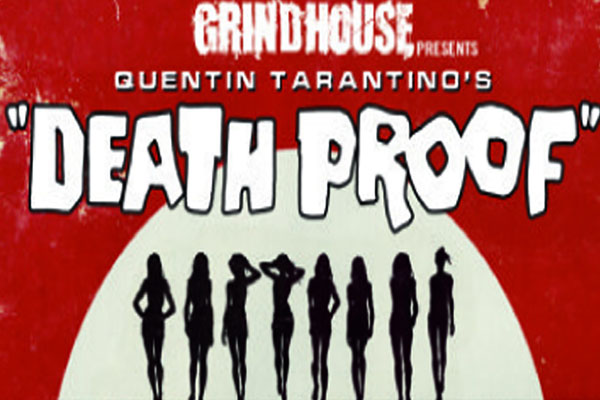
Tarantino got the inspiration for the title of the movie from a friend who told him that you can give a stunt team any car and for $15,000 they can "make it death proof." Tarantino, who apparently "didn't want to die in a car crash like the one in Pulp Fiction," thought the phrase was so funny that he kept it stored in his head, and eventually found use for it as the title for his grindhouse flick. Death Proof is Tarantino's dual homage to car chase movies and slasher flicks.
23. Thunder Bolt
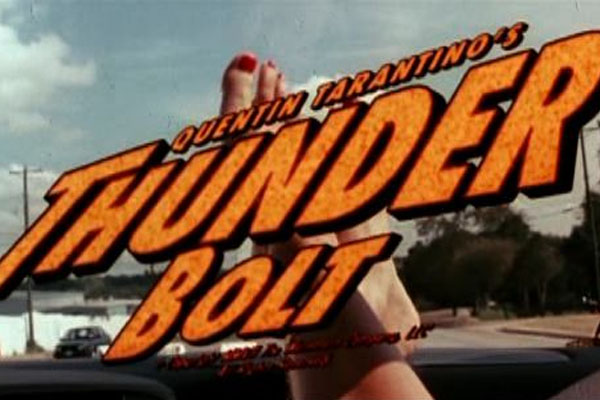
When the opening credits begin, the film's true title "Quentin Tarantino's Thunder Bolt" flashes up for less than a second before being replaced with a black title card that displays the title Death Proof. This is a nod to the fact that many grindhouse theaters were given different titles depending on where they were released. Often projectionists would use a similar black title card like the one that appears in Death Proof, though the results would often allow for a glimpse of the other title. The "Thunder Bolt" typeface is based on that of 50s hot rod flick Thunder Alley.
22. The Car Chase Movie References
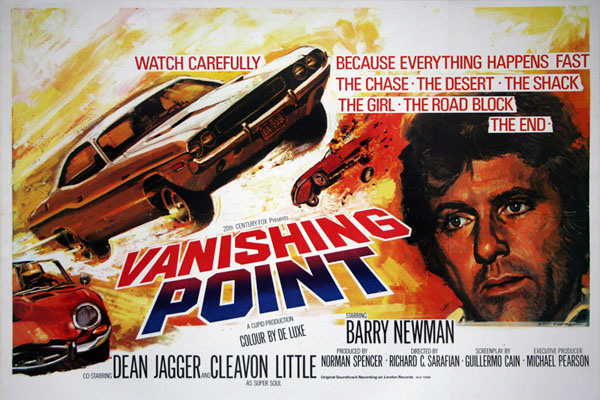
Stuntman Mike makes several verbal references to famous car chase movies: Vanishing Point (1971), Dirty Mary Crazy Larry (1974) and White Line Fever (1975).
Death Proof
21. The Rubber Duck And The Licence Plates
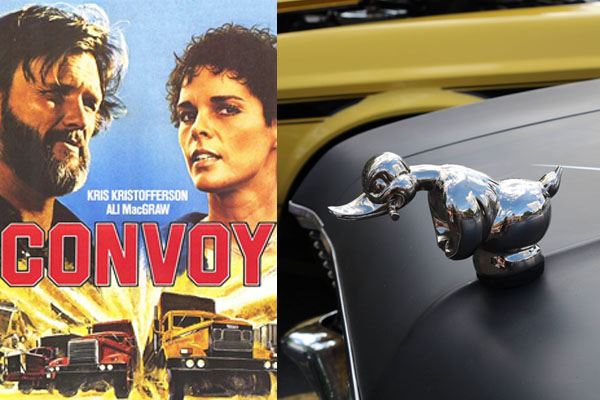
Stuntman Mike's cars both feature a "Rubber Duck" hood ornament as a reference to Kris Kristofferson character Rubber Duck's truck in Sam Peckinpah's Convoy (1978) . The license plate numbers (JJZ-109 and 938-DAN) are also references to the license plate numbers of the cars in the films Bullitt (1968) and Dirty Mary Crazy Larry (1974). Additionally, Kim's yellow and black car is based on the Bride's outfit in Kill Bill.
20. Mike's Watch
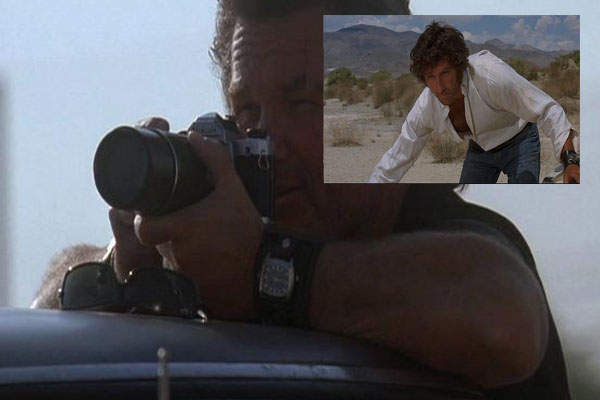
Stuntman Mike wears the same type of wristwatch that Kowalski wears in Vanishing Point.
19. Kurt Russell's John Wayne Voice
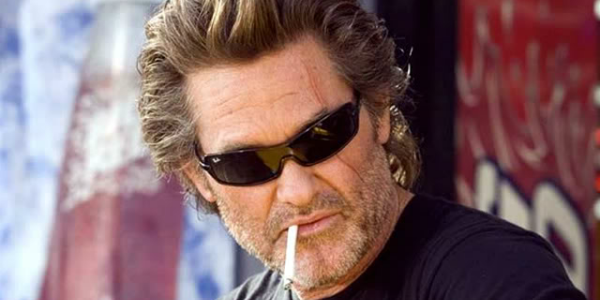
Stuntman Mike talks in a John Wayne voice during one point in the movie. Surprisingly, this isn't the first time that Kurt Russell has had to do such a thing. In John Carpenter's Big Trouble In Little China (1986), Russell's character Jack Burton talks in a constant John Wayne impression. Burton's famous Asian-themed vest can be glimpsed hanging on the wall in the Texas Chilli Parlor.
Death Proof
18. The Bar Posters

In the bar sequence, posters for a number of films, including Les Tres Elenas (1954), El límite del amor (1976) and En carne viva (1951).
17. Julia's Posters
There are a number of other movie posters scattered throughout Death Proof: these include Soldier Blue (1970) and Paranoia (1970) (glimpsed in Jungle Julia's apartment).
16. The Bird With The Crystal Plumage
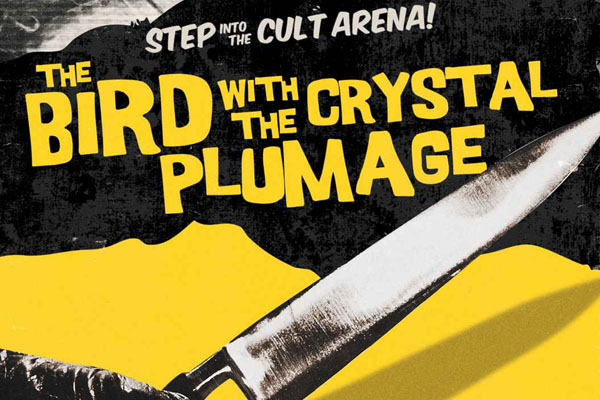
Stuntman Mike's tendencies in photographing girls before he attempts to kill them is taken from Italian "giallo" films, whose voyeuristic murders would characteristically stalk girls in this fashion before doing away with them. Giallo means "yellow" in Italian, and refers to the colour of pulpy crime murder mystery novels that were immensely popular at the time. The scene in which Stuntman Mike photographs the second gang of girls recreates a scene from giallo master Dario Argento's debut, The Bird With The Crystal Plumage.
Death Proof
15. Death Race 2000
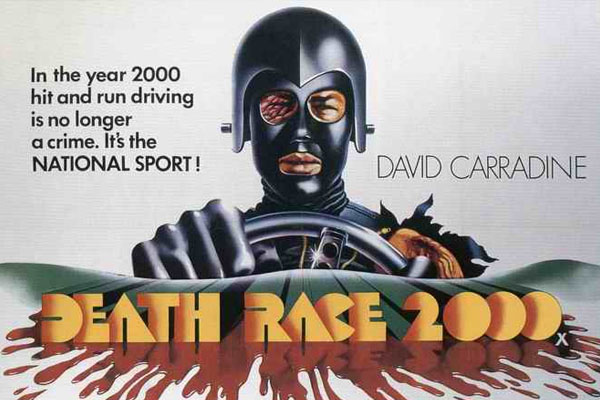
Sheriff Earl McGraw refers to Stuntman Mike as 'Frankenstein' when he is in hosptial, referencing David Carradine's character in Death Race 2000, a film that features killer drivers running down pedestrians for sport. Additionally, Tarantino dedicated Death Proof's screenplay to Charles B. Griffith, the writer of Death Race 2000.
14. Cecil Evans
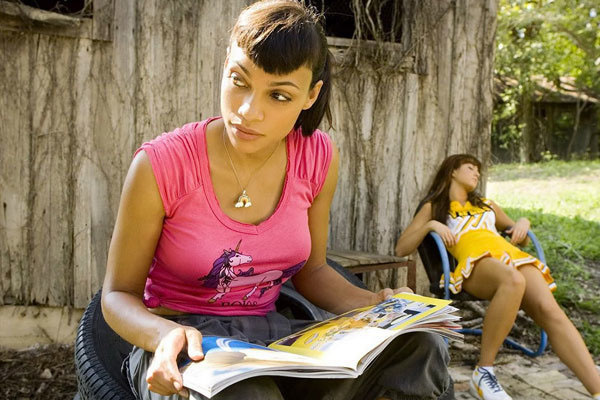
During the girl talk sequence in which the female foursome trade romantic stories, Abernathy mentions that she had a thing with director Cecil Evans on her last job. Cecil Evans is the name of the transportation coordinator who worked on Sin City, Death Proof and Spy Kids among others. Additionally, Jungle Julia's surname, Lucai, is actually the name of QT's former personal assistant Victoria Lucai.
13. "That's A Little More Information..."
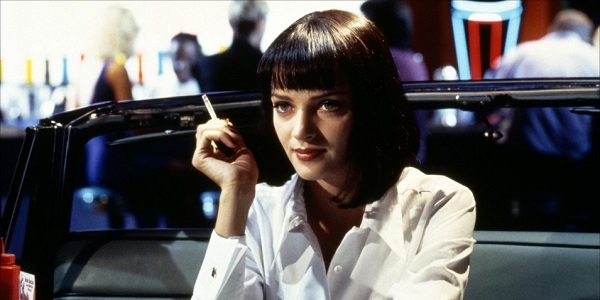
In the liquor store, Kim tells the others that she needs to pee to which both Lee and Abernathy respond "That's a little more information then we needed to know," referencing Pulp Fiction (1994) in which Mia Wallace says the same thing to Vincent Vega.
Death Proof
12. Ronco's Mister Microphone
When Kim, Zoe and Abby take the Dodge Challenger for their "test drive" and abandon Lee in the process, they pull up next to her and Abby says: "Hey good looking... we'll be back later for YOU!" taking a line from a cheesy 1981 advert for Ronco's Mr Microphone.
11. Zatoichi
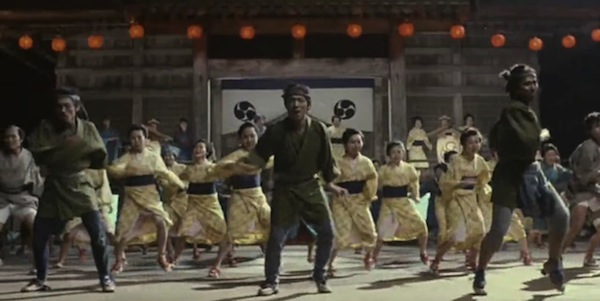
Jungle Julia refers to Stuntman Mike as Zatoichi when he fails to see the giant Jungle Julia billboard in front of him, referencing the swordsman who starred in Japan's longest running film series.
10. Faster Pussycat!
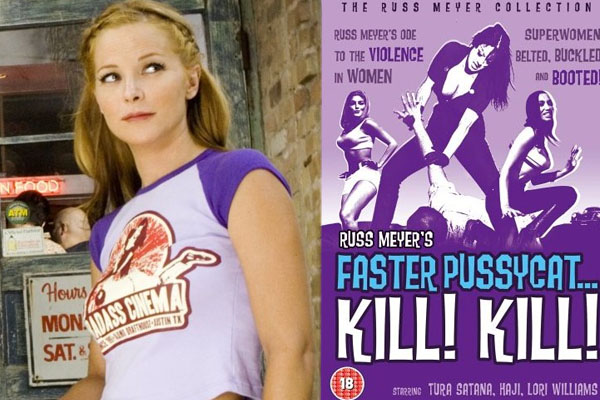
Shanna's t-shirt carries the image of Tura Santana's character from Faster Pussycat! Kill! Kill! with the words "Badass Cinema" emblazoned beneath it. Zoe, Kim and Abernathy develop into a tough girl gang at the end of Death Proof, an evolution no doubt inspired by the original characters of Varla, Billie and Rosie from Russ Meyer's Faster Pussycat! Kill! Kill!.
Death Proof
9. Junior Bonner
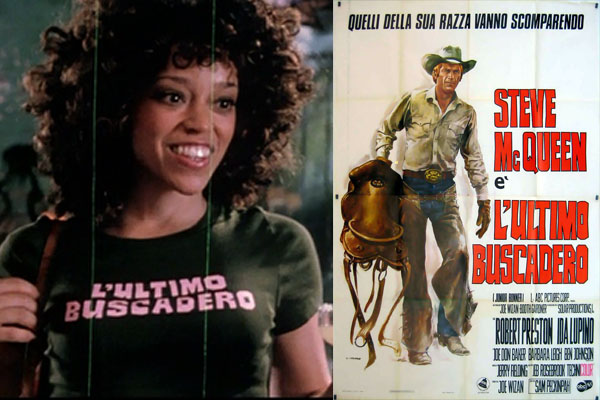
Marcy's t-shirt that reads "L'ULTIMO BUSCADERO," references the Italian title for Sam Peckinpah's Junior Bonner (1972), starring Steve McQueen.
8. The Movie Billboard
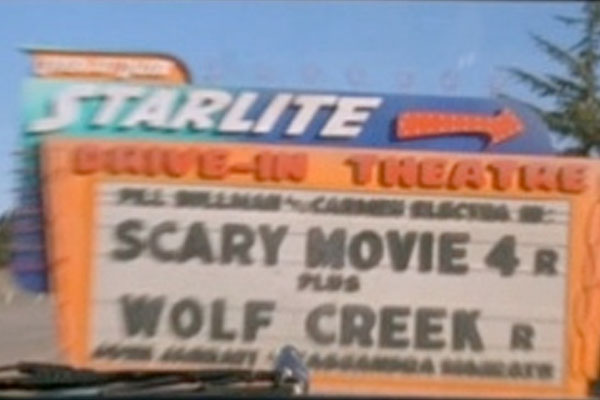
At one point, Stuntman Mike Stuntman Mike crashes his car through a sign for the films Wolf Creek and Scary Movie 4.
7. Gulp!
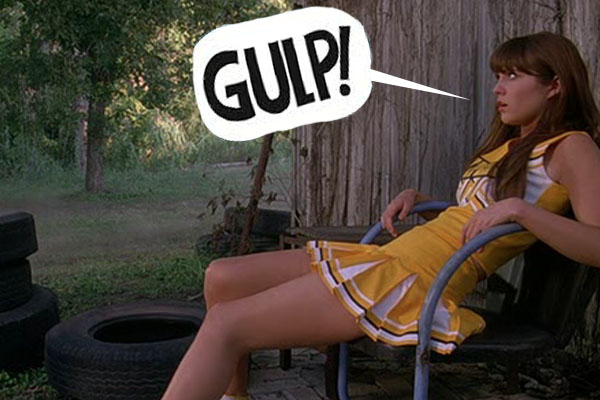
When Mary Elizabeth Winstead's character, Lee, is left alone with the redneck who sells the gang the Dodge Challenger, he approaches her and grunts, provoking her reaction, which is to say "gulp" out loud. This is likely a reference to Warner Bros. cartoon characters who often to the same thing.
Death Proof
6. A Wilhelm Scream
When Stuntman Mike crashes into the first group of girls and kills them all, you can briefly hear the iconic Wilhelm scream.
5. Breaking The Fourth Wall
When Stuntman Mike convinces Pam to agree to lift, he stares directly into the camera and smiles before throwing his cigarette down. This is likely a reference to several French new wave films, where breaking the fourth wall was a common occurrence.
4. The Virginian
Stuntman Mike mentions to Pam that he used to be a stuntman on the TV show The Virginian. Kurt Russell made several appearances on the show when he was a kid.
Death Proof
3. The Activation Poem
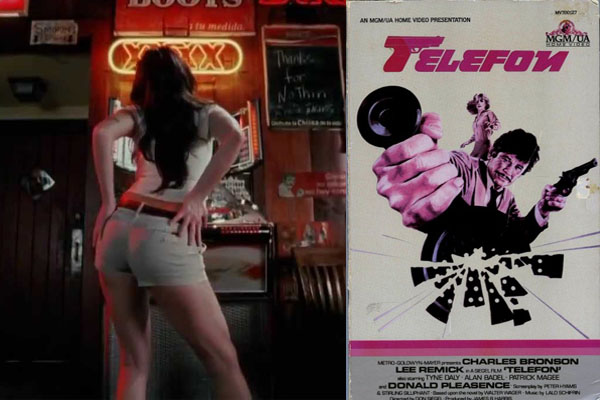
Robert Frost's "Stopping By The Woods On A Snowy Evening," the poem that Stuntman Mike uses to convince Arlene to give him a lap dance, was also used as an activation signal for sleeper agents in the 1977 Charles Bronson film Telefon. When a certain passage from the movie is recited, the agents awoke to reek havoc on the United States. The film was directed by Don Siegel.
2. The End
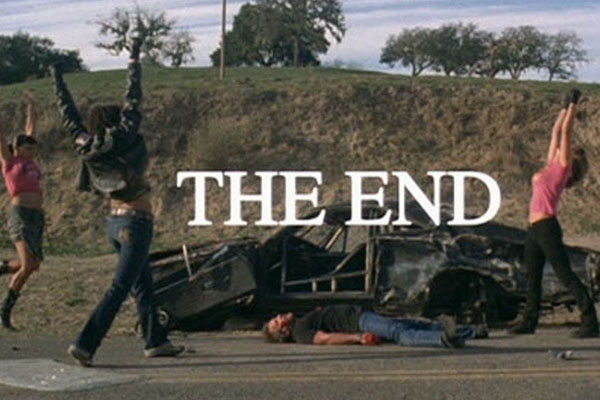
The film's final freeze frame is a direct homage to the way that Shaw Brothers kung-fu movies would end. Both the dodgy-looking "The End" and celebratory musical cue were highly characteristic of these movies, which would often end with a shocking abruptness as soon as the main villain had been dispatched.
1. The Vipers
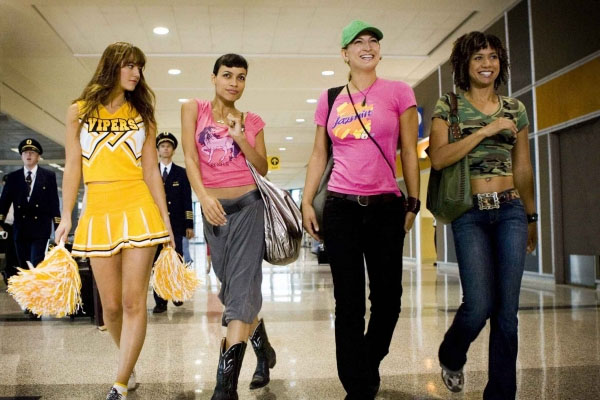
Leigh's cheerleader uniform displays the team name "Vipers," a reference to the Deadly Viper Assassination Squad in Kill Bill.