Spectre Review: 8 Reasons It's Worse Than Skyfall

But still much, much better than Quantum Of Solace.
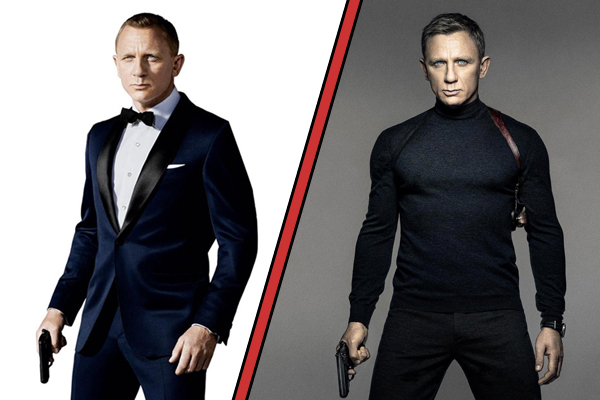
It's time for the triannual tradition of heading out to the cinema en masse to see a franchise built on its reused tropes that has more bad entries than good. Yup, Bond is back. I love James Bond. It's a franchise with such cultural heft and adaptability that it long ago became so much more than the sum of its parts, meaning even if the previous film was a Quantum Of Solace-level disaster it's impossible to not get excited (often unreasonably) for the next. What makes Spectre even more hyped than your standard 007 flick though is that it's the follow up to Skyfall; the biggest Bond movie ever, recipient of rave reviews and an astounding box office take. All hopes were that in bringing back Sam Mendes and introducing the iconic, eponymous evil organisation that we'd wind up with another masterwork. But, after finally seeing it, I can't help but find it something of disappointment. There is, of course, plenty of things that Spectre gets really right, ensuring it's still a fun, solid Bond experience; it brings humour back to the franchise in a mostly fitting way and the world of spies and counter-intelligence has never looked more real. The problem is it doesn't all come together to be anything more than an average movie, made deflating by coming directly after the high watermark of the series. It's not just that Spectre isn't as good as Skyfall though; being so directly linked to its predecessor (this is, in many ways, a proper sequel, as opposed to just a new entry) is the main cause of why it doesn't totally work. So, jumping off from my full review, I thought I'd go into a little bit more detail about that. Here are the eight (spoiler-free) reasons why Spectre is worse than Skyfall.

8. The Opening Sequence Is (Obviously) Not As Good
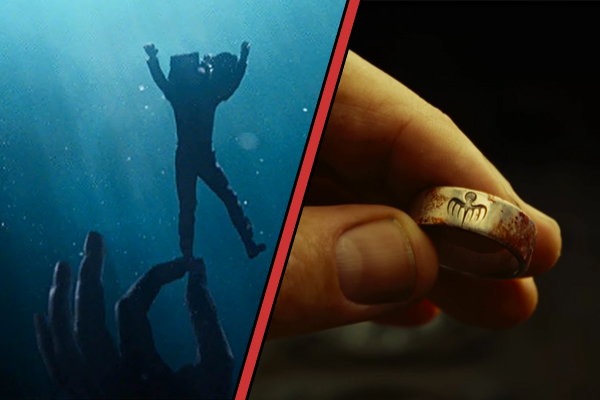
Released in the weeks leading up to the films themselves, the four-or-so minute opening song for a Bond film is dissected and declared good or bad long before the MGM lion roars. For Spectre it was the turn of Sam Smith to be put under scrutiny, with his Writing's On The Wall getting a pretty mixed reception (I personally quite liked it - the song feels like a Bond theme and is very much tied to the plot of this film). The problem with this advance notice is that so many people have passed judgement on the song, and by extension the opening sequence, before even seeing the other key part of the titles - the typically-psychedelic visuals. And in this area Spectre does... OK. Adele's Skyfall (already a great Bond song) was accompanied by a great montage that name-checked many of the key parts of the upcoming film (including some cheeky foreshadowing of M's death and that the title referred to Bond's childhood home) with culturally-suitable style. It'd be hard to top, but Spectre doesn't really seem to be trying. The opening animation here is certainly well done, but it is a bit weird. Experimental would be the best way to describe it, and like anything trying out crazy ideas not all of them hit. There's a great recurring giant octopus (Spectre's logo) ensnaring Bond, his past and loved ones, but also some rather bizarre elements, like a topless Craig being caressed by women with burning hands. Writing's On The Wall haters will not be convinced.

7. The Erratic Pacing Kills Character Development
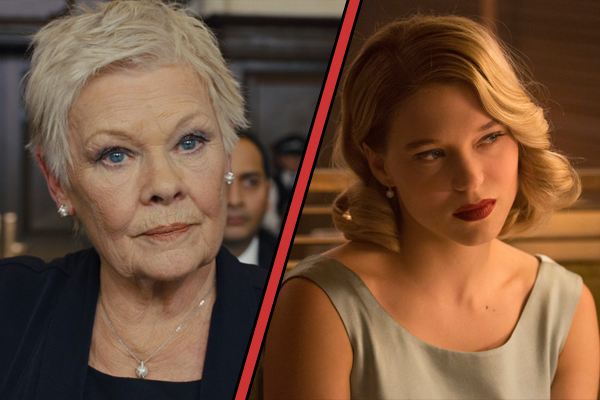
What is it with 2015 blockbusters and an almost flippant approach to pacing? Fantastic Four was so clearly made in the edit and Avengers: Age Of Ultron barrelled along faster than Quicksilver (bar that extended stop off at Hawkeye's farm), and now Spectre arrives with a scattershot plot that speeds and stagnates in all the wrong places. The film is essentially following Bond tracking down a couple of loose threads from the opening (and the end of Skyfall, sort of), but he's also a good few paces ahead of the audience, in possession of knowledge we have no way of being privvy to. Because of this we jump from on pretty backdrop to another without ever really knowing the full reason why, or what to expect when we get to the new destination. At points Bond himself doesn't know exactly what's going, which is refreshing, but the speed here (and the general relaxation when an action scene comes along) make Spectre's narrative hard to invest in. In particular, character motivations fall flat; they are often stated without proof, something that effects Oberhauser, Mr. Hinx and definitely Monica Bellucci's Lucia Sciarra, although the biggest casualty is Madeline Swann. Léa Seydoux is phenomenal as this multi-layered Bond girl, the best female companion since Vesper Lynd (and one of the few things in the film that is better than the Skyfall equivalent), even though every single step in her arc (and she does go through a transformation) comes out of left-field. On film twenty-four it's a given that the attractive woman will fall for the government-sanctioned killer, but, with such an expanded role from the norm, Swann needs time to mature.

6. The MI6 Subplot Is Silly And Repetitive
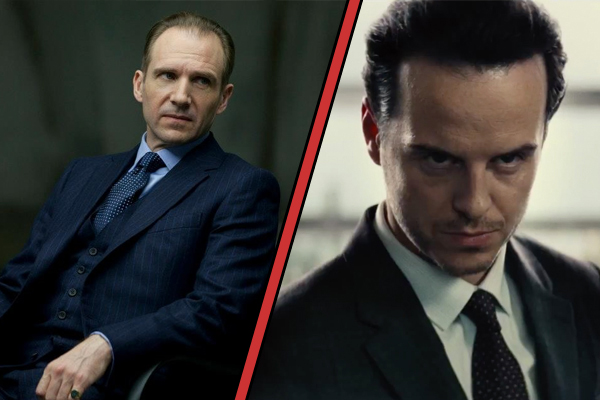
London's involvement in Bond's adventure's used to be M handing him his mission, Q throwing out an endless stream of hilariously specific gadgets and Moneypenny flirting unsuccessfully, all in the first ten minutes before sitting behind their desk twiddling their thumbs for the duration, potentially returning at the end to send some troops to help Bond or getting all squirmy at his womanising. Not in the modern era though; throughout Craig's tenure their roles have been expanded greatly. By Skyfall they were reworked to be integral to the story, and now in Spectre the MI6 top brass get their very own subplot. M is coming under attack from Denbigh, Andrew Scott's bureaucrat who is trying to revolutionise secret intelligence, introducing more technological gizmos and ending the 00-program. There's a nice idea in there about the balance of man- to machine-power, but the execution is all very cliché; a hammy sort-of-antagonist is forcibly introduced at the start and then it's just periodic cutaways to Ralph Fiennes being angry or Andrew Scott being Andrew Scott that feel consistently disconnected from whatever Bond's doing. But, worse than all that, the whole point of this story seems to be just to rehash something that was already done much better in Skyfall - the case for spies in the modern age. The tech angle promises something new, but it's all so undernourished that it doesn't really add anything. In fact, it's so repetitive to the point where Skyfall's "Have you killed a man" exchange is reused, only with M on the other side of the conversation.

5. The Cinematography Feels A Bit Like An Imitation
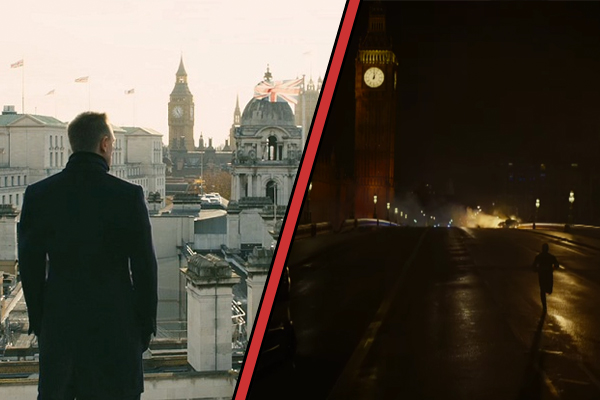
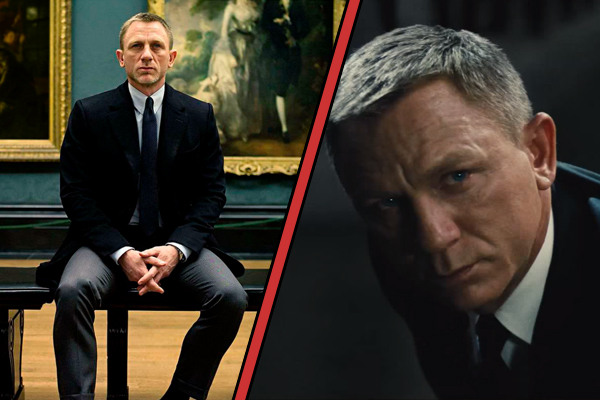
Skyfall was a big budget blockbuster that had an extended scene where it compared itself to a Turner painting and it didn't feel incongruous or high-reaching; put simply, it looked amazing. Roger Deakins has been ascended to the level of Cinematography God in recent years and based on his work there it's hard to complain. Deakins isn't back for Spectre, but being replaced by the no less competent Hoyte Van Hoytema (Interstellar, Her) means there's still a lot of eye-candy in here. The opening shot in particular is phenomenal (the best thing in the film for sure), an extended long take that covers a long stretch of Mexico City and encapsulates all elements of Bond's persona, although throughout his landscapes and locations look gorgeous. The problem is that while Skyfall took Bond's classic "borrow from whatever's popular" approach and inserted a grandiose style to just the right level, Spectre can go a bit too far. There's a shot where Bond walks up behind a character out of focus and has a conversation before the camera adjusts for the delivery of a potent line. This should convey of unknowing and fear, but the effect is far too noticeable to have the desired impact. Like a few scenes later on that use harsh lighting to be painfully minimalist, there's some great stuff on show, but it's all a bit obvious. The disparity between the two films isn't as massive here as it is with other points; Spectre's cinematography is at many points good, it just feels a bit like an imitation.

4. The Villain Is Less Impactful

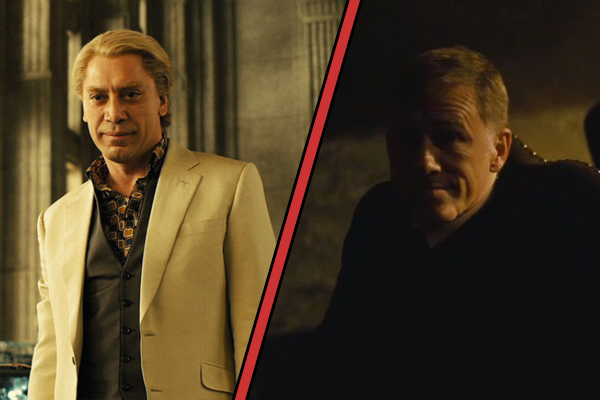
"It was me, James. The author of all your pain," gloats Christoph Waltz's Oberhauser (yes, Oberhauser) to Bond. He's a bigger villain than Silva, head of a whole terrorist organisation and not just rows of computers, and poses a much more potent, almost ethereal threat. Well, at least on paper. In the film though, Franz isn't really presented or treated all that differently to his predecessor, which makes for a foe that, while entertaining, doesn't quite live up to his potential. Exactly beacuse Waltz is intended to have an expanded role when compared to Javier Bardem (two actors who, incidentally, both won Oscars for playing villains), getting a similar presentation means Oberhauser ultimately feels underwritten. That element is somewhat combated by a pretty great, menacing performance (although Waltz's turn does hint that he's at risk of falling into type) which ensures he can have a strong impact in certain moments - the Rome meeting of S.P.E.C.T.R.E. top brass shows real restraint and takes place in hushed whispers and shadowy stares - if never as much as Silva. It's a case of "good, but could have been so much more" (pretty much like the film). The whole repetition issue that plagues the film also pops up here - once again an animal metaphor is used to relate the baddie to Bond, a pair who have an odd past connection, and he has a scheme that is really far too complex to be logically planned.

3. The Action Sequences Overstay Their Welcome
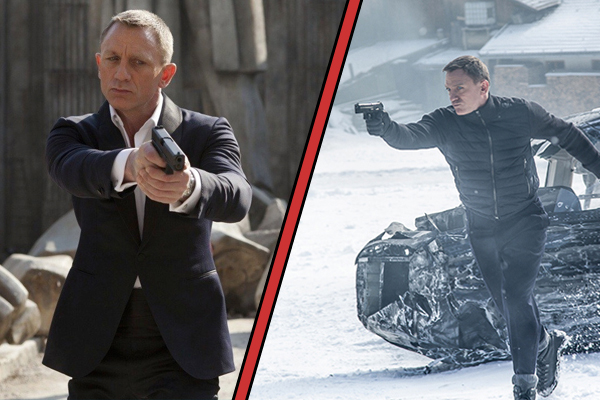
It's easy to forget in all the talk of plot and photography that Bond is essentially an action franchise. A highly classical one that adjusts with the times to offer a progressive experience, but an action franchise all the same. With that in mind, what really impressed with Skyfall was how Sam Mendes, a director who's most action-heavy previous film was Jarhead, managed to craft multiple adrenaline-pumping sequences without it ever looking like his first mission. The final house assault, with the lighting getting increasingly dark and Bond's hopes getting even more desperate, stands as one of the series' best sequences. The action in Spectre, on the other hand, is more what you'd expect from a director working with stunts for the first time. All the sequences are certainly on a larger scale, going on longer, covering more ground and featuring more elements that those in Skyfall (or any of Craig's films), but while Mendes has a sure hand on making them followable, they're not as tightly edited and feel ultimately a bit inconsequential - there's not always enough narrative weight to justify their length. Fun for what they are, but not really anything to rave about outside of certain cues. One of the odd choices in these is the use of music - it alternates between the booming score that almost drones out sound effects and dialogue (think Interstellar) or being totally diegetic - but what really threw me (although I'd be lying if it didn't work at points) were the lighter moments that break up the tension. Certainly more classic Bond, but sometimes executed out of place.

2. The Bond References Go Too Far

"Bond, James Bond." "Martini, shaken, not stirred." The car. The gadgets. The girls of varying levels of disposability. Some smart quip after a pretty gruesome death. The Bond formula is so well-defined by now that sceptics could repeat it from memory. However, now there's another key element of the blueprint that's gone from optional to essential - references. While Craig's films have had a more back-to-basics approach, dispensing with the sillier franchise elements and grounding the events in reality, to appease long-standing fans there's still be lots of shout-outs to the classic films. After some hiccups in this regard (Casino Royale went too far away for some, even nixing the classic theme, while the Oilfinger scene in Quantum Of Solace was just bizarre), Skyfall hit a perfect balance - still grounded, but able to embrace the legacy. Spectre takes that and unfortunately pushes it too much. Here the references aren't just part of backdrop for fans to delight about - they are essential to understanding what's going on. The plot relies on having followed the adventures of each of Craig's previous and the whole ideology behind Spectre is only ever vaguely spelled out (there's not even an attempt to explain that their name is acronym), assuming you know the details already. If you don't come in with fifty years of knowledge, then you're given very little in terms of actual motivation or story behind the globe-trotting.

1. The Dissection Of Bond

What made Skyfall so good was that it was a Bond film with subtext. Rather than just feeding Cold War paranoia or offering simple escapism, it took an introspective look at James Bond the man, dissecting what the character really meant and assessing his place (and that of the old world of spies he represented) in the real world. It was something that had been flirted with at various points in the franchise's past, but had never been explored to its full potential. Spectre, on the other hand, tries to... do pretty much exactly the same thing. Oh. Once again MI6 is under threat from the new age and once again Bond must face his own demons and once again a Bond girl spends a fair bit of time questioning her new paramour's place in society. There's some subtleties in the differences and how the conclusion is reached, but for all intents and purposes this is a sequel that is happy just repeating what the original did. It's not just that we've been here before though - the Bond formula makes that all but a necessity. No, the problem is that all this dissecting isn't really that well executed. This is like a standard Bond movie with introspection sprinkled on top, a vague attempt to take a deeper look at 007 without wanting to fully commit to it. We never go as deep as Skyfall and the few unique concepts thrown up are either weak or left rather unexplored. Maybe Daniel Craig's arc is just done - he was the new guy in Casino Royale and by Skyfall was the old guard - and there's nowhere else to progress. Fair enough, but if that's the case don't just start repeating yourself - find a new angle or fully embrace the old style. What we get with Spectre is really just a epilogue to Skyfall; enjoyable enough, but a bit needless. Spectre is in UK cinemas from 26th October and US cinemas from 6th November.

Contributor
Contributor

Film Editor (2014-2016). Loves The Usual Suspects. Hates Transformers 2. Everything else lies somewhere in the middle. Once met the Chuckle Brothers.