Star Wars: 8 Ways To Do The Perfect Obi-Wan Spin-Off
'Kenobi: A Star Wars Story' sounds brilliant, doesn't it?

It isn't hard to see why the legendary Obi-Wan is such a fan-favourite, having been brought to life by the late Sir Alec Guinness and also Ewan McGregor too, the iconic Jedi is one of the only elements of consistency in the saga, with the brilliance of the character coming from the fact that he is as equally as fantastic in 'A New Hope' as he is in 'Revenge of the Sith,' or both the Clone Wars animated adaptations.
McGregor actually got a minor cameo in The Force Awakens, and one can only hope that another appearance is on the cards for The Last Jedi. There are plenty of stories left to be told, all of which possess great potential to tell a fundamentally different and engaging Star Wars feature. Indeed, Obi's one of the biggest personalities in the Star Wars canon, and it must be said that a solo feature - one free from the ensembles that have so often dominated the franchise - is long overdue.
It would be a deviation from the norm of past literature, but given the success of Rogue One, change - at least in respect to a galaxy far, far away - can only be a good thing.
8. Bring Back Ewan McGregor
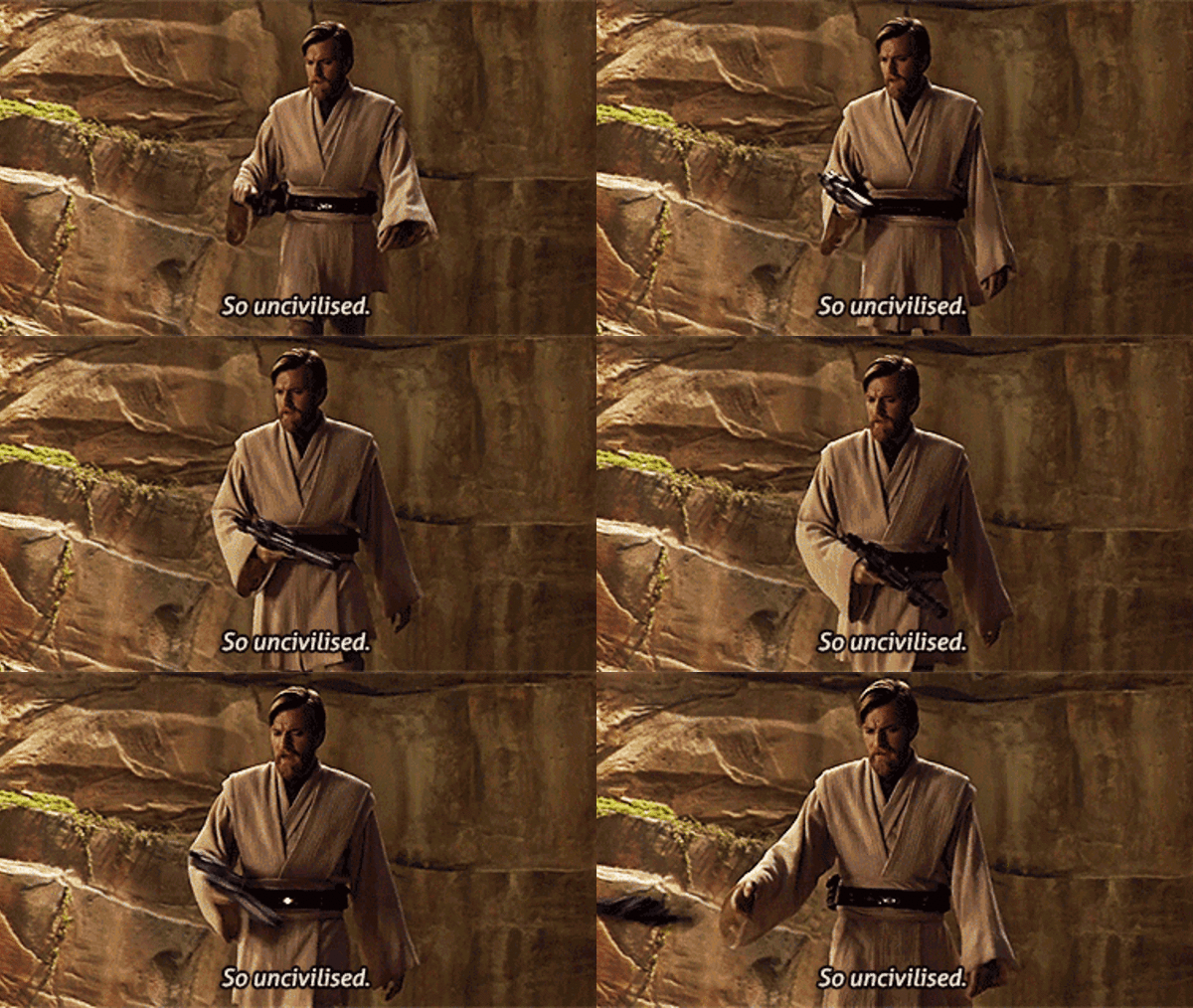
One of the few redeeming features of George Lucas's much maligned return to the saga, McGregor's performance as Obi-Wan was a more than commendable take on the role brought to life by Alec Guinness.
McGregor managed to embody the sarcasm, irony, and most importantly the intelligence of the character that had come to define the Jedi as soon as he walked onto screens in Star Wars' debut in 1977, which pretty much makes him a no-brainer to return to the role if Disney pursue it further.
All signs at this stage point towards the Star Wars veteran reprising his role as the character, with the actor previously stating he'd be more than enthused about returning if given such an opportunity.
McGregor's brief appearance in Rey's vision during The Force Awakens' second act would indicate that the House of Mouse is at least dabbling with the prospect of seeing the actor don the Jedi robes once more, but it's about more than just retaining a simple sense of continuity. McGregor navigates the character with such a proper sense of self-awareness yet emotional warmth that makes him irreplaceable in the position.
Furthermore, if we were to take the belief that Disney are looking to position the character in his self-imposed exile on Tatooine, McGregor is at the perfect age to explore his early years on the planet, watching over a young Luke Skywalker yet unable to train him at the behest of his adopted family.
7. Make It A Genre Film
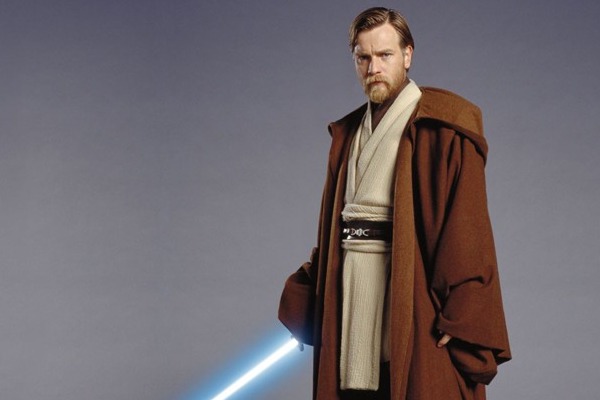
A film focussing on Kenobi should endeavour to create a tale free from the grandiose nature of previous Star Wars releases, instead looking towards maybe one or two genres instead. In Kenobi's case, there are two best suited for the character's position; the western and the war film.
A war epic centred around the general's time during the Clone Wars would certainly build upon the resounding success of the animated show's final four seasons, but in the interest of a live-action interpretation should aim to up the ante a little. We've seen Obi-Wan at his best and his worst, but delving into his beliefs and experiences regarding the conflict would ground the narrative and add further emotional weight and nuance to a character we thought we knew more than enough of already.
This would certainly fit along nicely with Rogue One's status as a war film first and foremost, though diversity in storytelling should always be paramount to ensure audiences get the most out of the saga's latest iteration. Alternatively, the most desirable way to approach the character's exile on Tatooine would be to ground the title in a western-inspired plot and narrative reminiscent of the Sergio Leone classics everyone has come to love at some point or another, framing it as a character-driven tale focussing on Ben's time roaming the Jundland Wastes.
Placing a spotlight on the character after the emotional bereavement of Order 66 would make for a tale more sombre and withdrawn than other films, but a small-scale adventure would break the pace between the keynote releases of the saga nicely, whilst also providing variety to avert franchise fatigue.
6. How Did 'Ben' Adapt To Hermitage?
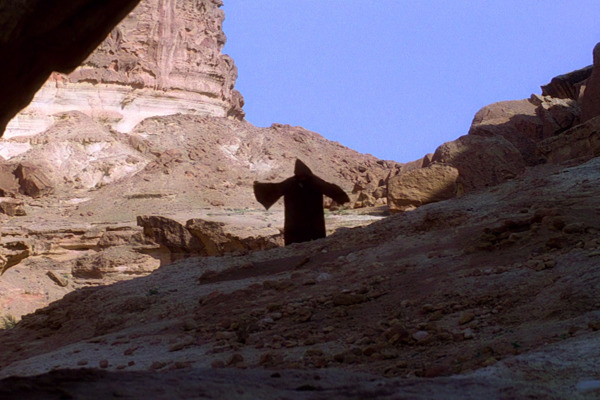
When audiences were first introduced to Ben Kenobi in 'A New Hope' he was a withdrawn and nostalgic man, clinging to an old religion not practiced for over 30 years - a far cry from the legendary Jedi fans became accustomed to in the franchise's prequels.
Portraying this transition in how Kenobi shifted from being a guardian of peace and justice to a recluse unable to act would make for the most intriguing premise possible, and would bring with it the internal conflict intrinsic to his downfall. This wouldn't make a script centred around the Jedi's days on Tatooine devoid of adventure, as there's little chance Kenobi flicked the switch and no longer bore the responsibility of keeping the peace, even if he was now relegated to a lone planet and not the galaxy he once explored.
Indeed, the more likely narrative that transpired would probably position Obi-Wan on the bordering paths of non-intervention and vigilantism, as the choice to hide would conflict with his years spent in the Jedi Order.
Of course, Order 66 and the widespread murder of the Jedi is a worthy excuse to resort to adopting life as a hermit, but Obi-Wan was never one to shy away from rectifying moral injustices - even if it meant compromising his own wellbeing. It's not as though Tatooine is entirely lacking in threat, either. Apart from the lack of moisture the Lars family have to cope with, the planet is home to Tusken Raiders, bounty hunters, smugglers, the Hutts and even the Empire.
Kenobi did of course refer to Mos Eisley as a 'wretched hive of scum and villainy', so the implication here is that the character has had to venture into the lawless arena before. How frequently, would be a matter for the film to address, but it is made more than clear that by the time Luke Skywalker embarks on his path to becoming a Jedi, Kenobi has dealt with criminality on Tatooine before.
5. Explore The General's Friendship With Cody
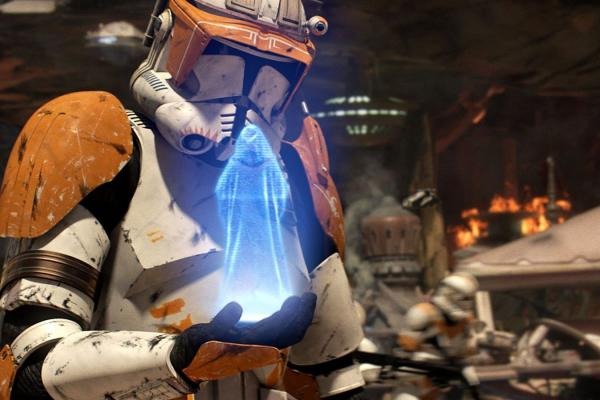
Commander Cody isn't really a huge character in the Star Wars mythos, receiving only about four lines in the entirety of Revenge of the Sith, but his relationship with his Jedi general was given some exploration in the Clone Wars, and it's one worth looking into.
By the time Order 66 is given a go-ahead during the siege of Utapau it is clear that Cody and Obi-Wan harbour a liking for each other that has emanated from their various military escapades. Only recently have we seen the conflict regarding clones over the issue of the order (in Star Wars: Rebels no less), but its significance is also something that deserves due attention. Whether that comes from a non-linear war film in which we see the two comrades side by side on the battlefield or through the commander tracking Kenobi through the dune sea is irrelevant.
What matters is that the relationship is at least considered when a spin-off occurs - whether that be during the Clone Wars or after. Though very much aggrieved by the situation presented by the war between the Republic and the Separatists, it would be intriguing to see Obi-Wan yearn for the military adventurism he partook with his former friend, after becoming all too accustomed to the mundane nature of life in hiding.
Provoking these flashbacks would be Cody's newfound role as a Jedi hunter, culminating in an enticing game of cat and mouse, though continuity restraints may inhibit any real drama that could come from such an event.
4. Communing With Qui-Gon

One of the biggest revelations to emerge from Revenge of the Sith was that it was Qui-Gon Jinn who pioneered the ability for Jedi to manifest their consciousness beyond death, a skill passed down to both Yoda and Obi-Wan, and later Anakin Skywalker as well. Episode III leaves us with Obi-Wan placing Luke at the Lars farm, but also with the knowledge of how to contact Qui-Gon. This was, of course, an immense undertaking that Kenobi's master had procured, but his success meant that his former padawan could live on even in death - a skill Kenobi probably learned while exiled in the Outer-Rim territories.
Liam Neeson has returned to the role even after Episode I, being one of the only actors of the prequel trilogy to reprise his character in the Clone Wars animated series. In it we saw much more about how Jinn adopted this skill and influenced events beyond his grave, and this willingness to pursue the role could suggest that the actor would be enthused about returning once again. Certainly, in the confines of an Obi-Wan spin-off, having Qui-Gon present as a guiding force makes perfect sense.
The period between Episodes III and IV is a time of immense transition - not just for the political climate of the galaxy, but for Obi-Wan himself as well. In his position on Tatooine he now finds himself away from the guiding tenants of the Jedi Order, and away from the Clone Wars that had dominated his life in the Republic's twilight. With this in mind Qui-Gon's presence as not just a moral compass but as a mentor is essential, and would further build upon a relationship we didn't see nearly enough of in The Phantom Menace.
3. Create A Character-Driven Narrative

Films focussing on an ensemble cast can often find themselves occupying a narrative propelled by plot rather than character. This works in certain instances, but a character-driven approach that is propelled forward by personality and emotion makes for a far more relatable and indeed emotional product. In the case of an Obi-Wan film, it is very much essential.
A character-driven narrative feels more conducive and overall natural to a story focussing on the Jedi, seeing as how he is such a strong character in the franchise.
His overarching presence in the mythos combined with the character's aforementioned ironic flare and compassion means he's more capable and indeed better suited for a spin-off than say, Boba Fett or Han Solo. Whilst I have no doubt in my mind that both of these fan-favourite characters could carry a film on their own (we'll find out as such in a year's time), the necessity of their expansion varies.
Even then, creating a grounded Star Wars tale is far more manageable in respect to Kenobi, whose reverence and strength of character makes him by default immaculately poised for a film of his own. Here we have an opportunity to tell a Star Wars story centred around a man who has lost everything except his creed, his force abilities and his lightsaber.
The story pretty much writes itself.
2. Don't Confuse The Tone
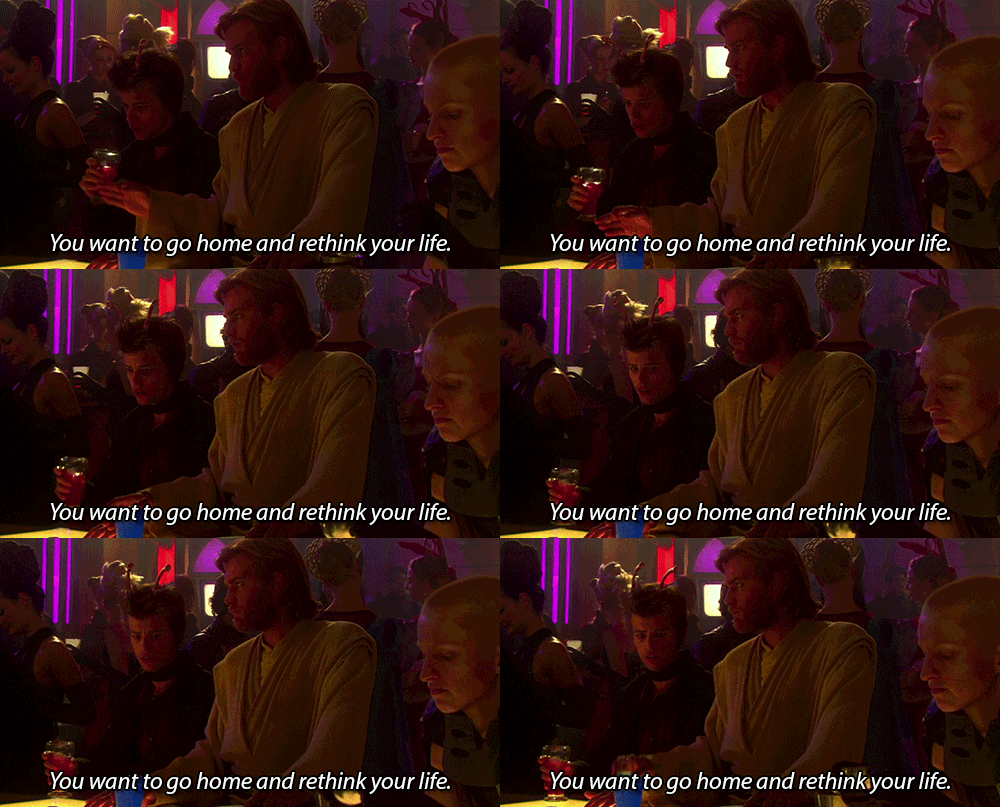
This one's really important, especially if the film would be intersecting between all of Obi-Wan's various personality traits. No one wants to go to see a Star Wars film that's just the last act of Revenge of the Sith over and over again.
Not because it's tonally bleak, but because it doesn't show enough of the character's wide-ranging emotions. It makes sense inside the immediate aftermath of the ascension of the Empire, but it shouldn't overshadow character-traits for too long.
So, whilst we may see a downtrodden and defeated Obi-Wan in his spin-off, the same traits that the character has been known for will still be present. Not to the point where the film seems ignorant of past events, but enough to strike a balance and display that the Jedi Master has retained his wit in spite of facing tremendous odds. After all, who can forget Kenobi's affinity for the simple Jedi mind-trick?
1. It Doesn't Have To Be 'Epic'
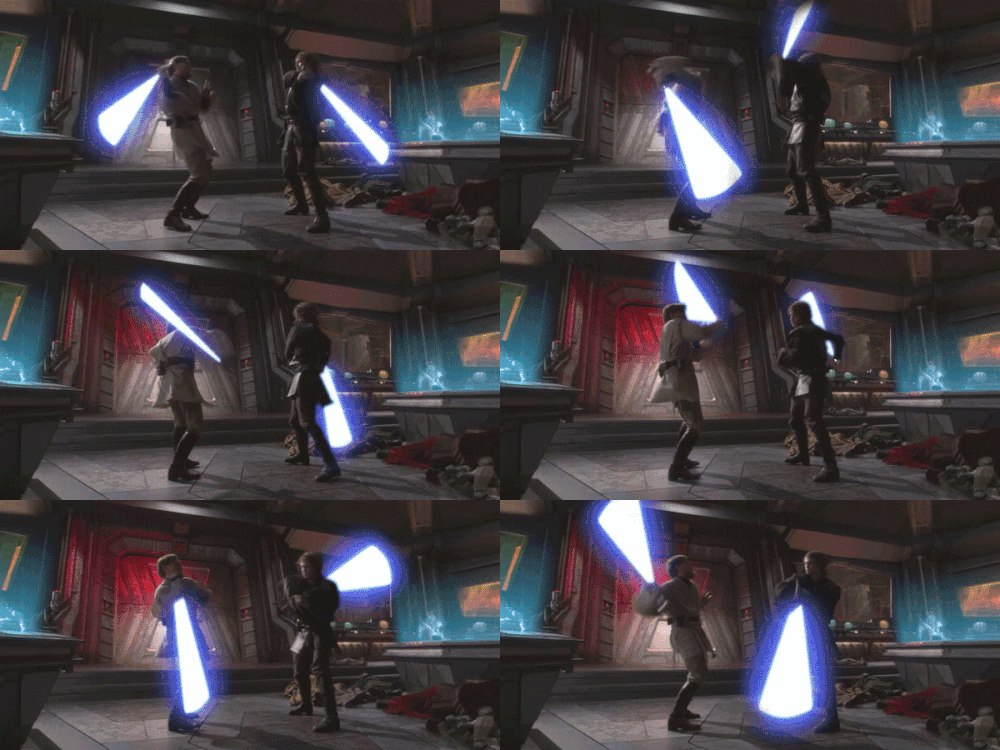
Not to 'prequel-bash' too much, but one would hope that any Obi-Wan spin-off doesn't go overboard with all the twirling and acrobatics as they did.
The final confrontation between Kenobi and Anakin in Episode III is pretty spectacular, but I'd be lying if I said it wasn't stupid as hell. It's meant to be one of the single biggest emotional crescendos of the entire mythos, and it's totally eclipsed by needless sabre-twirling, lava surfing and childish dialogue.
The emotion is redeemed by McGregor's channelling of the frustration and heartbreak that actually makes the scene feel impassioned in some respects, but it shouldn't have to be offset by a lightsaber duel aiming to be a spectacle rather than an emotional confrontation. These clashes of genuine feeling were ever-present in the Original Trilogy, and though they may be lacking in certain "ooohhh" and "ahhh" moments, they certainly know how to tell a good story.
But that's the thing with an Obi-Wan film, it doesn't have to be a planet-trotting adventure which shows off every corner of the galaxy. It can be confined to a rotten desert planet and entertainment will still be found because of the strength of the characters used.
It'd provide Disney with another way of exploring the mythos without fan cries of rehashing plot-threads, and most importantly, would reaffirm the Jedi's position in the top-tier of Star Wars characters. With Obi-Wan now being in line for a return, one can only hope that Disney continue their excellent form, and that this particular spin-off joins Rogue One in the pantheon of Star Wars greats.
--
Are you excited about the news that we'll be getting an Obi-themed Star Wars Story? Or do you think we've seen enough of the character now? Be sure to sound off in the comments below!