Star Wars: The Force Awakens - 8 Reasons It's Better The Second Time

What plot holes?

It's rare that a movie plays as well the second time as it does the first. For starters, a film has to earn its right to a second viewing (which the majority do not). Few people are likely to ever say to themselves: "Hey, I really feel like watching Transformers: Revenge Of The Fallen again tonight... that's what I'm seriously in the mood for!" Then there's the little notion that, generally speaking, motion pictures rarely manage to win you over in the same capacity when you revisit them. Remember when we all went to see Avatar and came out thinking that it was the greatest movie ever? And then we all watched it again and realised that it just, like, okay? Kind of embarrassing, right? And yet, believe it or not, but there is one recent movie that has - against the odds - revealed itself to be a keeper; a modern blockbuster that actually holds up on a second viewing (shocker!). The movie is Star Wars: The Force Awakens, J.J. Abrams' retro-inclined sequel to 1983's Return Of The Jedi. Sitting down to the film the first time, chances are that you enjoyed it, but had a few reservations about the plot and the characters - reservations that you'd imagine would become even more problematic without that initial hype and excitement. Nope: Episode VII is actually a better experience the second time you see it. Here's why...


8. Having A More Relaxed Attitude Makes For A Far Superior Viewing Experience

If you're a big fan of the saga, it was arguably impossible to watch Star Wars: The Force Awakens the first time around in the right way; there was too much hype, too much pressure... not just on the filmmakers who put it all together, but on you, the viewer. Fans had spent the sum of two years leading up to its release wondering what The Force Awakens would look like, after all - they'd spent countless hours imagining what was going to unfold on that fateful day of release, how it would feel to watch those iconic characters embarking on a new adventure in 2015. And for all intents and purposes, having a bunch of expectations about anything is only ever good for disappointment. Watching The Force Awakens for the first time, your senses were far too heightened; you were trying to absorb everything and process everything on the screen, to the point where the experience was probably more draining than entertaining. Given the circumstances, it was impossible to do it any other way, of course - that's how these things work. Still, watching Episode VII for the second time is a totally different beast; having absorbed the story once already, and having been made aware of all its narrative beats, you're able to sit back and watch it the same way you'd watch any other movie. And it's a great feeling to be able to do that; there's no stress involved because you know what's coming. The second viewing is all about just enjoying the movie, freed from the hype.

7. The Similarities With A New Hope Don't Seem Anywhere Near As Jarring

The first time you watch The Force Awakens, you can't help but notice how similarly the plot echoes that of the original Star Wars. As the movie goes on, it becomes more and more apparent just how much influence J.J. Abrams took from George Lucas' original sci-fi classic. And it proved kind of jarring to watch that, actually. Both movies start with a droid - embedded with an important artefact - on a desert planet teaming up with a future Jedi, who both end up escaping their humdrum lives for one of adventure to a group of Rebels and face off against an Evil Empire. Both movies even end with an attack on a giant, planet-sized space station, which subsequently explodes. Those are just a few of the surface level similarities in order to highlight the initial comparison, but you get the idea: The Force Awakens very nearly feels like a remake or a rebooted version of A New Hope the first time you watch it. This feels like one of The Force Awakens' biggest failings; its insistence to rehash elements of the 1977 film. Weirdly, though, none of this seems anywhere near as apparent the second time you watch the film; for one reason or another (and it's presumably because you're less-inclined to be so attentive to it), the New Hope-esque aspects of the plot fade into the background. The just don't feel as prominent the second time around, which - in turn - leaves the film feeling far more original than you might have given it credit for during that initial viewing.

6. Some Things You Thought Were Plot Holes Were Actually Clarified

One viewing, quite simply, didn't give audiences the time they needed to clarify ever aspect of the movie's story: as a result, lots of fans came out of The Force Awakens feeling as though it was packed to the brim with plot holes. That's not to say that there aren't any plot holes in the movie, because they almost certainly are - not to mention those awkward moments of coincidence that make no sense, but hey, what are you gonna do? During that all important second viewing, though, you suddenly realise something: a lot of the things you thought were plot holes had explanations all along; you just couldn't keep up with everything the first time you sat down to see it, because the movie barrels forwards at such an incredible place and it's difficult to take in everything. They're not always great explanations, but they're explanations nonetheless - you gotta take what you can get. The biggest thing is all the stuff regarding Finn and the fact that he supposedly holds his own against Kylo Ren in a lightsaber fight; quite plainly, he doesn't. A second viewing shows that Finn isn't the "badass" you assumed he was when you first saw him face off against Ren; studying the duel properly reveals a guy who does a pretty terrible job - and almost dies.

5. There's Time To Really Appreciate All The Fantastic Details
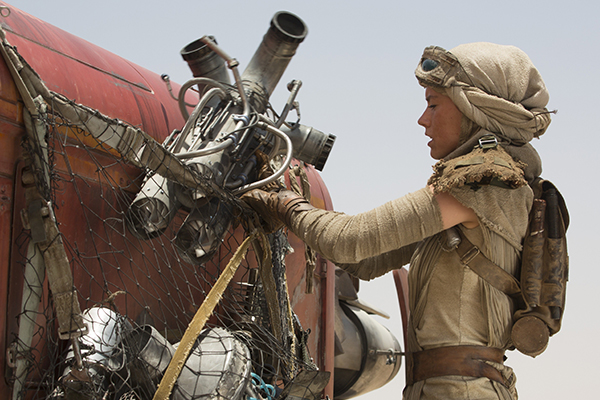
The initial viewing of The Force Awakens, as mentioned before, was - for the ardent Star Wars fan, at least - likely a stressful experience. For most people, it would have been impossible to "relax" into the picture in the traditional sense. There was too much to weigh up; too much to concentrate on; too much too take in. It's somewhat ironic, then, that watching the film for a second time allows you to glimpse all the fantastic details you more than likely missed when you saw it originally. Sometimes it's a lot easier to absorb every inch of a movie - drown yourself in it as it were - when you're not trying so hard to do exactly that. You want to let it wash over you. Freed from the troubles of the nerve-wrenching first viewing, then, Star Wars: The Force Awakens well and truly comes to life: you begin to see things that you missed the first time around. Details like the voices of Alec Guinness and Ewan McGregor echoing in that mysterious flashback that Rey has whilst at Maz Kanata's place, or the podracers in the background of certain shots on Jakku, or the new antenna on the Millennium Falcon. It might not have been possible to notice things like this the first time you saw the film, because you were too caught up trying to work out whether or not the movie was good. A second viewing allows these details to sink in, and it's seriously thrilling stuff.

4. The Jokes Are Just As Funny The Second Time

In a lot of cases, you sit down to re-watch a movie that you thought was hilarious and you don't laugh anywhere near as much: the jokes, though admirable, only worked that initial time you heard them. Nothing wrong with that - it just happens with some jokes. That could have been the case with The Force Awakens, too, with its Whedon-esque quips and visual gags. Many of these had audiences rolling in the aisles when they ventured out to see the film - highlights include BB-8 giving Finn a "thumbs up," and Oscar Isaac wondering who should speak first when he first meets Kylo Ren - but would they be as engaging outside of the hype bubble? Thankfully, yes; the funny parts inherent to Episode VII - all those comical moments you're grinning about right now - are just as funny the second time around (as was also the case for the majority of the humorous moments in the classic trilogy). Pretty good going for a motion picture that isn't actually a comedy, huh?

3. You Can Really Soak In The Intricacies Of John Williams' Original Score

Star Wars fans have had years and years to appreciate John Williams' scores, each and every one of them a gem (Williams' scores were arguably the best thing about the prequels, too); a lot of fans have memorised every leitmotif and melody inherent to the music of Star Wars, but that's the sort of thing you manage after countless viewings. Sitting through The Force Awakens just once barely gives you any time to appreciate the great work that the legendary composer did on the movie. The first time you watch The Force Awakens, the music seems like one of the less notable elements; processing the images and the dialogue takes priority, because you're desperate for those to work. Due to that, Williams' score might have felt a tad underwhelming for a good number of fans. But consider that the other Star Wars scores have been studied and adored for decades, every note and bar scrutinised all out of proportion. As such, going back to Episode VII for round two means that there's more time to appreciate Williams' work as you watch the film play out. As you'd expect, intricate compositions and character themes are woven through the body of the movie, revealing a rich tapestry of classic Williams magic. If you came away thinking that The Force Awakens was slightly lacking in the musical score department, wait until you've seen it again to make your mind up; you'll be surprised at just how much more noticeable the musical cues are the second time through.

2. It Gives More Weight To Some Really Interesting Theories About The Characters
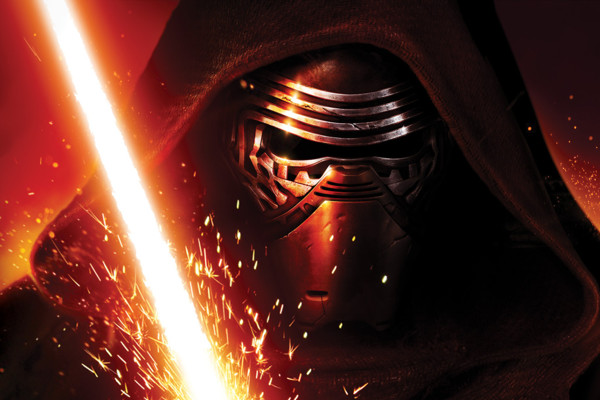
When you first went to watch The Force Awakens, there weren't any theories regarding what actually happened in the actual movie, because... well, nobody had seen it yet. Only after everyone had sat down to Episode VII did the crazy theories start coming out of the woodwork, as ardent fans clamoured to predict what might happen next. Having read some of those theories, many of which carry some genuine weight, watching the film for a second time gives you the opportunity to ponder whether which ones could be right on the money, which brings an interesting dynamic to the picture that wasn't there for that original sitting. Granted, there are some theories currently doing the rounds that it's hard to imagine coming true (Darth Vader actually being Supreme Leader Snoke, to name but one), but there are others that feel like they might have some truth to them. Kylo Ren being a double agent, for example, forced to kill his father in order to gain Snoke's ultimate trust. Or the one that suggests Poe Dameron might be the first gay Star Wars character, perhaps?

1. It Makes You Want To Watch It A Third Time

The most important thing of all, perhaps, is that Star Wars: The Force Awakens holds up. And it does: it totally and utterly works on a second viewing - and then some. You don't sit down to it again and feel like you're done; you feel like you're watching a future classic, destined to be viewed over and over again like the movies in the original Star Wars trilogy. It's insanely rare for a blockbuster to feel as exciting when you relive it for a second time, but here's one that improves - presumably because you don't have to sit there the whole time worrying it's bad, praying that J.J. Abrams didn't screw up. Is it perfect? No, but that matters very little in the grand scheme of things. The criteria that The Force Awakens needed to adhere to was a) that it felt like Star War and b) that it held up when you watched it for that second or third or fourth time. The movie passes on both fronts: when you've seen Episode VII twice, you're not finished. You just begin counting down the days until you get the chance to see it again. Is there any higher praise? Like this article? Do you agree that Star Wars: The Force Awakens plays just as well the second time you sit down to watch it? Let us know your thoughts in the comments below.

Contributor

Sam Hill is an ardent cinephile and has been writing about film professionally since 2008. He harbours a particular fondness for western and sci-fi movies.