The Danish Girl Review - 5 Reasons It's Nothing But Oscar Bait

The most boring movie of the year.

Rating: ˜…˜… There's Oscar bait, then there's The Danish Girl. Tom Hooper's latest period prestige picture is a complete bore, a proper watch-looker and the inexplicable Oscar-winning director's worst, most blatant attempt to get more unearned trophies on his mantle. The film chronicles the life of Einar Wegener/Lili Elbe, played by Eddie Redamyne, a Danish painter who was one of the first people to receive sexually reassignment surgery. Can't get a story more awards friendly than that, and when you look deeper it only gets worse. Now, to be fair, there are a lot of Oscar-y elements that have come about purely by accident - Redmayne won his own award after being cast, nobody could have guessed Alicia Vikander's (who plays Wegener's wife, Gerda) star would rise quite so much in the last twelve months, the movie has been in production since before transgender issues became a headline topic - but that doesn't hide that there's also a lot of cynical filmmaking decisions too that ensure, while in theory getting so much right on paper, the movie is nothing more than a desperate attempt to get a bit of high-end praise. Here's a look at why.

5. Production Line Style

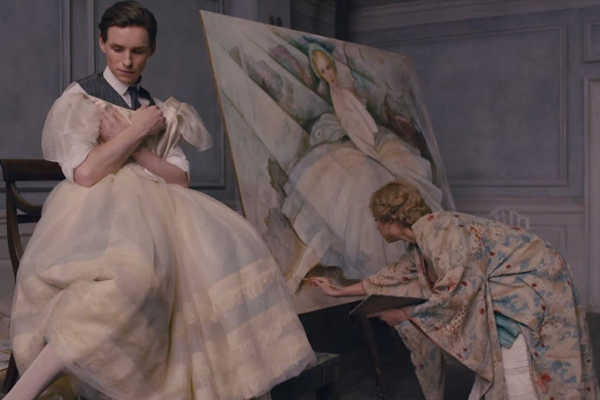
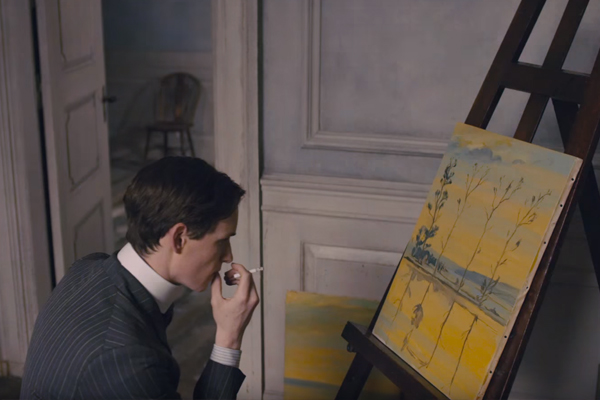
People may bemoan the likes of the Marvel movies for being blatantly constructed as if they're coming straight off a massive movie conveyor belt, but the same is true of the many Oscar bait films that clog up multiplexes for the months of awards season. They're all aesthetically similar, presenting history as both gritty and idealised. Coming from the director of Les Miserables and The King's Speech, things are ramped up to eleven here; it's pretty much all beautifully brutal landscapes scored to slow moving piano music juxtaposed with grimy, echoey rooms shot with a soft focus that put the characters at the edge of the frame for no clear purpose, along with the odd clearly CGI cityscape. It's so been-there-done that that even though trans issues have rarely been dealt with on such a large canvas, it feels incredibly rote and familiar. Worst of all, despite being set in Denmark (and yes, there is a very forced working in of the movie's title into the dialogue), all the main characters speak the Queens, a clear example of an attempt to add cliché prestige to the movie. The end result is that The Danish Girl feels fake, like a facsimile of the true story rather than the real account it seemingly wants to be.

4. An Opening That Makes No Sense

A key side effect of the incredibly tight narrative focus is that the movie barrels straight into the story without really setting up the location, situations or characters. Instead we get it all given in expository back-story, and it's here where the film makes it's most inexplicably bizarre creative choice. When we're introduced to Einar, his agent proclaims "I'm not saying he's the best painter in Denmark, but he's definitely in the top one." After the event, the Wegener's saunter back home and repeat the praise in a mocking tone. Now this is just plain weird. That's a self-aggrandising quote from Brian Clough, legendary football manager, repurposed as a coy bit of promotion. Now it's clearly on in-joke on Hooper's part, shouting out to his own Clough biopic The Damned United (which still stands as his best movie), but why? It immediately pulls anyone who's going to get it out of the movie, while those unfamiliar with the link will just find it a bit brash. You have to admire the frugality of course - the line manages to provide the location, vocation, ability and social standing of its main characters in so few words - but it's utterly pointless and sets the drab opening off to a poor start.

3. Solid Performances Given No Freedom
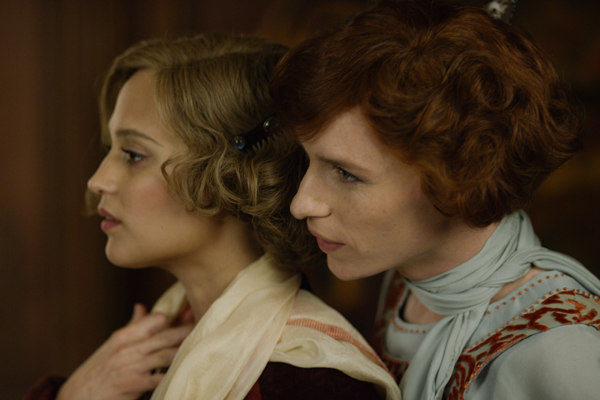
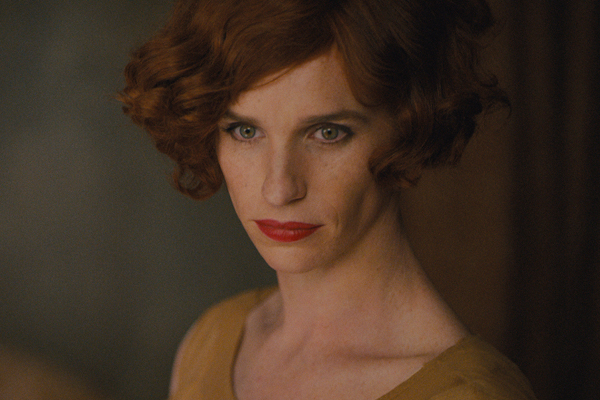
Eddie Redmayne is a phenomenal actor, and while that meme of Michael Keaton putting away his speech is pretty moving, it's hard to deny that he deserved his Oscar win for The Theory Of Everything. What was so important there was that James Marsh gave him the space to be Hawking, and not just locked into the love-disability-divorce storyline. This is something Hooper doesn't do, choosing to confine the role to the very basic narrative and thus meaning we never get a sense of character. For what it is Redmayne's performance as Lili is good, but its presentation loses a lot of its deftness. The same is true to a lesser degree to Alicia Vikander as Gerda; she ultimately weathers it better due to having a slightly smaller role, but her wife character is alternatively suffering and caring with no time spent on her motivation to be either. This stems from the simple fact that The Danish Girl is just so obsessed with the basic plot that it can't tell the story properly.

2. There's No Bigger Point

The Danish Girl is about Lili. And no, I don't mean just in terms of the story being about her - the entire moral of the film seems to be simply that she was an impressive trailblaser, changing the world in her own, personal way. Which, in all fairness, she did, but it doesn't quite strike as an expansive point to make. There is a cursory attempt at making it a parable about the strength of the human spirit, but the loggerheaded decision to keep things so tight ensure that this only comes across as an increasingly desperate attempt to imbue the story with more importance when there isn't any. This is one of the biggest, most hollow elements of Oscar bait - the cynical attempt to try and make something impactful that falls flat thanks to coasting on an already innately emotive event. There's nothing wrong with having a film that simply and plainly tells a great story, but when it's trying to be something more without actually doing anything it's nauseating.

1. It's Made Up Of Base Ideas And Random Moments
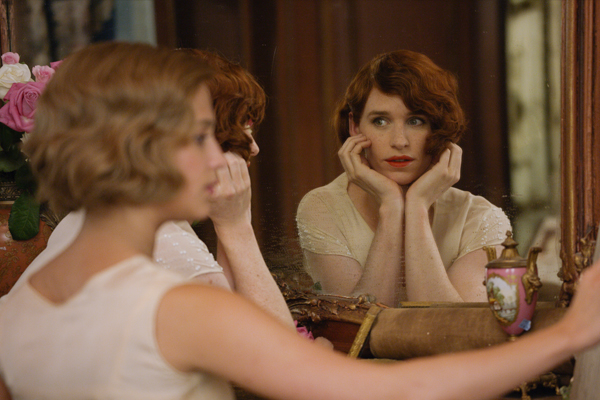
The Danish Girl is a reminder of how making a film is a long, gruelling process that requires constant effort to turn in something good, and not in a good way. This film is full of basic ideas, moments and scenes that by themselves sound good and are competently executed - no doubt causing uproarious excitement in the writer's room - but that don't work in any way in the greater whole. The result leaves a films that's incredibly scatter shot, with strange pacing issues and an awful lot of plot and character development that inexplicably occurs off-screen. There's plenty for awards video highlights to pick up on and play ad nauseum, but they don't have any more impact as part of the movie as they do in a brief clip. The final shot you just know Hooper thought was his masterstroke, a fluid visual metaphor. But in reality it's nothing more than an ill-advised spate of pretentiousness. Kinda like the film itself. The Danish Girl is in US cinemas from 25th January and UK cinemas from 1st January.

Contributor
Contributor

Film Editor (2014-2016). Loves The Usual Suspects. Hates Transformers 2. Everything else lies somewhere in the middle. Once met the Chuckle Brothers.