The Divergent Series: Allegiant Review - 11 Reasons It Might Be 2016's Worst Film

Worst. CGI. Ever?
Whether you wanted it to arrive or not, the third cinematic entry into the Divergent "saga" is here, and though the previous films scored fairly mixed critical notices (sitting at 40% and 29% on Rotten Tomatoes respectively), it's safe to say that the pundits aren't being kind to Allegiant. British reviewers were quick to let it settle at a depressing 0%, and though the film will likely end up floating at around the 10-15% mark once the US critics have had their say next week, it's still a fair assessment that Allegiant isn't only a bad film and also the worst of the series, but easily an early contender for next year's Razzies. That's right: the movie has pretty much everything shoddy the infamous anti-awards ceremony looks for, and in several areas it's hard to imagine many movies coming close to this level of awfulness. So, short of Paul Blart 3 somehow landing in our laps this year, here are 11 reasons why Allegiant might be 2016's worst film...

11. It's Another Pointless Two-Part Movie (In Disguise)
Harry Potter kick-started the current trend of novel franchise adaptations splitting their final book into two movies, which has also been exploited by the likes of Twilight and The Hunger Games in order to reap some extra cash (even if the Part 1 movies have historically fared much worse than Part 2). Divergent is pulling a similar trick but being a little sneakier about it, by calling the first movie simply Allegiant rather than "Allegiant Part 1", and re-naming the final film to "Ascendant", in order to distract non-readers from the fact that this is a blatant attempt to milk the cash cow for an extra few hundred million dollars. And unquestionably, it's a trick that's going to work, so look out for a ton of future YA adaptations to deviate from the source material's title when it comes to the inevitable finale split. If there's any good reason to dislike the movie before it even begins, this sly manipulation and trend-setting behaviour is it.

10. Not Even Shailene Woodley Cares Anymore
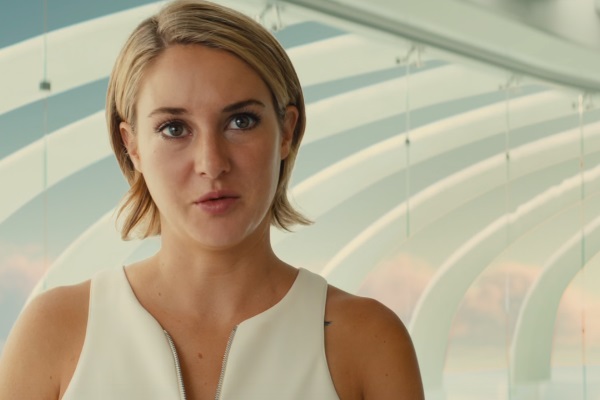
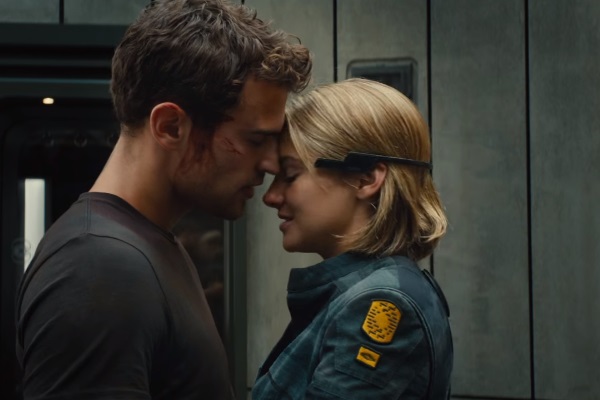
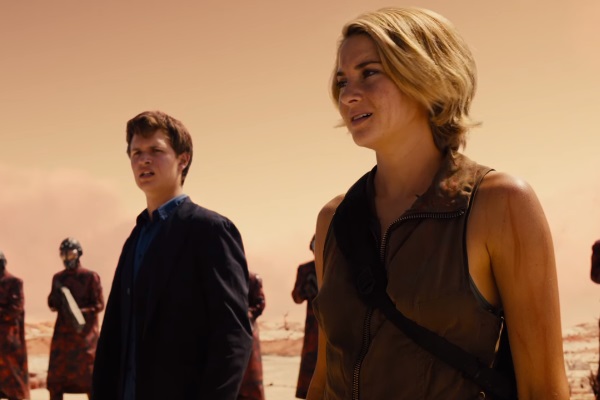
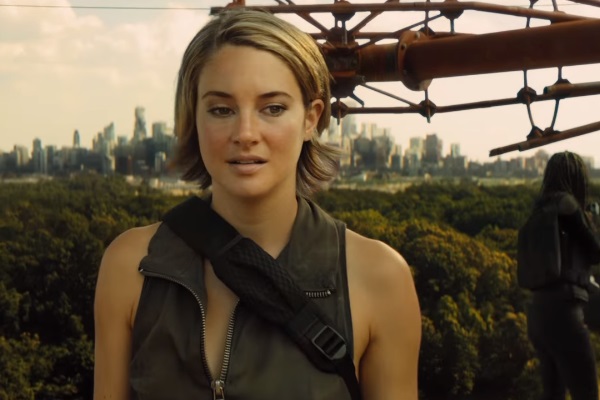
Especially in the original Divergent, it was easy to cut the whole enterprise a little slack if only because Shailene Woodley gave such a solid, committed performance in the lead role. She wasn't bad in Insurgent either (despite having a terrible haircut), but by the time Allegiant has rolled around, it's pretty evident on-screen that she's about as fatigued and fed up with the franchise as anyone else. Granted, she's working from a low-effort script in the first place, but Woodley just seems pre-occupied with something else most of the time (hopefully a better script that just landed on her agent's desk), and though not turning in a bad performance as such, she's never been more robotic and lacking in affect. Just think of the money, Shailene, and try and pour your heart into it, please?

9. Kate Winslet's Absence Is Sorely Felt
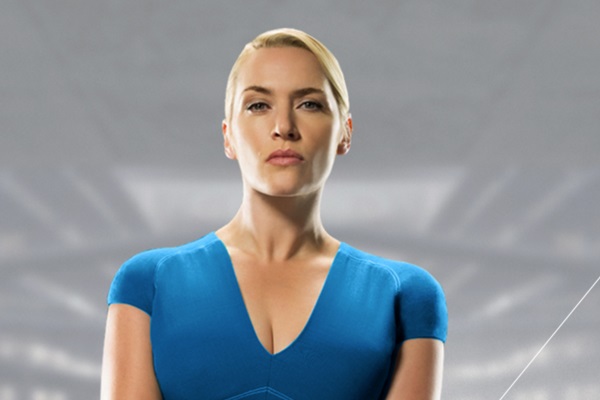
Allegiant's opening makes great pains to remind audiences from the outset that Kate Winslet's villainous Jeanine is dead...in case you forgot over the last 12 months (which, in fairness, is entirely possible). Sadly, though, in drawing attention to the character, it only reminds us how badly this third film craves her presence. Though the film does present several characters as replacement baddies, none of them are particularly interesting or well fleshed-out, nor have the ice cool charm of Winslet's character, who was an easy highlight of the previous two films. It's sort of akin to when The Bourne Legacy kept mentioning Jason Bourne even though he never showed up in the film: all it did was leave us nostalgic for what came before, and here, all the mentions of Jeanine just had us half-wishing she'd somehow be magicked back to life just to give the film a little more pep. Sadly, no dice.

8. The CGI Is Terrible

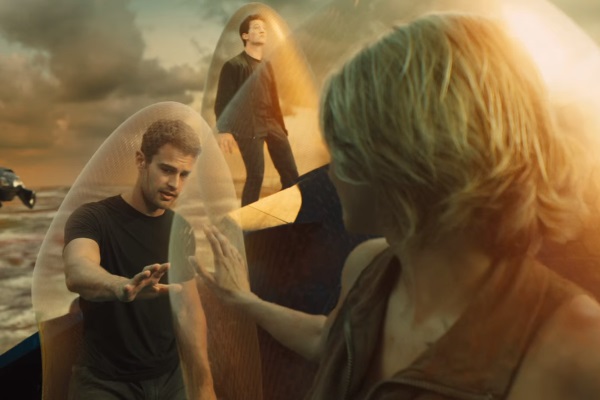
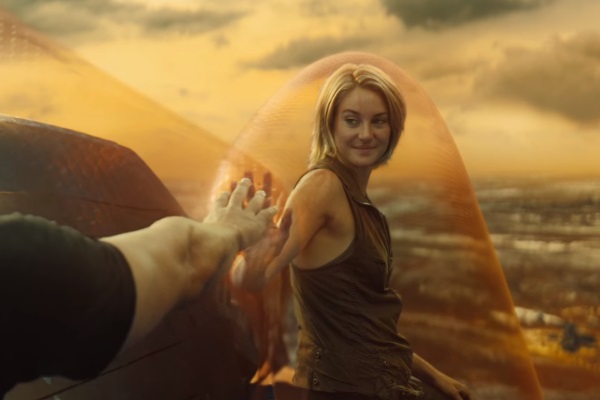
Considering that Divergent was budgeted at $80 million and Insurgent cost $110 million, it's safe to assume that Allegiant cost at least $100 million if not more, and so why, oh why, does it look so godawful visually? That's not to place much blame on cinematographer Florian Ballhaus, but rather the relentless use of CGI, which while arguably necessary, is of such a low standard that it cheapens the entire endeavour. The worst visual effects in the movie include a series of "plasma bubbles" which Tris, Four and Peter use to travel around, and also a strange liquid which Tris is covered in once she arrives at David's (Jeff Daniels) genetic research facility. Even at its best, the CGI looks pretty goofy, like a SyFy movie rather than something you'd expect to see in cinemas. It's basically a running joke at this point that YA movies don't put enough cash into their effects budgets (remember those awful CGI dogs in the first Hunger Games?), and by the third film in a franchise, there's absolutely no excuse not to have the confidence to splash a little extra cash on making the movie look good.

7. Jeff Daniels Is Completely Wasted

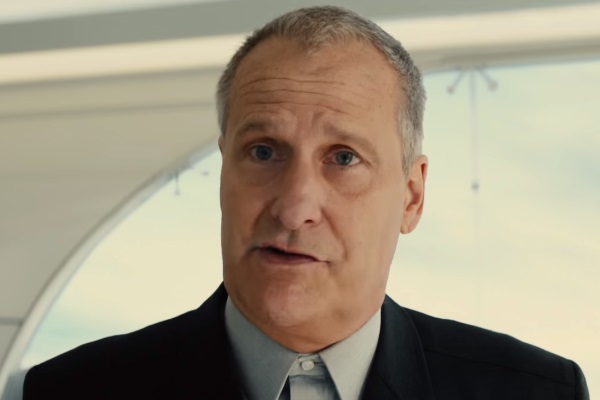
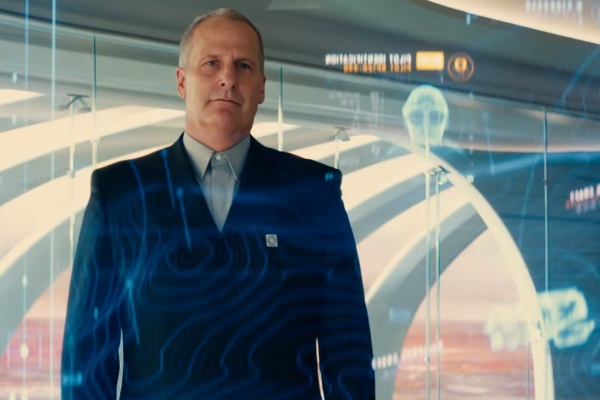
Jeff Daniels joins the cast in this movie, playing David, the leader of the Bureau of Genetic Welfare, a major character in the movie and yet one who doesn't really give Daniels much to do but spout exposition and stand around in his super-shiny, CGI-assisted office. Given how disgustingly talented Daniels is, it goes without saying that he joins the likes of Winslet, Naomi Watts and Octavia Spencer as yet another superb actor who is here for the easy pay-day and has likely zero interest in the material at all. On one hand, Daniels is only a few steps away from sleepwalking through his part here (and he also can't seem to pronounce the word "genome" properly), but when he's got such a paltry script to work from, who can really be surprised or mad about that? He'll presumably be back for Ascendant, though, so maybe there's hope yet for some thigh-slappingly good over-acting on his part. We'll have to wait and see.

6. It Takes Itself Way Too Seriously

This is a significant problem with the vast majority of fantasy and YA novel adaptations, that they're so busy creating a world and establishing a near-funereal tone that they forget to actually have any fun. The Hunger Games is bad enough, but at least that franchise was critically acclaimed, whereas Divergent is unfortunately both achingly self-serious and actually terrible to boot. The drama isn't at all believable and so the dead-seriousness just makes it, rather ironically, unintentionally funny: it must've taken the cast numerous takes to get through some of these scenes without cracking up, because it is so invested in Serious Drama and Big Themes but has nothing of substance or interest below the surface. And don't dare begin to suggest that Miles Teller's atrocious comic relief character counts as "fun"...

5. It's Too. Damn. Long.

One of the chief complaints about the original Divergent is that, at 139 minutes, it was far too long considering the material it actually had. Insurgent was thankfully a whole 20 minutes shorter, and Allegiant clocks in at what appears to be a fairly reasonable 121 minutes. However, remember that this is a finale-split, and so it becomes painfully apparent that the material has been stretched thin, as the movie's glacial pace places incidents of actual consequence few and far between, and bogs itself down in overly-verbose dialogues which don't really move the story or characters forward all that much. Thankfully the end credits are over ten minutes long, so you'll actually only be sat there for around 110 minutes, but even so, this feels like a film that could easily have clocked in at around 90, and so we see that the book split was totally unnecessary. We could easily have just had an epic 160-minute final film, though at the same time, sitting down for that sustained amount of time in this world with these characters would be its own brand of torture.

4. Nonsensical PG-13 Violence

One of the biggest problems facing YA movies is that, though the books are able to broach some tough themes and even include graphic violence, the films aren't quite so amenable, especially as movie studios naturally want to keep the rating at the PG-13 level to ensure that all the tweens can actually go see it. This creates a weird situation, however, where the filmmakers are forced to find creative ways to shoot around and obscure all the bloodshed, such as the painful shaky cam in the original Hunger Games. The first Divergent featured gunfights with neurotoxin darts which simulated the pain of an actual gunshot without the physical damage, which was actually a pretty clever way to make the action feel visceral without needing to shed blood in a logical way. Allegiant, however, isn't quite so lucky, and director Robert Schwentke hasn't really made much of an effort to massage the violence into the movie. One notable character is killed off early on with a gunshot to the head, but there's not a lick of blood despite the camera zooming in close on her corpse. If this happens to a character in a PG-13 movie, maybe keep the camera a little further away so the lack of blood isn't quite so distracting? This isn't the only example either, and though the movie often defers to enemies getting knocked out rather than violently killed, there are several characters who get shot up-close and just fall down as though they're merely pretending. It's jarring as hell.

3. It's So, So Predictable

Perhaps it's simply that the YA genre clings to a lot of the same tropes, but boy, this film is super-predictable from the get-go. If you've not read the book, you don't even need to watch the spoilerific trailers to figure out that Jeff Daniels' apparent good guy is in fact the ultimate antagonist, a move the audience can see coming about an hour before Tris does, making it all the more eye-rolling and laughable to watch unfold. Sure, we knew that David probably wouldn't be properly vanquished at the end as this is a two-part movie, and that's fine, but the plot for this one really just reached into the fantasy grab bag, pulled out a few cards and churned them into the homogenous slop that is this movie. Going by how many fans protest the ending of the book, though, hopefully Ascendant won't seem quite so generic, at least by comparison.

2. It Insults Everyone's Intelligence
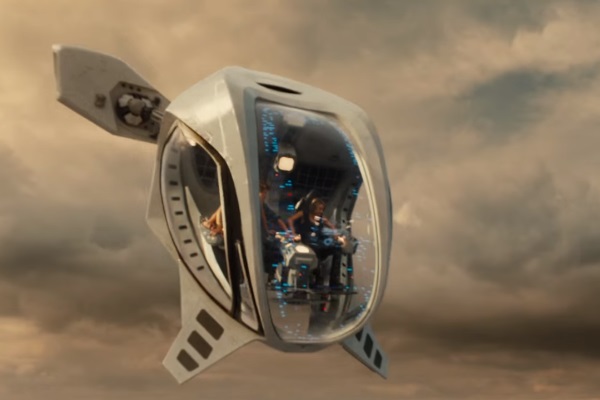
Look, the target demographic for these movies is like 12-18 or something, so they're obviously written with that audience in mind; namely that they're probably there more for the sexy actors and CGI-driven action rather than the water-tight plotting and characterisation of an Oscar-winning masterpiece. Still, though, literally hundreds of films aimed at young audiences have proven that they don't need to talk down to them: here the movie is so incoherent and slippery with its logic that while adults will absolutely be left groaning, even "undemanding" youngsters may find themselves picking the plot to pieces. Two easy examples are that the Bureau of Genetic Welfare, despite being a technologically advanced Oasis, has some of the worst security measures known to mankind. Four hijacks an elevator with a top-ranking officer on it, and apparently she's unable to use her voice or any technology on her person to stop it (despite other characters being shown to possess similar devices). Then Tris just ups and steals a ship from David's office, and apparently he lacks the power to remotely disable the ship mid-flight or anything like that. Given the absurd amount of tech surrounding him, it's hilariously awful that these sort of things have been overlooked, especially when they don't really fall under the "but it's a movie!" qualifier. There were surely other ways to make these moments work within the context of the Bureau's awesome technology.

1. Miles Teller Clearly Wishes He Wasn't In It
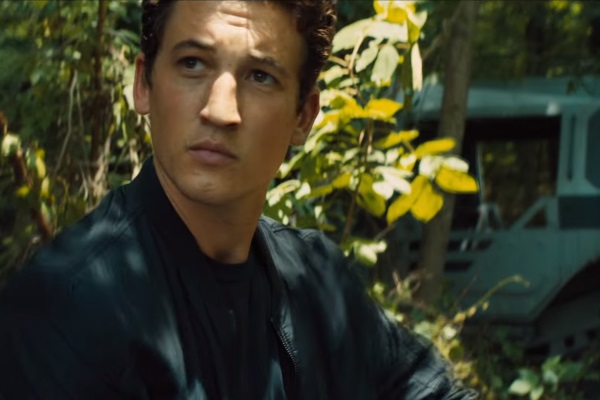
And finally, though the movie squanders the majority of its cast, there's one actor who really stuck out throughout, and that's Miles Teller, who clearly would rather be anywhere else and only appears in the movie following the Oscar success of his movie Whiplash because he's contractually obliged to. Having to shoot these movies after starring in a Best Picture-nominated film has to be pretty depressing, especially as Teller seemingly can't even pretend to muster some enthusiasm, instead trundling out his cringe-worthy "comic relief" dialogue with a wooden cadence which suggests a studio executive is holding a pistol to his head just out of shot. Still one movie to go, Miles. Don't be surprised, though, if he badmouths the flicks once his contractual obligations are up and he's been paid in full. Poor Miles, between this and Fantastic Four flopping last year, the kid could really use a solid blockbuster to get him back on his feet with mainstream audiences. Have you seen Allegiant yet? What did you think? Or will you be giving it a wide berth? Shout it out in the comments!The Divergent Series: Allegiant is in UK cinemas now and US cinemas from 18th March.

Contributor
Contributor

Stay at home dad who spends as much time teaching his kids the merits of Martin Scorsese as possible (against the missus' wishes). General video game, TV and film nut. Occasional sports fan. Full time loon.