What Makes The Hitcher A Twisted Coming Of Age Masterpiece
The Hitcher isn't just an amazing horror film - it's also a road movie masterpiece.
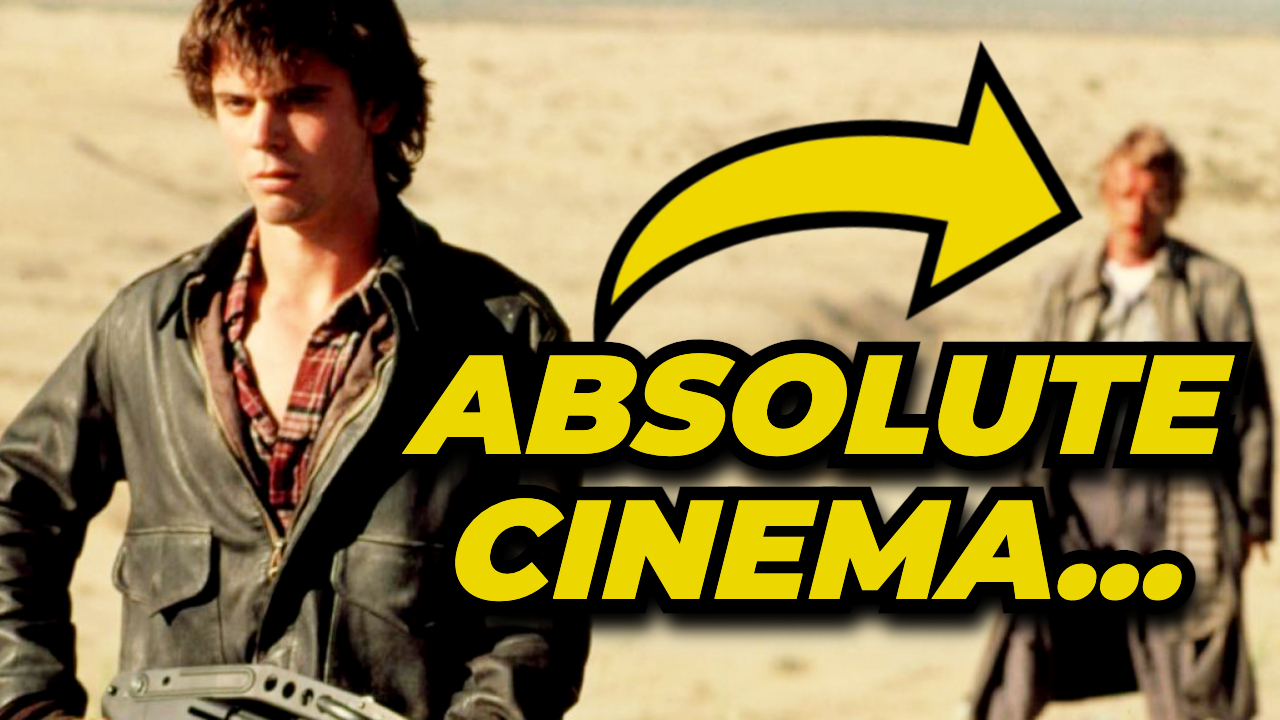
Every now and then, I'll come across something I like to call a "rabbit hole" movie - a film that sinks its hooks into you so immediately and with such venom that you can't help but fall under its spell and pursue your curiosity to a basically obsessive degree. You could call it a bit of a personality reset, in that way - a real "stars aligning" moment where personal taste, filmic brilliance, and behind-the-scenes context provoke a chemical reaction so ridiculous that you want to claim the whole movie for yourself - which is what happened to me with Robert Harmon's 1986 cult horror movie classic, The Hitcher, last year.
A road movie with teeth, and one of Rutger Hauer's most iconic starring roles, The Hitcher is also quietly one of the greatest films ever made - an everything film in the same vein as The Texas Chain Saw Massacre that masterfully subverts the coming-of-age story in a dark, fantastical way. That particular feature was a calling card of screenwriter Eric Red, who deployed a similar trick with his story for Kathryn Bigelow's vampire-Western Near Dark in 1987, complemented there by some sumptuous, dusklight photography from Adam Greenberg, and in The Hitcher by the seering compositions of John Seale, an expert minimalist who was then distinguishing himself in Hollywood for his collaborations with fellow Australian Peter Weir.
Cumulatively, the key influences of Red, Seale, Harmon, and Hauer came together to make The Hitcher one of the most visceral films of the 1980s, and ironically, one that boasted more bite for the compromises it had to make than it would've done had Red's vision been relayed with pure fidelity. Its story - of terror, isolation, and repressed darkness on the American highways - unfurls its most abject horror in the margins of our imaginations, like a bad dream you can't wake up from.
In conjuring that particular kind of uncanny, and at times thoroughly liminal dread, The Hitcher carves a legacy as not only one of the most affecting and smartest genre films of the eighties, but also, given its thematic undercurrents - its psychosexuality, its subversion of Reagan-era Americana and the perceived tranquility that accompanied it - one of the decade's most unique and complex.
Here's why The Hitcher is a stone-cold masterpiece.
[Article continues on next page...]