The True History Of Movie Spoilers
SPOILER ALERTS... From Hitchcock to Thanos.
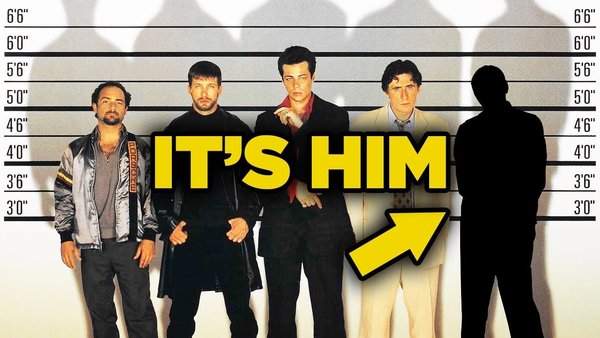
Like death and taxes, movie spoilers are an inevitable part of life, and when any major Hollywood film hits cinemas, a discussion inevitably arises surrounding "spoiler culture" and the audience's reaction to it.
People will always be spoiled because there are always trolls out there keen to "ruin" the experience for others, and there will always be those who place an arguably excessive, hyper-paranoid focus on plot details over their execution.
But first and foremost, any spoiler discussion begins with one question - can a spoiler ruin a movie, or more to the point, does it have to? Also, when is it acceptable for people to freely give away a film's secrets?
After all, the only way to make it to 2019 without knowing the endings of films like The Empire Strikes Back, The Sixth Sense and Fight Club is to effectively live under a rock.
But let's not ignore one simple fact - there's always going to be a new, young audience for any classic movie, where they have the chance to approach it with fresh, unspoiled eyes and ears, and anyone who deliberately tries to deny a person that experience is, well, trash.
Accidents happen, of course, and it's certainly not reasonable to expect people to keep quiet about decades-old movies in a public space, at which point the onus is on the spoil-ee to remove themselves from the situation.
But whatever your own take on spoilers and the etiquette surrounding them, they're a fascinating aspect of storytelling and one that often fosters more discussion than the actual content of movies themselves.
With that in mind, let's dig in and see quite how movie discourse has gotten to this point...
The Origins Of Spoiler Culture

It's worth reminding everyone that spoiler culture existed long before the Internet ever came up with a name for it, and though today it is most aggressively centered around major Hollywood tentpole films such as Avengers: Endgame and hit TV shows like Game of Thrones, the concept of plot as a closely-guarded secret is nothing new.
Hell, back in Victorian times, novelist Wilkie Collins warned critics against spoiling his 1859 mystery novel The Woman in White, and fans quite literally queued outside the publisher's offices waiting for copies to be delivered - not unlike the ludicrous midnight queues for MCU and Star Wars movies.
When it comes to films, though, the first major movie to actively engage with the concept of spoiler culture was the 1926 silent film The Bat, which in its opening titles asked the audience, "Can you keep a secret? Don't reveal the identity of The Bat."
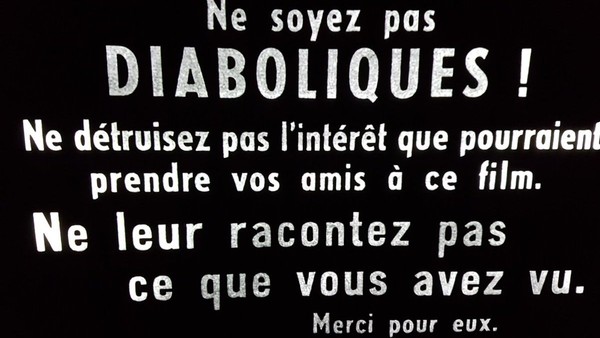
A far more prominent example came decades later with 1955's legendary French psychological thriller Les Diaboliques, which ends with a title card that says, "Don't be evil! Don't destroy the interest that friends could have in this film!"
But by far the most memorable example of early spoiler guardianship in the Golden Age of Hollywood was Alfred Hitchcock's Psycho.
Adopting a similar strategy that Henri-Georges Clouzot employed on Les Diaboliques, Hitchcock insisted that cinemas deny entry to any late cinema patrons, to ensure the surprise of Janet Leigh's early exit from the film remained in tact (rather than disappointed late arrivals vocally complaining to staff about Leigh's "absence").
Further still, Psycho's marketing campaign extensively featured Hitchcock in tongue-in-cheek ads playing up the film's secretive nature, urging, "Don't give away the ending, it's the only one we have" and, "If you can't keep a secret, please stay away from people after you see Psycho."

Legend even suggests that Hitchcock attempted to buy up every copy of Robert Bloch's 1959 novel in the quest to keep the spoilers under wraps.
continued on the next page...
That Movie Everyone Is Talking About (But Not The Spoilers)

A few decades later, The Crying Game did a fantastic job teasing audiences regarding its big secret in the marketing, with the tagline, "The movie everyone is talking about...but no one is giving away its secrets", and the excitement about what the reveal might be stirred up enough business to make the film a sleeper hit and eventual Best Picture nominee.
If we skip forward a few more decades to the present, spoiler culture is a much bigger deal and more pervasively recognised by the mainstream.
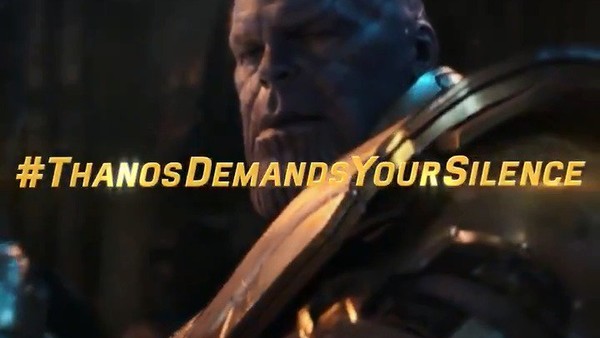
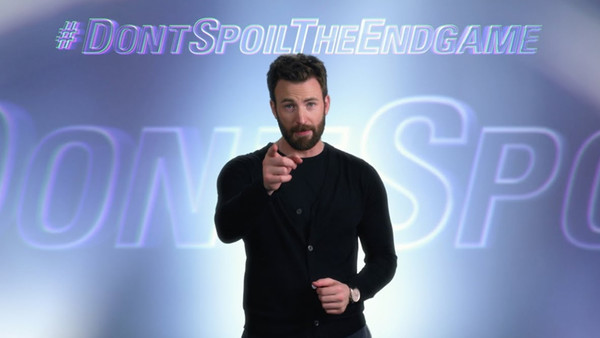
Just this year alone, Avengers: Endgame boasted a memorable "Thanos demands your silence" social media campaign regarding spoilers, and Quentin Tarantino begged critics to keep plot details locked down following the Cannes premiere of Once Upon a Time in Hollywood.
And though it's clear that spoilers have always been a thing, there's one major invention, one seismic social shift that forever changed how we disseminate media and the details within it...
Global access to the Internet enjoyed a major uptick in the late 1990s, and in addition to the many world-bridging joys it granted everyone, it allowed people far easier access to movies - especially in the last decade with the streaming revolution - and also a platform to talk about - and yes, spoil - them.
The origins of the word "spoiler" can be traced back to a 1971 issue of National Lampoon discussing the subject, though naturally, spoiler culture and etiquette as we know it was first cultivated by early Internet adopters...
continued on the next page...
The Internet Changes Everything

A 1982 Usenet post about Star Trek II: The Wrath of Khan just four days after its was released casually used the phrase "spoiler alert", and by the mid-90s, the Washington Post had published an article discussing the utility of the spoiler alert in online film discussions.
It's worth noting that, until relatively recently, it was incredibly common for major Hollywood blockbusters to receive staggered worldwide releases, with films landing in Europe many months after they've come and gone stateside.
But films also typically enjoyed a slower rollout through cities in decades past, yet as the Internet became a spoiler-filled commodity to be reckoned with, a clear incentive arose for studios to release movies globally as often as possible.
Today, anyone can whip out their phone the moment a movie finishes and post an anonymous spoiler dump online, even if they've signed an embargo.
In extreme cases, they could even post bootleg video of the most spoilerific moments - as happened with leaked footage of Avengers: Endgame's ending 10 days before its worldwide release. And so, the staggered release of a massively anticipated Hollywood tentpole is largely a thing of the past today.
The unpredictable nature of anonymous people is one thing, but it gets even more interesting and messy when you consider professional reviewers who get to see movies ahead of release...
continued on the next page...
Critics Have No Right To Play Spoiler
Critics have been chastised countless times in the past for freely giving away excessive plot information about movies: many critics freely spoiled that Avengers: Infinity War concluded on a downbeat cliffhanger, which while not the most shocking thing in the world, nevertheless clued readers into exactly what was going to happen.
Every time this occurs with a major film, a discussion arises about the importance of allowing writers to express themselves vs. protecting the spoiler-phobic from having the experience seemingly diminished.
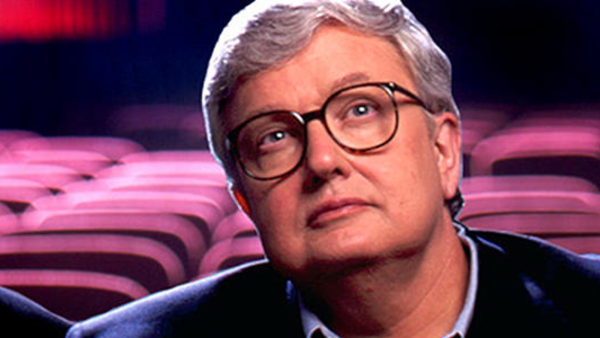
Roger Ebert famously said back in 2005, "Critics have no right to play spoiler", and mercifully, most respectable critics will present full spoiler warnings for any major plot information.

What the Internet has done for movies is a double-edged sword, then. It has democratised film discourse across the world, though at the price of creating a thorny minefield where there's no clear agreement or honour code regarding the moratorium on and presentation of spoilers.
This has prompted many to protect themselves by only visiting heavily-moderated communities with spoiler tags, installing browser extensions which can block spoilers, and in extreme cases, just staying off social media entirely in the lead-up to an anticipated movie's release.
But average folk aren't the only ones who have been forced to adapt: film studios have also had to change tack and become decidedly cagier with how they preserve the secrecy and "integrity" of their movies...
Continued on next page...
A Lie Agreed Upon: Spoiler Disinformation

In modern times, over the last decade in particular, the pervasiveness of plot leaks and free-standing online spoilers has led to movie studios taking some creative approaches to curbing the cat being let out of the bag.
Beyond merely asking fans to respect their fellow cinemagoers and keeping quiet about what happens, studios have opted to flat-out misrepresent portions of a film for the sake of its eventual payoff.
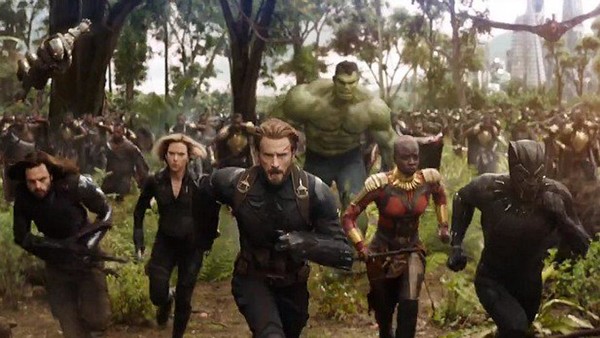
The trailers for Avengers: Infinity War, for instance, digitally altered shots of Thanos (Josh Brolin) holding the Infinity Gauntlet to conceal how many stones he'd actually collected by this point, and the epic money shot of the heroes running through the forest in Wakanda was ultimately a pure marketing fabrication, appearing in neither Infinity War nor Endgame.
Marvel Studios even went to the lengths of only giving Endgame's full script to Robert Downey Jr., ensuring that many of the film's central cast members weren't entirely sure of the full context, and therefore were unable to let their loose lips give the game away.
More controversially, some filmmakers have just opted to lie to fans in a desperate attempt to keep the lid on the mystery box.
Despite everyone figuring out that Benedict Cumberbatch would be playing legendary Trek villain Khan in Star Trek Into Darkness almost a year before the film came out, director J.J Abrams swore blind that this wasn't the case...until the film hit cinemas and that was exactly what happened.
More often than not, an audience's willingness to be deceived and misled will hinge entirely on whether or not the big reveal is actually worth it.
Infinity War and Endgame's marquee moments all hit the mark splendidly, while Star Trek Into Darkness' Khan reveal was conversely totally deflating, because the film played it for shocks despite most audience members having talked the point to death months before.
Elsewhere, when it turned out that Rhino (Paul Giamatti) only had a cameo in The Amazing Spider-Man 2 and the money shot from the trailers was actually the film's final, sequel-baiting shot, audiences felt duped and tricked in a way that wasn't entertaining.
It treated them like idiots, and was completely counter to, say, the Russo brothers misleading Marvel fans regarding the number of stones in Thanos' Infinity Gauntlet.
It's important to remember, however, that while studios have an obvious vested interest not to have their potential customers spoiled before they even make it to the cinema, there is a nefarious side to this, where studios can co-opt a fearful spoiler culture in an attempt to cover up a film's deficiencies...
Continued on next page...
The Dark Side Of Spoiler Control

After all, the biggest spoiler of all just might be that a movie sucks.
Plot details leaking ahead of time is just one problem studios face when pre-screening movies, because as we all know, negative early reviews have the potential to decimate a film's box office prospects overnight.
Consider last year's disastrous The Predator, which misguidedly premiered at TIFF over a week before it hit cinemas, and mere hours after it screened, every minute detail of its terrible plot was available online, likely contributing hugely to its box office failure.
As such, studios will often screen or embargo risky and problematic projects close to release day in order to keep a lid on reviews for as long as possible until the mainstream gets a chance to see it.

Case in point, 2015's Fantastic Four reboot, which didn't screen for American press until two days before release in the hope of minimising the spread of news that it was rubbish.
Given that the film had already been screened for the public in parts of Europe days earlier, though, it didn't much matter - the word was out, and the film tanked both critically and commercially.
It's becoming increasingly common for studios to defend this stance under the guise of protecting audiences from spoilers, when in actuality it may simply be that they (understandably) don't want an unfavourable Rotten Tomatoes score out in the wild a week or two before release.
At the end of the day, studios are free to do as they like, and there are occasional examples of amazing movies that didn't lift their review embargo until shortly before release - Mad Max: Fury Road reviews came out just three days before the film did - but more often than not, a late embargo signifies a movie that's in trouble.

Yet in an age where more viewers than ever are desperate to view a film as a hallowed experience free of even the slightest hint of how it might end, studios have a convenient out to deny critics access until late in the day.
Feeding off spoiler culture also serves the secondary function of allowing studios to drum up stronger opening weekend business, imploring fans to see their film before the memes are plastered all over Twitter by the Sunday afternoon.
And so, studios have a vested interest to keep the spoiler fear alive. But at the same time, there are countless instances where they've used comprehensive plot details to actually market their movie to a mainstream that, believe it or not, doesn't like to be surprised...
Continued on next page...
Spoilers As A Marketing Tool

It's a common complaint about movie marketing these days that trailers generally spoil too much upfront. After all, who among us didn't go into Batman v Superman well aware of how most of the movie would go?
But studios aren't just giving the big beats away for free for the sake of it - they're listening to research which says this is exactly what your average audience member wants.
The trailers for Robert Zemeckis' movies Cast Away and What Lies Beneath both pretty much laid out the entire movie, and in an interview years later, Zemeckis confirmed that this was a conceited effort on the part of the studio. Zemeckis said:
"We know from studying the marketing of movies, people really want to know exactly every thing that they are going to see before they go see the movie. It’s just one of those things. To me, being a movie lover and film student and a film scholar and a director, I don’t. What I relate it to is McDonald’s. The reason McDonald’s is a tremendous success is that you don’t have any surprises. You know exactly what it is going to taste like. Everybody knows the menu."
Most audiences would probably prefer not to be compared to beef-hoovering McDonald's patrons, but he has a point, especially considering the commercial success of both movies.
Furthermore, a 2011 study at UC San Diego tested what effect spoilers had on the enjoyment of short stories, and found that telling subjects the big twist ahead of time actually enhanced their enjoyment in almost every scenario.
While it goes without saying that showing Cap (Chris Evans) wielding Mjolnir or Tony Stark's (Robert Downey Jr.) death in Endgame's marketing would've been mightily stupid, there are many cases where confirming to audiences what they're getting is actually commercially viable. Hobbs and Shaw's marketing spoiled every single set-piece, for example, but let audiences know exactly what to expect.
It's easy to get lost in the bubble of online film discourse where we think of ourselves as above God-fearing, popcorn-munching middle-Americans, but at the end of the day, they're the people who account for most of a movie's box office revenue.
As such, the fact that studios aggressively pander to them in such a fashion shouldn't be terribly surprising.
And with the history of movie spoilers now fully laid out and pondered, let us finally consider what it might mean for the future of movies and movie discussion...
Continued on next page...
The Future Of Spoiler Culture

It's tough to know what will be made of spoiler culture in the coming decades, considering how technology has re-shaped the industry and our engagement with it in ways nobody could've fully expected even just 20 years ago.
Many love to bemoan "spoiler-phobia" as a sign of a decaying culture that's relentlessly obsessed with plot while disregarding its equally crucial context, but people have always loved being surprised, and that's never going to change.
What is going to keep evolving is the continuing uptick in digital distribution of movies. Over the next decade, we're likely to see more and more movies - especially mid-budget ones - going to VOD platforms like Netflix and Amazon Prime day-and-date.
This not only creates a wider audience for day-one discussion on sites like Reddit, but ensures there will be lavish GIFs of all a movie's marquee moments spread across social media networks within hours of their release.
As such, it's likely only going to become more difficult to avoid spoilers as time marches on, where eventually only the biggest, Avengers-sized movies will end up being released solely in cinemas.

Neither spoilers nor people's fear of them ruining a "sacred" experience are ever going away, then. As modern technology allows us to interface with media in close to real-time, it's only going to get tougher for people to avoid being spoiled.
The reality of this likely means tighter screening protocols and later press embargoes for movies. After all, the very first Avengers movie was screened to press almost a full month before it hit cinemas, while Endgame was mere days before.
It's a sign of not only the MCU's astronomical growth in less than a decade, but also a culture and an industry fascinated with secrecy for reasons both earnest and cynical.
We can all agree on one thing, though - if you want to go into a movie like Star Wars: The Rise of Skywalker spoiler-free, stay off Facebook, Twitter, Reddit et al. for a solid week before it comes out. The world will survive without your hot takes in the meantime.