10 Most Shocking Video Game Scandals Of All Time

Move over FIFA, gaming is the most corrupt industry of them all.
To the ignorant outsider, video games may just look like toys made by passionate geeks and developers who spend their whole lives in dark rooms, coding and creating the things that they love. But beneath this endearing facade, video games are an industry that at the worst of times, is just as crooked and corrupt as Nicholas Cage in the Bad Lieutenant, or FIFA. Most of the time, video game scandals rise up not because of the developers themselves; publishers deceive gamers by passing glossy pre-release footage off as the finished game, only for it to be far inferior upon release, websites give suspiciously high scores to awful games, and gamers themselves have degenerated into tribal frenzies of abuse and cyber-bullying that seemingly shook all of society. As the industry has grown in prominence, the scale and number of scandals has increased exponentially, and its no coincidence that the biggest ones have come in recent years. In a weird way, it's a mark of progress to see that gaming is seen as important enough to actually warrant everyone screaming 'scandal!' about in the first place. Yes, the gaming industry can be a truly terrible place, and that means it's been filled with plenty of events over the years that are truly worthy of that overused '-gate' suffix, which I intend to use with shameless and irritating excess throughout this list.

10. Aliens: Colonial Marines' E3 Trailer Vs. Retail

https://www.youtube.com/watch?v=3z2qVebxlUo After the botch-job that was Aliens vs Predator, the gaming public shouldn't have let their expectations get the better of them in the build-up to Colonial Marines. But people can be forgiven for getting over-excited when the E3 trailer for the game looked so damn good. Big mistake. When reality struck and the game came out, it looked vastly inferior to the trailer, with far less detail and worse lighting effects. Even the characters' voices sounded disinterested and lazy in the final game compared to the demo, as if aware that they were featuring in an inferior product that just wasn't worth putting any vocal effort into. Colonial Marines was so badly received, that gamers filed a class-action lawsuit against Sega and developer Gearbox for falsely advertising the game. The suit is ongoing, but Gearbox has now been dropped from it. On top of that, Sega filed a lawsuit against Gearbox, accusing them of funnelling money away from Colonial Marines into Borderlands 2. The whole debacle has massively dented the public's trust in publishers. Since this time, gamers have been extremely sceptical towards pre-launch trailers, ever-vigilant that they could be watching another Colonial Marines-style illusion.

9. Mortal Kombat And The Creation Of ESRB
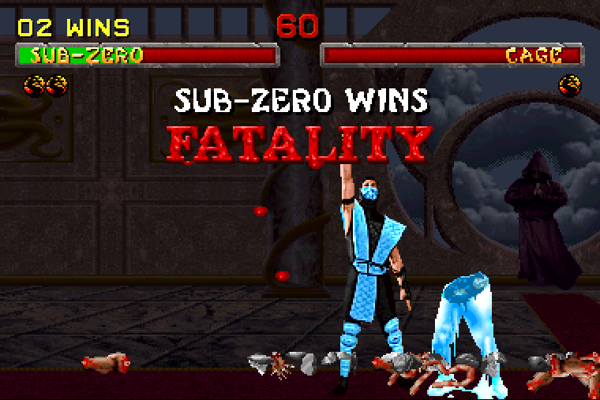
One of the early examples of a video game scandal was always going to come from one of the most gratuitously violent beat-em-ups of all time. Mortal Kombat was bloody, weirdly realistic thanks to its digitised graphics, and a grim contrast to the colourful, cartoonish Capcom fighters that were so popular back then. Parents and politicians were outraged in particular by the game's beloved Fatalities, which let players tear their opponents' spines out and make the kind of gibletty mess made by Sub-Zero in the above picture. The violence of the original Mortal Kombat caused such a moral panic, that solutions for the game's shocking content were discussed at length by scientists and political candidates. Eventually, the video game rating system that exists in the US to this day, the ESRB, was created in 1994. Nintendo - fearful of ruining its child-friendly image that made its SNES so popular - turned all the blood in the game green, and made all fatalities black and white (as if that somehow confuses our eyes into not seeing anything). Gamers' desire for Mortal Kombat's gore was evidence by the fact that the uncensored Sega version sold far better than the SNES one. Mortal Kombat was the first time a game really ruffled the feathers of society at large, putting games under the spotlight as a degenerative and dangerous medium that was capable of 'corrupting' the world's youth - a stigma that still gets trotted out every now and then to this day.

8. GTA: San Andreas' Hidden Hot Coffee
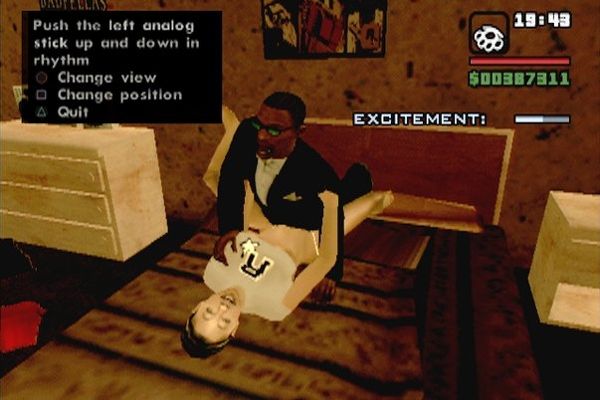
This is one of the most famous video game scandals of all time, facilitated by the fact that when Rockstar made GTA: San Andreas, they didn't remove the code for the 'Hot Coffee' sex mini-game, which allowed players to have sex with any of CJ's girlfriends. While the mini-game was disabled in the main game, plucky modders managed to unlock it not only in the PC version, but also the PS2 and Xbox versions. This meant that before long, San Andreas players were happily humping away at their in-game girlfriends in awkwardly animated scenes, while Rockstar's lawyers were preparing for the inevitable tidal wave of censorship. And the storm did come. The majority of San Andreas stockists in the US pulled the game from shelves while its fate was decided by the ESRB. The ESRB censor board quickly announced that it was changing the game's rating from Mature to Adults Only 18+, which essentially forced Rockstar to make a new version with the Hot Coffee code fully removed. In the wake of the whole mess, Rockstar faced several class action lawsuits over the porny content, and Hilary Clinton passed the Family Entertainment Protection Act, which made it a federal mandate for the ESRB ratings to be enforced. In an ironic twist of fate, this kind of publicity most likely played a big part in propelling the GTA series' popularity farther than Rockstar could ever have imagined.

7. Assassin's Creed: Unity's 'Rushed' Release
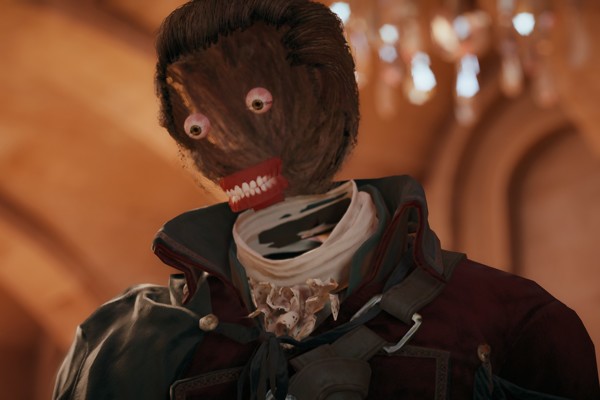
The first Assassin's Creed game made to harness the power of the new console generation, Unity was meant to revolutionise the series. But the only revolution happening in this game was the French one, and even that was hard to appreciate due to Unity being one of the most bug-blighted games ever released. Unfortunately, buggy AAA releases seem to be all the rage these days, but this was another level; faces were disappearing, characters were falling through the scenery, and there seemed to be a strange technical goof around every corner. If I was Ubisoft, I'd probably have just taken advantage of the fact that the game takes places in an Animus simulation, and integrated the glitches into the plot by saying that in Unity the Animus is experiencing technical difficulties... or something. The fact that Ubisoft imposed a review embargo until a couple of days after Unity's release suggested that they knew about its problems, but wanted to get the sales in anyway. Various sites have called for Ubisoft to refund gamers, but if Ubisoft did that, they'd be admitting a mistake, wouldn't they? And what sort of evil gaming mega-publisher would do that? In fairness to them, Ubisoft did admit some months later (you know, once the game's sales frenzy slowed down) that Unity was a 'rushed' game.

6. Street Fighter X Tekken And The On-Disc DLC
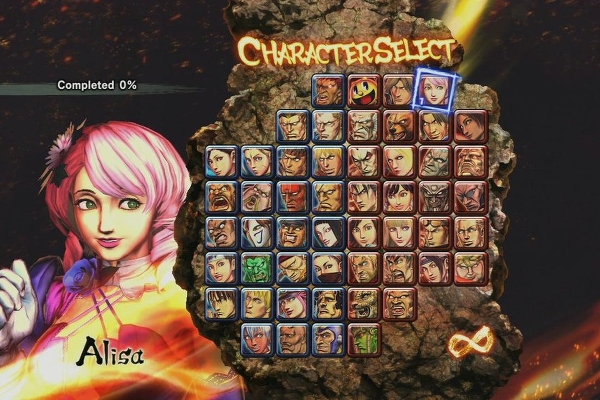
Ever since Bethesda first tried making us pay for the privilege of giving our horse some horrible gold armour, gamers have increasingly regarded DLC with suspicion. But scowl though we might at DLC, we're still happy to spend good money on it. While some DLC is well worth paying for, others have led us to wonder whether the content was essentially cut from the main game, then brought back later on as paid DLC just to make a sneaky extra buck - or few hundred thousand bucks, as the case may be. These dark fears became a reality with Street Fighter X Tekken, where gamers discovered that all twelve of the characters that were to become available as paid-for DLC were actually already on the game disc, albeit hidden behind layers of code. Plucky hackers managed to unlock the hidden characters, much to Capcom's disapproval. That's right, Capcom thought gamers were being unreasonable by essentially unlocking the full game they already had in their hands, 'robbing' the company of 'extra content'. Now we know for certain that DLC is flirting with us to our faces while nicking the coins out of our pockets, and that we shouldn't trust it ever. Besides, what happened to unlocking content by means of completing the game or achieving certain milestones?

5. Godus' Kickstarter Disaster

It was all going to be so beautiful. The Peter Molyneux - of Populous, Theme Hospital and Fable fame - reached out to the gaming public with a Kickstarter campaign to fund a god game called Godus, the 'spiritual successor to Populous'. After smashing its funding goal and raising around £530,000, Godus went into development in 2012. A malfunctioning beta version of the game came to Steam launched in 2013 (for £14.99), and it remains in that raw buggy state up to this very day. Gamers who helped fund the game have been left with nothing but this, and a shoddy freemium version of the game on iOS and Android in 2014. To make things worse, the much-touted multiplayer aspect of Godus was to involve a real person playing God. This person was to be the winner of the 'Curiosity' mobile game that came out in 2012, and they'd also get royalties from Godus' profits. The winner was an 18-year-old Scottish teenager called Bryan Henderson, but he still hasn't heard anything about his promised prize. This scandal has since been used as a cautionary tale about the dangers of Kickstarter. For all the great games that have been created thanks to the crowd-funding platform, people looking to help fund games will now always have it in the backs of their minds that the game's development might fall apart and 'do a Godus' - essentially throwing their money down the drain.

4. Dodgy Driv3r Reviews

In the first of a couple of scandals in this list hinting at corruption in the video games industry, the infamous Driv3r scandal of 2004 led to a widespread cynicism towards mainstream video game reviews that lasts to this day. Driver 3, or Driv3r, was almost universally panned as a terrible mess of a game; if GTA III, which came out months earlier, was a delicious main meal, then Driv3r was the putrid belch afterwards which causes everyone to leave the room. Yet Future Publishing's influential and official Xbox and Playstation Magazines both gave the game 9/10 scores, which were so at odds with how everyone else felt about the game that the public cried foul play. The fact that these scores were published on the Driv3r retail boxes further fanned peoples' suspicions. Angry gamers took to Future Publishing's forums to express their ire, but their comments were quickly curbed and deleted by forum admins. While Future denied any wrongdoing, this was the first time that a major game's scores were accused of being fixed, and the atmosphere of distrust remains to this day. In fact, a far more recent event of a similar nature confirmed that review score fixing is a real problem in the industry...

3. The Firing Of Jeff Gerstmann

https://www.youtube.com/watch?v=GagFPnSG0j4 There's not a lot of trust for many of the dedicated game reviews sites these days, and much of this air of cynicism towards major gaming sites can be attributed to an incident involving one Jeff Gerstmann. Gerstmann was Gamespot's editorial director when he wrote a review for Kane and Lynch, giving the mediocre game a perfectly average score of 6/10. But Gerstmann was seemingly unaware of the arrangement between the game's publisher, Eidos, and Gamespot. Eidos was paying the gaming site a ton of ad revenue, for which it was apparently assumed that Kane and Lynch would get a good score. When Eidos saw the score for Kane and Lynch, they put pressure on Gamespot to sack Gerstmann, which duly happened soon after. The full details of this unsavoury business were revealed when Gerstmann's vow of silence about it expired in 2012, with Gerstmann confirming that it was due to his low scoring of Kane and Lynch. He then went on to set up the hugely successful site, Giant Bomb, which has since been acquired CBS, the same company that owns Gamespot. The hatchet between Gerstmann and Gamespot appears to have been well and truly buried, as Gerstmann was finally allowed to reveal the details of the scandal in an interview with Gamespot, of all places.

2. Starcraft 2's Match-Fixing Scandal

Starcraft 2 is one of the most popular e-sports in the world, particularly in Korea where it's followed with the avidity of a real sport - not that e-sports aren't real sports but, well, you know... E-sports are a big-money business in Korea, complete with TV deals, sponsorships, and celebrity status. As with any sport, when these things happen, the cracks of corruption start appearing pretty quickly. The first major Starcraft match-fixing scandal happened back in 2010, in the wake of which several players were banned and fined. In the wake of this, the Korea e-Sports Association (KeSPA) began cracking down on cheating in e-sports. And it looks like the KeSPA is taking its job seriously, because just a few months ago another major match-fixing scandal was busted, with several players being paid off to throw matches. Five Starcraft 2 matches at a recent tournament were revealed to have been fixed, with players being bribed for several thousand pounds each to lose. The culprits, YoDa and BBoongBBoong (very big in Korea, so I hear) have been banned from e-Sports for life, and are set to receive hefty fines. Back to the cyber cafés they go.

1. #Gamergate

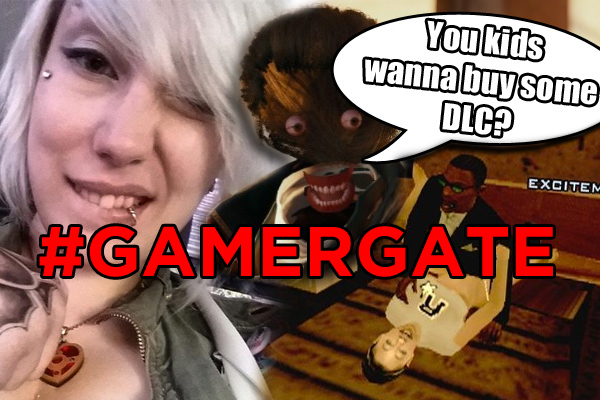
Everyone's heard of #gamergate, even if they don't really know what it is. This affair arguably began when feminist media critic Anita Sarkeesian began a Kickstarter campaign asking for $6,000 to fund a video series about sexist tropes throughout the history of video games. Her campaign came under attack from cyberbullies and gamers, who were infuriated by the attack on their medium. Ironically, these attacks caused a lot of people to come out in support of Sarkeesian, and probably played a part in her eventually raising $160,000. The series was a huge success, and subsequently the campaign of online abuse and threats escalated. Around August 2014, game developer Zoe Quinn came under attack from people in the online community when a game she made purportedly received favourable reviews from a games journalist she was in a relationship with. There was no evidence that this was actually the case other than purely circumstantial blabbering, but it's from this that the 'Gamergate' slogan was truly born. Gamergate claimed to be fighting against a lack of integrity in games journalism (not an unreasonable goal, as I've already shown earlier in this list) and excessive political correctness in the industry,but it was essentially little more than a massive, fragmented cyber-bullying campaign targeting women working with video games. The unfortunate side-effect of this was that the mainstream press pounced on Gamergate as yet another sign of the depravity of the games industry. It made 'gamers' look bad, even though the campaign was the work of cyberbullies rather than the gaming community at large, and it also made games themselves look bad due to the fact that much of the press during this time referred to Sarkeesian's videos to draw parallels between Gamergate and misogyny in video games. What do you think is the biggest scandal in gaming history? Let us know in the comments!

Contributor
Contributor

Gamer, Researcher of strange things. I'm a writer-editor hybrid whose writings on video games, technology and movies can be found across the internet. I've even ventured into the realm of current affairs on occasion but, unable to face reality, have retreated into expatiating on things on screens instead.