10 Times EA Screwed The Pooch
More lawsuits than L.A Noire.

If a video game developer or publisher is famous amongst the community, it means one of two things; they've either done something really great, or something really, really awful.
As should be surprising to approximately nobody who's been keeping up with them, EA - or Electronic Arts, if you wanna get fancy - are decidedly in the "awful dealings" category. Though it's not exactly new for a games company to do something sketchy, EA have sort of gone above and beyond in terms of doing weird, bad, and illegal things - and then doing them again a year later.
If you were playing "dodgy developer bingo", you've won a good few times over.
EA have been sued by their own workers. They've been sued for literally breaking the law - more than once. They even received a Guinness World Record for the single most disliked comment ever on Reddit, when they tried to defend their pay-to-win mechanics in Star Wars Battlefront 2 by saying that "the intent is to provide players with a sense of pride and accomplishment".
In short, EA have a shopping list of misdeeds long enough to write a decent length book about them - so the real question lies in which were the worst.
10. The Origin Forum Bans

Since EA's issues largely revolve around sketchy game development practices, it's often easy to forget that they've also had problems in game selling, through their online store Origins.
One of the most pressing matters came in regards to the link between EA forums and the Origins store. While it was totally fair that people could be banned from any forums for various reasons, these bans came with a decidedly unfair side effect: you would then be unable to use any of the games you had bought, for as long as you were banned from the forum.
The most concerning thing about this is that, when it initially came to light this was happening, EA eventually apologised and informed the unfortunate individual that this had been a mistake, and that they'd take measures to make sure it didn't happen in the future.
But did they actually? Of course not! Months later, another such case came to light, where someone was permanently banned access from their games for using the word "e-peen" in the forums. So it's not as though you had to say something really awful to get your stuff taken from you.
9. The Battlefield 4 Release

If you don't know about the Battlefield 4 release, you can consider yourself lucky, because that means you weren't subject to trying to play it when it came out.
The game was borderline unplayable, crashing for many before they could even get into it, and then being riddled with bugs and glitches for those "fortunate" enough to make it in.
Major patches were still being done to the game over a month after it released, and EA would quickly come under fire from various law firms that felt their initial advertising for the game was drastically dishonest when compared to the product players got.
Awfully, even DICE's attempts to fix these issues resulted in more problems, as when they get PC users to playtest for them, the software they used to try and test the game created further issues due to it having a faster tickrate. This would have maybe been forgivable - if it wasn't six months after the game initially came out.
8. Adding Microtransactions Everywhere

There is no ideal circumstance for microtransactions, but they're more forgivable in some games than others. For example, card games like Hearthstone make a kind of sense, as they reflect the way you have to buy packs of cards in the real world for the likes of Yu-Gi-Oh or Magic the Gathering.
The type of microtransaction that is extra unforgivable is, and will always be, making players pay for something in a game they've already just paid a premium price for - and this is where EA starts to look more than a little guilty.
Because even games that weren't designed to in any way suit microtransactions suddenly had them - like Dead Space 3, which allowed you to purchase material for the in-game crafting system with real actual money.
If you're paying sixty dollars for a game, you shouldn't also have to consider paying money just to progress through the game, and people are now so embittered with how terribly this system has been implemented that its tarnished the word microtransactions is almost synonymous with being ripped off to many nowadays.
7. The Origin Systems Debacle

In many ways, EA's dealings with Origin Systems was the catalyst for every other sketchy thing that happened afterwards - a proverbial opening of the flood gates of questionable, and sometimes downright illegal antics.
Origin Systems isn't a famous name now, but in their time they created some genuinely enjoyable games. The most recognisable of which being the Ultima series, an open world RPG franchise that arguably was integral in paving the way for the likes of the Elder Scrolls series and Fallout.
EA would acquire the company in 1992, and have them pump out more and more entries to the Ultima series. This wouldn't have been a bad thing if it weren't for how the company seemed increasingly rushed, leading to Ultima IX which was largely criticised by the fanbase.
Would EA see that this was a result of making Origin Systems make the game "more accessible" by removing much of the series' nuance and rushing them to produce it? Well, it seems not, as they cancelled all upcoming games related to the franchise - which was the kiss of death for Origin, as they were mostly tasked with maintaining Ultima Online at the time.
Origin's closure was only the first of many similar moves by EA, but it's worth addressing as there was no precedent for the company doing this at this point in history - which makes it feel worse.
6. The Server Shutdowns
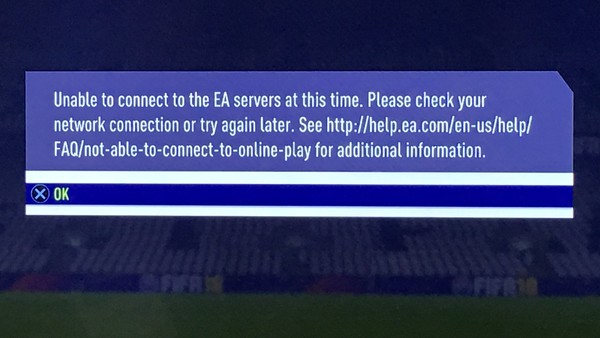
When you like at EA's best selling titles, the likes of FIFA and Madden and their various yearly instalments will eventually crop up. Having these games come out yearly usually means there's not much different or innovative about them, but this isn't exactly a bad thing: as they're just bringing fans more of what they want.
Except, if you get invested in one of these franchises, and want to keep playing multiplayer games, you're going to have to continually purchase the newest edition.
Because EA forcibly gained control of their own servers so that they could have the ability to shutdown serves for "outdated" games and force you to move on.
This was done not only to try and forcibly make you continuously upgrade, but also because EA wanted servers to be a hot commodity, since they would they go on to offer players the luxurious experience of renting a server from them for actual money.
The catch to that? That sometimes the server you were renting from them would go down, which was thought to be so EA didn't have to pay the people they were renting it from every day.
5. The SimCity Reboot

You'd think that the Sims is almost a franchise you can't get wrong. Sure, there are always ways to make the series more fun, and adding new and fresh ideas, but the fundamental concept is that it's just a simulator of human life... so you have a lot of source material.
Despite this, the SimCity reboot still managed to be a massive palaver to put it lightly. The crucial issue was that the game was made to be always online, and while brief server or connection issues wouldn't bother it, it would go down and lose a ton of your progress if it was offline for just under twenty minutes.
This was essentially unforgivable for a lot of players, as the vast majority of the Sims gamer base didn't want a multiplayer experience in the first place.
It became even less forgivable, though, as the SimCity servers were also notoriously fickle, and you could easily find yourself either unable to connect to one, or in one that would crash and sabotage you.
While an offline mode came in patch 10, you can't help but feel this may have been a good idea to implement before the game even came out.
4. Loot Boxes
Given that we're at a point in history where people are starting to consider making loot boxes illegal, it's safe to say they're a pretty sketchy concept in general.
But especially when it comes to EA, who have clearly focused in on how to maximise their loot box profits in recent years. Rare is the EA game that doesn't have some sort of loot box mechanic attached to it, making it clear that this is not merely a different structure that certain sort of games work under, but rather an extra attempt by the company to grab cash.
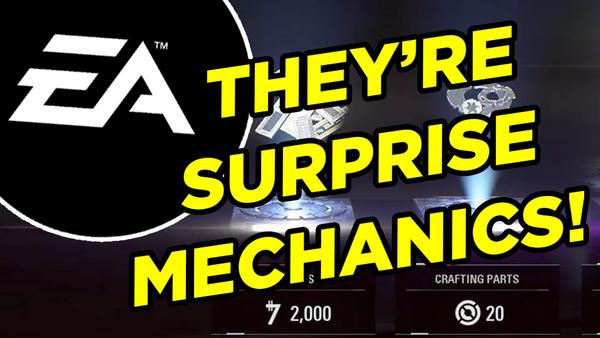
Worse yet, though, is the way in which EA has tried to justify themselves after coming under fire. In a series of phrases routinely mocked by even those who support loot boxes, EA attempted to shift the goal posts by stating their their loot boxes were not loot boxes, but rather "surprise mechanics".
While outright criminalising loot boxes does seem a step far, EA's desperate Del Boy-like ploys to get out of even having legislation placed around them did raise a million red flags for countless people.
3. Breaking American Federal Law

So, as you might imagine, this one is a bit of a doozy, since it involves a several lawsuits, including one that had a settlement payment of several million dollars.
Surprisingly, one of EA's most costly errors is also one that you'd expect they'd have at least checked about, as it involves law regarding the licensing of athlete's likenesses. In the 50s, this issue first arose as a result of the popularity of baseball cards with famous players on them, resulting in a court case where it was found that the person themselves (of course) had the legal right to their likeness first and foremost.
Yet, EA signed a contract with the NFL and several other leagues that they thought allowed them exclusive access to the licensing of American football stars... without seemingly ever consulting said football stars. As you might imagine, the minute people realised this was actually kind of illegal, EA felt the brunt of the law fast.
And often, as this would happen several times, with Electronic Arts paying out a forty million dollar settlement in 2015, and then six hundred dollars the year later.
2. Hostile Acquisitions

Perhaps the most infamous bad practice of Electronic Arts has to be the ways in which they've mishandled the various other companies they've bought over the years.
For a long time, the common reasons EA would acquire other developers appeared to be in order to strip them of useful IPs and squash any competition. We've already discussed this in the case of Origins Studios, but they are by no means the only studio to have seen this treatment - simply the first.
Maxis, Bullfrog Productions, Westwood Studios, Black Box Games, PlayFish... the list of studios basically stripped for parts and then all fired or amalgamated is a long and painful one.
And it's unclear if this issue does appear to have been addressed. On one hand, in 2008 the new EA CEO referred to the fact that these prior practices had been unjust and appeared to care about these mistakes not being repeated. On the other, the closure of Visceral Games in 2017 has made many suspicious that the company is back to old tricks - and we can only watch to see if this is the case.
1. The Crunch Lifestyle Scandal

Many, many studios have in recent years come under public scrutiny for the treatment of their workers - and quite fairly, because while we all want a new Skyrim, we'd also like it to not come at the cost of ruining someone else's life.
EA's mistreatment of workers came to light in 2004, when the spouse of a worker revealed that they were commonly expected to work thirteen hour days, seven days a week - with "the occasional Saturday evening off for good behaviour (at 6:30 PM)".
The worst part is that this isn't the more commonly applied use of "crunch culture", as these employees weren't having to put in crazy hours in the weeks leading up to a game being finished. Instead, they were expected to pull one hundred hour weeks in a regular development period.
After two huge lawsuits came at Electronic Arts - costing them a collective thirty million dollars - it seemed as though the company had learnt its lesson about treating its employees like actual humans.
At least, it did at the time, because recent reports suggest things have gone back to their crunchy base. Worse yet, it's been suggested that this crunch culture is actually responsible for many newer games' problems, as unsurprisingly a human that has worked infinite hours is more likely to be focused on finally getting a moment of rest than the nuance of video games.
Watch Next
Nintendo Or Super Nintendo – Which System Were These RPGs Originally Released For?