Year: 1986 Platform: NES Probably the most mature of Nintendo's most popular franchises, the Metroid series has offered players alien blasting fun since 1986, when the first game in the series hit the NES. Essentially inventing a whole new genre, Metroid was remarkable in that it allowed players to explore non-linear levels that could be revisited and uncovered even further using unlockable abilities. While Super Metroid for the NES managed to polish and expand upon the original premise, Metroid is a game that's still immensely playable even today. The ability for players to actively explore and discover was key to the game's success, and it's arguably had a greater impact on today's action-adventure games than any other title.
10. The Legend of Zelda
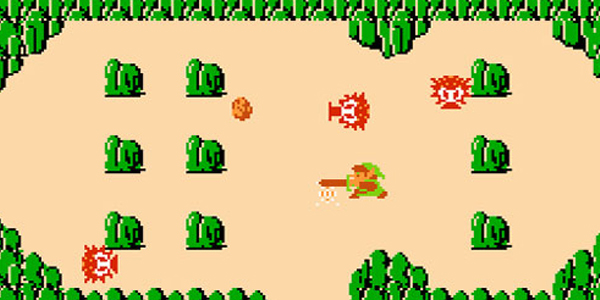
Year: 1986 Platform: NES Metroid and Mario weren't the only iconic Nintendo IPs to come out of the '80s. The Legend of Zelda is a franchise that has since enjoyed huge commercial success and critical acclaim, all while being a household name even among non-gamers. The Legend of Zelda is incredibly basic when compared to its successors, but it introduced the three cornerstones that every game in the series has since followed; action, adventure and narrative. Audiences loved the game for its strong sense of exploration around a fantasy world, with the character of Link soon becoming an icon almost to the same scale as Mario.
9. Tempest
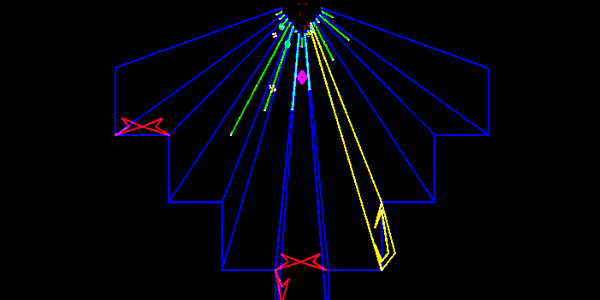
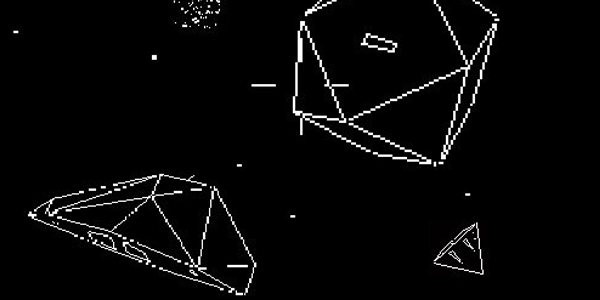
Year: 1981 Platform: Arcade Tempest is a game that can proudly call itself a pioneer of the industry. Totally different from anything that had come before it, Tempest featured a totally new control system and futuristic-looking vector graphics based on a fixed, three-dimensional perspective. An infamously hardcore gaming experience, Tempest was notorious for its high levels of difficulty, and was one of the first titles to offer a selectable difficulty level (essentially letting players skip the first few levels). Despite being so unique for the time, Tempest drew players in with its addictive survival gameplay and graphics that gave a real impression of depth, allowing for three-dimensional spatial awareness.
8. Defender
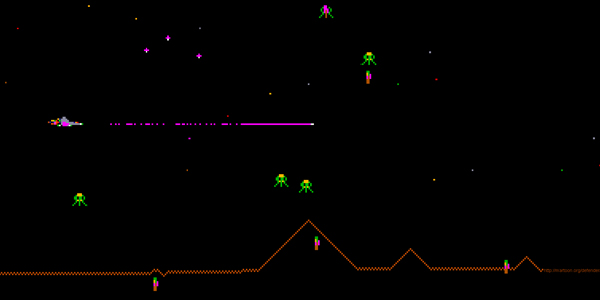
Year: 1980 Platform: Arcade, Atari 2600, C64 At the time of release, Defender was one of the most complex games ever released. Requiring a whopping five buttons along with the joystick, Defender was an overwhelming experience for many gamers when it first launched. Word soon spread though, and Defender has since been recognised as one of the most important arcade games ever released. Incredibly challenging, Defender required players to control a space ship across a rocky terrain, as they adjusted its elevation, direction and weapons. The absolute cutting edge of gaming technology in its day, Defender has had a far greater impact on the industry than it's given credit.
7. Donkey Kong
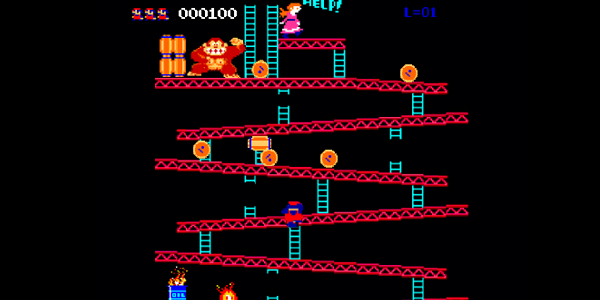
Year: 1981 Platform: Arcade, C64, NES It's impossible to talk about the '80s in any depth without mentioning the cultural icon that is Donkey Kong. The game that made Nintendo big in the U.S., Donkey Kong was the first popular single-screen platformer, and one of the most played of the entire decade. The gameplay was simple: jump over the various moving obstacles to get points and save the princess from the evil monkey. It's absurdly simple by today's standards, but this was one of the first times an arcade game had a real visual narrative to follow, making it far more accessible for non-gamers. The first game to be designed by industry legend Shigeru Miyamoto, Donkey Kong is a true piece of gaming history.
6. Super Mario Bros. 3
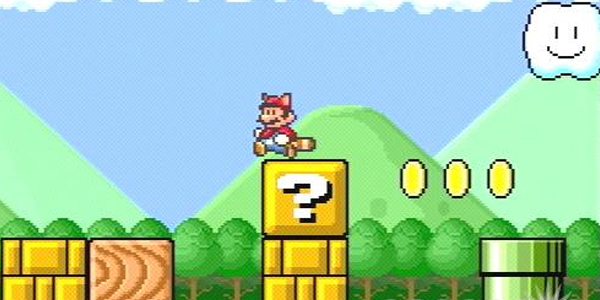
Year: 1989 Platform: NES It might not have been the first, but Super Mario Bros. 3 is the game that really sold Mario as a franchise that would live forever. Retaining the same excellent controls and addictive gameplay of the first two games, Super Mario Bros. 3 expanded the formula with a level-select map screen, more varied, detailed environments and a number of fun minigames. The new power-ups introduced in Super Mario Bros. 3, such as Raccoon Mario and Frog Mario, have since gone on to be classics, and helped to keep the gameplay fresh. One of the most successful second sequels ever, Super Mario Bros. 3 sold over 18 million copies on the NES alone, later getting popular ports on the SNES, Wii and Game Boy Advance.
5. Maniac Mansion
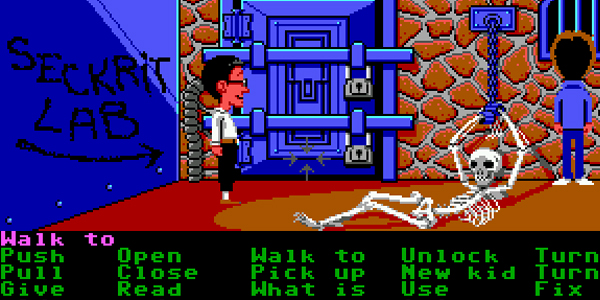
Year: 1987 Platform: C64, PC, NES One of the earliest games to offer a hilarious and compelling narrative, Maniac Mansion was the game that really propelled LucasFilm Games (later reformed as LucasArts) to legendary status. A graphical adventure game, Maniac Mansion let players control multiple protagonists, experience several different endings depending on their earlier decisions, and featured a witty, endearing script. While Maniac Mansion wasn't quite as refined as later efforts by LucasArts, such as The Secret of Monkey Island and Grim Fandango, it's still immensely playable and a testament to the talent of the LucasArts team.
4. Elite
Year: 1984 Platform: BBC Micro, C64, Spectrum Despite being one of the least commercially successful games on this list, Elite is notable as being one of the most stunningly ambitious games of the decade. A space trading simulator, Elite added twitch gameplay to the genre established by 1974's Star Trader. Featuring a procedurally generated universe, Elite was a huge game that players were able to get totally lost in. The physics system was surprisingly complex, while the trading-based gameplay was incredibly addictive, as players explored the galaxy for the most profitable place to offload their goods. One of the first games to feature a truly absorbing open world, Elite set the groundwork for all sandbox games to come.
3. SimCity
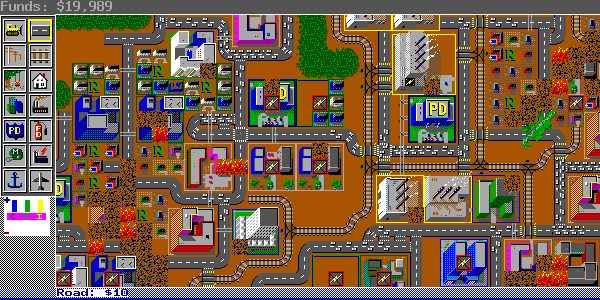
Year: 1989 Platform: PC, Mac, Amiga That's right, the original Sim City was (only just) released in the '80s. Remarkably popular, SimCity managed to offer a unique, open-ended experience to players, packaged in a system that was impressively intuitive considering its complexity. As with modern games in the series, SimCity allowed players to design and build a city without a specific goal or endgame. Even in the original, the number of options available was breathtaking, with adjustable tax rates, detailed power grids and even natural disasters. Most importantly, SimCity was one of the earliest titles to show that video games could let players create something unique, and have fun without the need to shoot alien invaders or evil monsters.
2. Super Mario Bros.
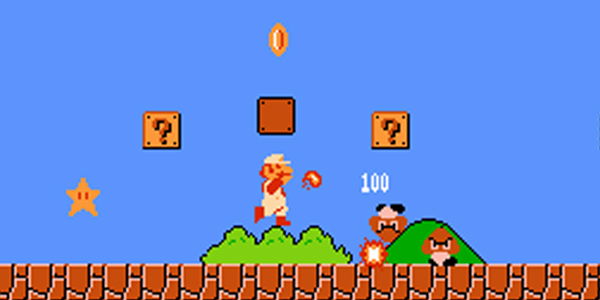
Year: 1985 Platform: NES Super Mario Bros. is by far the most important platformer ever released. A huge shake-up for the video game industry, Super Mario Bros. pioneered a number of features that are taken for granted in today's gaming world. One of the key things that made Super Mario Bros. such a hit was the incredibly fluid controls. Players had unprecedented control of the titular hero, letting them use inertia to clear large gaps and hold down the jump button in order to get higher. It was also incredibly fun, and the opening stage (which cleverly taught new players everything they needed to know in a few minutes without a single piece of text) has since become the most famous level of all time.