20 Recent Video Games EVERYONE Knew Would Suck
Everyone saw these duds coming a mile away.
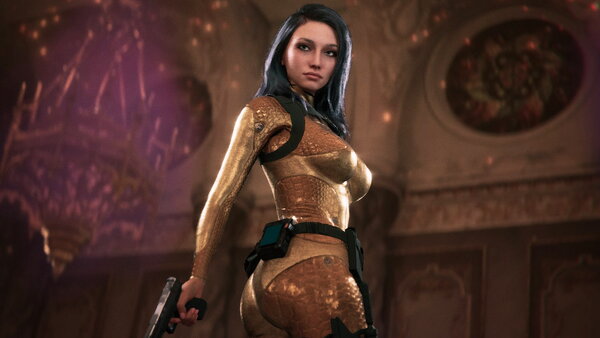
Not all games can be great or even good, and while a slick marketing campaign can often prevent players from realising this until it's too late, there are also those many games whose non-quality we all see coming a mile off.
Sometimes a game just can't hide its own stink no matter how hard the publisher tries to put lipstick on a pig, and so players en masse know to give it a wide berth well ahead of launch.
And that's absolutely the case with these 20 recent games, each of which made it abundantly clear pre-release they wouldn't be delivering the goods.
Perhaps it was as simple as trailers and gameplay footage showcasing all of our worst fears, a lengthy dev cycle that raised a lot of eyebrows, or unsavoury creative decisions that basically doomed it from the jump.
Whatever the reason, it was clear that these 20 games were going to have some serious issues on launch, and in each case that's been proven categorically true.
The lesson here? When a game shows you what it really is pre-release, believe it...
20. Call of Duty: Black Ops 7

Even though 2024's Call of Duty: Black Ops 6 felt like a serious return to form for the FPS franchise, eyebrows were swiftly raised when Activision announced that it would be immediately followed by Black Ops 7.
More to the point, Black Ops 6 developers Treyarch and Raven Software were tasked with also releasing Black Ops 7 the very next year, counter to the usual Call of Duty production model of cycling between different studios to ensure annual releases while maintaining quality.
It was a red flag from the jump, then, and on release week reviewers noted two other hugely concerning things - the campaign was always-online and therefore couldn't be paused, and the game contained AI slop art.
It was painfully obvious that Black Ops 7 was hurriedly sloughed out with the bare minimum effort, and so nobody should've been surprised that it scored some of the series' worst reviews to date while also posting the franchise's worst sales in almost 20 years.
The fallout was ultimately dire enough that Activision even vowed not to release back-to-back Black Ops or Modern Warfare installments ever again.
19. Tokyo Scramble
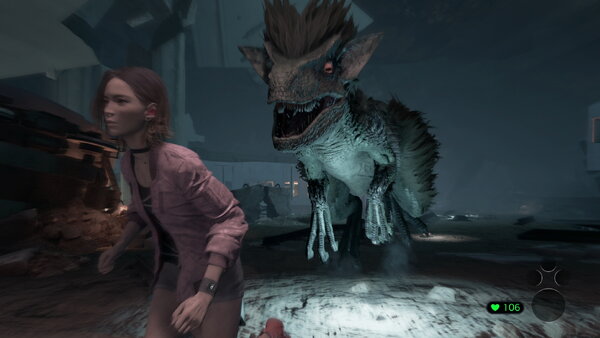
One of two games on this list desperately trying to dine out on the legacy of Dino Crisis, Tokyo Scramble takes place in the underground bowels of the Japanese city as players attempt to evade ancient dinosaur-like creatures.
If the game being a low-budget Switch 2 exclusive didn't already raise a few questions and eyebrows, it was clear from its initial reveal that it was a cobbled-together mess of blandly muddy assets, generic stealth gameplay, and... not a whole lot else.
Though there was some scattered praise for the game's unconventional co-op multiplayer mode - where up to four players can use GameShare to control protagonist Anne together - that seemed to largely be a case of critics just trying to find something good to say about it.
At the time of press Tokyo Scramble is the second-worst reviewed 2026 video game on Metacritic, somewhat aptly being outdone only by the other Dino Crisis knock-off on this list - but more on that later.
18. I Am Jesus Christ
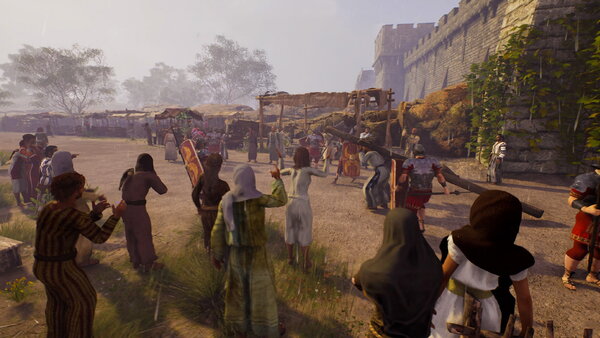
As amusing and utterly meme-worthy as the idea of a Jesus Christ simulator might be, did anyone who doesn't sleep with a Bible by their bedside really think that I Am Jesus Christ looked any good?
This open-world chronicle of Jesus' greatest hits began development way back in 2019 and only finally came out this past April - and that's just red flag number one.
In the interim a few demos made it clear how thoroughly bland it was shaping up to be.
And on top of this, developer SimulaM was rightly raked over the coals in the lead-up to release for using AI-generated "voice acting" for both its narration and general dialogue.
And so, beyond those few playing the game ironically, I Am Jesus Christ failed to strike a chord outside of its core demographic, but because it was quite literally preaching to the converted, of course the Steam reviews were effusively positive regardless.
17. Goals
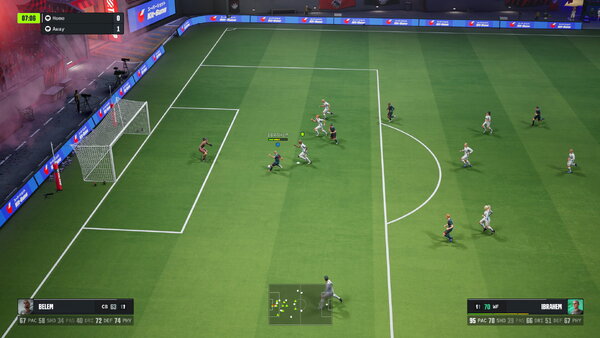
Even ignoring how tough it is to break into the free-to-play football game market, Goals did itself no favours from the start considering that it was originally conceived with extensive NFT integration, some even dubbing it an "NFT-based FIFA."
Truly a sentence to make your skin crawl. Remember NFTs?
Though the developers ended up scrapping the NFT stuff, it pointed to a lack of cohesive direction and a penchant for trend-chasing from studio Goals AB.
The game's fate was further sealed when an open beta a few months before release was divisive-at-best, many criticising the clunky gameplay and its overall failure to measure up as a legit contender to genre king EA Sports FC.
Goals' full release at the start of June didn't really fare any better, and even though it came out in the midst of World Cup fever, it still shed the vast majority of its launch player-base within a few short weeks.
16. Legacy of Kain: Ascendance
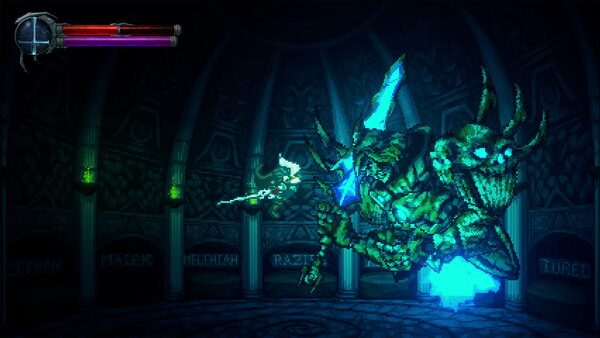
Legacy of Kain fans knew they were in for a rough time when the new 2D platformer Legacy of Kain: Ascendance was announced to be based on the recent graphic novel The Dead Shall Rise.
Said graphic novel was widely panned by fans for its writing, artwork, and especially the decision to focus on a new character, Elaleth, over Raziel and Kain.
And so expectations weren't exactly stellar from the outset for this pixel-art side-scrolling spin-off - all the more upsetting considering it's the first original Legacy of Kain game in 23 years, since Legacy of Kain: Defiance.
Beyond not being Raziel or Kain, Elaleth just isn't a very fun or interesting character to play as, the game is largely too easy, the art style is generic and dull, and the level design utterly uninspired.
Everyone saw this coming the moment they found out what the game was based on, sadly.
15. Samson
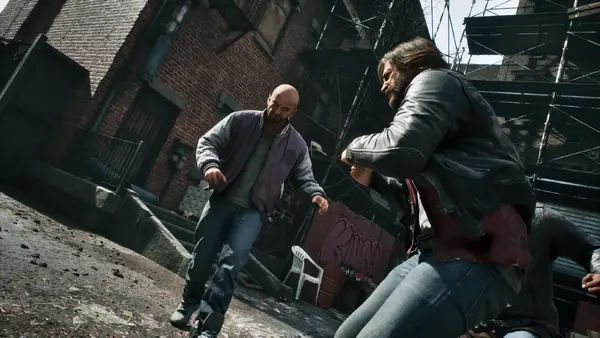
Open-world action game Samson didn't help itself with its marketing, which not only touted some truly dreadful we-have-Goodfellas-at-home voiceover narration, but also showed off gameplay that conjured thoughts of two of the decade's most infamous games - The Quiet Man and MindsEye.
And ultimately Samson couldn't merely settle for being a generic crime game in the vein of Grand Theft Auto or Yakuza/Like a Dragon looking to make a quick and easy buck.
It was also panned on launch for its multitude of bugs, enough that IGN's reviewer even ended up soft-locked out of beating the game altogether.
Beyond that, the combat and driving were criticised for being as clunky as the marketing made them look, ensuring this made for a lackluster debut for new Swedish studio Liquid Swords.
It would've been a delight if Samson were a flawed gem of a AA game punching well above its weight, but to anyone paying attention that was never on the cards.
14. 1348 Ex Voto
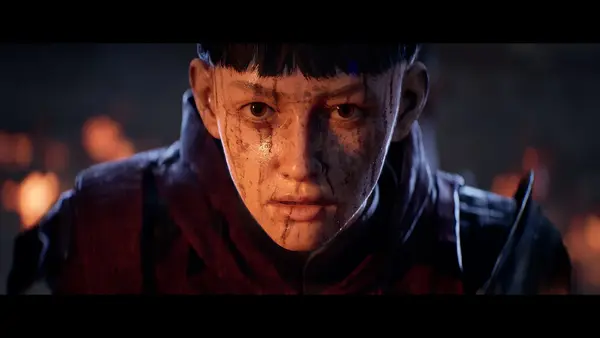
Look past the vile anti-woke campaign launched against 1348 Ex Voto for its LGBT themes and, sadly, it still didn't look like a very good game.
The presence of Expedition 33's award-winning actress Jennifer English also couldn't disguise how much of a bland Plague Tale knock-off this action-adventure game appeared to be.
Players take control of Aeta, a young knight who ventures off on a brutal quest through medieval Italy to rescue her closest one, Bianca.
And while 1348 Ex Voto received some scattered praise for its performances and visuals, it was largely panned on launch for its generic, bug-riddled gameplay, and especially its absolutely maddening approach to combat.
Truly, this was a game many were rooting for pre-release - ignoring the loud bleating of the chuds, of course - but everything shown off suggested a superficial experience that lacked the compelling gameplay to back up its stronger presentational elements.
13. Fire Emblem Shadows
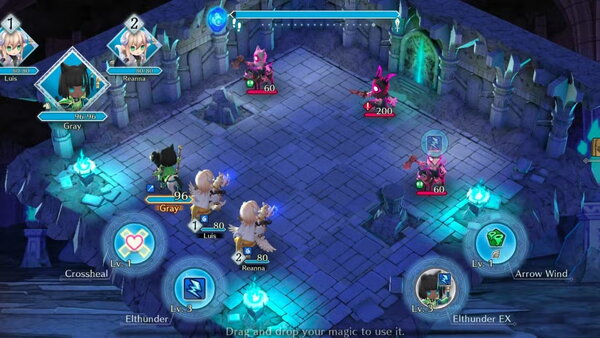
Fire Emblem Shadows wasn't the beloved RPG franchise's first mobile spin-off, but it was the first that had fans questioning its very existence.
Entirely ditching the series' strategic turn-based combat in favour of a social deduction loop, Fire Emblem Shadows' big problem is that it feels less like a Fire Emblem game than an Among Us-like with some franchise branding half-heartedly slapped on it.
And so much was apparent from the moment the game was revealed to the bafflement of basically the series' entire fanbase.
Plus, with the game being free-to-play, the anticipated microtransaction integration was as icky and intrusive as one has been primed to expect.
All in all Fire Emblem Shadows is an embarrassingly shallow attempt to wring some extra dough out of a great franchise, yet considering that in-game spending peaked the day after its release, it's fair to say that it was an abject failure in that regard.
12. Spellcasters Chronicles
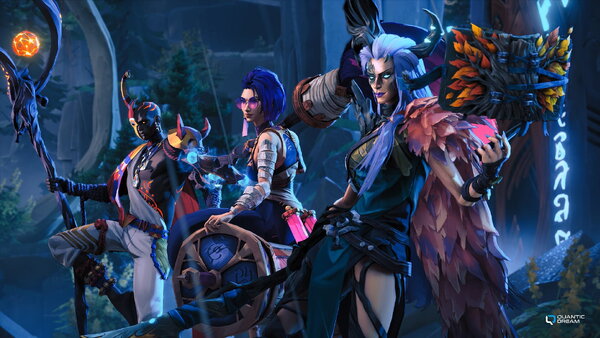
Though developers shouldn't be inherently criticised for branching out and trying new things, it was quite a questionable pivot to see Quantic Dream - the studio which made their name on interactive dramas such as Heavy Rain and Detroit: Become Human - take on a free-to-play MOBA.
In every fiber of its being this felt like a cynical attempt to break into a new market and mine those precious microtransaction dollars, and the skepticism was unaided by Quantic Dream reportedly spending the better part of eight years making it.
So it was hardly a shock when Spellcasters Chronicles' early access launch was an utter calamity, most agreeing that the developer simply lacked the experience to develop a quality MOBA that could stand out from the pack.
The early access launch failed to even top 1,000 concurrent players on Steam, and around three months after it began, Quantic Dream decided to shut the game down, which by this point was struggling to maintain two-dozen concurrent players.
11. The 9th Charnel
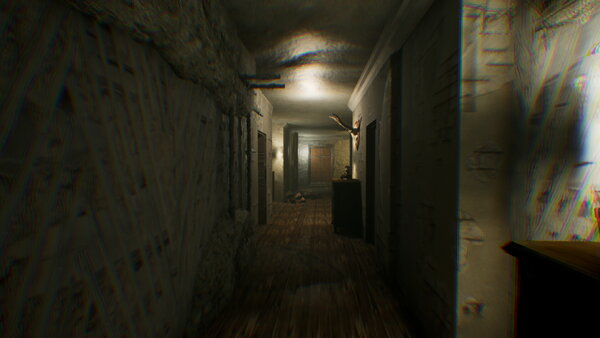
Much as one wants to champion indie horror at basically every turn, it was clear that The 9th Charnel just wasn't up to snuff when developer Saikat Deb did that most commercially risky of things - they put out a pre-release demo confirming all the very worst suspicions.
The fact that the glossy survival horror game was the work of a "solo dev" was enough to muster a little skepticism, while the demo made it clear that The 9th Charnel suffered from tedious level design, overbearing and hilariously dated cutscenes, and thoroughly naff combat, stealth, and enemy AI.
Though there's no joy to be had in kicking a game produced by a single person, The 9th Charnel was sadly every bit the Generic Horror Game it touted itself as from the outset.
And save for a few atmospheric visuals, it absolutely failed to distinguish itself in a sea of me-too genre titles.
10. Highguard
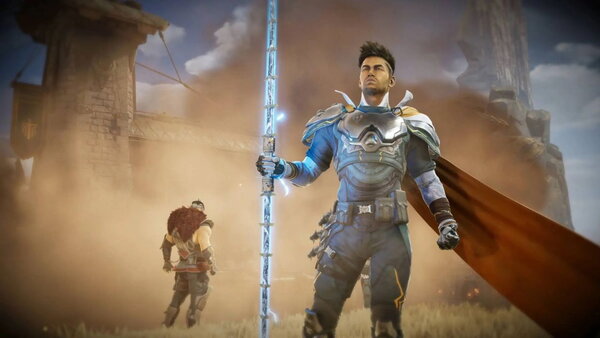
To be totally fair to Wildlight Entertainment's hero shooter Highguard, it was basically set up to fail considering that it was revealed as the "one more thing" at the end of last year's Game Awards.
This led to a vocal chorus of players questioning why Geoff Keighley chose to end the show with such a generic-looking game rather than the usual AAA banger from a name studio, ensuring Highguard was on the back foot from the very beginning.
The reveal trailer didn't really suggest the game had much of a personality to speak of or was going to do anything unique in the overcrowded hero shooter space, and that was ultimately bang on the money.
Apex Legends this wasn't, then, and when Highguard was finally released it shed 90% of its player-base within a week, before being shut down entirely just 45 days after launch.
Truly, an outcome that most saw coming the moment it was unveiled on the Game Awards stage to deafening indifference.
9. Scar-Lead Salvation
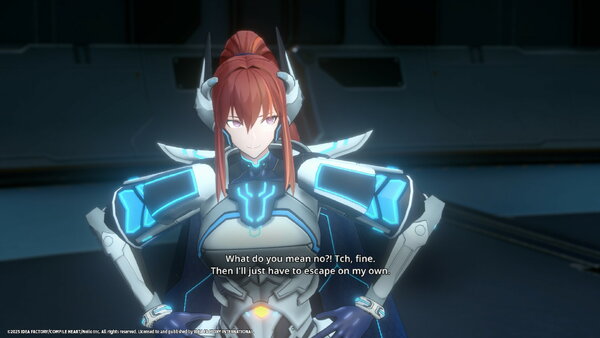
It might've been mean to call Scar-Lead Salvation "Returnal at home" if not for the fact that it was last year's second-worst-reviewed major game, behind only the infamous disaster that is MindsEye.
And it was painfully transparent from the marketing materials that this anime-flavoured attempt to ride Returnal's coattails just didn't have the sauce, as the kids like to say these days.
Gameplay footage largely showed off repetitive environments, boring combat, and seemingly generally shallow gameplay, which coupled with developers Compile Heart and Idea Factory's lack of experience in the third-person shooter genre didn't paint an encouraging picture at all.
And this is exactly what Scar-Lead Salvation turned out to be - a puddle-deep Returnal-like that simply lacked enough basic interest to maintain player attention for very long.
That's without even getting into the technical issues on launch which waylaid those poor souls who actually threw down money to play it.
8. God of War Sons of Sparta
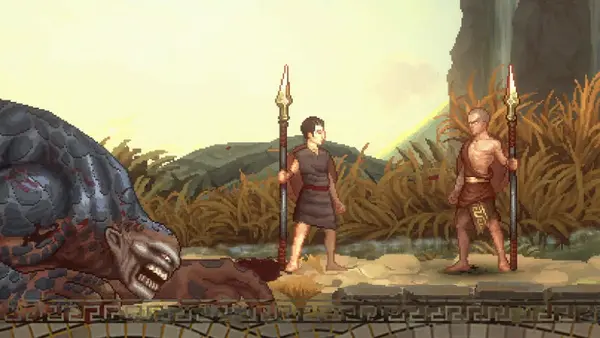
Though shadow-dropped games absolutely can be awesome, it's a strategy that tends to work better for new IP that might need the extra attention - like, say, Hi-Fi Rush.
When you're dealing with a name franchise, it's a little more sus, as was certainly the case with Sony Santa Monica's new God of War-themed Metroidvania, God of War Sons of Sparta.
Sony announced the game during their State of Play presentation on February 12th and dropped it the very same day, and while a God of War Metroidvania is a conceptually great idea, the reveal trailer didn't exactly set the world on fire.
In its very bones this felt like a curious little passion project that Sony eventually realised wasn't worth the juice of a major marketing push, and so rolled the dice with a shadow-drop.
While hardly the worst game released this year, Sons of Sparta largely lived down to expectations, delivering an aggressively generic, personality-devoid Metroidvania that felt more like a cheap cash-in than a game actually produced by the main God of War studio.
7. Cthulhu: The Cosmic Abyss
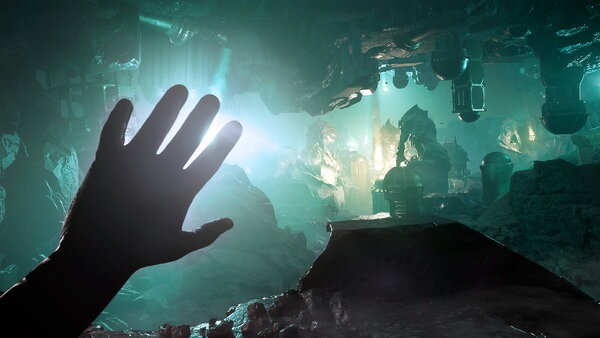
Much as cosmic horror is very in vogue right now, it wasn't easy to have high expectations for Cthulhu: The Cosmic Abyss, considering the game came from studio Big Bad Wolf.
Though the developer made 2018's well-received episodic mystery game The Council, more recently they put out the utterly mediocre Vampire: The Masquerade - Swansong, denting much of the goodwill they garnered from their debut.
Beyond that, this new Lovecraftian horror romp was published by Nacon, which largely has a rep for putting out mediocre-to-poor games across a variety of genres.
Then there's the fact that the game's marketing failed to distinguish it from the many other Cthulhu titles out there, and a demo released two months before it came out suggested players were in store for a clunky, buggy time with frustrating puzzles and a molasses-slow pace.
And this was ultimately an accurate reflection of the final game, which was pilloried for all these issues and many more, to the surprise of precious few.
6. Fast & Furious: Arcade Edition
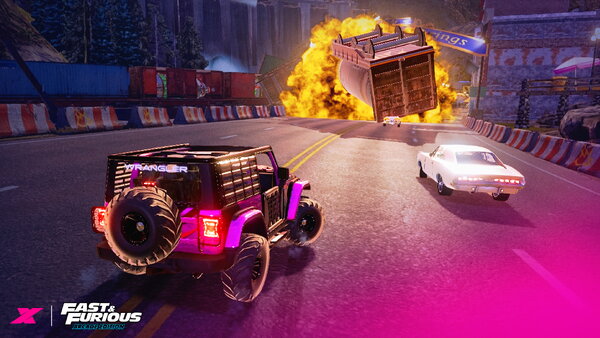
Honestly, if you expect a quality game from a publisher literally called GameMill Entertainment, which specialises in producing low-budget licensed games for a quick buck, that's basically on you.
And while Fast & Furious: Arcade Edition didn't really need to do a whole lot to be a basically competent, playable racing game, it failed to clear even that low bar.
The game is defined by its depressingly shallow gameplay with horrendous rubber-band AI, its laughable lack of content, boring progression system, generic graphics, and largely naff engagement with the Fast and Furious license.
It's tough to imagine many taking one look at the game's marketing and thinking that - like almost every other Fast and Furious-branded video game - it was anything more than a quick-and-easy attempt to milk the teat of a smash hit IP.
Nobody was expecting a Forza Horizon-caliber experience here, but something a little more effortful than this would've been a pleasant surprise.
5. Spy Drops
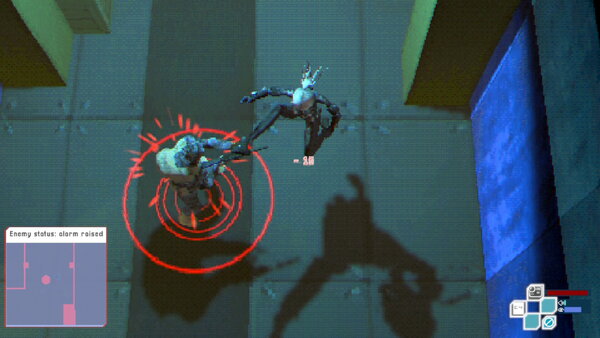
In recent years there's been a major surge in retro-flavoured games attempting to recapture the distinct low-poly style of the PS1 era, and while many of them have proven plenty charming, Spy Drops sure wasn't among them.
This stealth-action game makes no bones about the fact it's heavily inspired by the original Metal Gear Solid, and while that's not inherently a bad thing, it is when the gameplay is so clearly totally busted from the jump.
The camera and controls are especially woeful, while the enemy AI is atrocious even for a game styling itself as a homage to the late '90s.
That's not to ignore the use of AI generated voiceover, which caused enough backlash that developer Rainy Night Creations replaced it with actual human voiceover a month after launch - by which point the damage had firmly been done.
There's literally no reason to play this rather than simply go back to the original Metal Gear Solid, and as much was basically apparent from the moment it was first revealed.
4. Dissidia Duellum Final Fantasy
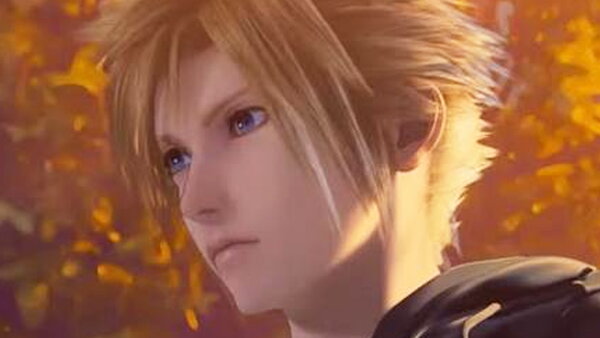
Nothing says an instant "nope" quite like mobile gachaslop, ensuring all but the most die-hard of Final Fantasy fans had low expectations for Dissidia Duellum Final Fantasy.
A fighting game in the vein of Dissidia Final Fantasy NT is by no means an inherently bad thing, but it was painfully clear that Square Enix was going to monetise the bajesus out of it, as they assuredly did with grotesque pay-to-win mechanics right out of the gate.
On top of this what passes for a story... isn't great, and the gameplay is thunderously uninteresting, adding up to a title that feels every bit the soulless, shambling cash-in many pegged it as the moment it was first revealed.
And if that still didn't clue you in, the closed beta impressions that came out many months before the game's full-fat release last March certainly should have. Don't be shocked if it closes up shop before the year is out.
3. Thick As Thieves
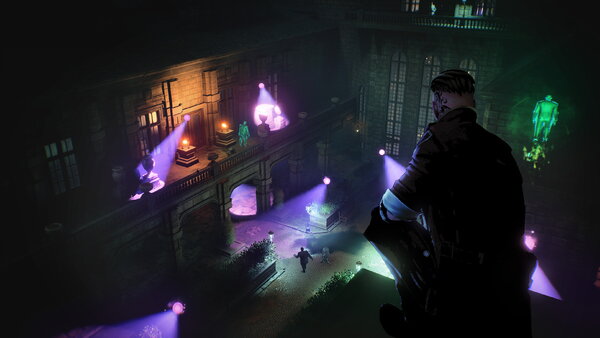
There's perhaps no single more damning sign of a game being on a collision course with failure than the developers announcing major changes mere weeks before release.
And that's exactly what happened with Thick As Thieves - an otherwise promising stealth game from Deus Ex creator Warren Spector which was originally announced as a PvPvE title.
However, roughly six weeks before the game's May 2026 launch, developer OtherSide Entertainment announced that they'd decided to shift away from this angle and reimagine Thick As Thieves with a focus on solo and two-player co-op gameplay.
Even though some fans praised this change as a course-correction, the optics of changing tack so close to launch didn't paint the sunniest picture, even assuming that this decision was made internally many months before - if not longer.
This, coupled with a suspiciously low $5 launch price, made it feel like OtherSide were dropkicking it out the door simply to wash their hands with it - which seems to have been more-or-less proven true since release.
2. Code Violet
Even the most die-hard Dino Crisis fan desperate for a new game inspired by the classic survival horror title could see that Code Violet was going to be, well, hot garbage.
For one, studio TeamKill Media has a well-earned rep for shoveling out no-effort slop with widely panned releases like Kings of Lorn: The Fall of Ebris, Quantum Error, and Son and Bone, so why would this one be any different?
And duly, Code Violet lived down to all reasonable expectations, making only the most minimal effort to disguise its status as a blatant asset flip, not to ignore the mind-numbingly tedious level design, braindead enemy AI, and infuriatingly poor camera and controls.
There's absolutely no reason to play this over just revisiting the original Dino Crisis - or hell, even one of its sequels - yet it nevertheless sold well enough that TeamKill recently confirmed a sequel, Code UltraViolet, is now in development. Lord have mercy.
1. Skate
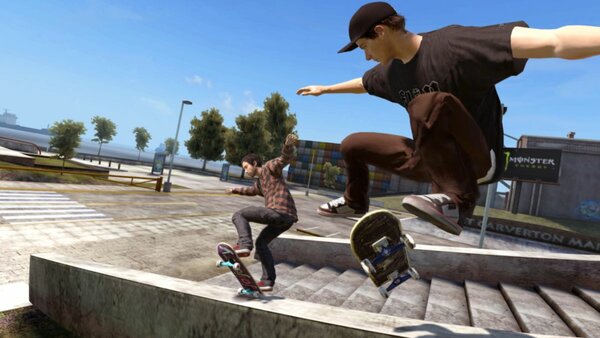
Though we all wanted the new Skate to bring the series back to its former glory, let's be honest - the writing was on the wall long before it came out.
For one, EA decided to release the game free-to-play with microtransactions, and perhaps more concerningly, they made it always-online, meaning you can only keep playing it for as long as the publisher continues to maintain the servers.
It didn't set a great tone from the start, and the various betas of Skate basically split the fanbase down the middle, many criticising it for feeling like an overly corporate, extremely un-cool version of Skate with a generic, soulless live service design.
And that's exactly what the early access release bore out, arriving without a scrap of the original trilogy's personality and offering up a barebones suite of features.
Sure, it has its defenders, but this is such a steep drop from the brilliance of its predecessors.