6 Things Nintendo Needs To Do To Win Back Gamers

There are a few things that can get Nintendo back into the hearts and minds of both casual and hardcore gamers that have abandoned the original Wii and, by extension, the Wii U.
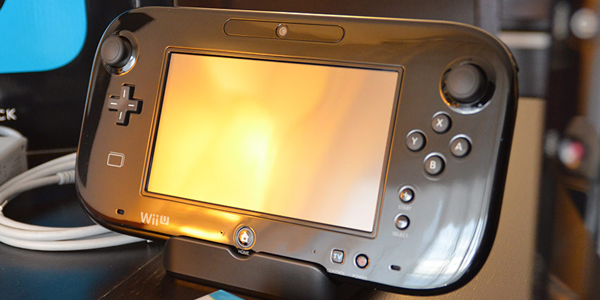
Nintendo's recent financial downturn has shaken investors, board members and the head of Nintendo. Though many say they saw this happening since the beginning when details of its specifications were beginning to be known, there was still a chance we'd instead be seeing huge numbers towards their original goal of 9.2 million consoles sold. That didn't happen. But what about the gamers? Throughout it all, Nintendo is a gaming company first and their commitment to quality is evident in their output. But the landscape of gaming has changed since the SNES era. With new competitors willing to take risks with new content formats, themes, gameplay styles from their first-party developers and delving into areas hitherto unaffiliated with gaming, they took the crown from the house that Mario built and gave gamers things they didn't know were possible. Since the N64, Nintendo has lost a lot of fans and gamers due to decisions made to appease their own programmers and game designers. From the cartridges of the N64 era to the mini-discs (and that handle) of the GameCube era to the woefully underpowered architecture of the Wii, Nintendo has catered to what they think gaming should be based on their own philosophies. Yes, the Wii was a success but it floundered in catering to the hardcore gamers, who buy those third-party games that keep a console in the core gamers' minds. There are a few things that can get Nintendo back into the hearts and minds of both casual and hardcore gamers that have abandoned the original Wii and, by extension, the Wii U. The current console can still be saved and, even if it's too late to bring sales back up, the future of Nintendo home consoles does not have to be so bleak. Let's take a look at some of the things Nintendo can do to win back gamers and climb back out of the financial loss pile.

6. Improving Their Online Network Component
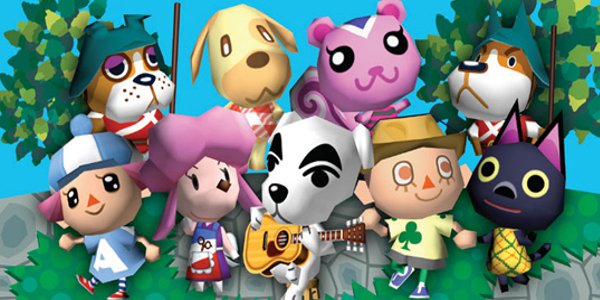
The Wii U's online gaming network is definitely better than the Wii's but falls short of the competition. To match up, and possibly surpass, to their rivals Nintendo needs to hire competent people who know how to work, maintain and enhance an already established gaming network. Hire away some of the support guys from Xbox Live, PSN, Steam, Origin etc. Or, better yet, work in tandem with the likes of EA to bring the online up to speed and use that Nintendo innovative spirit to enhance it even further. There are some great ideas in what the Wii U already has for their online component but, as it stands, it isn't enough. Either work with EA (or Ubisoft) for their online or hire away people from the more established services. Perhaps even take Nintendo TVii to the next level to further differentiate from the competition by getting exclusive discounts from Amazon Video, Netflix, Hulu, YouTube, etc. and first-looks at some premieres from Starz!, Cinemax, et. al.

5. Increased And Better Marketing

One of the things that has been a sore point for the Wii U and even the early days of the 3DS, is marketing. Not just advertisements but brand awareness to let people know that the machine is not an extra controller for the original Wii. In that, they have failed. While the "Wii would like to play" advertisement was effective in showing what the Wii about, the commercials so far have not shown that killer app that shows why people need to buy a Wii U and how different it is from the competition. As such, marketing has been sparse over all forms of media (Television, Print, Online, Radio). I have not seen many Wii U commercials and I know many who have not either... some who have yet to see a single advertisement. We can ask why and how this happened, but the prudent question is, "How do we go forward and improve and stabilise the marketing?" Part of that is finding different regional marketing and PR people who know how to launch sophisticated technology and get the word out. The reason things should be done regionally (by continent) is because there are vast cultural differences between Japan, North America, Europe, Australia, Brazil, etc. If you've ever seen a Sprite commercial from Denmark and noticed how different their advertisement is from those in the United States, then that should let you know that a "one size fits all" approach will not work most of the time. The Wii U Tour was a great idea, but show it in more places where more people (re: parents) would see it and get to know it. Kiosks should have gone up in every Toys 'R Us, Wal-Mart, Target, Big Lots, Sam's Club and more so that its presence would not have gone unnoticed. There should also have been more than one playable demo, or at least one graphically advanced demo, that showed this was not a Wii with a new controller. There are still games coming to the platform that appeal to core gamers like Bayonetta 2 or eShop titles like those from Shin'en, but with no awareness, the games won't be bought.

4. Opening Up Their View Of The World
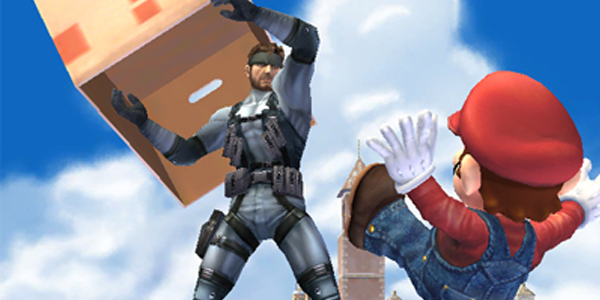
As said in the intro, Nintendo is a very Japan-centric company and that means embracing their native culture and philosophies. No one is asking them to abandon it, but it is obvious by President Satoru Iwata's own words, that they misread the global gaming market and, thus misjudged where they stood. As mentioned in the previous page about regionality, the company would do well to give their regional HQ around the globe more autonomy in directing any of their development teams and partners to produce content for their respective markets. That's not to say that there should be games that don't translate well from one country or continent to another, but rather working hand in hand to get more content into the hands of consumers who want them. This also means broadening the scope of the kinds of IPs Nintendo produces. Mario, Zelda, Metroid, et. al are wonderful games and franchises, but Nintendo hasn't had a widely selling new IP since the GameCube era. In other words, Nintendo needs to take risks with going outside their risk averse genre stable. In fact, Nintendo has many IPs they have not put into development since the days of the NES. Ice Climbers could be turned into a mature survival game, for instance. Or they could simply fully fund an indie developer and make their mature 2D 8-bit game into a graphical marvel showing how Nintendo is hanging tough with their competition. While it's not too late for the Wii U to have a resurgence, let's now look at things going into the next next-generation cycle. One of the first things Nintendo is going to have to do is properly launch their next console.

3. Talking with Developers Early And Listening To Their Input

One of the first things Nintendo should have done was include third-party developers into the console's build process. As a gaming company, Nintendo builds consoles to what they believe their own games will require. Not too much into the realistic FPS genre, their games often have a daydream, cartoony quality to them. Because of the 'failure' of the GameCube, Nintendo has not had any experience in developing sophisticated, HD graphics such as those found in games like Halo 4 or Ryse: Son of Rome. The Wii U is a powerful machine, but lags a bit behind the next-generation competition. This could have been avoided by working with the top game developers such as Criterion, Ubisoft Montreal, Rocksteady Games and others. This is another cog in the wheel of game collaboration that Nintendo did not foresee. However, their competition did. In any business, watch your competition and do it 10 times better. What Nintendo's first-party games didn't create graphically, their third-party partners' games could. Bayonetta 2 and Monolith Software's X are great examples of what third-parties can do with Nintendo hardware. They just have to be more open in the future of what developers want. Cost effectiveness and mass marketability can co-exist with cutting edge graphics and gameplay.

2. Abandon Hindering Philosophies

This is something that's been a recurring theme throughout this article thus far. Part and parcel of what Nintendo is as a whole is a company that is proud of their Japanese heritage. But part of being a global corporation is having a global vision and plan. No longer can Nintendo think in terms of only Japanese wants and needs. They must embrace all the different tastes, viewpoints and attitudes of each territory and region they are headquartered. This also brings us to the graphics vs. gameplay debate. Many hardcore Nintendo fans will tell you that gameplay is more important than HD graphics, but as we've seen time and time again, the two can go together like peanut butter and jelly... as long as they're in capable hands. Grand Theft Auto V and some of the third-party games coming out for the Wii U should be sufficient evidence of this.

1. Heavy Hitters At Launch

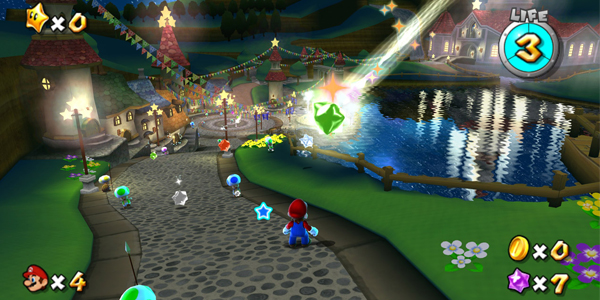
Nintendo knows how to launch a console, I'll give them that. And while I enjoy my Wii U, I wish I could have had Super Mario 3D World at launch alongside Sonic: Lost Worlds and Pikmin 3. To get the system rolling out of the gate faster than they did, they need a steady rollout of their franchises, as well as third-party games both at launch and in the months to follow. Preferably at least two titles per month. One could be a physical retail title and the other is a smaller eShop title. This cannot be understated in the slightest. Nintendo has, arguably, the best game designers in the industry and it behoves them to have those system sellers ready for the masses right after launch. Gamers hate a drought where there are no game releases for months. This is also one of the things that has been a detriment to the Wii U . For their next console launch, they can't do this again. With their heavy hitters and third party offerings there on day one and in the short two-three months afterwards, they will undoubtedly sell out and create demand. And there you have it! These are what I feel Nintendo can do to win back gamers in both the current generation and the next console cycle a few years from now. Was there anything I missed? Did I get something wrong? Sound off in the comments below!

In this post: 
Nintendo
 
Posted On: 
Contributor
Contributor

Shawn “Loc Da’Borg” Jackson is a native of Mississippi, born in Vicksburg and raised in Philadelphia in Neshoba County. At the age of 15 he was diagnosed with Tourette Syndrome and, later into his early 20s, he became Profoundly Deaf. Writing has been one of the main staples of his life and he has dedicated a good portion of it to educate, entertain and enthrall with the written word.