Rise Of The Tomb Raider - 10 Things It Can Finally Get Right

Will Crystal Dynamics finally give players tombs worth raiding?

2013€™s Tomb Raider was an excellent way to reboot a franchise, wasn€™t it? Completely revamping a game series that was on its way out both creatively and critically, Crystal Dynamics managed to pull out all the stops to create an experience that re-introduced the world of Lara Croft to a more mature, contemporary audience. Well, it almost pulled out all the stops. Because when it comes down to it, no matter how good the previous game was, upcoming sequel Rise of the Tomb Raider has plenty of things that it finally needs to get right if it wants to outshine its predecessor as take its place as a superior successor. Unfortunately, the franchise has always had an cursed history with making really great quasi-reboots that are followed up by familiar and uninspired sequels that don't dare fix or improve anything that was lacking in the previous game. And Crystal Dynamics' reboot, whilst still an amazing title, had a few significant problems that were kindly overlooked because of how fresh and exciting the prospect of a modern and innovative Tomb Raider was at the time. But without the same surprise and novelty factor as that 2013 game, the upcoming Xbox One exclusive needs to finally fix these history-repeating, series-long problems if it wants to prove itself as a confident and consistent franchise.


10. Having Collectibles Worth Discovering

One of the most enjoyable parts of the recent Tomb Raider was actually being able to uncover loot that was genuinely interesting. Being more than just random treasures, more or less everything you discovered in the 2013 reboot added to the world you were stuck in, and often times these small collectibles gave vital pieces of context to many of the different characters and places found in the title. However, when it came down to it, there was still too much time wasted looking for items that provided absolutely no significance to the story whatsoever. For instance, realising that raiding the game's optional tombs would provide nothing other than a few extra parts to upgrade your weapons with was a real bummer. These challenging side-quests should have provided a more substantial reward if the developers wanted to entice players to spend their time completing them. Going into the sequel, what players want to see more of are the collectables that actually mean a damn. Don€™t make people play through a puzzle room to open a giant solid gold treasure chest, only to have them discover it only holds measly weapon parts that could have been found literally anywhere else in the game.

9. Actual Weapon Variety

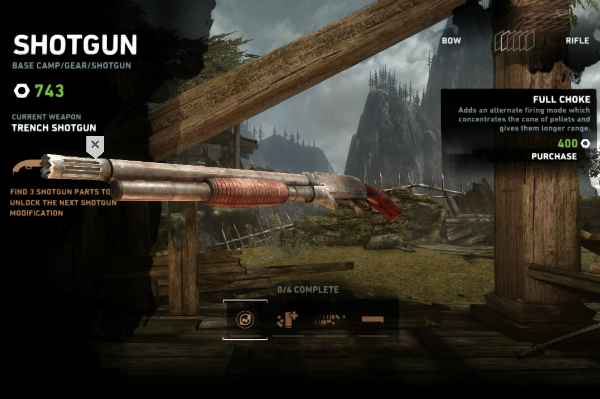
Look, shooting an AK or an M9 pistol is as regular as eating or breathing when it comes to playing video games, so it was a huge breath of fresh air when 2013€™s Tomb Raider introduced retro, archaic machine guns and shotguns into its eclectic arsenal. The decision to only allow Lara old and out of date weaponry felt entirely at home with the narrative context of the game and provided for some incredibly enjoyable discoveries while traversing the game€™s map looking for upgrades and accessories for these outmoded guns. But, for as fun as these retro weapons were, ostensibly they were still the same guns players have been shooting since they first picked up a video game. With the sequel, the developers need to expand on this distinctive approach to weapons even further, not only giving player access to different looking firearms but creating an arsenal that's entirely unique if they want to keep the gameplay fresh and interesting.

8. Better Boss Battles

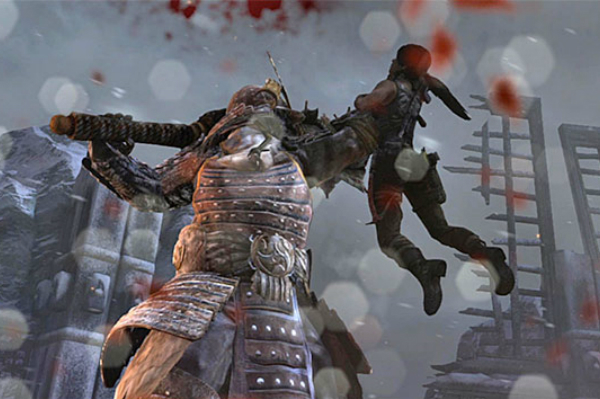
It takes a very special kind of game to get boss fights right, and at this point, many titles just opt to leave them out completely rather than attempt to tackle an aspect of gameplay that's proven so difficult to innovate around. But Tomb Raider has always been a series that boasted memorable boss battles €“ even if they were never that fun to actually play. Never lacking in great character designs and superbly memorable villains, the franchise is absolutely ripe for interesting and challenging boss battles €“ yet no game has quite ever delivered a showdown worthy of its antagonists. By far the most lacking and uninspired part of the 2013 title, the upcoming sequel really has to step up to the plate or just get rid of boss fights altogether, because the series€™ current regurgitation of bland and repetitive bouts just isn't cutting it anymore.

7. Character Motivations That Correspond With Gameplay
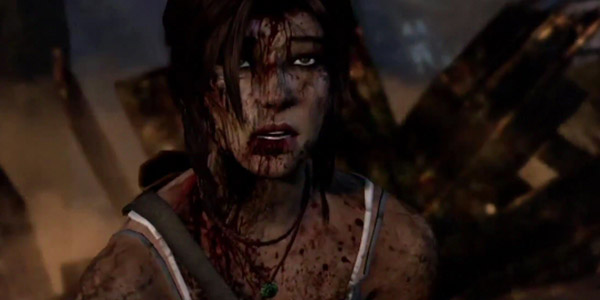
Though the shooting mechanics of the previous game were absolutely spot-on for the most part, the fact that over the course of the title Lara became such a relentless killing machine so quickly never quite meshed thematically with the narrative the game was trying to tell. In fact, when Lara kills her first human it€™s a monumental moment and one of the emotional highlights of the entire experience €“ but it's immediately made redundant as she goes on to slaughter tens of men without remorse in the very next scene. This transition from vulnerable victim to ruthless savage isn€™t a bad story arc in itself, but the game never really fully committed to exploring this angle of Lara's character, and the dissonance between narrative and mechanics never quite made for a satisfying overall experience. If Rise of the Tomb Raider wants to deliver the most complete game yet, then the perfect marriage of gameplay and story is essential in delivering the ultimate Lara Croft tale.

6. Less Clichéd Supporting Characters
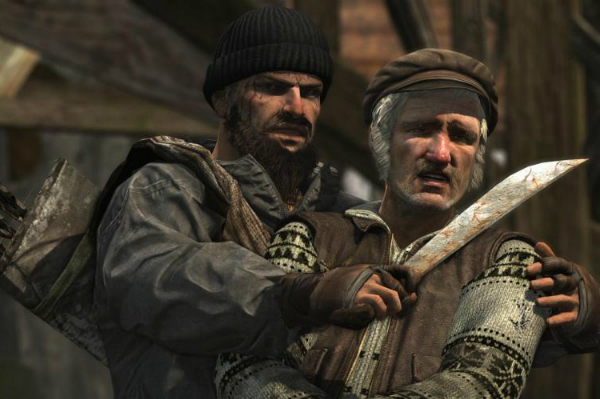
While supporting characters have never been the series€™ strength, the 2013 game came the closest yet to creating a fully realised supporting cast who were integral to Lara€™s journey through the title. Unfortunately though, a lot of these characters still ended up being nothing more than stereotypical one-dimensional caricatures. Going forward, the sequel needs to build upon on the memorable characters it set up in the current game (stereotypical or not, Grim was a damn fun companion to spend time with), and expand on what it did right to introduce more interesting and less clichéd allies. Hopefully, Rise of the Tomb Raider will be able to shake off the lazy writing habits that have burdened the series until now to create a memorable supporting cast that€™ll aid Lara through whatever nightmares she€™ll be facing next. And speaking of writing better characters...

5. Make Lara A Deeper Character

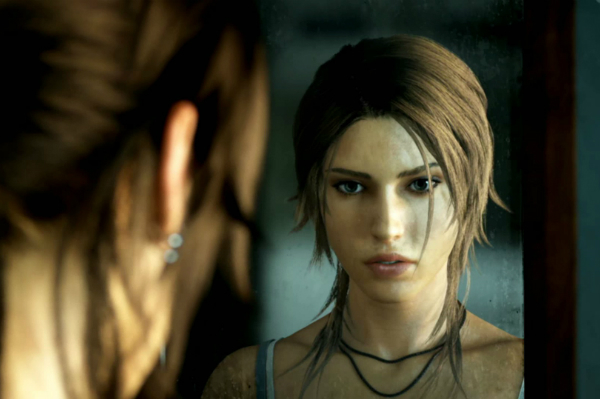
Although the reboot did a great job of giving us a Lara Croft who was both vulnerable and relatable for once, it didn€™t do much to establish the character's motivations or personality outside of being someone who's just trying her best to not get killed every five minutes. A major reason players didn't really get a chance to understand Lara as a character in the previous game had much to do with the fact that for most of that title the character was always on the back-foot. Only ever being allowed to react to events that were happening around her, and rarely ever having reasons for what she was doing bigger than the will to just survive. Which wasn€™t a bad decision for that game, as it was entirely in-line with the story the title wanted to tell. However moving into the second instalment, Crystal Dynamics needs to delve into who Lara Croft really is and give players a nuanced and interesting heroine who€™s more than just a rich cardboard cut-out with family issues.

4. Spontaneous Environmental Interaction
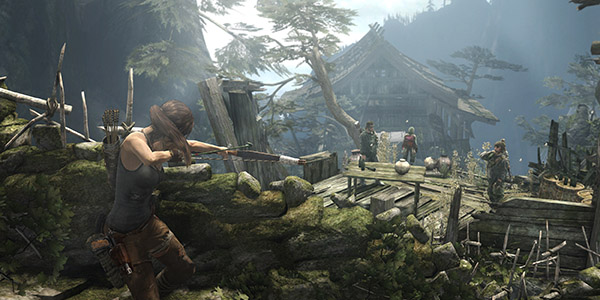
One of the best parts of the Tomb Raider reboot came from the few neat gameplay twists that made it seem like Lara was always thinking on her feet, resorting to environmental tactics such as throwing dirt to blind unsuspecting bandits to gain the upper hand against overpowering enemies. This sense of elemental awareness is something that should be developed extensively going into the next game, as it€™s essential that Lara uses more than simply brute force to gun her way through enemies. Allowing more interaction with the level itself during combat would do a great deal to cement the idea that Lara can outwit her opponents, and is willing to devise intelligent and unexpected tactics in order to come out on top in combat. Rise of the Tomb Raider needs to integrate this spontaneous style of action even more with the level design to show that Lara is using her awareness of the situation to get the better of more technically advanced enemies, rather than just relying on stealing their guns or crafting a rocket launcher from a campfire.

3. Balancing Puzzles With Shooting

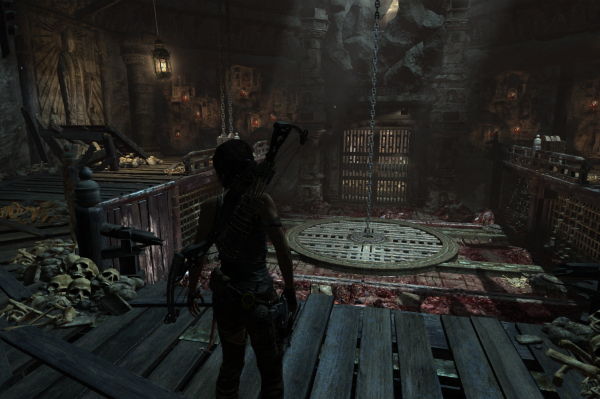
While the 2013 reboot featured puzzles that were implemented within the main bulk of the gameplay, it€™s fair to say that these small sections rarely ever reached the complex, interesting and challenging heights of previous games. And sadly, when the title did allow you to stop shooting people for a moment and tackle an environmental challenge all on its own, it was often entirely separate from the main game itself, giving you no real incentive to seek out and complete it. Which was a shame, because the few crypts you could explore provided some of the most interesting set-pieces of the entire title when it came to both a visual and mechanical perspective. The reboot managed to absolutely nail the core shooting mechanics and the actual act of exploring, but sadly didn€™t give the same care and attention to the aspect of the game that made the series great in the first place. Going forward there needs to be a more seamless integration between shooting, exploration and puzzles €“ and the act of raiding tombs cannot be reduced to only a glorified cameo again. It€™s not like that€™s the title of the game or anything.

2. A Seamless Integration Of Fantasy Elements
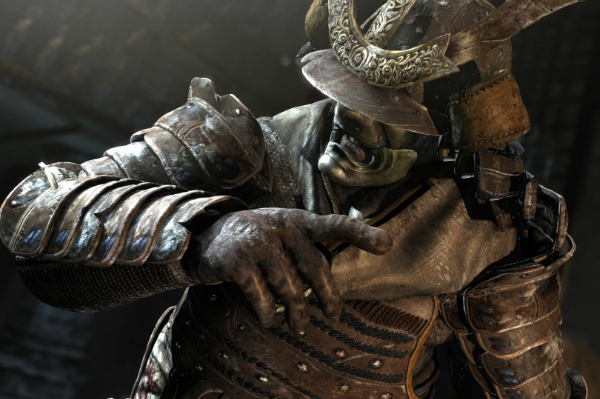
For a time, it looked like the 2013 Tom Raider wasn€™t going to feature any kind of fantastical or mystical elements at all. In fact, going into the game many assumed the title would be a straight up tale of survival against purely human enemies. But then around mid-way through, the survival horror aspect that was promoted so much during the hype leading up to the game gave way to a more classical Lara Croft story of mystical artefacts and otherworldly ancient tribes. Unfortunately though, the game couldn€™t quite strike a balance between those two conflicting tones and as a result the entire adventure felt like it was having a bit of an identity crisis between whether it wanted to be a gritty reboot or a regular fantasy game. It€™s absolutely imperative going into the sequel that the developers at Crystal Dynamics choose a tone and stick with it instead of having two half-baked and warring ideas, which ultimately does nothing other than ruin the chance of the game having a cohesive and complete vision.

1. Tombs That Feel Lived In

An aspect that the last Tomb Raider game absolutely nailed was its sense of world-building. In its efforts to create a dangerous place for Lara to battle against, the exotic Island the developers crafted for the previous title felt like a place that was lived in, and a place with a rich amount of detailed history and context. Going into the sequel Crystal Dynamics needs to expand this sense of world building to whatever location they decide to set Rise of the Tomb Raider in. While the original island itself felt real, its entire history more or less boiled down to a run of the mill, clichéd history of terrible people doing terrible things to each other. With the next game the developers need to create an environment that feels as if it€™s changed over the years, with a history a little more interesting and original than that found in the 2013 title. The knack and skill for immersive environmental storytelling is already there, so for Rise of the Tomb Raider all Crystal Dynamics needs to do is use those tools to give players an rich history that's worth discovering.

Contributor

Josh has over 11 years of experience as a published writer, having worked nine of those years as a full-time content producer at WhatCulture. In that period he has created hundreds of articles, videos and podcast episodes for multiple WhatCulture channels, specialising in gaming, horror and film & TV. He now primarily works as a senior content producer and presenter on WhatCulture Gaming where he co-hosts the WhatCulture Gaming Podcast, a top 3 UK most listened to gaming podcast that he co-created in 2018. Over the years he has reviewed several high-profile gaming releases, covered industry events with on-site reporting, opined on breaking news, and even kicked off his interviewing career by chatting to childhood hero, Tommy Wiseau.