10 Phenomenal Bands Derailed By Runaway Egos

The heartbreakers who broke each other's hearts...and lineups.
Egos can be a tough thing to work around. Particularly in a band setting, when a person's hard, creative work is constantly being evaluated by peers, the presence of an inflated ego can be highly combustible. Lots of bands have fallen victim to one or more members' runaway egos. Often, there are arguments over whose ideas are best, and some members may be pushed into a corner while a more charismatic figure takes center stage. When ego finally arrests any potential for group collaboration, we fans are often forced to endure tepid solo careers and extensive media hoopla. And unfortunately, egos tend to run hottest when things are going well: a huge album, a growing fanbase, and a cult of personality swell up and get into a musician's head. This is a list of ten bands with members who just couldn€™t work within the constraints of democratic collaboration. They bickered in the press, shot down other members€™ ideas, hogged all the glory for themselves or even developed messiah complexes. Whatever the extent of their ego, these bands just can't play nice anymore.

10. The Police

When you€™re as good as The Police, it€™s hard not to develop an ego. For years, they were the greatest band in the world, selling out arenas and releasing platinum albums like nobody€™s business. By the time of their 1983 landmark, Synchronicity, though, Sting felt he had outgrown the band and decided to go solo. According to drummer Stewart Copeland, the straw that broke the Police's back came during an argument he had with Sting over what drum machine to use. Not allowing band members to play their own instruments in the way they want to is a sure sign of an ego running rampant. Sting€™s ego is further apparent in the title of a later-released compilation, The Best of Sting & The Police, featuring songs both from Sting€™s tenure with the band and as a solo artist, essentially treating Copeland and guitarist Andy Summers as backup musicians. Since the group€™s 1986 breakup there have been several collaborations and reunions, including at Sting€™s wedding, but it€™s clear that Copeland, Sting and Summers will never fully move on: in 2008, Sting said, €œThere will be no new album, no big new tour; once we€™re done with our reunion tour, that€™s it for the Police.€

9. Ween

After a lifetime of recording music together, Gene Ween unceremoniously dissolved he and musical brother Dean's band Ween in a 2012 Rolling Stone interview, leaving Dean to hear about his own band's demise in the media. Not content to leave his solo pursuits on the sideline, Gene announced he was striking out on his own. The split initially caused a fair amount of drama. Dean reacted to Gene€™s public split with, €œIt€™s news to me,€ causing a swirl of rumors and speculation: is Gene back on drugs? Did the two of them have a falling-out? Is it even real? (Who can tell with Ween?) Fans and friends of the band alike were confused for several days about what was actually going on, but it looked like Gene's ambitions had swelled above the unique mix of chameleonic pranksterism and catchy songwriting of the band he formed in high school. For Gene, leaving Ween was like finally quitting a job he€™d felt restless in for years. He now records under his real name, Aaron Freeman, while Deaner stays busy with his family life and other projects. It€™ll be interesting to see what the two of them do without one another, but hopefully they€™re pulled together again someday by the forces of nostalgia, friendship, fan demand and brotherly love.

8. Black Sabbath

Black Sabbath€™s most famous split was with founding member Ozzy Osbourne, but that had more to do with Osbourne's drug problem than runaway egos. It was when Ronnie James Dio came on board to replace Ozzy that egos flared up. The new lineup€™s first release, Heaven and Hell, was critically praised and continues to be heralded as the band€™s best post-Ozzy album. Dio had established himself as a metal singer, and one of the genre€™s best, with his tenure in Rainbow, so he seemed a logical replacement for Osbourne. Tony Iommi, meanwhile, had been the band's rock from the very beginning, and wouldn't be shown up or overshadowed by any newcomer. By the time of the band€™s second studio release, The Mob Rules, egos began running out of control. Dio butted heads with Iommi and Geezer Butler over mixing on the album, and rumors circulated that Iommi and Dio were each sneaking into the studio late at night to turn up their respective parts. On the album€™s sleeve, Iommi and Butler captured nearly all the attention, with Dio and new drummer Vinny Appice being largely ignored. Dio left the band shortly thereafter and took Appice with him. The group buried the hatchet and eventually reformed twice, but by the time of their second reunion Dio was sadly already well on his way to succumbing to stomach cancer.

7. Oasis

€œWith some sadness and great relief€ I quit Oasis tonight. People will write and say what they like, but I simply could not go on working with Liam a day longer.€ That very candid admission from Noel Gallagher says it all about the brotherly angst driving Oasis. The tumultuous relationship of the Gallagher brothers has been a popular tabloid subject, with the two of them disparaging former members, one another and even contemporary musicians amid changing lineups and sensational sales. Of Liam, Noel said, €œHe€™s rude, arrogant, intimidating and lazy. He€™s the angriest man you€™ll ever meet. He€™s like a man with a fork in a world of soup.€ Of Noel, Liam said, €œHe€™s one of the biggest cocks in the universe.€ On Radiohead and Coldplay, Liam said, €œI think their fans are boring and ugly and don't look like they're having a good time.€ Noel even once described standing on the moon, if he ever got the chance to, as an underwhelming experience. Clearly, this is a band with an out-of-control ego. Some of it may be a put-on, but they€™re so consistently brash and egotistical it€™s a wonder Oasis survived for as long as it did. Nonetheless, they€™re a good case in point: volatile relationships can often be the most creatively rewarding.

6. Pantera

Ask yourself this: could you work with Phil Anselmo? The explosive Pantera frontman had been in a war of words with his former bandmates Vinnie Paul and Dimebag Darrell since before their breakup in 2003; following the murder of Dimebag in 2004, the war escalated, with vicious verbal barbs and near-threats being traded back and forth throughout the heavy metal press. The tension began rising within Pantera when Anselmo began acting moody and retreating into privacy during a tour; the band took offense to this, but Anselmo claims he was in excruciating back pain the whole time that consumed his mood and drove him to do everything necessary to relieve it, including excessive drinking (ask your doctor before treating back pain with Crown Royal). Who€™s to say whose ego really ran wild in Pantera? For all the supposed difficulty in getting along with the man, Anselmo€™s gone on to front other big-selling metal acts, including Down and Superjoint Ritual. The fact remains that Anselmo and Vinnie Paul still don€™t have too many good things to say about one another €“ Anselmo was forbidden from attending the funeral of Dimebag Darrell, and in 2006 Vinnie Paul said of the possibility of a reconciliation and reunion, €œAbsolutely not. That's it.€

5. The Runaways

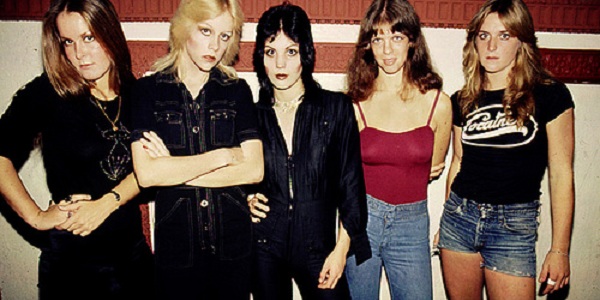
There aren€™t very many all-girl bands that achieve the kind of success The Runaways did in the late-70s. Unfortunately, fame and stardom lead to egos, and the girls parted ways just two years after releasing their first album. Their story was so unique it was made into the 2010 film that shared the band's name. The girls partied hard and argued even harder, over everything from musical direction to finances. Their breakup started with the departure of Kim Fowley, who the band accused of verbal abuse and being a control freak. The dissolution continued, with key members falling away one-by-one. Finally, Joan Jett left over musical disagreements with Lita Ford and Sandy West, permanently ending one of the boldest all-girl bands in rock history. If many of the names sound familiar, it€™s because they are €“ like The Yardbirds, The Runaways proved to be a breeding ground for future rock and roll megastars. All former members remained active, joining up with bands like The Bangles. Lita Ford became a popular heavy metal performer, and among her career highlights are a duet with Ozzy Osbourne. Joan Jett, meanwhile, formed The Blackhearts and dominated much of the early 80s. Knowing how big these names became after The Runaways broke up, it€™s not hard to imagine one single band being unable to contain them for long.

4. The Beatles

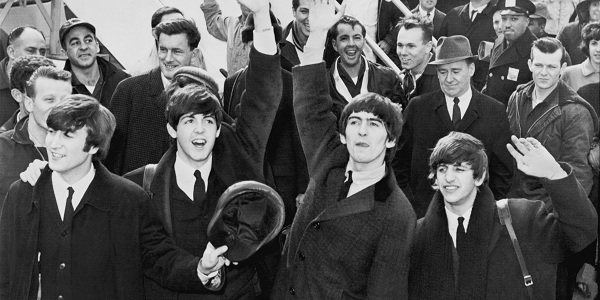
Books have been written about the breakup of the Beatles €“ it only makes sense that the most famous band to have ever existed would also enjoy the most publicized ending. One common complaint is that the interference of Yoko Ono pushed John Lennon to feel unsatisfied as a Beatle, but the most direct explanation is that everyone was brimming with his own ideas and wanted to pursue his own direction. Despite all the hoopla over their breakup, members€™ relationships were not nearly as acrimonious as some may have imagined. It€™s true that some bitterness existed €“ John Lennon wrote the vicious €œHow Do You Sleep?€ to Paul McCartney following the breakup, and George Harrison had long felt pushed to the side by Lennon and McCartney vetoing his songs. When manager Brian Epstein died in 1967, the band lost an invaluable impartial arbiter, allowing egomania to run rampant. Really, though, it was inevitable. As early as 1966€™s Revolver, the completely unique identities of each of the four were becoming obvious €“ they were writing their songs alone rather than in collaboration. With the fierce artistic visions and personal philosophies of Lennon and Harrison and the raw musical talent of McCartney, it€™s really a wonder the Beatles stayed together even as long as they did.

3. Cream

Try getting the best guitarist, best bassist, and best drummer in the London music scene to work well together €“ it isn€™t likely to happen for long. Supergroups are, by their very nature, extremely ego-driven outfits. The first major supergroup in rock, Cream is no exception. Although they managed to create big waves in pop music, they didn€™t keep it together very long. Fresh Cream, the band€™s debut, dropped in 1966, and by 1968 they were releasing their final album, Goodbye. All along, though, the troubles were obvious €“ the band€™s intense, lengthy jams could often be dazzling spectacles of musical virtuosity, but many of them sound like giant pissing contests as each member struggles for space with each of the others. The problems were especially apparent with Ginger Baker and Jack Bruce. Bruce€™s bass was often so loud and overdriven that Baker had to pummel his kit just to be heard. Eric Clapton allegedly stopped playing during one concert, and neither Bruce nor Baker noticed. Discontented with the showiness and pomposity, Clapton left the band for milder collaborations and a solo career in which he refashioned himself from a guitar hero to a singer-songwriter. The group has reunited for a few shows since their breakup, but Baker and Bruce€™s feud kept flaring up; all three members have flatly said €œNo€ to the possibility of a prolonged reformation.

2. Van Halen

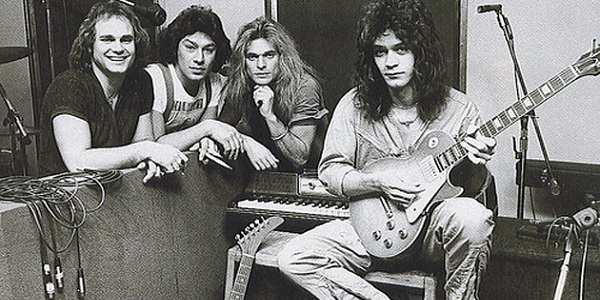
Few bands have more highly publicized internal strife than party metal pioneers Van Halen. The pairing of Eddie Van Halen, a relatively shy musician€™s musician, with David Lee Roth, a spotlight-obsessed vaudevillian showman, proved an artistically fruitful but nonetheless tumultuous arrangement. The group first split with Roth after the extraordinarily successful album 1984, replacing him with Sammy Hagar and giving birth to the much-less-memorable Van Hagar configuration. Fans clamored for a reunion, and they got their first teaser in 1996 at the VMAs when the Van Halen brothers and Diamond Dave appeared on stage together. The awkwardness was obvious, however, and shortly after that bizarre appearance, Eddie said of a possible reunion, €œIf we started in Toledo, Ohio, we'd never make it to Cleveland.€ Verbal barbs were traded back and forth while both Hagar and Roth rejoined and re-vacated the lineup. In 2012, the band managed to release an all-new album with Roth on vocals, producing the single Tattoo which €“ amazingly €“ recaptured much of the melody and energy of classic Van Halen, albeit with some concessions to middle age. Unlike other bands on this list, the last reunion was more or less a success, a tale of friendship eventually overcoming ego and angst €“ but boy, what a hell of a long time it took.

1. Pink Floyd

Roger Waters vs. David Gilmour is one of music€™s legendary battles, like the Hulk vs. Thor. Long before the breakup, the band argued extensively; stories exist of the two needing third parties to prevent their arguing and serve as impartial judges as early as Dark Side of the Moon. The fruits of their severe differences in opinion are obvious enough; while Waters provided the band its soul and essence, Gilmour provided much of the musical muscle. After The Wall, things started looking really bad €“ the follow-up, The Final Cut, is a completely Waters affair; not only does no one else get writing credit, cofounder and keyboard player Rick Wright doesn€™t appear on the album at all (and only appeared on The Wall as a session musician). Waters left the band shortly after, and a lengthy legal battle ensued over use of the Pink Floyd name. The funny thing about Pink Floyd€™s breakup is that the members left such clear evidence of what each of them contributed to the band€™s sound. Without Gilmour, Waters productions are often dreary and difficult listening. Without Waters, Gilmour sounds like an overblown Pink Floyd tribute band. Twenty years after the breakup, the band memorably reunited for Live 8, and although the surviving members are apparently friendly now, a serious reunion is out of the question.

In this post: 
The Beatles
 
First Posted On: 
Contributor
Contributor

Kyle Schmidlin is a writer and musician living in Austin, TX. He manages the news blog at thirdrailnews.wordpress.com. Follow him at facebook.com/kyleschmidlin or twitter.com/kyleschmidlin1.