10 Surprising Instrumental Tracks You NEED To Hear
Let the music do the talking.
There have been countless thought-provoking lyrics written throughout music history. An obvious staple of the medium, many are pulled in by a catchy tune, but stay to listen to a lyricist's perspective on whatever subject they're choosing to tackle.
So, what happens when the music doesn't have anything to say - at least through words?
Over the years, many fantastic artists have put their lyrical prowess on pause and released instrumental tracks that stand on their own. Most of the time these songs are not about telling a story or sending a message, but creating a mood or painting a sonic picture in the listener's mind.
Instrumentals also offer opportunities for musicians to stretch out beyond their typical band member roles. Rather than having a singer guiding the listener through the song, these tracks must rely on melody alone in order to capture an audience.
These are a few shining examples of engaging instrumentals that are more than just "that song with no words." Sure they don't have words, but they also don't need them.
10. Last Ride In - Green Day
After coming off the unbridled anger of 1995's Insomniac, Green Day used their next record, Nimrod, as an opportunity to pull from new musical influences. It was certainly still pop punk, but other styles like folk, balladry, and even circus-themed tracks made the track listing.
The most eccentric of these new directions was "Last Ride In," Green Day's first instrumental track. The song has a great laid back demeanor with a relaxed drum beat and rich surf-guitar fills from Billie Joe Armstrong. These elements leave space for bassist Mike Dirnt to showcase his deep bass groove.
What puts the song over the top is the brilliant horn arrangements courtesy of David Campbell. Without the horns, the track could have easily come off as brooding and meandering. When added, the horns turn this song into an upbeat preppy number that never loses its mellow foundation.
The song perfectly encapsulates the feeling of living in California and walking down the boardwalk every day. You can practically feel the sand at your feet whenever this track comes on.
A definite departure for Green Day but one that showed that there was more to this band than just bratty humor.
9. Whale & Wasp - Alice In Chains
Alice in Chains' Jar of Flies EP was a much different beast than their previous record Dirt. Rather than the doom-and-gloom riffs and diatribes about drug addiction, this was an acoustic look into an addict's dark psyche.
Many of the songs on here deal with Layne Staley's demons, but none of them come close to capturing the feeling of addiction as well as "Whale and Wasp." The main riff from Jerry Cantrell already hints at something wrong with its off-kilter picking. Then the double tracked guitars fade in with a sound that evokes an agonized cry.
Each bend is heart-breakingly sad, and given the EP's tone, the initial riff seems to symbolize the recreational use of drugs, while the guitar evokes the internal sadness the addict feels towards themselves and those around them. And rather than letting the listener off the hook, the track quickly comes to a pointed end, with no resolution from the musical turmoil.
Alice in Chains always had an element of darkness in their sound, but "Whale and Wasp" is an example of what the band's melancholic soul really sounds like.
8. Moby Dick - Led Zeppelin
Led Zeppelin had always been a band of outstanding musicians with a penchant for writing massive riffs. At the tail end of their phenomenal second outing, the band uses the song "Moby Dick" as an opportunity to showcase some outright heaviness.
The detuned sound of the guitar along with the impressive bottom end of the tune foreshadowed the rise of heavy metal, while still staying rooted in Zeppelin's bluesy foundation.
After a few minutes of chugging away, the band stops... and the real magic begins.
The focus then shifts to the drums, where John Bonham lays down some of the most powerful drum fills ever committed to tape. Bonham is playing like a feral animal as he pummels his kit with extreme precision, and eventually resorts to using his hands rather than sticks to achieve this manic array of percussion.
After all the drumming mayhem, the song gives way to a crushing riff as the song closes out.
Moby Dick would later become Bonham's showcase during Zeppelin's live shows, as he would continue to add subtle nuances to make the solo even more chaotic.
In a single track, Led Zeppelin were able to take one riff and turn it into an extraordinary feat of genius.
7. Double Bass - Gorillaz
When Damon Albarn started the Gorillaz project in the late 90's, many people didn't really know what to make of it. The idea of a virtual band had never really been tackled in this way before, and all across the band's debut, you can hear Albarn pulling from different electronic and rock influences to meld together what Gorillaz's zany sound would become.
The debut has an atmosphere that sounds like a lo-fi trip through a grainy desert. In fact, one of the most shocking aspects of the debut is this borderline-interlude track "Double Bass".
The track's bass riff has a certain weight to fill out the bottom end, and with that sonic foundation, Albarn adds an off-the-wall organ that is reminiscent of movie serials, while a noisy synth adds a darkness to the fun-filled ride.
It's as if you've been transported into a secret lab from an 8-bit video game.
Coming as it does in the middle of the record, "Double Bass" is one of the album's most experimental tracks and serves as a great palette-cleanser before launching the listener into other Gorillaz classics like "Rock the House" and "19-2000."
6. Life In Technicolor - Coldplay
Coldplay's approach to 2008's Viva La Vida was much different than their previous efforts. Instead of the serene alternative rock ballads of their earlier work, the band pulled out all the stops and decided to deliver a truly epic collection of songs that contained elements of genres as diverse as Afrobeat and classical music. "Life In Technicolor" serves as the perfect way to introduce the listener to these new changes.
While it is unusual for a band to start off an album with an instrumental, this track is a slowburner that helps build the album's momentum right out of the gate. The effects-laden guitar begins ever so subtly before going into a bouncy riff.
As the track builds, the band continues to add on more and more layers like glistening pianos and even a choir to help create more sonic tension.
The gradual crescendo helps give the album a certain gravitas along with giving the fans a hint at more epic things to come. It's like seeing a single frame of a painting and then peeling back further to see the true work of art in front of you. The perfect welcome mat for Coldplay's most ambitious record.
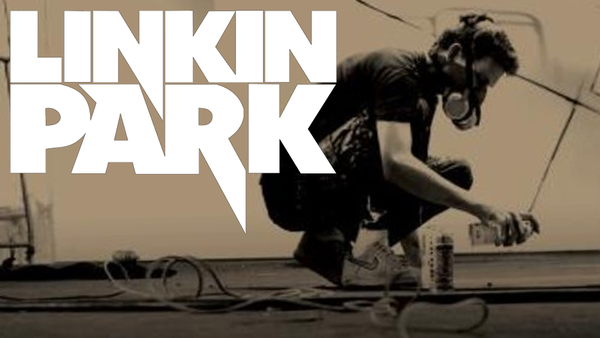
5. Session - Linkin Park
There is a lot of hate thrown at nu-metal bands because of the unnecessary clashes of electronic music and rock. However, I don't think it is warranted to solely blame the DJs of these bands for a song's shoddy quality. In the case of "Session," Linkin Park's Joe Hahn teaches a masterclass for fellow DJs on how to turn the turntable into a real instrument.
The track starts with a chilling ambience before transitioning with an aggressive 808 drumbeat. Amidst all the electronic noise, the listener can also find a minor-key piano melody, a few guitar flourishes and even a string section helping to create a vast sonic landscape.
The star of the show is truly Hahn though, who uses these sounds to make various scratching effects that turn the track's tone on its head. What once sounded like a ballad-like backing track has been turned into a glitchy nightmare-zone.
With its parent album Meteora being centered around isolation and depression, this song serves as the perfect counterbalance to the typical Linkin Park ragers.
4. Eruption - Van Halen
This song truly needs no introduction. Van Halen were relative unknowns on the hard rock scene before their earth-shaking debut, but this single track gave the rock world their next guitar hero.
Eddie Van Halen spends this track's 1:42 unleashing his fretboard acrobatics with lightning speed. While shredding solos had been around for years prior to Van Halen, Eddie blew away the competition by being one of the few guitarists to implement tapping into his playing.
EVH was so secretive about this new trick that he often played his leads with his back to the audience, so other guitarists couldn't see how he was hitting every note so quickly. Just before the 1:00 mark, Eddie begins to use this tapping technique to euphoric effect, incorporating many different melodic themes into his solo, but never letting it devolve into mindless shred pyrotechnics.
The song is a monumental feat of musicianship, but that wasn't the plan. At first, Eruption wasn't going to be on the record, with Van Halen thinking that he made too many mistakes on the final version.
Regardless, the song is a true masterpiece for hard rock fans and an inspirational moment for anyone thinking about picking up the guitar.
3. Miasma - Ghost
Ghost is one of the greatest metal bands to come out in the past 20 years, and their latest album Prequelle is a notable masterpiece of the 2010s. The band have always been known for spooky hard rock that had elements of chamber music and early metal influences, but this record's had a more mainstream appeal which was wildly exciting.
When you arrive at the middle of the record, "Miasma" comes on with a subdued opening before pumping out a fantastic mid-tempo riff. From there, the guitarists get to flex their muscles with finger-bleeding solo work. The keyboards respond in kind by creating a virtual tornado of sound that makes you feel like you're flying through the air.
The pièce de résistance of the track comes toward the end where the track builds to a freakin' SAXOPHONE SOLO, with a playful tone and blaring high notes.
While Miasma is great from the start, the sax brings the composition to a completely different level that no one had heard Ghost attempt beforehand.
2. Orion - Metallica
Throughout Metallica's run, many fans got used to hearing at least one badass instrumental track to jam out to on every record. Out of all Metallica's instrumentals, "Orion" stands as their most ambitious example of wordless scene-building. The song starts with low bass and organ swells before the initial riff strikes.
Then the first solo begins with the Cliff Burton annihilating his bass with machine-gun-like precision. As we work our way through solos from James Hetfield and Kirk Hammett, the track comes to a halt before Burton uses his bass to introduce the next movement.
The song's tone then flips to a much mellower-sounding bridge with harmony guitars. The licks present in this section hint at a more classical inspiration before the energy is brought back up for the tune's final charge.
The ending is a bass showcase for Burton, as he creates a mini-orchestra with his four-string by going through Mozart-like runs and approaching the bass almost as if it were a lead guitar.
This was unfortunately the last hurrah for Burton, as he died in a bus accident while on tour to support the album Master of Puppets.
As such, this song is a testament to what a profound talent Cliff really was.
1. YYZ - Rush
As Rush were getting together material for their album Moving Pictures, Geddy Lee and Neil Peart decided to have an impromptu jam session while guitarist Alex Lifeson was out of the studio. With the album's tone taking inspiration from the life of a traveler, the song's rhythm was taken from the Morse Code at one of Canada's airports.
Once Lee and Peart had laid down a rhythm track, they realized they might have another keeper for the album. This led to the song being tracked by the power trio with Lifeson contributing a Middle-Eastern-inspired lead guitar break to compliment the initial groove.
Midway through the song, the riffs shift into a rhythm extravaganza, with Lee laying down thick bass breaks and Peart pounding out hard-hitting drum fills.
Upon its release, "YYZ" was hailed as one of the greatest songs on the record and continued to have a prominent position in Rush's setlist throughout the rest of their career.
Rush had done tremendous instrumental feats before, but this song is the prime example of an instrumental where you can sing along with every melody without every needing to learn a word.