5 Biggest Musical Travesties

Whether these occurrences relish in falsity, absurdity or distortion, they must be addressed and made into an easy-to-read list format!
It€™s a truth universally acknowledged that critics find it far easier to write negatively than positively about the arts. Always primed to give pubescent, wide-eyed bands a good thrashing or waiting in the wings to finally take down a loathsome artist a peg or two with a damning review (evinced in the slew of derision heaped on Razorlight€™s final album) the critic thrives on the frightening power a small selection of words can have on the reader, and the futures of the musicians in question. They will insist that €˜Album X€™ is an abysmal effort and a musical travesty of the highest order. And as anyone can be a critic nowadays thanks to social media, the word travesty gets bandied about a little too often. My point is that genuine musical travesties often get lost in the shuffle. Sure, it€™s a little wrong that Miley Cyrus€™ Wrecking Ball made it to number one, but in a world where number one doesn€™t really mean anything to anyone (unlike it did in the €˜60s, €˜70s, €˜80s), people are wallowing in too much apathy to really care. Indeed, not all musical travesties will be as iconic or important as the 1913 debut of Igor Stravinsky€™s ballet, The Rite of Spring, whose chorographical content and avant-garde orchestration incited violent altercations between traditionalist and progressive viewers, but there really have been some giant instances of travesty in modern music. Whether these occurrences relish in falsity, absurdity or distortion (cheers, Oxford English Dictionary) they must be addressed and simply must be put into an easy-to-read list format! Read on to decide whether my own travestying of one of literature€™s most famous opening lines was really worth the effort...


5. Children In Need€™s 1997 Cover of Lou Reed€™s €˜Perfect Day€™

Firstly, I€™d like to make one thing clear, I€™m not out to crucify the cause of such charity fundraising events. I deeply respect the ethos and activism behind Children In Need but at the same time, if a travesty can be defined as distortion, this star-laden (David Bowie, Elton John, Brett Anderson) and not-so-star-laden (Bono) update of Lou Reed€™s 1972 original belied the melancholia and sinister nature of the ex-Velvet man's lyrics. Commonly interpreted as an ode to heroin, a reading that Reed never strenuously denied, its usage as the main theme for an effort that focused on the welfare, rehabilitation and safety of vulnerable and disillusioned children was a glaring oversight from the BBC. http://www.youtube.com/watch?v=15cfs8z9PFI Of course, I don€™t want to deny the opportunity for a different interpretation of the song. One which, in this case, would be an upbeat and optimistic appraisal of a €˜perfect day€™ where people look out for each other and all is right with the world. But, as I hard as I want to believe that, it€™s just plain silly. Stripping the song of its desperation, irony and ennui grossly devalues its poetic exploration of substance addiction and the fact that each artist was paid a small sum (£250) to feature on the single, severely undermines the integrity of the charity€™s objectives. A pompous, short-sighted re-working of a classic. Even if Lou was complicit with this, for shame!

4. The Pogues Are For Life, Not Just For Christmas
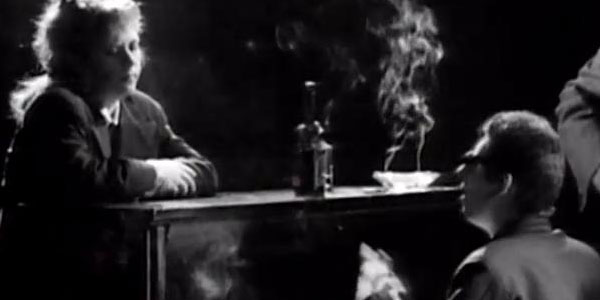
Apologies if any of my Twitter followers are reading. It€™s now become customary that when the festive season rolls around, I€™ll clip on my fluffiest white beard and get kitted out in my best red suit in an attempt to deliver them all with an important gift: the notion that The Pogues are for life, not just for Christmas! And now, I€™ve travelled further to spread this message. Yes, Fairytale of New York is the greatest Christmas song ever. No questions asked. It€™s wintry, evocative arrangement captures the essence of the season and its love-hate lyrical dynamic accurately depicts the passions that are so prevalent in the deepest of relationships. But, there€™s more to The Pogues than just one song. Take for example, their second album, Rum, Sodomy and Lash, whose perfect blend of traditional Irish folk music and raucous punk aesthetics still sounds as original today as it did in 1985. Head Pogue and lyric writer-in-chief, Shane McGowan, may be recognised by the wider listening public as being a reprobate and inebriate (because no successful creative person has EVER taken drugs) but his grasp of language is simply sumptuous. Learned, intelligent and versed in Irish folklore, the toothless one is unafraid of addressing the grittiest of subject matter, whether that be the plight of an immigrant rent boy on the Old Main Drag, the tortured psyches of the wrongly accused on Birmingham Six or the incurable PTSD of a World War One veteran on A Pair of Brown Eyes. http://www.youtube.com/watch?v=j9jbdgZidu8 Unashamedly political, unflinchingly real and musically wondrous, it really is a travesty that The Pogues€™ originality is dwarfed by their mammoth festive hit. You better get re-writing that list to Santa...

3. M People Beat Blur To The 1994 Mercury Prize

http://www.youtube.com/watch?v=ntuqTuc6HxM The BRIT Awards have pretty much zero credibility and even The Grammys are looked upon with scorn by most (The Simpsons has made more than a few references to their perceived pointlessness), so the Mercury Prize is viewed as highly-respected in contrast. Famously favouring €˜alternative€™ acts such as Radiohead, PJ Harvey and Foals, with a recent leaning towards Pitchfork Media-verified bands, this award aims to steer clear of chart fodder. Of course, there is room for acts that successfully maintain their indie ethics whilst crossing over to the mainstream (Arctic Monkeys, Jake Bugg are big examples from this year€™s nominees) but the philosophy behind the prize has increasingly become an appraisal of idiosyncrasy and independence. http://www.youtube.com/watch?v=SIEsmGzo2UE In 1994, the Kinksy character-driven soul of Blur€™s Parklife was everybody€™s sure-fire victor. Yet, a panel of €˜distinguished music experts€™ decided that M People€™s house-influenced Elegant Slumming was more deserving of the prestigious award, generating a collective shock and disbelief akin to that which greeted Bob Dylan turning electric at the Newport Folk Festival in 1965. Well, not quite. But many were left disillusioned and critics endlessly chastised the ruling. How could a witty, organic, satire-ridden and infectious pop record have its rightful crown prized away from it? Fittingly, 'elegant slumming', is a rather astute description of middle class Damon Albarn et al€™s embracing of a 'mockney' demeanour and indulgence in class tourism. I€™ll bet that Jarvis Cocker saw the funny side of this particular travesty.

2. I€™m Terribly Sorry But It Appears That We Don€™t Have A Number 2 This Week

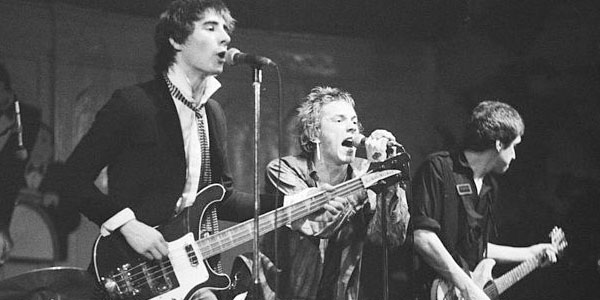
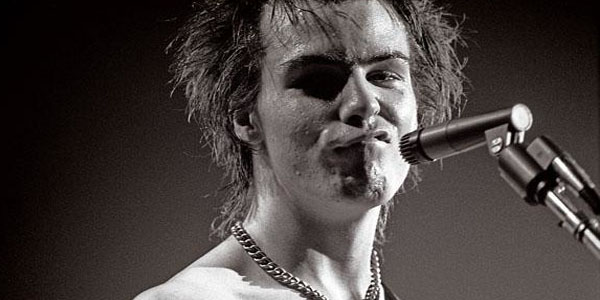
In a culture over-saturated with political activists, social commentators and wannabe critics (guilty as charged) who use the internet, and in particular, social media, as a platform on which to air their views, anyone can pretty much say what the hell they want and get away with it. Not so back in €™77 where the Sex Pistols€™ brand of anti-monarchist bile and working class disillusion with institution after institution, was met with extreme offence by the powers that be. Fuelling their anarchic image by swearing live on the Bill Grundy TV Show (forcing one outraged viewer to, somewhat humorously, kick in his TV screen) and gallivanting down the Thames on a party boat to publicise the release of their Her Maj-bashing single, God Save The Queen, the Pistols€™ public image, svengalied by their enigmatic manager, Malcolm McLaren, was that of dangerous generation terrorists. And it was this very single that forced the safe ol€™ BBC to flex their authoritarian muscle by banning it almost completely from airplay and existence. Peaking at a chart high of number 2 and losing out to a bland Rod Stewart number, many smelt a conspiracy afoot at the Beeb and accused them of intentionally doctoring to the charts to ensure that God Save The Queen didn€™t hit number 1 in the year of our beloved Queen€™s silver jubilee. One chart even went as far as to suggest that for the week in question, there was no number 2 single and presented a blank space instead of naming the song. http://www.youtube.com/watch?v=yqrAPOZxgzU Consistent in all censorship is the demonising of art that in its political assessments, speaks the truth. It happened with Evgeny Zamyatin€™s novel, We, in €˜20s Soviet Russia, Kurt Vonnegut€™s scathing anti-war tract, Slaughterhouse-Five, in the land of Uncle Sam and it happened with the punk icons€™ most biting single in the late €˜70s. In the eyes of those in charge, any departure from conformity poses a danger to the established order and the subsequent imposition of bans merely reinforces the dogmatism of the critiqued authority. It may not have hit number one but the fact that it was kept off the top spot intentionally only serves to hammer home the reality of John Lydon€™s disaffected sentiments; the Queen isn€™t a €˜human being€™ but a divine presence of whom we are not allowed to speak ill and Britain peddles a €˜fascist regime€™ that views freedom of speech with scorn and disapproval.

1. Release Me From This Dreadful Reality
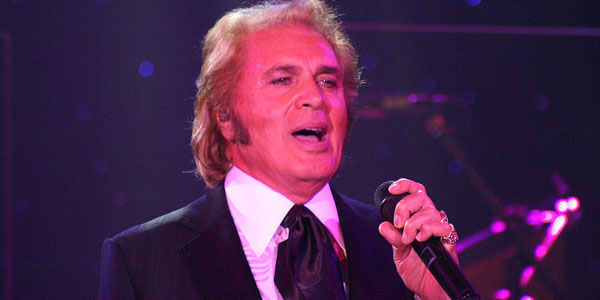
Although it€™s beginning to look like The Beatles are going to top every list feature I ever write, the musical travesty that occurred in February 1967 is by the far the most monumental. Challenging each other to pen songs influenced by childhood memories of Liverpool, the dark, haunting tone of Lennon€™s epic Strawberry Fields Forever queasily complimented McCartney€™s cheerier, absurd Penny Lane on what is widely considered to be the greatest single ever released. Sliding into the peak of their creativity, the band were in such devastating form that they decided to completely omit this fabled double-A side from appearing on succeeding album, Sgt. Pepper€™s Lonely Hearts Club Band. Shockingly though, because of some vague rules about counting double-A sides as two separate entities (and therefore two different chart entries), The Beatles€™ number one position was cruelly usurped by Engelbert Humperdinck€™s saccharine croon-along Release Me, a blemish on the Fab Four€™s usually flawless chart record. Not only was the housewives€™ choice responsible for this gross musical crime but his tired romantic lyrical content negated the massive cultural shifts and attitude changes that are now associated with the decade that popularised counter-cultural ideas. It seems, however, that McCartney and Lennon have had the last laugh, because whereas Engelbert€™s syrupy track is only remembered for holding Strawberry Fields/Penny Lane off the top spot, the Beatles€™ most awe-inspiring single is still regarded as one of the most sonically revolutionary of all time. A delicate showcase of Lennon€™s burgeoning introversion and McCartney€™s penchant for whimsical ditties, Humperdinck€™s chart triumph is telling of the gaping sixties divide between radicalism and light-entertainment. Disgraceful!

 
Posted On: 
Contributor
Contributor

A 22 year old English Literature graduate from Birmingham. I am passionate about music, literature and football, in particular, my beloved Aston Villa. Lover of words and consumer of art, music is the very air that I breathe.