8 Classic Albums That Critics Originally Hated

Featuring some of the greatest records of all time.

The history of music is filled with surprises, from genres spawning sub-genres which ultimately become more popular than the initial genre, to bands breaking from tradition and releasing something wholly unique and sonically different. For this reason, music criticism is a difficult business. Recognising the start of a trend or the release of a career-defining album is surely extremely difficult when smack bang in the middle of it happening. Hindsight is a wonderful thing. Yet there are classic albums out there €“ released by the likes of Led Zeppelin, The Beatles and Pink Floyd €“ that are so brilliant it's tough to conceive of a time when critics didn't like them, or didn't appreciate them for what they were. But it happened. In fact, it happened to some of the greatest albums of all time. Here are eight baffling examples...

8. Led Zeppelin €“ Led Zeppelin

Released in 1969, Led Zeppelin's self-titled debut paved the way for one of the most successful and influential rock bands in music history. What's interesting, however, is the total disconnect between how critics and fans initially responded to the album. Despite a slew of less than stellar reviews, the album was a massive commercial success. The most famous negative review the album received came from John Mendelsohn of Rolling Stone magazine, who claimed that the band offered €œlittle that its twin, the Jeff Beck Group, didn't say as well or better three months ago€. Mendelsohn also compared lead vocalist Robert Plant to Rod Stewart, claiming he was just as foppish but €œnowhere near so exciting€. The review irked guitarist Jimmy Page so much that he held a grudge with the magazine for several years, declining to speak with anyone who worked for it despite the band's worldwide success. More recently, of course, the album has received a massive critical reassessment, with Rolling Stone themselves listing the album as number twenty-nine on their list of the five-hundred greatest albums of all time.

7. The Ramones €“ Ramones

When it comes to raw, passionate and loud music, nobody did it quite like The Ramones. Formed in America in 1974, the band are commonly cited as the first band to define the punk rock sound, and their music continues to be wildly influential. Yet when the band dropped their first, self-titled album back in 1976, it received a range of mixed to negative reactions, with many critics simply refusing to review it due to total lack of interest. This was likely due to confusion over the precise sound of the record, which was something that nobody had ever heard before. Of course, later reviews of Ramones have been absolutely stellar, with many critics awarding the album five stars and celebrating the sheer power of its influence on genres like heavy metal, thrash metal, indie pop and grunge. One NME reviewer claims the band were €œarguably the most influential band ever€. Not bad for a group that were initially disliked or completely ignored.

6. Black Sabbath €“ Paranoid

It seems to be a trend that genre-defining bands are initially shunned by critics. It sort of makes sense €“ people are so used to hearing a certain kind of sound that when they hear something drastically different it's initially jarring and unpleasant. Only once the band has attracted and cultivated a passionate subculture do they break out into the mainstream and become a bit easier to understand and swallow. Despite the fact that Black Sabbath had already dropped a self-titled debut album, Paranoid is easily the more €œclassic€ of the two, and was also misunderstood and disliked by contemporary critics (despite selling extremely well). Released in 1970, the album contains many of the band's most beloved songs, including Iron Man, Paranoid and War Pigs. Initially, however, critics responded extremely negatively to the band's dark aesthetic and occult-based and horror-inspired lyrics. Many disregarded Paranoid as nothing more than the second release by a group of satan-obsessed amateur musicians. These days, of course, Paranoid is regarded as one of the greatest and most influential heavy metal albums ever, but it took quite a considerable amount of time to convince music critics.

5. The Beatles €“ Abbey Road

The idea that The Beatles' Abbey Road might have received anything but great reviews is fairly laughable, but it was reality back in 1969 when the record first dropped. There was an absolute slew of criticism heaped upon the album, with many targeting its use of artificial sounds which were supposedly inauthentic. London Times critic William Mann described the album as €œgimmicky€ whereas Rolling Stone magazine said it was €œcomplicated instead of complex€, creating a sound that €œcould not possibly exist outside the studio€. Life magazine critic Albert Goldman wrote perhaps the most retrospectively off-the-mark assessment, saying that Abbey Road was €œnot one of the Beatles' great albums€. At this point it would be fairly redundant to detail the album's subsequent legacy. To say it's often regarded as the Beatles' magnum opus and one of the best albums of all time is just the tip of the iceberg.

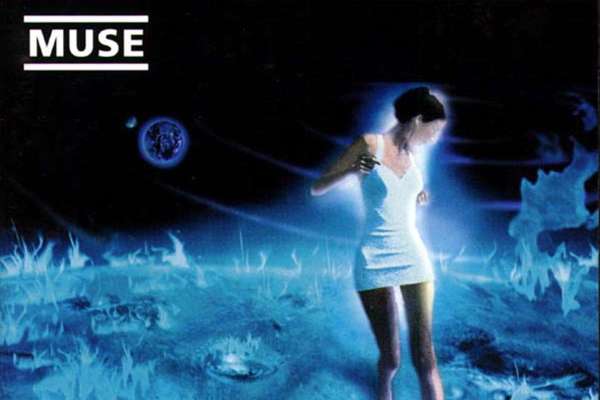
4. Muse €“ Showbiz

Even though Muse followed up Showbiz with Absolution and Origin Of Symmetry, arguably the two greatest albums they've ever released, these days fans (and a good number of critics) hold a special place in their heart for their debut record Showbiz, released in 1999. Simply put, without Showbiz, Muse wouldn't exist as we know them. Yet the English alt-rock trio faced quite a lot of negative feedback when Showbiz first dropped. There were positive reviews out there, but the vast majority were mixed or negative. Many critics dismissed the album as derivative of other alt-rock bands of the 90s, and many latched onto a rather unfavourable Radiohead comparison, due to singer Matt Bellamy's similarly airy, falsetto-driven vocals. NME also described the album as €œoverwrought€ and €œprone to excruciatingly bad pseudo poetry€. Nevertheless time and context within Muse's career has spurred a much greater appreciation of the record, with it making several top British albums lists and getting many subsequent reappraisals. As well as that, tracks from Showbiz remain some extremely solid fan favourites.

3. Pink Floyd €“ Wish You Were Here

The fact that Wish You Were Here is Pink Floyd's ninth studio album yet is still regarded as an absolute classic is a testament to the legacy of the band. Upon release, the album was so popular that record company EMI couldn't print enough copies to satisfy demand. But once again it disappointed critics when it was first released in 1975. Ben Edmunds of Rolling Stone magazine described the album as €œlackadaisical€ and harshly said €œpassion is everything of which Pink Floyd is devoid€. British music newspaper Melody Maker said the album €œsounds unconvincing in its ponderous sincerity and displays a critical lack of imagination in all departments€. Now, Wish You Were Here isn't just considered one of the best albums ever recorded, it's also widely regarded as Pink Floyd's finest work. Yet another instance in which a Rolling Stone writer was terribly, terribly wrong.

2. Weezer €“ Pinkerton

These days, many Weezer fans romanticize Pinkerton as the formative release during the band's halcyon years, a far cry from the kind of material found on Maladroit and Make Believe. Which makes it all the more ironic, then, that it's an album that initially didn't sit well with critics. Released in 1996, Pinkerton was met with a barrage of criticism, especially in comparison with Weezer's debut self-titled record (also know as The Blue Album). It was described by Jeff Gordinier of Entertainment Weekly as €œa collection of get-down party anthems for agoraphobics€ (people who suffer anxiety when they're placed in an environment they perceive to be unsafe or uncomfortable). It was also lambasted by Rolling Stone writer Rob O'Connor as €œjuvenile€ and €œaimless€. Yet over the years Pinkerton began to develop something of a cult following, and is now regarded as not only one of Weezer's greatest albums, but was retroactively reviewed by Rolling Stone and given a perfect five star rating. It was also added to the Rolling Stone Hall of Fame. An album that was grossly misunderstood upon release is now an era fans deeply romanticize.

1. Sex Pistols €“ Never Mind The Bollocks, Here's The Sex Pistols
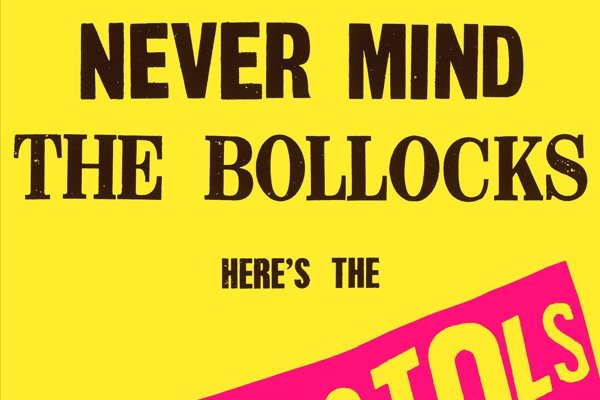
It's incredible how influential the Sex Pistols were (and have remained) despite the fact that they only released a single studio album. Yet the band prompted the entirety of the punk movement in the UK and shaped the sound and aesthetic of many later rock and punk musicians. The fact that this album was initially rejected by critics is entirely appropriate given the band's anti-establishment and anti-consumerist ideals. But the reception to Never Mind The Bollocks went beyond a few paltry negative reviews. It's reported that London police visited the city's various Virgin record store branches, threatening arrest for indecency unless they removed posters of the album cover from shop windows. Following this, Never Mind The Bollocks became embroiled in a legal case, during which the use of the word "bollocks" was accused of obscenity, though it was ultimately proved the word was supposed to mean "nonsense" in the context of the title. At the time, many critics attacked the album for its supposedly €œobscene€ title and lyrics. These days, it's regarded as one of the greatest albums of all time.

In this post: 
Sex Pistols
 
Posted On: 
Contributor
Contributor

Commonly found reading, sitting firmly in a seat at the cinema (bottle of water and a Freddo bar, please) or listening to the Mountain Goats.