8 Musicians Who Sound NOTHING Like They Did When They Started
Transitioning from spacey prog rock to pop-centric disco? Sure, why not.
Identities are not formed overnight. People change and evolve constantly. Think about it, do you have the exact same personality now as you did ten or fifteen years ago? (If you answered "yes," you might consider getting out more.) Musicians are, obviously, real human individuals with ever-changing characteristics, but we somehow expect the music they create today to sound nearly the same as it did a decade ago. And that's just not realistic.
Besides, in our heart of hearts, do we really want them to keep making variations of the same song for their entire careers? Do we really need another Nickelback? Still, that doesn't mean we can't be surprised at just how drastically a musician has altered their sonic style. After all, who could have imagined that simple reggae group was once a hardcore thrash metal band?
So, just as your wild and crazy college roommate eventually stops doing beer bongs and starts preparing his taxes on schedule every year, a band in their formative years are going to sound a lot different than they will once they've matured.
Which makes it a lot of fun (or sometimes just a little depressing) to go back and compare their current sound to the one they had when no one knew who they were.
8. Goo Goo Dolls Were Thrash Rockers
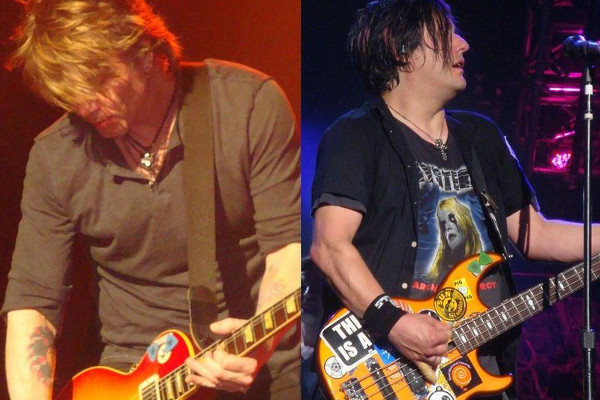
Did you know that the Goo Goo Dolls were once capable of rocking? No, really. There was a point when "Long Way Down" wasn't considered the grittiest thing they'd ever recorded. Their first album, the aptly named Goo Goo Dolls, was pure, messy punk rock, complete with shouted lyrics and sloppy guitar shredding.
It was recorded on a shoestring budget with a different lead singer (Johnny Rzeznik was reportedly too shy to step up to the mic) and, according to the band, a complete lack of sobriety. The result is a Dead Kennedys-esque album that would thoroughly confuse anyone who accidentally put a bunch of random Goo Goo Dolls songs into the jukebox. (That's a thing people still do, right?) Their follow-up, 1989's Jed, had a little more sheen to it, but is still a far cry from the adult contemporary waiting room music the Goo Goo Dolls would go on to produce later in their career.
This album had a song on it called "Sex Maggot." So that's...a thing.
Even their major label debut in 1990, Hold Me Up, was still a true garage rock album. Really, it wasn't until a few years later that they released their breakthrough single, "Name," that they swiftly transitioned into being your mother's favorite rock band.
7. Fun. Was A Cutesy Little Indie Band
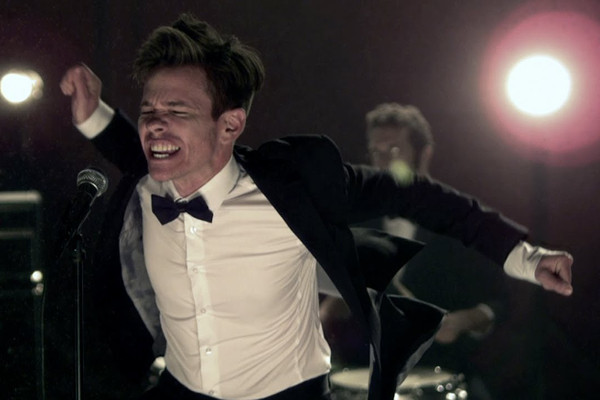
Known for their bombastic hits "We Are Young" and "Some Nights," the guys from Fun seemed to come out of nowhere. Seriously, how did they take over the charts so rapidly?
As it turns out, prior to burning up the airwaves, everyone in the band had already been in the music industry forever, basically. Lead singer Nate Ruess founded indie rock act The Format back in 2002 and began releasing jangly desert pop classics almost immediately. You might describe The Format as a bit "dorky," and that description wouldn't be wrong. They didn't make music to pump out of your convertible, that's for sure.
When Reuss formed Fun with new, like-minded bandmates, he didn't immediately set out to outdo Neon Trees or Fall Out Boy for pretentious sing-alongs. 2009's Aim and Ignite was essentially more of the same, a collection of baroque pop with delicate melodies and a keen sense of storytelling.
It wasn't until their sophomore album, Some Nights, that the band decided to bring in a hip-hop producer that had previously worked with the likes of Kanye West, Jay-Z, and Kid Cudi. Some Nights isn't entirely unrecognizable to hardcore fans of The Format, but let's just say that "Snails" isn't going to be played at major sporting events anytime soon.
6. Pink Was A Generic R&B Singer
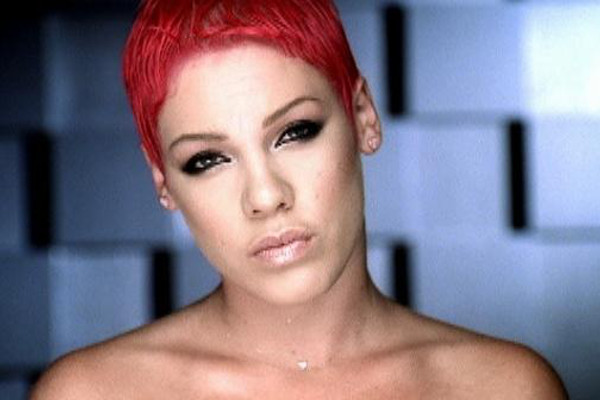
People tend to think of Pink as a ballsy rock star who has always fought against her prototypical pop diva colleagues. Even when she surrounded herself with pop stars like Christina Aguilera and Mya for a tepid cover of "Lady Marmalade," Pink still managed to stand out with that extra edginess. Hasn't she always used crunchy guitars for her melodies and cussed like a sailor because she just doesn't give a f*ck? No. No she hasn't.
That's obviously why she's included in this list. Duh.
It's really easy to forget that she started her career as the type of R&B songstress that she now rages against. Remember her debut single, "There You Go"? That could have been Brandy or Monica or Destiny's Child. There's no personality there. And if you dig back even further you find that, as a teen, Pink was in a female R&B group called Choice, which produced only one song, "Key to My Heart," the most vanilla love song ever associated with a Shaquille O'Neil film. (It appeared on the soundtrack to Kazaam. You know, the one with the 7-foot rapping genie.)
That girl now sings about leaving dudes with blue balls and "dirty little freaks" who get kicked out of bars.
5. Sugar Ray Was A Nu-Metal/Punk Band
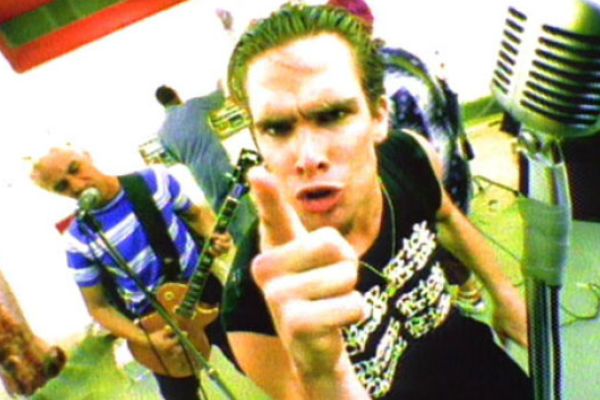
Like their (adult) contemporaries, Goo Goo Dolls, there was actually a time when your mother would have hated going to a Sugar Ray concert. She would have left before the first mosh pit was finished, unless your mom is into that, in which case she deserves a better birthday present this year. In the mid-to-late 90s, Mark McGrath was the lead singer of a thrash/funk/rap metal band that was more interested in playing their instruments fast and harsh than they were in securing a spot on the live-action Scooby-Doo movie soundtrack.
It wasn't until "Fly" (from their second album, Floored) became a surprising hit in 1997 that they started to overhaul their sound to appeal to a more mainstream audience. And by "overhaul," I of course mean "erase any traces of intensity or passion from the records and replace it with lots and lots of money."
Hey, it obviously made them more popular than the sound of their follow-up single to "Fly," the funky, Chili Peppers-inspired "R.P.M." was ever going to.
4. Hoobastank Was Super Into Ska
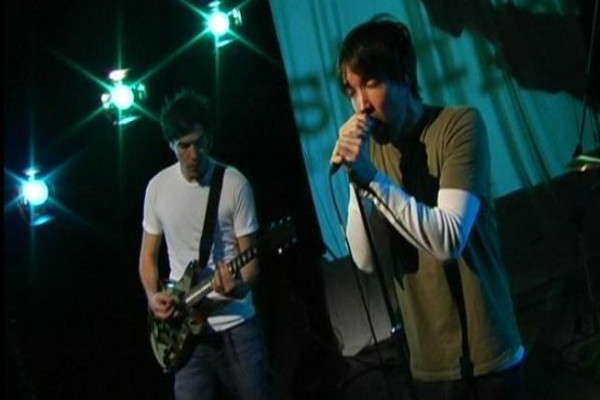
In the early 2000s, Hoobastank was one of the last bands to get swallowed up and swept away by the nu-metal tide. They got some love early on for a major label debut that took up the mantle that bands like Incubus had recently abandoned, with standout singles "Crawling in the Dark" and "Running Away" securing frequent rotation on MTV.
Then they hit it big with a power ballad, "The Reason," which kept them relevant for a couple of years before ultimately becoming a tiny footnote in music history. But long before they sold their souls to the radio devil, Hoobastank had begun making a name for themselves in Southern California as a funky little ska punk band.
Their true debut album, the nonsensically titled They Sure Don't Make Basketball Shorts Like They Used To, featured an abundance of horns, down-tuned guitars, and the types of melodies that Mighty Mighty Bosstones would probably consider rough drafts.
A song like "Can I Buy You a Drink" has its feet firmly planted in a different era than anything else the band would create. Which is a shame, because that song is so cool. There were hints of their future sound sprinkled throughout this album, but the funky guitars and calypso beats were completely erased by the time "The Reason" made them pop superstars.
3. Katy Perry Was A Christian Rock Artist
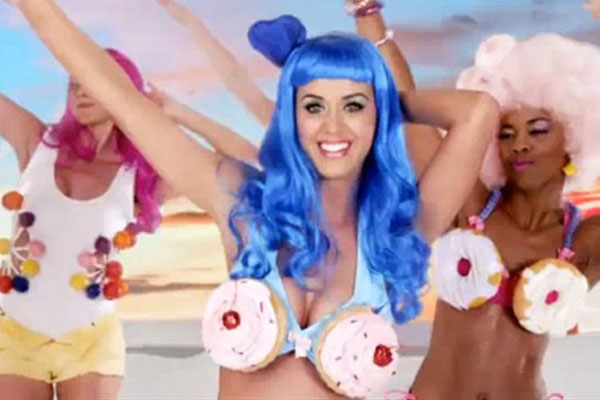
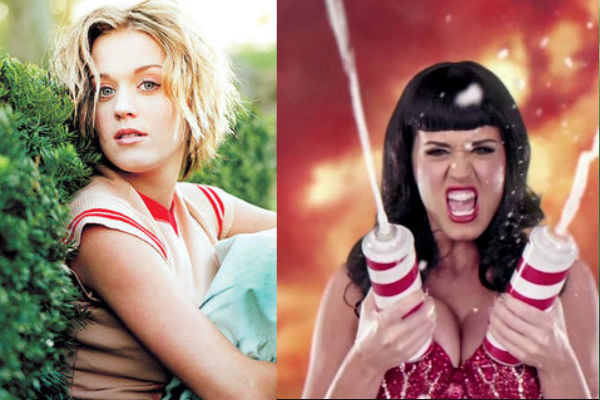
Katy Perry, the songstress most known for wearing bras that shoot various fluids out of them and singing about threesomes, actually began her career as a contemporary Christian singer. Yes, that Katy Perry. The one who wears outfits that would make Erotica-era Madonna blush. The one whose first commercially successful song was about making out with other girls for fun. The one who hasn't met a sexual innuendo she hasn't instantly wanted to bone.
Still billed under her real name, Katy Hudson, she incorporated all the trappings of the Christian rock scene and drew comparisons to Alanis Morissette. Interestingly enough, a review from AllMusic posited that a few of the songs had some very sexual overtones and identified those as the most interesting things about the album.
It took Katy seven years to change her surname and begin injecting those overtones, super aggressively, into a follow-up album.
2. The Bee Gees Could Have Been Prog Rock Gods
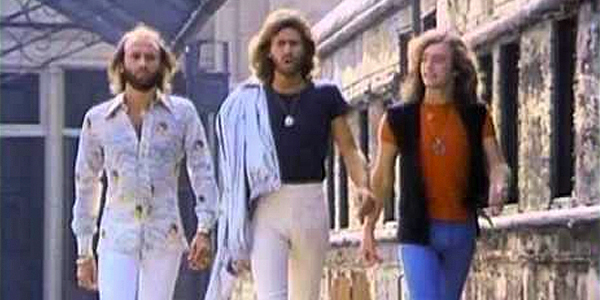
Before they were getting their incredible falsettos all up into the Disco era, the Bee Gees were actually a pretty solid progressive rock band in the late 60s. You read that correctly. Barry and Robin Gibb were precursors to Rush in the prog rock canon. 1969's Odessa, one of the most forgotten and underrated albums of the decade, places the Gibb Brothers somewhere between the genres of The Allman Brothers and The Moody Blues. It's a little bit of the folk/roots rock that The Band helped perfect a few years earlier, but it also contains some weird, atmospheric rock that would make Jefferson Airplane proud.
This album also drew comparisons to another bunch of up-and-comers, The Beatles, thanks to a song called "Melody Fair," which featured uncannily similar vocal harmonies and a little bit of "Strawberry Fields Forever" in the melody. But all in all, critics received Odessa as an epic, double album of sweet, symphonic rock.
Then Saturday Night Fever happened and ruined their whole career trajectory.
1. Danny Elfman Was The Lead Singer Of Oingo Bongo
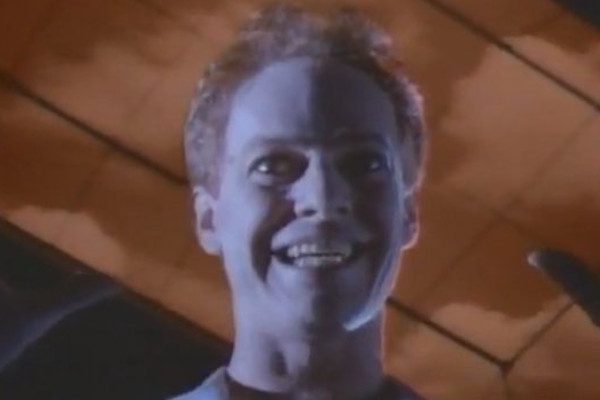
You probably know Danny Elfman as the composer that Tim Burton relies on to give his films the misconception of depth. He's crafted nearly every iconic soundtrack you can think of, including Beetlejuice, The Nightmare Before Christmas, Batman Returns and...Flubber? Hmm. Oh well, he also wrote the theme song for The Simpsons which totally makes up for that.
But before he was the guy behind-the-scenes, scoring all the most influential movies of the last three decades, he was just the lead singer of another band trying to piggyback onto the new wave bandwagon. Originally known as The Mystic Knights of Oingo Boingo, Elfman and his bandmates (including his brother, Richard) started out as one-half comedy troupe/one-half theater troupe, often wearing clown make-up and performing covers of Cab Calloway songs. Eventually, they morphed into more of a ska-influenced new wave band, putting out some notable albums and writing songs for some goofy, 80s teenage romps like Weird Science and Fast Times at Ridgemont High.
Apparently Elfman caught the soundtrack bug and preferred the idea of writing songs for someone else.