9 Musicians Who Sold Out The Hardest

All about that monizzle bizzle...

Maturing as a band and evolving your sound is not the same thing as selling out. Changing directions, artistically, does not automatically make you a sellout, nor does using different instruments or having your songs picked up by the radio. No, to truly "sell out" takes a special breed of musician. One that is indebted more to the business side of music than the artistic side. And sure, musicians can try to make those two sides coexist, but more often than not, the business side is going to come out on top. A lot of people really hate the term "sell out," because it implies that all musicians should remain committed to poverty for the sake of their music, when no other profession is required to do that. No factory worker gets called a sell out when he takes a job as the floor manager and moves away from the assembly line. They have a family to feed, after all. And, believe it or not, so do a lot of musicians. So know that just because the people on this list sold out to "the man," that doesn't make them terrible human beings. But it makes it impossible for them to hold onto their artistic integrity.


9. Maroon 5

Songs About Jane introduced the world to a new kind of pop-rock band: One that could deliver on a tacit agreement to deliver catchy, punchy radio hits to the masses while still sounding much funkier and aggressive than the slop of homogenized pop being played around them. Flash forward a decade and now the only reason you can pick a Maroon 5 song out of a playlist is because of lead singer Adam Levine's nasal, vaguely sexual delivery. They are now firmly a part of the homogenization. Levine is suddenly the only band member in Maroon 5 that really matters, as the rest are relegated to tinkering with their instruments in the background. The band's original drummer left after their debut album (who has subsequently proven to be the real heart of that first album), and the others only show up in the studio to earn their obligatory paycheck, and only show up on stage to pantomime and fill space. They certainly don't write their own tunes much anymore, instead bringing on hired guns like Ryan Tedder (who is responsible for serving up the bulk of radio's reheated Top 40) to spew out dance-pop that couldn't be further from from the slinkiness of "The Sun" or the funk blasts of "Not Coming Home."

8. Goo Goo Dolls

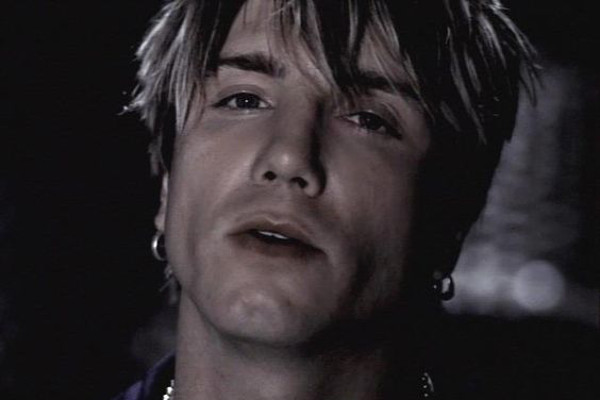
Wait...what? Goo Goo Dolls had something to sell out of? It's true. Believe it or not, they were once a band with an edge. When they released their first couple of albums, Johnny Rzeznik and his bandmates were a garage rock band with a snotty, punk attitude that released songs with names like "Sex Maggot" and "Don't Beat My Ass (With a Baseball Bat)." Those were the sounds of a band that refused to take themselves too seriously, and who would've rather shot themselves in the face than record a song for a Meg Ryan chick flick. Even on their fifth studio album, A Boy Named Goo (their first true introduction to the mainstream audience), the band sounds more like classic Replacements than Hootie and the Blowfish. (Much of that had to do with Rzeznik being the back-up singer, with bassist Robby Takac taking lead vocal duties.) But one song on that album, the downtrodden ballad "Name," shot up the charts in a way that no one expected. From then on, the Goo Goo Dolls were no longer a rock band. They remained firmly entrenched in the world of adult contemporary once Dizzy Up the Girl was released in 1998, offering only the slightest glimpses into their raw past when former lead singer is allowed to step in front of the mic again.

7. The Offspring

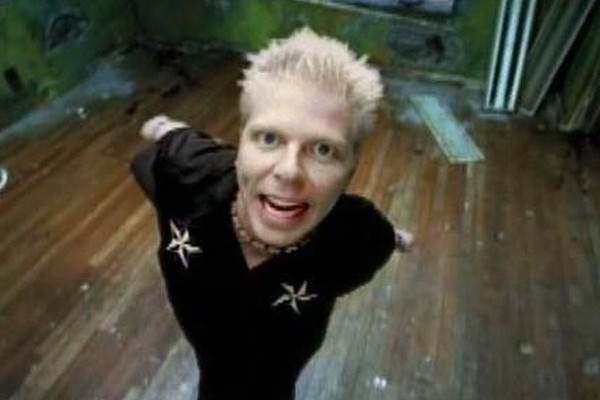
One could argue that The Offspring was already selling out by the time their breakout third album, Smash, hit the store shelves. They'd broken away from the unfiltered punk sound that populated earlier records and started incorporating some ska and alt rock elements into the mix. Punk "purists" will tell you that's the first sign of a sell-out. But semantics aside, Smash is still a punk record. Its follow-up, 1997's Ixnay on the Hombre, on the other hand, is a total mixed bag. There were still some skate punk tracks to be found ("I Choose," "All I Want") but there was also the post-grunge desperation of "Gone Away" and "Amazed," with the latter even having lead singer Dexter Holland adopting Gavin Rossdale's version of "grungy" vocals. Cracks were starting to form, and the band was becoming influenced by whatever was popular at the time. But that's part of any band's evolution, so you can't hold really hold that against them. But the genre-hopping was out of control on their next album, Americana. The punk tracks were poppier, the alt-rock tracks not even hiding their ambitions to get that sweet college radio airplay. And then there's the one-two slap of "Pretty Fly (For a White Guy)" and "Why Don't You Get a Job." Once their foray into the kitschy, silly side of things yielded their two biggest hits to date, there was no turning back. The uninspired immaturity of "Original Prankster" and "Hit That" weren't far behind, cashing in on the Blink-182 brand of pop-punk that had made their pockets flush.

6. Kings of Leon

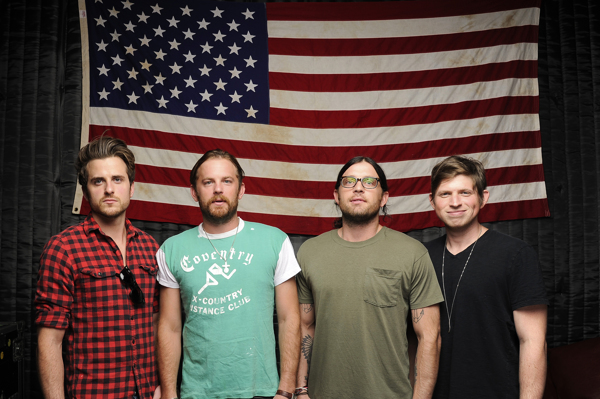
Hot on the heels of douche-bro rock cretins Nickelback and Hinder, Kings of Leon seemed to come out of nowhere to carry on the torch of overly polished, vaguely sexist rock music for teen audiences with 2008's "Sex On Fire" and "Use Somebody." Oasis frontman Liam Gallagher claimed one of his favorite bands "went for the bucks" with the album that spawned those hits, Only By the Night, assessing their sound by saying "they've all got their sleeves cut off," whatever that means. Fuzzy metaphors aside, there is a definite change in the Kings of Leon sound on those songs, which follow a much glossier rock outline found on Top 40 radio at the time. The band's own guitarist even admitted that "Sex On Fire" isn't exactly the height of their musical ambitions, but it's one they have to play live: €œTrue music fans and music lovers probably think that song is absolutely terrible, but it€™s just this huge song for us." To say Only By the Night is formulaic or watered down doesn't quite do justice to how abruptly Kings of Leon turned away from their Southern rock-meets-Pixies sound that reverberated throughout their previous albums. They went after mainstream recognition hard...and it worked.

5. Snoop Dogg

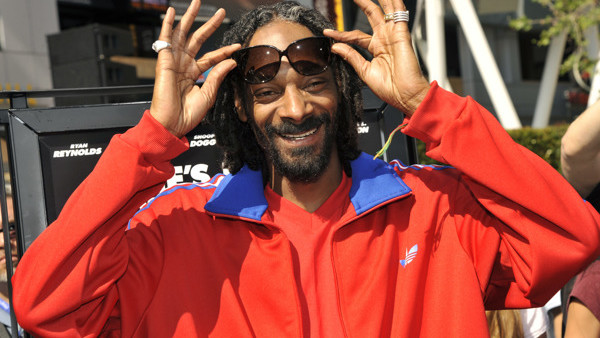
It's hard to even consider Snoop the "cool uncle" of rap music now. His ability to retain any sort of street cred as a legitimate part of rap music went out the window with his reality TV show, Snoop Dogg's Father Hood. (Get it? Hood...like the slang term for neighborhood. Oh Snoop, you so gangsta!) In the early 90s, there was no more of an authority in rap than the D-O-Double-G. He was the rapper that other artists wanted to guest on their songs, because the words "featuring Snoop Dogg" instantly guaranteed the song would be given serious consideration. Now, with so many hip-hop artists rapping about wealth and fame, you might think it's impossible for any of them to really "sell out." But if you listen to the bulk of Snoop's early discography, there's not much talk of flashiness or gold chain ambitions. He's a party rapper, sure, but he's not wanting to party on yachts. Snoop's big sell out moment came when showed up to "izzle" his way through his appearance in a commercial for AOL. After that it was all downhill for the artist formerly known as Snoop Lion. Now you can find him lending verses to songs by auto-tuned boy bands (Big Time Rush), bubblegum pop princesses (Katy Perry), and fellow out-of-touch rappers (Lil Wayne).

4. Black Eyed Peas

Before Fergie came along and caused millions of people to punch their radios and curse the deity of their choice for allowing something like "Boom Boom Pow" to exist in the world, the Black Eyed Peas used to make legit hip hop. Don't get me wrong, it's not as if this group was ever a socially conscious bunch in the mold of Nas or Common. They liked to have fun in their music even back then. It's just that back then they were clever about it, their lyrics made sense, and their jams had some actual personality. For some context, this is what BEP sounded like (at their most pop-oriented) in 2000: https://www.youtube.com/watch?v=cnYiQ2FVG8I Holy hell, there was a time when those "other guys" besides will.i.am actually got to do something in the songs! It wasn't just that they incorporated a female pop singer into the mix, it's that they fully changed their melodic heartbeat once she came in. And they pushed two core members (apl.de.ap and Taboo) to the fringes of the group in the process, all so their songs could be played in sports arenas around the world.

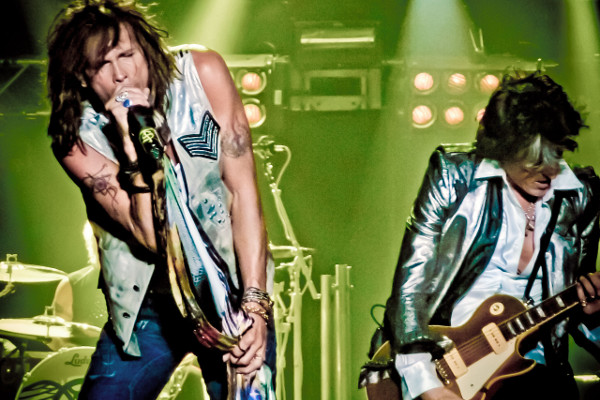
3. Aerosmith

It's tough to imagine in this post-I Don't Wanna Miss a Thing world we live in, but Aerosmith used to really kick ass. They gifted us some of the defining rock songs of the 70s: "Dream On," "Sweet Emotion," and f--cking "Mama Kin!" Then they went away for a while. Then they came back to legitimize and entire genre of music for white America by collaborating with Run-DMC on a remake of "Walk This Way" in the 80s. Also..."Love in an Elevator" and "Janie's Got a Gun." So that decade ended up being pretty great for Aerosmith. But then the 90s rolled around and something terrible happened. All of a sudden, Aerosmith wasn't a hard rock band anymore. Hell, they were barely a rock band at all. 1989's Pump may have been a warning shot about the band's impending turn toward the softer side of rock, but it was 1993's Get a Grip that established Aerosmith as a band that had somehow gone straight and gone insane at the same time, deciding to release the same song with different lyrics over and over again. ("Cryin" is "Amazing" is "Deuces Are Wild" is "Crazy.") But the final nail in the coffin was the smelly meteor that crashed into mainstream radio stations in 1998 thanks to a Ben Affleck movie about drilling for oil in space. "I Don't Wanna Miss a Thing" is as sure a sign of selling out as throwing your hands up in the air and proclaiming "Don't worry, we won't hurt you, we're just here for your money."

2. Kiss

To take the term literally, a sell-out is someone willing to disregard any notion of artistic fulfillment to focus entirely on making money. If that's the only criteria, then there's absolutely no question as to who the ultimate sell-out is. That's Gene "Please Buy My Kiss Lunchbox" Simmons. There's not a single item in your home that can't be found at a store with the KISS logo on it. There was a point in time when Kiss, the band, only existed to move Kiss merchandising. It wasn't always that way, of course. Emerging from the sleazy New York rock scene that also birthed the New York Dolls and The Stooges, Kiss began as an overtly satanic bunch of hard-partying, sex-obsessed rock and rollers. Their initial couple of albums were rough around the edges and just tougher-sounding than the gimmicks that they would later become known for. 1976 is when the cartoonish imagery first began to overshadow the actual music, and the cover art for the Destroyer album practically screamed "We're going to have our own comic book someday!" The songs became more polished, and they started writing cheesy ballads like the piano-twinkling "Beth." And then came the metric tons of merchandising. Pretty soon the band was more famous for their animated hijinks alongside Scooby Doo than for "Strutter."

1. Bob Dylan

It's not really that Dylan did anything exceptional to sell out (a helluva lot of musicians have eventually caved to the dollar signs being thrown at them by advertising agencies), it's just that he had the furthest to fall. Because Dylan was anti-establishment before that was even a phrase that existed. He was given the title "voice of a generation," even though Dylan spent a whole lot of effort trying to distance himself from that sort of salvation speak. In fact, he once famously said "I never wanted to be a prophet or savior. Elvis maybe. I could easily see myself becoming him.€ But when he appeared in a Chrysler ad during the 2014 Super Bowl, it was inevitable that lifelong Dylan fans would start convulsing with rage at the sight of music's most sacred man being used to sell cars. And then, in the same night, his music was used in a commercial for yogurt. Suddenly, Dylan went from being a savior to being the anti-Christ. And, keep in mind, this is after he'd already licensed several of his songs to be used for commercial endeavours years earlier (with songs like "Blowin' in the Wind" and "The Times They Are A-Changin" used in the background of ads). But it seems that most people forgot Dylan had already "sold out" a decade earlier. Just as people ten years from now will probably forget he "sold out" for the Super Bowl. Which other sell outs belong on this list? Share your own picks below in the comments thread.

In this post: 
Snoop Dogg
 
Posted On: 
Contributor

Jacob is a part-time contributor for WhatCulture, specializing in music, movies, and really, really dumb humor.