Pearl Jam: Ranking Their Albums From Worst To Best

26 years, 32 million records, but what was Pearl Jam's finest hour?

Despite becoming one of the best-selling bands of all time, Pearl Jam still remain something of a paradox. They're not really a mainstream rock band, but their rabid fanbase shouldn't be misconstrued as a "cult following," either. Dating back to their prominence in the early 90s, Eddie Vedder was never "the guy." He was cast into the often mythical shadow of Kurt Cobain, who was generally considered the figurehead of the burgeoning grunge movement. They coexisted, sure, but ask any diehard fan of the genre, and they'll tell you there were definitive sides to be taken: As it was with the Beatles and Stones decades earlier, you were either a Nirvana person or you were a Pearl Jam person. Pearl Jam now plays their brand of arena rock to a more condensed audience, but make no mistake, they've been putting out consistently solid albums even as they've stayed away from the spotlight. Their fans are devoted, and with good reason: Eddie Vedder and his crew haven't made a truly "bad" record in the last 25 years. Sure, a few have failed to live up to the lofty expectations set in place by the monster success of Ten, which happens to any band who comes out of the gate that strong. And there have certainly been a few dips in quality, particularly around the middle portion of their career (the experimental changes to their sound didn't always go well). But judged on their own merit rather than on legacy, you'd be hard-pressed to find a stinker in the bunch.

10. Binaural

Perhaps no album best showcases the anomaly Pearl Jam had become since falling out of favor with mainstream audiences. Their cover of Frank J. Wilson's depressing ode to teenage romance turned tragic, "Last Kiss," had skyrocketed to the top of the charts in 1999 as part of the No Boundaries benefit album for Kosovo refugees. Then, just a year later, the group released another high-charting album, Binaural...that faded away from public consciousness in half of an instant. It's true. Binaural is pretty much the bastard child of the PJ discography, and that's because none of the songs from the album are particularly memorable. There's no "Even Flow" to be found here. Hell, there's not even a "Dissident" level semi-hit. But it's got a killer opening track in "Breakerfall." (Perhaps the most consistent thing about this band is how effectively they kick off an album.) Now, that's not to say this is a terrible album. Binaural is an incredibly sharp, focused album. But it also fails to hit any real peaks, as well. It's unfair to call Binaural "uninspired," but in comparison to the rest of their catalogue, it lacks the punchiness to make it stand out. https://www.youtube.com/watch?v=MIn6czxTkTw

9. Riot Act

Yes, the early 2000s resulted in quite the slump for Pearl Jam, who just couldn't quite find their footing in the rock scene. It was a period where they embraced the tag "art rock" with a weird level of zeal. But unlike Binaural, which was simply lacked the excitement of their previous efforts, Riot Act came with a thousand peaks and valleys. The band was as overt as they've ever been with their politicizing, and although it gave parts of the album a vivacious energy, it also weighed portions of the album down with its heavy-handedness. Give them credit where credit is due though, as they were one of the first well-known bands to rail against George W. Bush at a time when the general public was still largely in favor of him, due to the freshness of the 9/11 terrorist attacks. And Riot Act isn't all preaching indictments, either. There are some genuinely beautiful moments sprinkled throughout the album, which act as a sense of levity to the political rockers. Album opener "Can't Keep" is a jangly mid-tempo jam that showcases the direction the band would take in the years to come. "I Am Mine" shows that Pearl Jam is occasionally willing to dig further back than Led Zeppelin for their influences, as they delve into mellower, Beatles-esque territory for the simple verses. (It still ratchets up into an arena-ready anthem by the song's end, but at least it held back the bombast to let the song work to a crescendo.) https://www.youtube.com/watch?v=Nkgv3LoQY2o

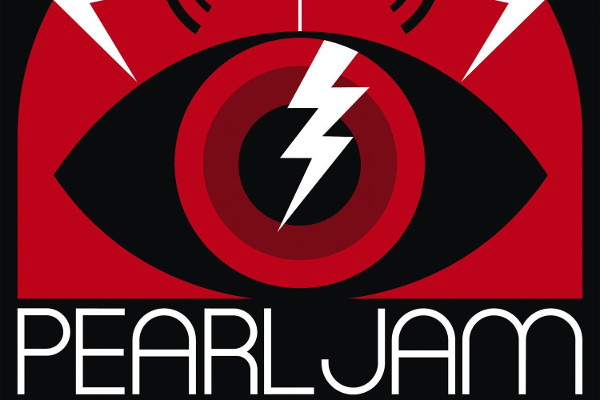
8. Lightning Bolt

For better or worse, by the time Pearl Jam released their tenth album, they knew exactly who they were. And they sounded...comfortable. Gone was the soul-searching and experimenting that occupied many of their previous albums. In its place was a self-assured, content sound. Pearl Jam didn't break any new ground on Lightning Bolt, possibly because there's simply no new leaves that the band feels they need to turn over at this point in their career. And so, if your favorite version of this band was that of exploratory seekers, then the album probably felt a little flat. On the other hand, Lightning Bolt is one of the easier albums on this list to just sink into. Again, part of that is its non-confrontational nature, but it's also just satisfying to listen to a band that's so sure of their identity. Tracks like "Sirens" and "Sleeping By Myself" likely wouldn't have made the cut even a couple albums back, because they wouldn't be adventurous enough for Yield or Riot Act. But "Sirens" is the type of uplifting mid-tempo ballad that comes off as moderately defiant in its own right, simply because it signifies this once-dangerous band of rebels has settled into a role as the plain-spoken torchbearers of straightforward, earnest rock music. Lightning Bolt may not be great "art," but it sure goes down smooth. https://www.youtube.com/watch?v=4jZBwyG7HPs

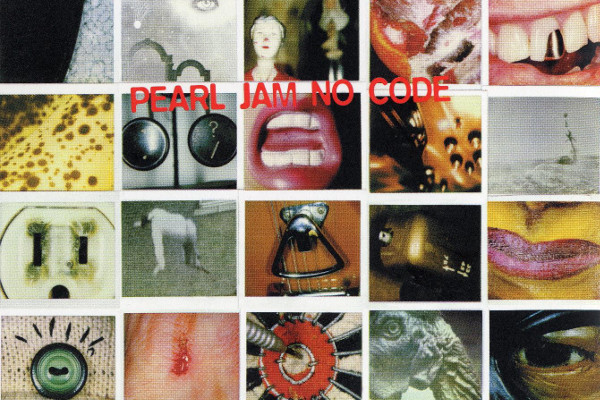
7. No Code

As was the case when The Beatles ventured into Transcendental Meditation and produced "Across the Universe" and "Within You, Without You," No Code represents a band seeking to mature by embracing Eastern philosophies. The religious aspects are a little murky, but that's probably how Eddie wanted it. There are several layers of subtlety at play on No Code, from the vague spiritual dilemmas he works through in the lyrics, to the understated harmonies and varied instrumentation. Though not exactly a "chill out record," it's certainly dulcet by PJ standards. There are the requisite rock anthems, of course, but those aren't the most interesting part of the album. In fact, the trudging "Habit" and "Hail, Hail" could be considered mere distractions from the real meat of the album, which resides in the slower paces and near-meditative choruses of songs like "Who You Are" and the beautiful closer, "Around the Bend." As with any "mature" album, though, there are a few dull spots, usually when the band seems to be trying a little too hard. https://www.youtube.com/watch?v=IjTVb1eSKZY

6. Pearl Jam

If you'd waited the better part of a decade for Pearl Jam to go "back to the basics," this is probably what you were hoping for. Of course, by their occasionally bombastic standards, their 2006 self-titled album is more "basic" than anything else they'd ever done. There's not a wasted note or a self-indulgent experiment to be found here, and that means 50 minutes of lean, muscular rock music free of pretense. It's not out to impress, and Eddie's certainly not trying to present his temperament as even-keeled. The righteous anger pours out of every corner of the record with great urgency and zero filters, which makes for a riveting first listen. Unfortunately, the all-out assault (and intertwined politicking) does occasionally wear thin on repeated listens, and there comes a point about halfway through when you might wish they'd ease up on the gas pedal just a smidgeon. And you'll find the rare reprieve from the persistent vitriol and earth-shaking riffs in the form of the slinky, sweet, and sincere "Parachutes." (Which is as delightful as it is out of place on the album.) As a pseudo-protest album, this album was a welcome breath of fresh, furious air. That might also make it the most lyrically dated, but most of the themes are still universal enough that you won't have to cringe your way through too many specific references. https://www.youtube.com/watch?v=yEQyyZX9G5g

5. Yield

This album has tinges of the "weirder" Pearl Jam that we'd heard in the mid-90s, but it never lets itself get completely swept away in the avant-garde. (Whether or not you're on board with this more experimental style will determine whether or not you think it's appropriately ranked.) So Yield is more accessible than No Code, especially when it aims for the rafters, relishing in their arena rock glory on songs like "Given to Fly" and "MFC." Still, those moments are much rarer here than on Ten, so anyone expecting a true "return to form" was likely disappointed by this mildly disjointed effort. Those willing to just go along for the weird, wild ride, however, were treated to some wonderfully schizophrenic stylings that brought in elements of funk ("Pilate"), bluesy Clapton-worship ("In Hiding"), and classic grunge ("Do the Evolution," "No Way"). It's never going to win an award for Most Cohesive Album of the Decade, but that's just fine. Sometimes all you need is a great batch of songs, regardless of how connected they feel. And hey, if nothing else, Yield gave us the template for every rollicking, punk track the band would ever release with the excellent opening track, "Brain of J." (Seriously, count how many times that same exact style is replicated from then on anytime the band ventured into garage rock. It's bonkers.) https://www.youtube.com/watch?v=Eigy86Nvnzo

4. Backspacer

Backspacer sometimes gets a bad rap among casual fans, because of all their albums, this is the one that sounds the most "off." Something is very different, not just on the surface, but in its pulse. There's a lack of indignation in the vocals, and a dearth of aggression in the rhythm section. In fact, it's downright...upbeat. At its core, this is a classic rock party album. Not in the mold of Def Leppard or Van Halen, necessarily (they're never going to be that band), but more like Boston's self-titled album or The Who when they weren't busy designing rock operas. Backspacer is also notable for featuring the best non-solo (but very much solo) Eddie Vedder track, the endlessly endearing "Just Breathe," which incorporates the style he used on the excellent Into the Wild soundtrack. It's also one of their brisker affairs, clocking in at a paltry 36 minutes. Really, the whole thing was a shake-up for the band, who'd been stuck in a simmering rage for just a bit too long. And boy is it nice to hear them have fun for a change. https://www.youtube.com/watch?v=Kj-sFIHQWLY

3. Vs.

Generally remembered as a mainstream-skirting, rebellion album thanks to ultra-aggressive fare like "Animal" and "Blood" (and a purposeful lack of marketing) Vs. might actually be more significant for expanding on the band's mellower side. Whereas "Oceans" and "Release" had only hinted at a softness under that brooding, muscular aesthetic, they went deep into the catacombs of acoustic balladry with "Daughter" and "Elderly Woman Behind the Counter in a Small Town," both of which they pulled off wonderfully. Still, the rest of the album is an unflinching, passionate follow-up that sheds the shiny production of its predecessor (with an almost gleeful lack of reverb in the biggest hooks), while Eddie is at his most incisive, going after the jugular with an almost sinister gusto this time around. True, none of the guitar riffs ascend to the monster heights of "Alive," but what this album lacks in theatrics, it makes up for with raw energy and a keen ear for effortless craftsmanship. https://www.youtube.com/watch?v=-RTz0JNxNEU

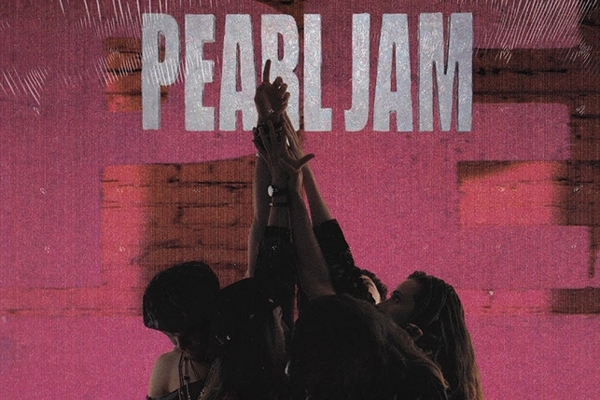
2. Ten

Well... there really doesn't need to be an argument for why Ten is one of the all-time great rock records. All you have to do is take a cursory glance at the track list: "Even Flow," "Alive," "Black," "Jeremy," "Oceans." It's a nearly flawless album chockfull with songs that would come to define Pearl Jam's sound for decades to come. The energy practically shoots off the disc from track one, crackling with a vibrance that was lacking in the other grunge debuts coming out around the same time. Sure, some of the production might have been a bit over-the-top, with the band sounding more like mid-80s U2 than they may have liked (various band members have indeed expressed their displeasure with the way all the songs were "rocked up" to the hilt in production), but there's no denying how powerful the album still sounds, even today, whether taken in as a whole or in single pieces. Some insist that the band peaked with this debut, and have spent the intervening two-plus decades intermittently trying to distance themselves from the album or trying to recapture the sound, depending on the album, and that's a natural response to such an epic debut. But it's also a bit unfair. Because even though Ten might be the tightly-crafted masterpiece that 90 percent of the population remembers them for, it's not quite their best effort... https://www.youtube.com/watch?v=qM0zINtulhM

1. Vitalogy

Vitalogy is a magical album. No, really. There's just a intangible to this one that goes above and beyond any rational critique. Never has Pearl Jam sounded so utterly fascinating and original. Every single song on Vitalogy has a furious undertone, propelled by the stripped-down production that defied the impeccable qualities of their previous releases. This is the sound of a band with a fire in their belly. And perhaps most excitingly, the band wasn't always raging in the same direction in the studio. Tensions were high behind the scenes of this one, with the creative direction reportedly becoming a power struggle between primary songwriter Stone Gossard and the band's frontman. The result is an unmatched level of passion and immediacy. Vitalogy is also the last time we hear the band firmly entrenched in an "us vs. them" attitude that doesn't come off as slightly stale or uneven. (It's still hair-raising to hear Eddie growl "This is not for you!" over and over on the particularly aggressive "Not For You.") "Corduroy" might be the band's most definitive song, while "Nothingman" and "Tremor Christ" remain perennial fan favorites. And even though "Better Man" have have reached its saturation point long before rock radio stopped blasting it at all hours of the day, it's one of the more striking examples of how a band can so delicately teeter the edge of mainstream acceptance. https://www.youtube.com/watch?v=VfaZ_IWPv8c

In this post: 
Pearl Jam
 
Posted On: 
Contributor

Jacob is a part-time contributor for WhatCulture, specializing in music, movies, and really, really dumb humor.