10 Things We Learned From Edward Snowden On Joe Rogan's Podcast
Cell phone spying, 9/11's prevention, moon landings, aliens and government exile...

Edward Snowden still believes in government.
That may seem like a ludicrous statement considering he was chased out of his own country by the US government after leaking highly classified NSA information in 2013, but it's true. Snowden said as much during his lengthy, three-hour chat with podcast guru Joe Rogan this week.
Former CIA employee Snowden currently resides somewhere in Russia (his exact location was kept private for obvious reasons), and he Skype'd in to discuss his new book, his thoughts on public security, aliens, 9/11, the moon landing and more with Rogan. Throughout, the usually talkative host sat and listened as his guest explained in painstaking detail how skepticism is something that evolved inside his head over time.
Snowden has been undercover as an operative, enlisted in the army, he's been in meetings with some of the most powerful figures in US government and he's one of the most famous whistleblowers in American history. His interview is essential listening for anyone who has a keen interest in technology, surveillance and/or conspiracy theory.
Here's everything you need to know from the interview of a lifetime...
10. The US Government Are Suing Him Over His New Book
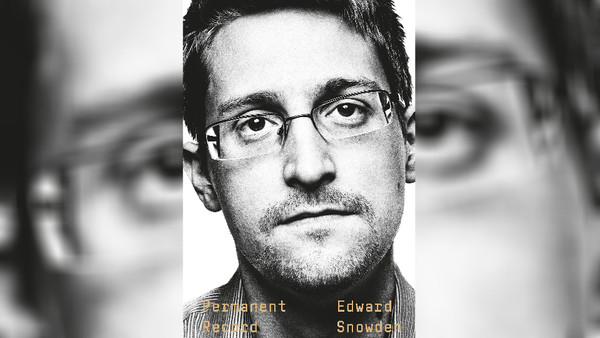
The past six or so years of Edward's life have been a whirlwind of uncertainty. His destiny was forever changed when he leaked highly classified NSA documents to select journalists, and he's been exiled from his own country. Since departing the United States and seeking refuge in Russia, Snowden has been busy writing his story.
His 'Permanent Record' book was released this past September and came up during the Rogan podcast. It tells the story of Snowden's life, how he became involved with the CIA, his findings and the resultant fallout of his whistleblowing campaign and exile. It's a controversial read, to say the least.
It's also a book the US government don't want you to read.
According to Snowden, the US Department Of Justice filed a lawsuit against him and his publisher (Macmillan) for failing to submit the book for scanning pre-release. The government's pre-publication review processes are militant; they hate the thought of Edward making any money from his story.
9. Why He's So Outspoken

There's a moment of clarity in amongst all the chatter about conspiracies, secret government operations and exile. Edward Snowden isn't only interested in pushing back against the corruption that forced him from the United States, he's also keen to establish that the world is "getting worse every single day".
How can people fight it? Simple, don't try to do so on a mass scale and instead look locally.
It may sound odd coming from someone who has published a book about government spying worldwide, but Snowden believes that living humbly and being good in your own personal sphere rubs off on folks around you. He's under no far-flung illusions that one person can change the entire world.
This mini-soap box moment provoked a warm response from Rogan. He's often the purveyor of tolerance, respect and positive mental health, so he must've found it heartening to hear Snowden break free from promotion to promote the same message.
8. Ephemeral Moments Don't Exist Anymore

There's a 20-25 minute spell in the interview that focuses on nothing but technological advancement and the worrying fixation people have with smartphone use all day (every day). It's hardly lost on Snowden that he was using technology to communicate with Rogan, but he's not fighting some war against tech.
In fact, he loves it. Ed's merely worried that its rise means ephemeral, personal experiences are lost on humanity. Cell phones track everything, and there's stored information about where you've been at all times regardless of where you go. For example, even if you can't remember where you were four years on 24 October, the government probably can.
Your phone allows them an endless stream of content because it's connected to their network.
Snowden seemed sad about this. Whilst he recognises the good such technology has done (being able to share happy times, keep hold of important memories etc), he also thinks it's concerning that people are never disconnected from what is effectively government surveillance.
7. How Your Phone Functions When It's "Off"

During a prior interview with Brian Williams, Snowden had half-joked that the NSA could probably turn his phone on remotely if they wanted, and collect data from it without him even knowing. If the audience laughed at that, they shouldn't have. Edward, despite playing up to the gallery for his appearance slightly, wasn't really kidding around.
He told Rogan that modern smartphones function in a ludicrous way.
Unless the battery has been removed from the device, it's never truly "off". That means that the phone is still functioning even when powered down; there's a small discrepancy here. Obviously, the device can't communicate without any juice, so battery power is key. If the phone still has some of that, it's open for connection with other devices.
This is modern-day wiretapping. Instead of planting microphones or cameras manually in the homes of suspects, the government can now rely on a global addiction to smartphones to do the work for them.
6. He Blames Obama For Not Tackling "Surveillance State"

Obama, George W. Bush and President Trump, to be exact, but it was Barrack who caught the most flak.
Snowden told Rogan that the term "deep state" is often misunderstood by the wider world. All it really refers to is a sector of government officials who have outlived previous Presidential reigns. They're a hangover from an older system, in other words, and they're deceptively powerful.
Their work has built what Ed called the 'Surveillance State'. He remembers hearing these deep state operatives giving the same speech over and over, without much change regardless of who was in office. They were giving "polite demands", not suggestions, and their word was to be followed to the letter.
Snowden claimed Bush, Obama and now Trump sat/sit idly by and let this constant, invasive supervision of citizens happen without questioning it. This, in his mind, is a flagrant disregard for constitutional rights of freedom, and is actually kinda' illegal.
5. What His Words Suggest About Public Voting & Choice

It's clear from listening to Snowden speak at length that he doesn't view himself as some sort of political Rambo who can take on the US government himself. At the same time, he watched first hand as government monitoring was changed from suspects only to everyone post-9/11, and it didn't sit well with him.
Again, this contravened constitutional rights, and it sets a hellish precedent for other aspects of democracy.
Think about this: US officials didn't consult people or enlighten them fully to changes after 2001's terror attacks, so why would anyone think their voice or opinion actually mattered when it came to vote for political office? The way things were handled post-9/11, to Snowden, shows a horrendous contempt for public thought.
American citizens have been expected to fall in line with a super-spy state mentality that goes against all forms of prior freedom of expression. There's a lot to take in when Edward speaks, sure, but his message makes one think deeply about other topics relating to control, social media and politics.
4. Snowden Believes 9/11 Could've Been Prevented

That led neatly into the main meat of Snowden's appearance. The wonderfully mysterious world of conspiracy theories.
He believes 9/11 could've been prevented, or at least the number of deaths limited, had inter-agency silence inside the government not been caused by competitive spirit. Wait, what? Yep, Snowden is saying that the CIA, FBI and other offices were competing against each other to see who could take the credit for sorting the mess out before it had even concluded.
In other words, both agencies (and others) deliberately withheld information they could've sent to one another that would've helped the team effort. This is something Edward calls "stove piping", and he happens to think such restrictions are total bullsh*t. The government abandoned their procedures out of fear and arrogance.
By failing to properly transmit data between levels of the government hierarchy, everyone lost. 11 September 2001 was a particularly strange day in Snowden's life for other reasons too.
3. His Bizarre Experiences On The Day Of 9/11

During 9/11, Edward was working as a web designer out of a small office space near Fort Meade. Shortly before planes hit the World Trade Center in New York City, his boss received a distressed call from her husband (who worked for the NSA) advising that they vacate the premises.
What happened next boggled Snowden's brain.
He watched as the entire military base was meticulously cleared, and couldn't help but think that the military workers posted there had signed up to protect their fellow Americans. If they weren't going to do that and were instead going to save themselves, then what would happen to civilians? Worse, why were powerful people leaving before those civilians even knew what was going on?
Edward told Rogan that he thinks intelligence systems were deliberately taken off-line at the most critical moment, and that the public ended up being the last ones to know. Meanwhile, those sworn to protect their rights and safety were fleeing.
2. He Searched Government Databases For Aliens

This one will disappoint keen conspiracists everywhere.
Snowden says he combed government databases for proof of alien life, chemtrails and other popular conspiracy theories. Much to Rogan's gross disappointment, he found precisely nothing to support claims that alien beings have been captured, probed or experimented on.
When Edward relayed this news to his host, he conceded that it was slightly disconcerting given generations of hype about these theories. He smiled as he said, "I know, Joe, you want there to be aliens", to which Rogan replied, "I do". That wishing upon the stars cannot change the fact that Snowden found nothing when digging deep into the US government's version of Google.
There were no traces of this at all, and that slightly surprised the whistleblower. He agreed that people like the thought of conspiracy theories because it gives them something to cling onto. Without them, it's sometimes impossible to know if anyone's really in control of what's happening.
1. Man Did Land On The Moon (Or Did He?)

Maybe Snowden just didn't look hard enough, or maybe the government purposefully withhold information about aliens, chemtrails and more from employees with high levels of security clearance. It is possible, after all, that the most sensitive information isn't uploaded on an encrypted server somewhere at all.
During the interview, Edward seemed happy to admit that NSA, CIA and FBI insiders probably don't know everything either. He scoured countless databases, stumbling upon evidence that suggests man did land on the moon in 1969, but who's to say that wasn't a red herring knowingly planted to take employees off the scent of other theories?
It's a minefield of mis-information and established truths.
Snowden does seem to believe that Neil Armstrong and crew did land on the planet in the 60s. There's an air of suspicion about everything he read through on government databases though, and perhaps rightly so after he was thrown to the wolves post-whistleblowing.
What else did you learn from Edward Snowden on Joe Rogan's podcast? For more Joe Rogan, check out 20 Things We Learned From Joe Rogan's Podcast Interview With Jake Roberts!