7 Most Exciting Tech Trends From CES 2016
From a roll-up television to the next level of virtual reality, CES 2016 showcases the latest in technology.
For those who love their tech, CES, or the Consumer Electronics Show, is like Christmas.
CES 2016 officially kicked off on Wednesday 6th January and was rammed to the rafters with glitzy tech, brand new concepts and various stages of fanboying. All the big hitters were in attendance as usual, jostling for the attention of the journalists and enthusiasts and showcasing their "next big things".
The individual products themselves are Very Exciting, but, as a fair amount of them won't make it to the market (at least in their current form) they're also great indicators of wider trends. By tracking them we can catch a glimpse of the ghosts of technology future.
So, with everything from roll-up TVs to electric supercars being unveiled at this year's show, what can we learn about 2016's tech trends?
7. Phone, Computer And TV Screens Will Be Bendable
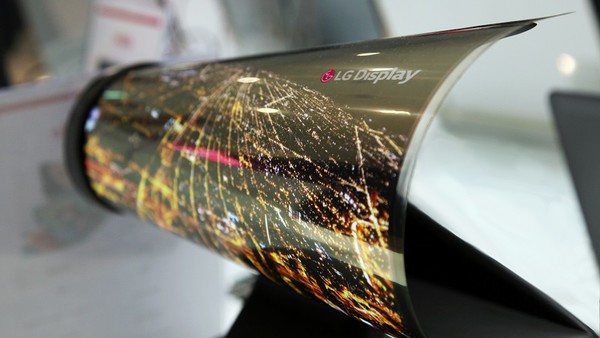
Frankly, CES isn't CES until someone shows up with an insane TV.
Well, true to form, LG rocked up with their UH9800 model. This 98-inch goliath is taking the trend for ultra-HD up a notch with its insane 8K display.
It would seem that, just as you were wrapping your head around 4K, TV companies won't rest until their displays are so high-definition that you can actually use them to see into the future.
The idea of a 98-inch 8K display is the stuff of fantasy for the average-to-enthusiastic consumer now, and most people will probably never actually have one in their home - largely due to the fact that, by the time the price comes down to an only-slightly-eye-watering level, we'll probably have moved on from screens altogether and climbed another rung on the evolutionary ladder.
Just to ensure that nobody out-insaned them this year, LG also brought along their offering of flexible displays in the form of an 18-inch OLED display that can be rolled up like a newspaper. We could very soon be hanging our TVs like wallpaper, depending on how long they take to roll this technology out (badum-tsh).
6. We're About To Enter The Next Generation Of Autos
A highlight of CES is always the concept cars that get wheeled out. The numbers are in, the future is electric. Faraday Future, a secretive electric car company pretty much stole the show by unveiling their FFZERO1 concept car. They claim it has up to 1,000 horsepower and can do 0-60 in under three seconds with a top speed of 200mph, plus it looks like the batmobile. Not bad for battery powered. Details surrounding the FFZERO1 are still pretty cloak and dagger, but the boffins claim that the design is modular, allowing it to be easily customised to suit your needs. It seems like Faraday just aren't going to play by the usual rules, as they have announced their plans to pioneer an unusual business model in which customers would "subscribe" and get access to a range of different vehicles depending on what they happen to need that day. Even if you don't think you can quite stretch to an electric supercar, the auto trends are now decidedly electric with plenty of other companies showcasing more modest options.5. Wearable Tech Is Definitely The Future
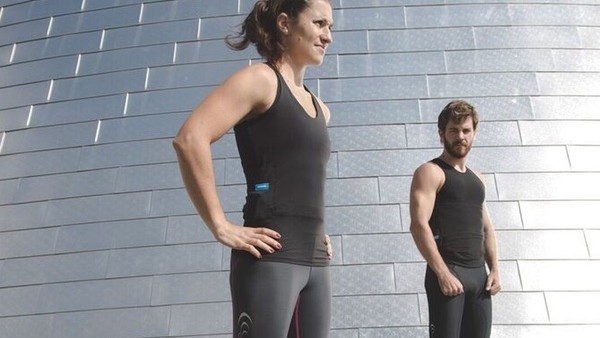
As we integrate technology more and more seamlessly with our everyday lives, wearable tech is fast becoming the name of the game outside the early adopters circles.
The use of wearables as fitness trackers has skyrocketed in the last couple of years and this is a trend that plenty of companies are getting their claws into.
FitBit, who are arguably the most synonymous with fitness trackers in general, have decided to take on the bigger boys by branching out from their sleek and simple trackers, to a full blown smartwatch. The new watch, called Blaze, tracks steps, sleep, calories, heart rate and more and is expected to retail for somewhere in the region of £135.
This, however, could prove to be a bad move as the announcement saw the company's stock fall by 18% almost overnight, probably due to the Blaze's limited spec, making it a sort of Apple Watch Lite. Sometimes striking out of your niche doesn't pay off.
In other tracker news, Under Armour have teamed up with HTC to put together the Healthbox - a sort of fitness starter pack. Misfit have taken a slightly different tack and launched a tracker designed to look less like those charity bands that were all the rage in the noughties, and more like a piece of jewellry.
Outside the world of trackers, Garmin have come out with a head-up display for cyclists called Varia Vision. The little device can be fitted to any glasses (making it more versatile that Google Glass in that sense) and displays ride data, performance analysis and any incoming messages or calls.
To go with all of this bling, NXP have announced a new Bluetooth chip that they claim can as much as double the battery life of your wearable devices - something that has been holding them back of late - potentially allowing certain devices to last for up to a month on one charge.
4. Drones Aren't Going Away Anytime Soon
Drones have almost gone full circle in their public image. They went from dull, automated systems, to silly toys, and now people are taking them seriously again as their myriad applications become apparent.
With Amazon Prime Air still taking tiny, tentative steps, the job of drones remains largely limited to videography with the Lily Cam amongst those showcased at CES 2016. This faithful little drone will follow you wherever you go, ideal for filming extreme sports or just for the ultimate selfie.
Chinese manufacturers DJI have launched a fairly serious bit of kit as the first drone equipped with a 4K camera for less than $1000, with its own integrated WiFi to stream the images back to base camp from over a kilometre away.
The drone is definitely the Christmas present of choice for the tech lover in your life.
3. 3D Printing Is Mainstream Now

It feels a little like 3D printing has gone off the boil a bit since the initial hype, but this could well be due to the technology "growing up", moving away from the bright but useless novelties and finding more serious (but less spectacular) applications.
CES is the place for hype and future and fantasy, so the relatively low key presence of 3D printing is telling in itself. It indicates that this technology that seemed unbelievably futuristic a few years ago has now entered the realms of the everyday.
It is now not so much the printers themselves that are on display, but the products being showcased are, themselves, 3D printed.
Shoe company, New Balance, has announced plans to work with Intel to develop a new smartwatch and 3D printed footwear.
Airwolf 3D get futuristic bonus points as they are are set to display their 3D printed jetpack. It is reportedly light and compact enough to fit in the boot of a car, and yet powerful enough to carry a person several thousand feet off the ground.
The future is now, lads.
2. Virtual Reality Is Coming, Finally
Gamers rejoice, because Virtual Reality is growing up.
HTC are showcasing their VR offering in the form of the HTC Vive Pre - a virtual reality system developed in partnership with gaming company, Valve. To look at, it doesn't seem all that different from previous models, perhaps a little sleeker, but it's what's on the inside that counts.

One of the most important innovations here is the development of real-world integration with a front-facing camera and some very clever software.
Dubbed "Chaperone", this is essentially a safety feature. One drawback of VR is that the likelihood of walking into a wall or stepping on the dog is pretty high, so what Chaperone does is feed you information about your physical surroundings, creating an overlap between the real world and your virtual one.
The worry is that this could spoil immersion, but the reports from people who have tried it suggest that they have somehow managed to do it in such a subtle way that you don't even notice. The spatial information is basically fed directly into your subconscious without you registering it.
With these developments, the folks at Oculus Rift would be foolish not to be at least a little bit worried, but they've also got an offering of their own to focus on. With pre-orders opening on January 6th, it has been announced that early backers of the original Oculus VR Kickstarter campaign will be getting a finished headset for free. So if that's you, we're jealous.
1. Everyone Can Have A Smart Home

With the idea of the "robot butler" finally, mercifully, falling by the wayside (a certain Facebook CEO excepted), it looks like our homes are simply going to have to look after themselves in the future.
The Internet of Things is the hot topic at the moment and everything from your fridge to your pot plants are getting an upgrade.
Samsung have revealed their new refrigerator featuring a full 21.5-inch touchscreen on the front that will allow you to control its settings, order internet shopping and even take a look inside with the internal cameras. Oh, and you can also access it from your smartphone, meaning you'll never again have to make a wild guess as to how much milk you have left.
Smart gadgets are all very well, but it's when you begin linking it all up that the magic happens. Everyone from Google to ASUS are putting together their own smart home bridges, hubs from which you can control everything centrally. There's even a whole new kind of WiFi being developed, HaLow, designed to link up all the smart gadgets in your life.
Appliance giants, Whirlpool, have teamed up with Nest to create a home that not only looks after itself, but programmes itself around your schedule. Nest, the central hub, will tell your various appliances when you're not home, so things like the dishwasher will do their noisy thing whilst you're out so that you can come home to a quiet house and clean dishes.
As for how we can add to these systems in the future, the only limit is our imaginations. In just a matter of years everything from your security system to your waste disposal to a team of cleaner swarm robots could all be chatting away to each other to keep the house ticking over.
Want to write for What Culture Science? Click here to find out how you could get paid to write about what you love.
Love all things science? Like us on Facebook or follow us on Twitter for your next fix.