8 Weird Questions That Courts Have Legally Answered
4. Should Taxes Be Paid On Criminal Income?
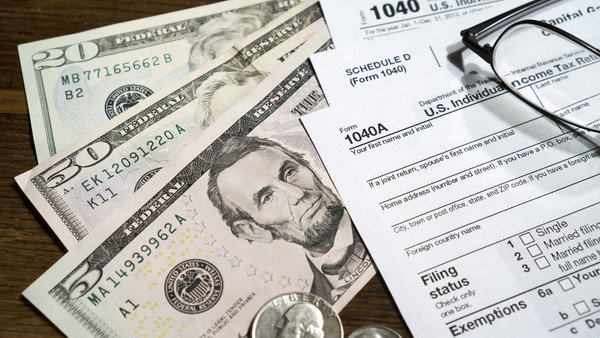
Eugene James was a labor union official who embezzled more than $738,000, and, as a criminal does, neglected to report it as taxable income. You know, because he stole it. But, as it turns out, the Internal Revenue Service doesn't care whether you got your money through embezzlement or armed robbery or by selling bootleg Pokémon cards.
James was put on trial for tax evasion, but claimed in his defense that criminally-sourced funds were not subject to income tax. See, in the United States, money that one has an obligation to eventually repay (such as a loan) is not considered taxable. James argued that he had a legal duty to return the $738,000 (because, again, he stole it) and that he should therefore not have to pay taxes on it.
The IRS weren't impressed with James' argument that only legally-obtained money should be taxed, and the case waged its way to the U.S. Supreme Court. They ruled that criminal income was still income, and James was forced to pay taxes on the embezzled money.
Verdict: "Everybody pays their fair share!" - WWF Tag Team Champion and noted tax expert Irwin R. Schyster.