Sunderland 'Til I Die Series 2 Review - 7 Ups & 5 Downs
2737 words on the misadventures of Sunderland AFC. Charlie Methven would have wanted 3000.

Those familiar with the "Ups & Downs" naming convention here on WhatCulture.com will know that it's a house method of breaking down the various forms of entertainment we cover, but it feels like a solid surface level start for a deep dive into the second season of a docuseries all about Sunderland AFC.
To briefly reset, the club are back under the lens after a first attempt at a rote comeback story ended in catastrophe. Relegated from English football's top flight in 2017 after several years of miraculously dodging certain doom, they then left the second tier at the first attempt through the wrong exit.
Falling through football's floor with all the grace of the Sticky Bandits from Home Alone 2, the wealth and ineptitude of those at the top of a fatally flawed management structure were just as pathetic as the financially destitute duo in the Hollywood sequel.
Whilst Kevin McCallister's story was very effectively re-told, could yet another tale of panic, isolation and painful quick fixes pack a similar punch second time around?
Downs...
5. Taking A Punt(er)
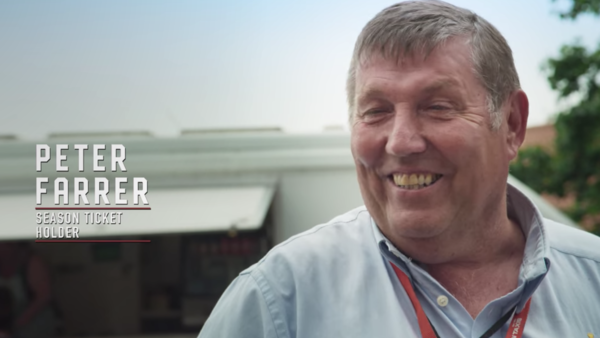
Series One of Sunderland 'Til I Die was at times slapdash in how it used fan sentiment, turning to those in pubs, terraces and taxis for a take whenever an episode needed a heart transplant after input from subhuman former Chief Executive Martin Bain. The same trick was used to even weaker effect second time around.
In terms of authority figures within the club, the scum on the end of the financial faucet was replaced with mildew, but the necessary cutaway soundbites with the same earnest locals failed to get to much of a point beyond the usual.
Perhaps the was the point - starry-eyed hopes followed by dashed dreams is a reasonable generalisation of what it is to be a fan of a mostly-failing football team. Yet again though, other than emphasising an unflinching divide between the haves (the playing staff and those at the top of SAFC) and the have-nots (every other person with a connection to SAFC), it didn't act in service of a suitable narrative thread.
4. Just Joshing

Much of the first half of the second series pivoted around if Josh Maja would stay or go in the January transfer window having proved himself an integral part of a potential promotion that appeared more vital with every passing week.
More on the deadline day drama later, but the unfocussed profiling of Maja during this period forced introspection on what exactly the documentary makers were trying to achieve with it.
Then just 19 years old and staring down the possibility of mammoth money for a move away, Maja is dragged in front of the camera to be vilified mere seconds after an exasperated Stewart Donald and his team confirm that he'll only communicate through his agent. Was a different answer expected here, or was the intention just to get that painfully awkward lingering shot of his fake smile and shifting hand movements?
Faced with an opportunity to punch upwards towards a game in desperate need of it, the show instead elected to manipulate viewers into despising a pawn rather than a king.
It was a running theme...
3. Sympathy For The Devil

Charlie Methven's background in journalism made him sort of perfect for a documentary about something crumbling around him, not least because he spent the first portion of it doing what most executives do - burying the prior administration.
Anybody that has ever worked through any sort of takeover will recognise the principles. New boss digs out everything that came before them to underlings that had absolutely no say in the processes they were forced to follow by the old boss. Then unleashes brand new processes on those same underlings and expects them to fall in line or f*ck off despite the huge emotional upheaval such a thing has on somebody that can't afford a different pair of burgundy trousers every day or the nicest rented accommodation in the entire North East.
The documentary went looking for relatable empathy in the houses of downtrodden supporters but failed to afford club administrative staff the same. This eventually made for the most significant scene of the entire series (and more on that in the Ups), but the deaf ears the documentary gave marketing staffer Sophie Ashcroft when she discussed keeping her young children happy versus the relentless shots of Stewart Donald frowning in his Oxfordshire country mansion was dispiriting.
2. Sunderland AF-see?

Charlie Methven will surely remember The 5 Ws from his journalism days, but it's little wonder he didn't bother asking the documentary crew about any of them during filming - they'd have been forced to turn off the cameras.
Who, what, when, where and why are traditionally the five pillars required to tell any story, and the fact that Sunderland 'Til I Die failed to address three of them explains why the tale gradually fell apart over the course of the series.
Who on earth was this for? The working class fanbase will no doubt end up further divided as they argue over a show that should have been created for them rather than about the cretins puppeteering their heartstrings. What on earth was this for? What did anybody learn about gross mismanagement of a broken business in a broken industry that wasn't already made painfully apparent in Series 1? Why on earth, when viewed through the above parameters and/or the standalone story of Series 1, was a second bite deemed necessary?
Sunderland AFC is a mess, but Sunderland 'Til I Die didn't clean it up.
1. What's The Story...

Like many long-suffering Sunderland fans, your writer initially burst with pride at the prospect of seeing the team profiled on Netflix, not least when Mackem-led group Fulwell73 were revealed as the team behind it.
Presumably a labour of love for the awesome crew that made outstanding documentaries such as The Class Of '92 and the poignant-yet-p*ss-funny Bros: After The Screaming Stops, the failure to be gifted a narrative by results on the pitch resulted in creations of ones that frustratingly failed to land.
Debate raged between fans after its airings over the rights and wrongs over the ills at the club, but accountability was excused (as it so often is) at all the wrong times across both seasons.
Madcap moments from Bain in Series 1 (swimming in his private pool) and Methven this time around (drowning in his own dance music bullsh*t) were good for knowing giggles but failed to address the toxic wealth ruining a club backed by thousands of fans without it. Methven in particular wore the endless number of masks we've all come to expect from tycoons telling us what to do over the past decade or so. Thankfully the cameras caught a couple of occasions when a few of them slipped...
Ups...
7. ...Morning Glory
As the sun rose on the 2018/19 season, so too did the optimism around Sunderland.
It could be felt in the early episodes of Series 2 as match clips at long last featured more wins than losses compared to the calamitous state of things the prior season. The Mackem that simply wants to relive nice times has options beyond Netflix (meaningful wins against major opposition or victories in the local derby with Newcastle Utd are typically immortalised on DVD - they are literally collectors items) but this served as a welcome distraction from the painful worst that was still to come.
Most enjoyable was club legend and commentator Gary Bennett's Partridgean praise playing over top of some of the highlights. "YES! THAT...WAS A GOAL!" felt just seconds away as The Lads continued to romp home in those hugely energising early days.
6. Talk Tonight
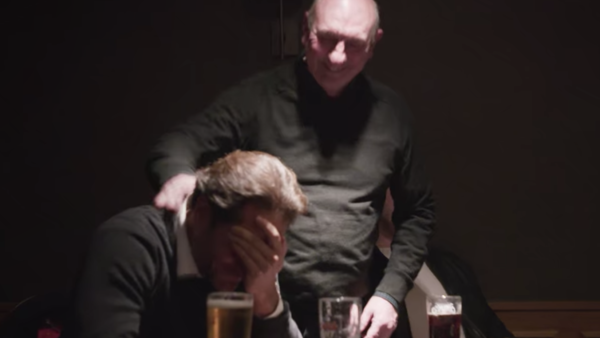
Though the documentary failed to hold to account the continued degradation of a working class football club by those in the sport that have used the market to destroy it, it at least captured the full picture in grim and grisly detail.
New Owner Stewart Donald and especially Chief Executive Charlie Methven were shown to be singing from the same balance sheet from the early stages - money had been blown and the Sunderland fans should be blindly grateful for them two coming in to try and save it.
The messaging from the two was clear enough, even if the strategies weren't fully fleshed out.
What this did provide was an uncharacteristically open form of communication in the first few months of the season. Snake Oil was in high supply, but so too was satisfaction when results on the field matched the patter off it. Their willingness to be advocates for their own administration on podcasts and other platforms brilliantly came back to haunt when the times got tougher, too.
5. Podblast
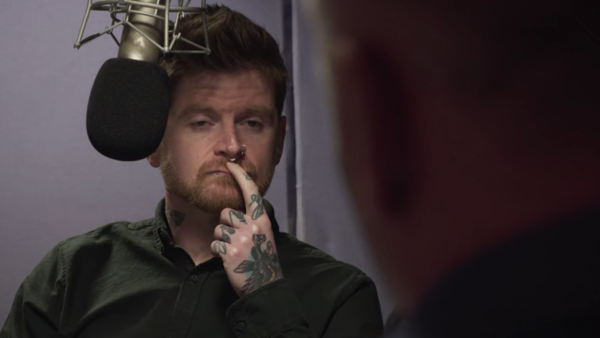
The teams on the WiseMenSay and Roker Rapport podcasts deserve huge credit for donating so much of their time to diligently documenting the thing they all want to love. It's a hard task more often than not, but the bravery of their balance is thrilling to observe through the Sunderland 'Til I Die lens.
Back in front of microphones under different circumstances than the sunshine and farts of September, Stewart Donald and Charlie Methven are rattled into submission when asked about Will Grigg's (more on him momentarily) inability to play in the existing team. Flustered by the very reasonable questions about how and why he's at the club if neither manager nor player can yet make the transition work, Donald is barely bailed out by Methven who tries and fails to undermine the value of the question rather than answering it himself.
It captures a tell from a reasonable poker player with a bad hand, and serves as the umpteenth reminder in this show that nearly all massive wealth is either inherited or acquired through total luck. Anybody associated with the club could have answered the question easily with the one thing neither man was armed with - the truth.
4. Donald Dunk
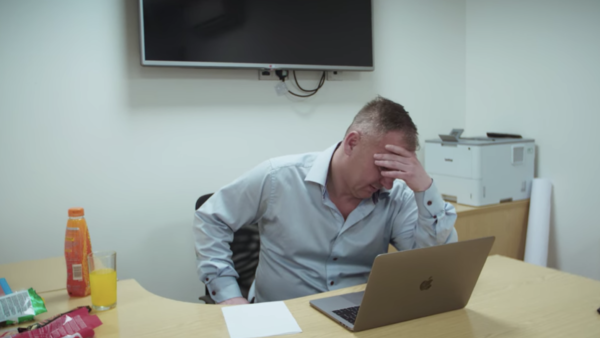
It gets said a lot on shows such as these because the framing doesn't go to Marvel lengths to make clear the real good and evil in society. But never "feel for the owners".
The struggles and strains of the January Transfer Window made for one of the highlights of Series 1 of the show, but the Will Grigg saga that enveloped Stewart Donald's day in Series 2 trumped the cinematic sh*tshow between Martin Bain and Jack Rodwell.
As the deadline looms near, an offer is rejected by Wigan Athletic for their striker that Donald had already deemed ridiculous. He consults with Manager Jack Ross on the next move, and a figure is discussed that Ross very clearly notes the player isn't worth. The implicit is made explicit, if it was ever even the former - he doesn't even really want him.
Regretting some hefty promises that came from a place of inexperience as he conceded defeat on keeping current goal machine Josh Maja, Donald's desperation isn't so much worn on his sleeve as it is the entire bit of material used to make his shirt. He refuses to accept no for an answer in the pained knowledge that the fanbase won't except "No Striker" for the club's deadline day business, eventually adding two million more to the pot to sign the player the manager didn't really care about having.
He jokes after the fact that he probably won't have enough to pay the pizza delivery man now, flippantly bantering off seven figures as if it's less important than the two he'll pay the Sunderland fan to help feed his family.
Never feel for the owners.
3. Sharing Is Caring

Sunderland used to be known as 'The Caring Club' back before football became the ludicrous facade of a sport that exists today. Much of that version of SAFC was dissolved in line with the notion of giving a sh*t about someone disappearing from society writ large.
Society, and as is said often, community, is still the lifeblood of a club with barely-beating heart, but it forms part of a cycle. Sunderland had only been in the third tier of the English game once in their history, and it came eight years into a Conservative government that slashed much needed care, industry and financial aid to the North East of England doing the tumultuous 1980s. It took a decade to even partially repair the football wounds, whilst others may never heal. The pattern repeated itself in the 2010s, with the city even more divided by political gamesmanship that preyed on desperation and empty desire. There has been, paraphrasing Peter the taxi driver in the show, barely a "pot to p*ss in" for most people's lifetimes. It's hard to find positivity when the world seems to never even want to show you what it looks like.
There was a shortage of positivity in Season 1, but players Luke O'Nien, Jack Baldwin and Tom Flanagan all came across relatively well in spite of tremendous pressures placed upon them from themselves, the challenge of moving and raising family and shoppers in Tesco, respectively. Jack Ross was vibrant until his inexperience began to show, embracing the challenge as if to remind fans what they had in a club of such potential.
They were naive but sturdy, trying desperately drag the cart, without wanting to acknowledge that they were all being led by donkeys and mules. One of which came with quite the kick...
2. 46,039 Fans. 1 Total B*stard.
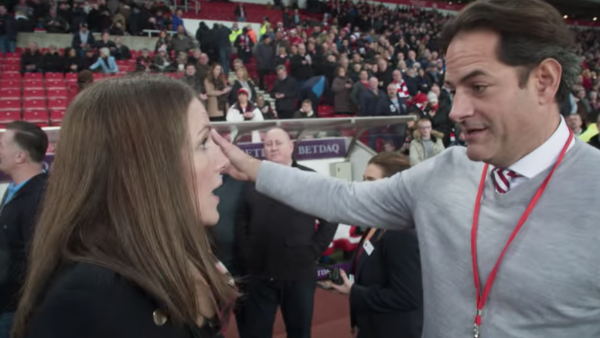
An Up because of it being left in the edit, this, not because of the actions of the central character.
Marketeer Charlie Methven called filling the Stadium Of Light on Boxing Day 2018 a "marketing challenge".
Football is f*cked.
He wasn't totally wrong - somehow getting over 40,000 people to come and watch a third tier game of English football on December 26th would require exceptional promotion - but it was just another reminder how Methven and his types will always try and game the system rather than simply work hard to win.
That's not to say immensely hard work wasn't being done. One fears for Marketing and Communications manager Sophie Ashcroft in the aftermath of fans catching up with this should some choose to see her as the culprit rather than the relentlessly kicked cat. Cameras showed her being dragged around by Methven to cater to his every need, but her frustrated expression as he held yet another meeting lecturing them for something they couldn't control was one of the most relatable moments in the entire series.
It should have put chills up anybody that has ever worked in a corporate environment - you are one of three people when you watch that evocative scene; somebody that has been spoken to like that before, somebody that speaks to people like that, or the former vapidly aspiring to be the latter.
That he b*llocked her (and, by proxy, her team) for not counting thousands of tickets fast enough for him to get the final attendance - he succeeded in his "marketing challenge" - was made worse by the exhausted hugs between Ashcroft and her colleagues as seen silently from an office on high when they left for the day.
This was all a game to Methven, who will have thought nothing for the tears the staff likely shared upon arriving home.
1. Football - The Game Nobody Wins
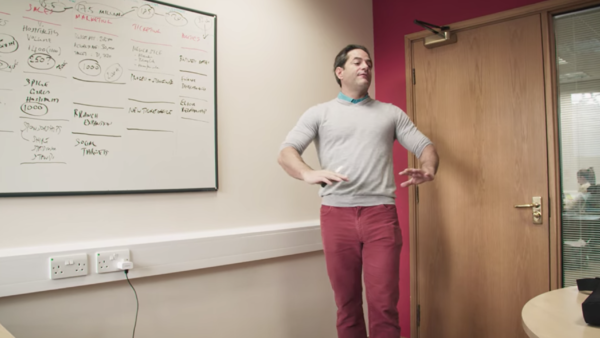
A scene in Episode 5 captures the heart of darkness that powers Charlie Methven, and it comes right as the club stares the crisis of promotion failure square in the face.
Tasked with trying to flog tickets for a Stadium Of Light playoff semi final against Portsmouth, Methven is given advice by one of his team that perhaps fans need a price drop incentive based on the money spent in recent weeks on a fixture pile-up and the heartbreaking (and expensive) Wembley defeat.
Like venom deep from the neck of a cobra, Methven's defensive response burns and brutalises. "I wanna get back to my idea because I wanna make more money" he says, before reminding them under threat of losing their jobs why that has to be done in the quickest and most ruthless way possible.
The supposed smartest man in the room in September has been made stupid by the same beast that consumed Stewart Donald in January and Martin Bain just a few short months before. The sport is said to separate a fool from his money, but that sentiment rarely gets shared with such schadenfreude.
Sunderland fans have suffered - and will continue to suffer - under stewardship that looks to bleed and blame them as and when it needs. This momentary sense of satisfaction at his expense was overdue.