10 Amazing TV Shows With Surprisingly Weak First Seasons

If you could survive the introductory episodes, you'll be rewarded with an awesome show.
It seems sort of unfair, with the number of shows that have potential and are cancelled after only one season, that lackluster first seasons are even given a second chance to grow and develop. But we can€™t be too upset, because once these tv shows got past their freshman jitters, they become some of the most popular programs in recent memory. Sometimes there were casting issues, where actors needed to either join or leave the show for it to become a success. Other times it was the formatting that wasn't drawing in audiences the way it needed to. But most of the time it was simply a matter of small tweaks and changes, and the characters needing a handful of episodes to find what worked for them and to settle into their roles on the show. Here are ten shows that didn€™t exactly start on a high note, but dramatically improved in quality after their first year. Just to clarify: we're not saying that these shows were necessarily bad during their first season. In fact, compared to a lot of dreck that gets vomited onto cable television year after year, they're actually pretty decent. But considering how universally loved and praised they are now, a lot of people forget that these shows started off as ugly little ducklings and matured into beautiful swans.

10. Buffy The Vampire Slayer

Buffy started as a loose remake of the 1993 film with Kristy Swanson, which is sort of fun but is universally considered to be a pretty bad movie. So it makes sense that the first season would start close to that original idea of the ditzy blonde cheerleader who fights vampires, and then as the show went on it would evolve into something more mature and complex. But there's no escaping the fact that Buffy's first season feels very much like it's trying to find itself, and in the meantime is simplistic and slightly awkward. Low production values and odd design plans don't do the young show any favors, while the vampire makeup looks decidedly amateurish with teeth that make the actors sound like they're wearing a retainer. It was a fun show with a lot of potential in those days, but it was hardly the paragon of genre television that would launch Joss Whedon's career. Not at that point, anyway. As things settled into the second and third season, the storytelling became more refined and the writers began to experiment creatively in a way that would separate Buffy from all the other shows on television at the time.

9. Doctor Who (2005)

We're bracing ourselves for the torrent of angry replies to this one. Yes, we are fully aware that Doctor Who has been around since 1963, and we're actually big fans of both the classic and modern eras. This entry is in here using the interpretation that the 2005 version of Doctor Who is effectively a reboot, rather than a continuation of the old show. After all, it does have two separate pages on IMDB. And as much as we love the new show, the first series definitely had some major issues to sort out. Yes, it had The Empty Child/The Doctor Dances and Dalek, but it also had a whole army of episodes that ran the gamut from forgettable to just plain bad. Chris Eccleston was great, Billie Piper was great, but the show just needed some time to figure out what worked and what didn't. Farting aliens from Raxicoricofallapatorius? Sorry, but they just didn't work. It was a struggle to hit the right tone, which is something they've mostly dealt with by now, but back then it was a major issue.

8. The Simpsons

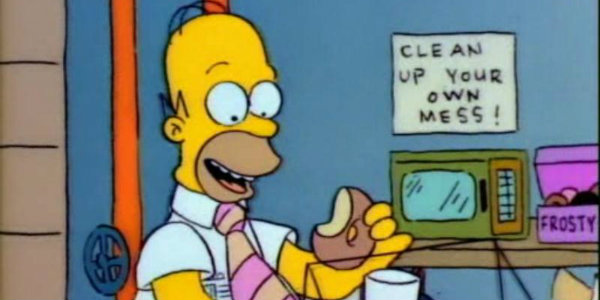
Nowadays, most people with taste and a sense of humor consider The Simpsons to be the best animated show of all time, if not the greatest show, period. And it's been on the air for so long, that we forget what it actually looked like during its first season. The animation style is so choppy and awkward that it actually looks kind of creepy, and the characterization of the Simpson family hadn't settled into their established roles yet. We joke about Homer Simpson being an abusive dad, but while in the later seasons his anger issues and poor decision-making skills are tempered by a genuine love for his children, in the beginning he pretty much did just beat up on Bart all the time. He didn't quite have a lovable side yet. The early show was almost exclusively focused on Bart and his antics, which are funny, but a little too childish and one note to really carry a show. How many times can we listen to "Eat my shorts!" before it starts being slightly less funny? Once The Simpsons started to shift its focus to the family unit, it really became the show that we all know and love.

7. The Office

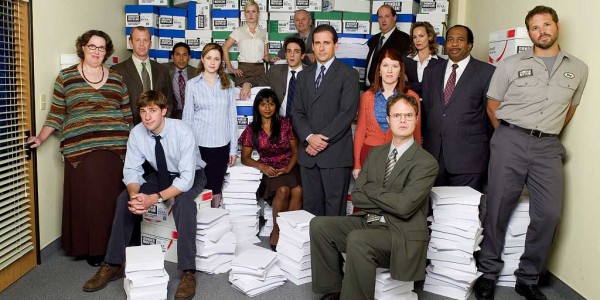
The first season of The Office was good. Funny, interesting, with a lot of great characters. No question that it should have been renewed, and a fair start to one of the most beloved TV comedies in recent years. But in our opinion, at least, the first season finds itself too beholden to its ancestor, the British version of The Office. We all loved Ricky Gervais as David Brent, along with his ensemble cast of put-upon office workers. However, Steve Carell is not Ricky Gervais, Jim Krasinski is not Martin Freeman, and Rainn Wilson is not Mackenzie Crook. And they shouldn't have to be. What worked in the British version was golden, but for the remake to succeed it needed to create its own identity. At the beginning, they just sort of replicated scenarios and dialogue from the original program. It wasn't until they began to develop the American characters into unique entities that could function separately, that the show really began to find itself.

6. Dollhouse

After Buffy the Vampire Slayer and Firefly, Joss Whedon was under a tremendous amount of pressure to produce quality when his new show Dollhouse was announced. And maybe those high expectations were ultimately what doomed the show. It had an interesting premise, about people who had different personalities and memories installed in their brains from week to week, depending on the situation and what the paying client required. OK, we would watch that. But the first few episodes were uninspired, conforming more to a network idea of what the show should be rather than Whedon's own aesthetic. While it improved a little bit over the course of the first season, it wasn't enough to win back viewers who had already given up. The second season was a vast improvement, and more along the lines of what we expect from Joss Whedon, but all the same, it was cancelled after just two seasons.

5. Seinfeld

Although Seinfeld hasn't aired a new episode in sixteen years, you can still watch it on television every single day. That's how big of an impact it had on television. It was tremendously innovative, creating a show that didn't need to have major issues for the characters to deal with every week, and comprised of a group of individuals that were so hopelessly self-involved that they never learned or grew from their mistakes. But although the influence of Seinfeld is far reaching, you wouldn't know it from the first season, when the show was actually almost cancelled. The pilot episode didn't even feature Elaine, one of the most famous and popular characters from the show. It was met with extremely negative feedback from test audiences, and the entire format of the show depended too much on Jerry Seinfeld's stand-up bits that serve as bookends for the sitcom. But they tweaked Seinfeld over the course of the first season, and after a while it became the iconic show that it is known as now.

4. The Daily Show

The Daily Show with Jon Stewart is awesome, right? Interesting political commentary with a comedic spin on it, brought to you by the always amusing and intelligent Jon Stewart. But what about The Daily Show with Craig Kilborn? Much less awesome. Technically, we're fudging the numbers on this one a bit, as Kilborn was actually on the show from 1996-1998 before passing the reins to Stewart, but it's too great an example of a major format change improving a show to pass up. Craig Kilborn's version of the show had a much larger focus on entertainment rather than political commentary, and operated more like Weekend Update than The Daily Show as we know it today. When Jon Stewart took over, the show became more of a news program that was funny, rather than a comedy show about the news. The rest is history: a Pew research poll found that 21% of people under the age of 30 get a significant portion of their news from The Daily Show and other programs that followed in its footsteps.

3. South Park

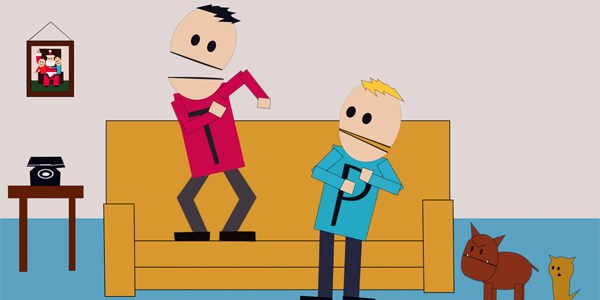
We're not going to sit here and try to argue that the first season of South Park wasn't groundbreaking and innovative comedy television that would influence other animated programs for years to come. When it first aired, it was subversive and unlike anything that had been on television before. But when compared to its later seasons...yeah, the first season is sort of weak. The stories, with a few exceptions, aren't that memorable, and would quickly be eclipsed by the material Parker and Stone put out later. In general, the comedy feels more juvenile and just trying to push boundaries, where in just a few seasons it seemed more like biting social commentary. A lot of this has to do with the logistics of the animation style they used. Once they had more funding, they were able to animate an episode on a much shorter time line, allowing them to reference things that were more relevant and present in the quickly moving social sphere.

2. It's Always Sunny In Philadelphia

It's Always Sunny in Philadelphia is the Cinderella story of irreverent comedy. Dreamed up by a trio of largely out of work actors, the pilot was filmed for less than $200 with a few handheld cameras and presented to the FX network. The newly created cable company was eager to find an identity for themselves, and decided that Sunny would be the perfect fit for their new lineup. It's an intensely clever show from the very beginning, knowing exactly what it is and the kind of comedy it wants to present. They take the self-obsessed characters that Seinfeld created and turn them up several notches. The show is funny from the start, but it doesn't really take off until they bring Danny Devito on board, to play Dennis and Dee's morally bankrupt father Frank. He brings another level of absurdism to the show, and together he and Charlie make an unbeatable duo. The sky is the limit for this completely over the top character. You want somebody who's going to have sex in a dumpster and eat sausages out of his front pocket? That's Frank. And the show doesn't reach its full potential without Frank.

1. Parks And Recreation

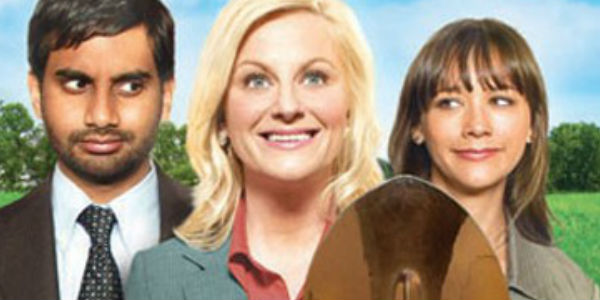
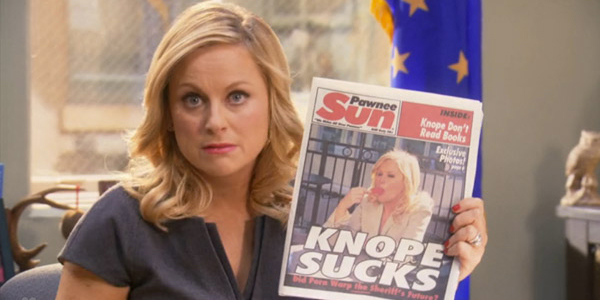
There's no way around this one: the first season of Parks and Recreation was awful. Whenever you try to convince people that they need to watch Parks and Rec, you find yourself immediately saying, "OK, the first season sucks, but once you get past that it's hilarious, I promise!" They had a fantastic cast, they just didn't know how to use it yet. Originally, the entire show was a lot more Leslie-focused. And while Amy Poehler is a wonderful fabulous amazing human being, one of the greatest things about Parks and Rec is the ensemble of lovable and hilarious supporting characters. Once they started to develop the goldmine of Ron Swanson, Tom Haverford, Andy Dwyer, and yes, even Jerry Gergich, the show improved exponentially. Things started to get better in the second season, and everything really started to fall into place once they got rid of Mark (nothing against Paul Schneider, they just couldn't figure out a way to develop his character and he never really gelled with the rest of the Parks department) and brought in Chris Traeger and Ben Wyatt.

Contributor
Contributor

Audrey Fox is an ex-film student, which means that she prefers to spend her days in the dark, watching movies and pondering the director's use of diegetic sound. She currently works as an entertainment writer, joyfully rambling about all things film and television related. Add her on Twitter at @audonamission and check out her film blog at 1001moviesandbeyond.com.