10 Doctor Who Moments That Will Haunt You Forever
Hands up if you're still not over THAT scene in Turn Left...

Doctor Who has a well-earned reputation as a scary show, allegedly inspiring generations of children to hide behind the sofa in terror of whichever monster or alien was chasing the Doctor and friends that week.
But beyond the jump scares and creepy scenes and terrifying enemies, it also has a long history of including more subtley haunting moments – things that are less immediately horrifying, but stick in your brain and bug you for years to come. Scenes that quietly unsettle you whenever they come to mind, like remembering a bad dream, or reading too many existentially-terrifying news headlines.
These aren't necessarily out-and-out scary moments – sometimes they are, but often they're just sad (which, lest we forget, is just "happy for deep people"), and always effective enough for you to still be randomly thinking about them years or even decades after their respective episodes originally aired.
10. Just Save Someone (The Fires Of Pompeii)
We all think of the Doctor as somebody who saves people. That’s just what they do, and it's basically the premise of the entire show. As Amy coldly reminds Eleven in Amy's Choice, what is the point of the Doctor if they aren't saving lives?
This in mind it can be easy to forget that there are some things that even the Doctor can’t change.
It’s the sudden confrontation with this fact that makes The Fires of Pompeii such a long-lasting gut-punch. After three series of the Doctor being the infallible hero, he’s put in a situation where he cannot intervene, no matter how many people will die. Pompeii’s destruction is too important a historical event and the Doctor can’t just change time with a snap of his fingers.
But even knowing this from the first moment of the episode it’s impossible not to be shocked when the volcano finally erupts, and the Doctor walks past families begging for salvation, enters the TARDIS, and leaves.
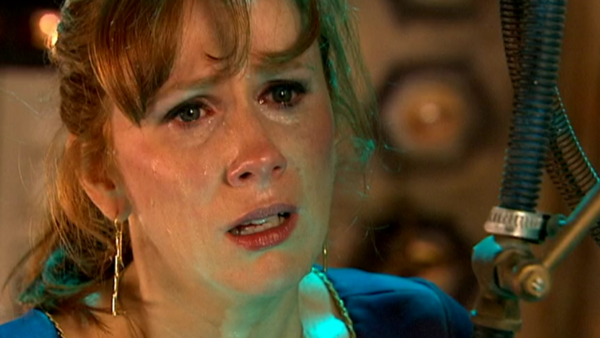
It’s only here, with Donna tearfully pleading for the Doctor to "save someone... not the whole town... just someone", that he relents, if only slightly. Catherine Tate's acting is brilliant in this scene and it's undoubtedly one of the most underrated tearjerker moments in the show.
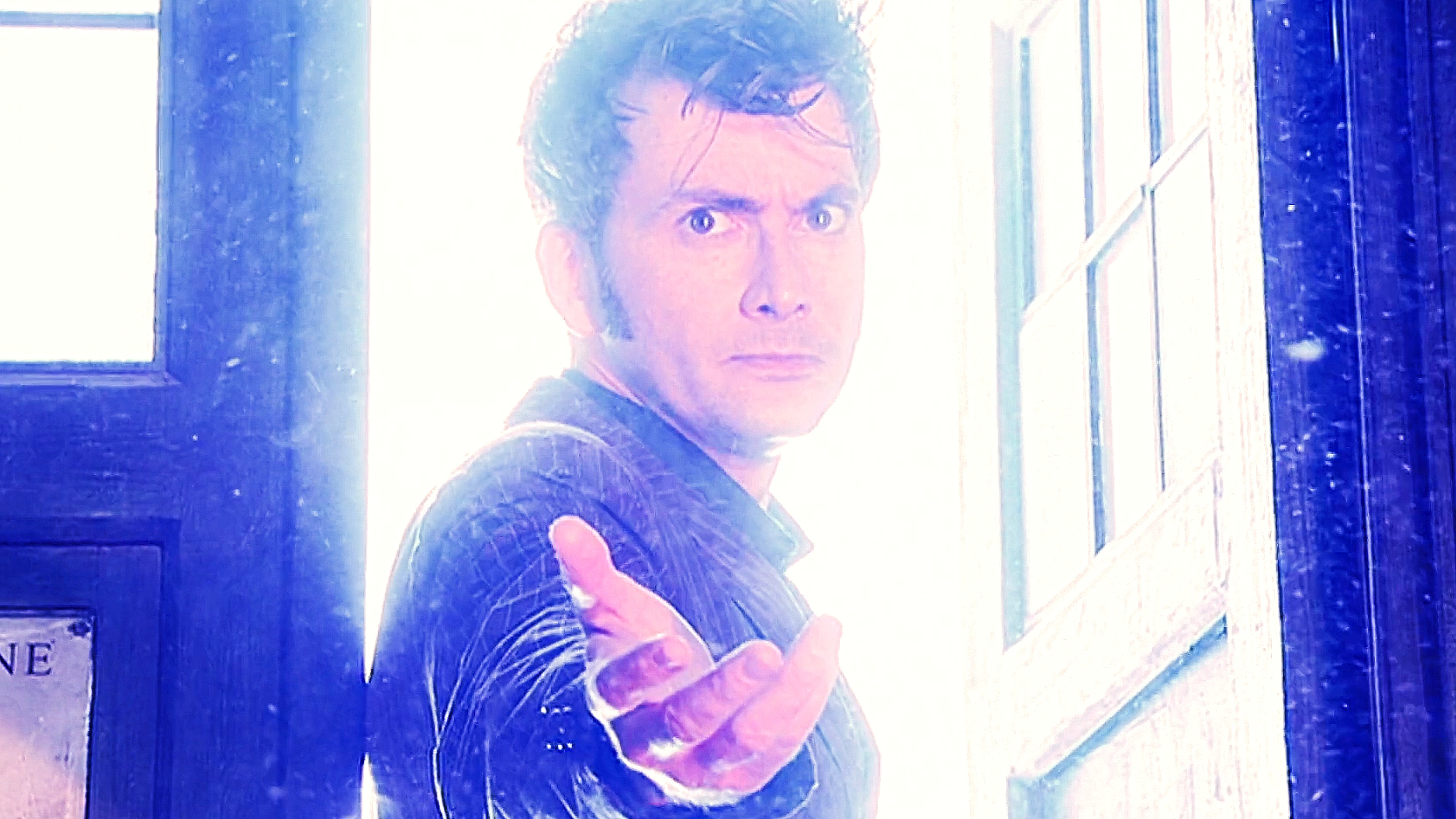
While the Doctor extending a hand (literally) to Caecilius and his family ends the episode on a slightly more positive note, it doesn’t erase anybody’s memories of Donna pleading with a Doctor who is fully resigned to the fact that he must let thousands of people die.
9. The Silent Credits (Earthshock)
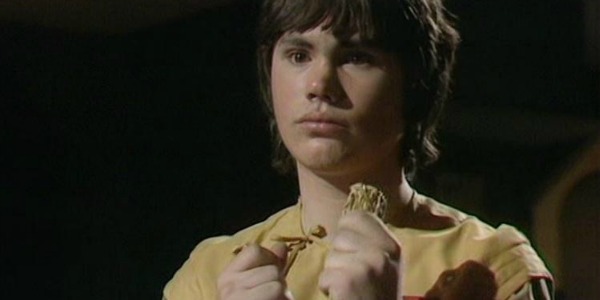
Companions in Doctor Who don’t die. Well, sometimes they do, but they don’t die die. They end up in a parallel dimension, or living out the rest of their lives in New York City, and so on. Whether or not "that’s alright then" is up to the viewer, but at the end of the day, they’re usually doing quite well.
Except for poor Adric that is. 1982's Earthshock concludes with the maths-whiz about to evacuate a freighter headed for a deadly collision with Earth. At the last possible second, he realises he knows how to deactivate the Cybermen’s control device and jumps out of the escape pod, trapping himself on the ship, which then crashes into the Earth. It’s a classic Doctor Who ending – the companion figuring out the solution at the eleventh hour, bravely putting their own life at risk to save the day.
To drive the finality of this moment home, the end credits roll in complete silence, over a shot of Adric’s shattered Star of Mathematical Excellence – an iconic part of his costume. It’s only here that it finally sinks in: Adric is dead, and he is never coming back. Even considering Adric’s wavering popularity with certain parts of the fanbase, it’s no surprise that the quiet credits are remembered as one of the most emotionally impactful moments of the classic era.
This was the first time a long-running companion had been killed and the first time the credits had rolled in complete and utter silence. We're used to humming along to the Doctor Who theme when any episode ends so to have Earthshock end in such a unique way rammed home how monumental a moment this was.
8. Game Station Massacre (The Parting Of The Ways)

One mistake people often make when talking about the Daleks is describing them as robots. Even some of the show's writers have fallen into this trap, with episodes like Destiny of the Daleks and Remembrance of the Daleks hinging their plots on the idea that Daleks are creatures of pure logic, and can get stalemated by other logic-driven robots.
But the Daleks aren't unthinking, unfeeling automatons that carry out orders coldly and efficiently. The truth is much worse. Daleks are driven entirely by one single emotion: hatred.
Nowhere is this more evident than in The Parting of the Ways. During the Daleks' climactic assault on the Game Station, all of the contestants not willing to fight are hidden away on the station’s bottom floor, as far as possible from the battle. But in spite of this the Daleks opt for one hell of a bloodthirsty detour and send down a squadron with the express intention of massacring every last one of them.
In other words the Daleks saw a room filled with scared, defenceless humans, and they thought, "You know what? We need to fix that."
It was a perfect way to demonstrate to a new and unfamiliar audience the lengths Daleks will go to satiate their endless hatred. And for those who watched as children in 2005, it never fails to bring back the shock and horror of realising just how utterly evil the Daleks truly are.
7. Tegan Bids Farewell (Resurrection Of The Daleks)

Just as all incarnations of the Doctor must eventually regenerate, all companions must eventually step out of the TARDIS and make a life for themselves without the Doctor. Sometimes they go back home, sometimes they continue travelling the universe solo. But they almost always leave on fairly good terms with the Doctor.
That's what makes Tegan’s departure in Resurrection of the Daleks all the more haunting. Standing in an abandoned warehouse filled with dead soldiers and destroyed Daleks, the exhausted Aussie sadly explains to the Doctor that she’s tired of all the death and destruction, and that travelling with him stopped being fun a long time ago. After a quick handshake she runs off, desperate to get away, while the Doctor pleads with her not to leave.
It’s a sad departure for a companion who had been travelling with the Doctor for nearly three whole series, and it feels all too real. It’s easy to pretend that travelling in the TARDIS would be a magical, fulfilling experience, but when you actually consider the scale of the death and destruction in your average episode, it starts to look like Tegan was the only sane person to ever travel through time and space!
Perhaps that’s why this moment is still so haunting – it suddenly breaks down the fantasy of the show. Tegan can barely look the Doctor in the eye as she says farewell, and it's uncomfortable to watch.
6. Steffi's Final Moments (The Waters Of Mars)
There are so many side characters that die in Doctor Who that it can be difficult to even think of them as characters. But when an episode takes the time to really make the audience empathise with its ill-fated cannon fodder (and does it well), it can hit like a ton of bricks.
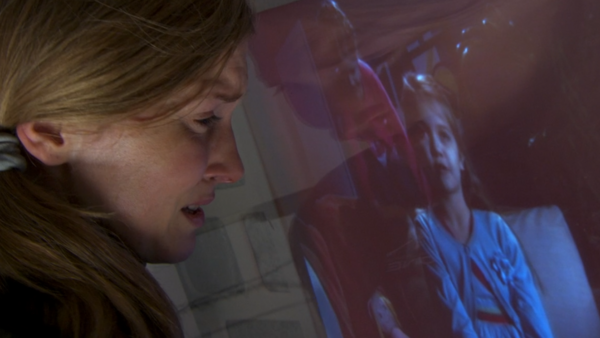
The entire sequence at the end of The Waters of Mars where the crew is picked off one-by-one by the Flood is a haunting piece of television, but the moment that sticks out the most is the death of Steffi.
Trapped by a waterfall and unable to escape, Steffi locks herself in a side room and tearfully watches video messages from her children as she waits for her inevitable death. Despite her character’s relatively short screentime, it’s such an unbearably real and human moment that she still sticks out amongst the many dead characters all these years later.
It was important that we really felt it when the Bowie Base crew died as this would then make us buy the Doctor's rash actions at the end of the episode. Steffi’s death comes mere minutes before he ultimately snaps and decides to disregard the laws of time, and having witnessed these events ourselves... you can't really blame him.
5. The Autons' Rampage (Spearhead From Space)

We tend to assume that alien invasions will happen somewhere important – the Slitheen spaceship crashing into Big Ben, Cybermen marching down the steps of St Paul's Cathedral, Daleks on Westminister Bridge.
To quote Jeff Goldblum in Independence Day 2, "They like to get the landmarks". Also, sorry for reminding you that movie exists.
Perhaps that's why the Auton shop-window dummies attacking innocent bystanders in Spearhead From Space is such a disturbingly compelling image decades on. It's not an assault on the government or the military, but on ordinary people doing everyday things.
The emotionless plastic faces of the Autons juxtaposed with the horrified faces of the civilians gives the scene a real nightmarish quality. It's very rare that Doctor Who kills off innocents who have no connection to the story so the horror of Spearhead's commuter carnage stands out even more – especially as the killing is so wanton and merciless.
It's a truly frightening sequence that chills the blood over 50 years later.
4. There Should Have Been Another Way (Warriors Of The Deep)
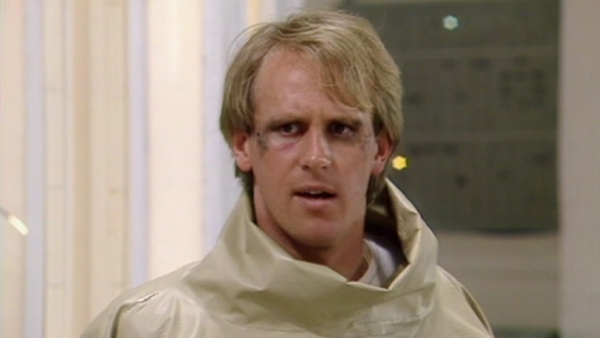
The Fifth Doctor really didn't have much fun across his era. Ironically, the incarnation generally considered to be the "nicest" classic Doctor was cast slap-bang in the middle of one of the most bleak and nihilistic parts of the show's history.
Nothing encapsulates this contrast more than the final line in Warriors of the Deep, where the Doctor, surrounded by dead humans, Sea Devils, and Silurians, utters the heartbreaking line "there should have been another way."
It’s such a bleak moment of defeat, not only in the context of Warriors of the Deep, but for the Fifth Doctor’s tenure overall. There are few other incarnations who have been consistently put in no-win scenarios where there is no right or good option. He always tries to do right by people, but often it’s just not possible.
The way Davison’s voice cracks as he delivers the line just completes this image of the Fifth Doctor as a broken man. We see how heavily all those defeats weigh on him, and how he carries the pain of those failures with him.
Warriors of the Deep certainly isn't winning any awards but this was a powerful final note to end on.
3. That's What They Called Them Last Time (Turn Left)
Turn Left contains enough bleak moments that it could populate this entire list. That said, there's one scene that stands head-and-shoulders above the rest when it comes to leaving you shell-shocked.
Later in the episode, as the world without the Doctor becomes increasingly hopeless and the United Kingdom slides further into authoritarianism, the Colosantos – the friendly Italian family the Nobles are house-sharing with – are sent to a “labour camp”. This is already suitably horrifying, but the scenario is made infinitely worse with one simple line of dialogue from a distraught Wilfred Mott: "That’s what they called them last time."
With just seven words, Russell T Davies is able to evoke such horrific imagery that this scene managed to leap-frog any of the actual depicted moments of horror, and become the definitive scene in Turn Left. It's that moment when the penny drops (for us and for Donna) and you realise what is actually happening to the Colasantos that was done so incredibly well. It leaves you stunned – like Wilf himself.
It's the understated nature of the scene that makes it stick with audiences many years later. It doesn’t just create historical parallels to the Holocaust, it emphasises the powerlessness ordinary people have in the face of the authoritarian regimes that create these things. It's a dark reminder that the Daleks might not actually be the most evil creatures in the universe.
2. Ashes To Ashes, Dust To Dust (Remembrance Of The Daleks)
The Doctor ordering a lone Dalek to kill itself has become one of the most well-remembered moments of Series 1, and a defining point in the Ninth Doctor’s character arc. It’s a shocking moment of the Doctor going too far, giving in to the sort of hate and anger he's supposed to be fighting against. As is later pointed out, he is acting like a Dalek.
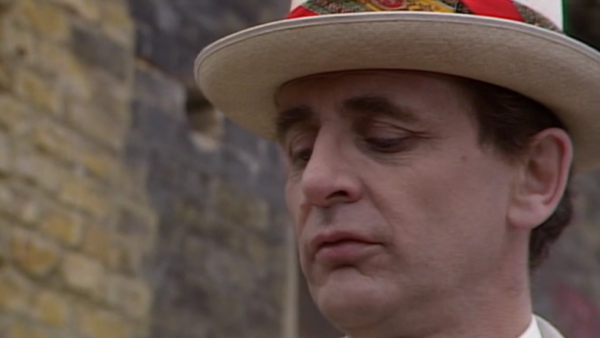
But it’s not nearly as bad as that time the Seventh Doctor actually forced a Dalek into self-destruction.
At the end of Remembrance of the Daleks, both Dalek factions have been eradicated, Skaro has been destroyed, and Davros has been sent scurrying off with his tail between his legs once again. All that remains is the Supreme Dalek.
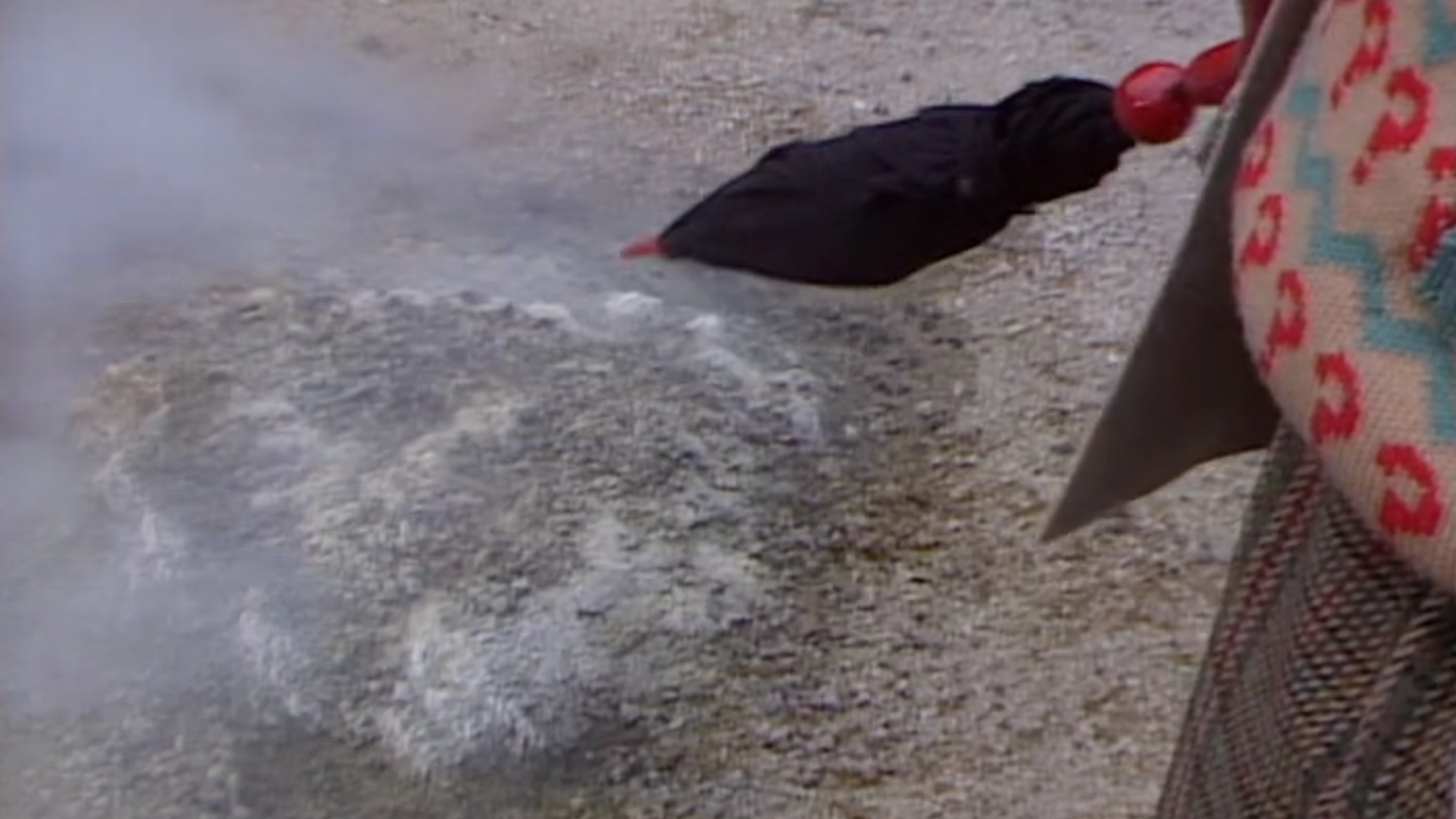
The Doctor calmly and forcefully talks the Dalek into taking its own life, pushing just the right buttons until it has a complete mental collapse and destroys itself. Satisfied with his work and seemingly not that concerned with the destruction he's personally wrought across the previous four episodes, the Doctor scrapes the tip of his umbrella through what’s left of the Dalek, muttering "ashes to ashes, dust to dust."
What makes this moment so eerie is that for all intents and purposes, this is the introduction of a new Doctor. Gone is the idiot in a box, bumbling around the universe, righting wrongs as they crop up. Instead, we’re left with a cold and calculating Doctor who has a plan, and no qualms about doing whatever needs to be done to execute it.
A Doctor like that is more than a little bit terrifying.
1. I Have Until The Rain Stops (Blink)
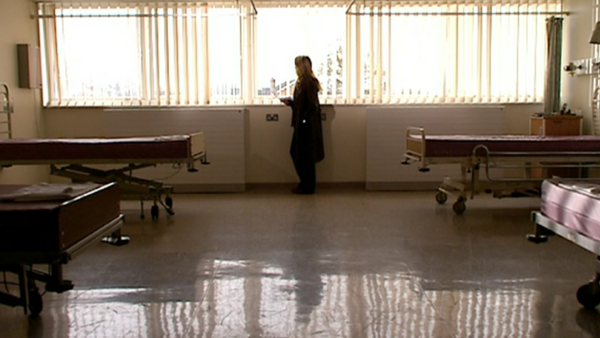
You'd be hard pressed to find a moment in Blink that isn't iconic – there's a reason it's considered one of the best episodes ever. But after nearly two decades, the most haunting scene in the episode is one of its most low-key.
About half-way through the episode Sally Sparrow meets charming police officer Billy Shipton who, after a bit of light-but-successful flirting, is sent back in time by the Weeping Angels. The next time they meet, Sally is 10 minutes older, but Billy is on his deathbed. And according to the Doctor, he has "until the rain stops" – the very same rain that was falling when he first met Sally mere minutes ago.
What follows is a beautifully quiet scene that expertly plays with themes of aging, death, the time we have, and the fleeting nature of life. Billy is both clearly the same person, and yet so fundamentally changed by time, the youthful and energetic young man now frail and aged.
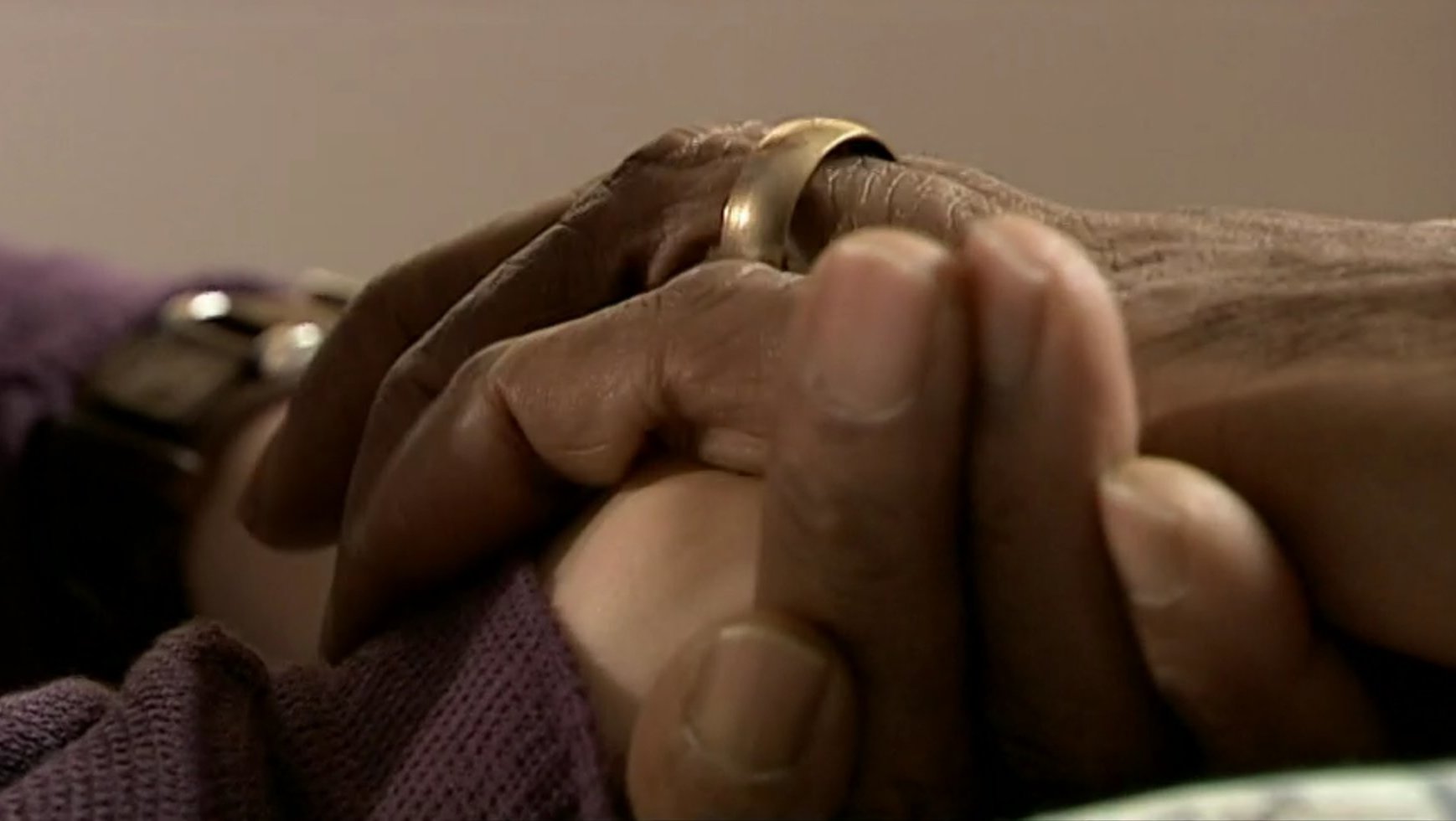
The scene is incredibly sad and captured beautifully by director Hettie MacDonald, with the shadows of the rainfall sweeping across Billy's face as he speaks, almost counting down to the inevitable.
Blink is of course a belter of an episode with moments of genuine horror, witty writing, clever sci-fi and more, but this is yet another example of how important the human moments are to Doctor Who, and how, when done well, they are often the most affecting parts of their stories.