10 Great TV Shows That Lost It By The End
They promised us the moon, and then showed us their asses on the way out.
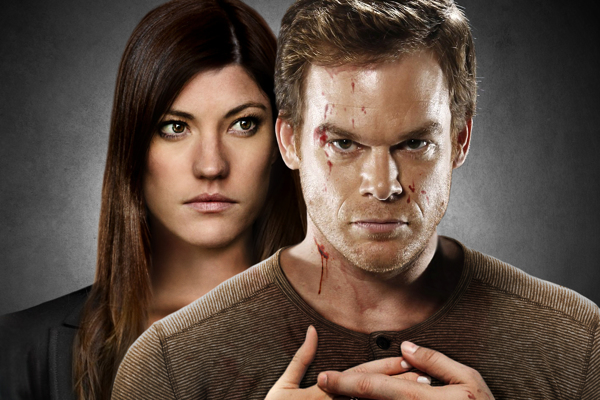
Its risky, plotting out a show with any form of arc-based narrative. No ones likely to throw all their toys out of the pram if NCIS or CSI or any other acronym-based television programme gets cancelled out of nowhere, because theyre procedurals, taking advantage of the formulaic structure of your basic network television show. Theyre built to be pretty much the same in season ten as they were in season one, thats how they function.
But when you build in any form of over-arching story to a show, you form a social contract with the viewer: youre saying, this will entertain/intrigue you right up until we choose to end it, at which point you will leave satisfied that the story has been told. It doesnt necessarily have to have the ending that the viewers want, but it should have the ending that the show, the characters and the story demand. It should make sense there should be closure for the viewer. It should feel right.
That doesnt always happen. For whatever reason, sometimes a show enters the final stretch and its lost everything that made it an important part of your life the cast has changed beyond recognition, or the shows been cancelled before it had a chance to finish organically, as intended. Sometimes the producers have lost sight of what made the show great. Sometimes the show hasnt delivered on its promise. Sometimes its just bad now.
For every Friends, finishing on top with a feelgood finale, theres a Rules Of Engagement, where its blindingly obvious that no one working on the show was remotely interested by the time it limped to the end. And just like Highlanders 2, 3 and 5 dont exist and never did; you can retcon your enjoyment of the show to leave off the offending final chapters. Hey, its your right as a fan.
Be warned: there are likely to be spoilers lurking ahead
10. Fringe

Always a show on the bubble - a loss-maker for Fox - Fringe barely scraped renewal for its fifth and final season, a truncated 13-episode run that would serve to pitch its total instalments to 100, the magic syndication number.
A show in a similar vein to The X-Files, Fringes bizarre high concept plotting began where the more esoteric episodes of that hit show left off. Despite the shows strong narrative focus on solid storytelling and resonant characters and relationships, at its core it was always about a mad scientist and the mad science hed unleashed upon the world.
Thats something that changed with the final season, as Fringe completely altered direction to take place in a dystopian future, the central characters frozen in amber to be revived two decades on from the fourth season finale. That two-part episode, Brave New World had concluded as a potential series finale, the fifth season renewal having occurred right at the last minute and it shows.
So many of the central storylines and relationships of the preceding four seasons had been wrapped up or referenced in Brave New World that season five felt as though it was surplus to requirements. Moreover, Fringe was simply an entirely different creature now: the once vibrant, endlessly creative series had never been so formulaic, so hackneyed; reheating tired old storylines about unstoppable totalitarian conquerors and the heroic, doomed resistance that opposes them.
The actual series finale, An Enemy Of Fate, would almost redress the balance, giving the small but perfectly formed audience that was left a proper emotional beat to round off five years of commitment to a show that bounced around the schedules almost as much as it bounced around the limits of science fiction. However, you can ignore pretty much the entire of season five without missing anything of importance from your experience of the show.
9. The Mentalist
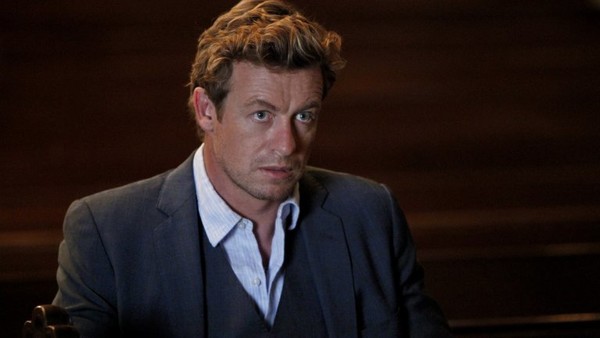
The Mentalist was a procedural murder investigation show with a difference: the mentalist of the title, Patrick Jane, was the USP, a smarmy attention-seeking former showman and carny whod parlayed his skills into a career as a fake psychic. A serial killer known as Red John had killed Janes wife and daughter, and hed renounced his conman ways and joined the California Bureau of Investigation. Hed use his Derren Brown style powers of observation, memory and manipulation as a freelance consultant while abusing the CBIs resources to hunt Red John.
There you go: thats the shows formula and arc plot, summarised in a nutshell, and it worked perfectly for five whole seasons: 115 episodes of highly entertaining, oddly old-fashioned detective procedural, with the occasional arc-based episode detailing a new wrinkle in the teams hunt for the Machiavellian serial killer at the heart of the show (every episode title would retain a reference to a shade of red to hint at Janes obsession).
So why producer Bruno Heller felt the need to have Jane catch and kill Red John in the anticlimactic eighth episode of season sixs twenty-two-episode run is beyond anyone. Thats a season finale moment, at the very least: a series finale, by rights. To mark the change, episode nine aired a week later took place two years later and saw Jane and co. join the FBI. Every episode from then on featured a title with a different colour but the whole point of the show had changed, and not for the better.
Without Red John to act as a foil, The Mentalist (both show and character) had no focus, no drive and no mystique Jane was reduced to an irritating know-it-all only one step away from prison. With the protagonist having completely lost his mojo, the shorter seventh season saw further diminishing returns, as if everyone else involved were sleepwalking their way through the show too. The series finale a damp squib based around a wedding, of all things couldnt come soon enough.
8. Buffy The Vampire Slayer

The genre show that continues to define how genre shows are produced even today, a dozen years after it completed its seven season run, Buffy The Vampire Slayer is one of the most popular and influential television series of all time. Which is why its such a shame about the last couple of seasons of the show.
Truth to tell, the show never again reached the heights of seasons two and three. It was a high school comic melodrama with supernatural themes: Buffys graduation from high school removed a lot of the focus from the narrative. No one wanted to see Xander fumble over finding a career, or Buffy pretend to go to college: it simply wasnt the reason we all watched the show. While there would continue to be individual stand-out episodes right up until the end, the lustre had begun to flake and fade.
Creator and showrunner Joss Whedon would move on to other projects and pass the majority of his responsibilities over to Marti Noxon after the fifth season, which saw Buffy die saving the world. The quality in storytelling took a huge nosedive in his absence, featuring far too much navel-gazing angst: a show about a vampire-slaying ex-cheerleader and her friends should never be this dull. Never the most sympathetic of protagonists, Buffy returned from the grave even more self-obsessed and whiny than before she'd died entering into a weird and uncomfortable relationship with former archenemy Spike.
By the seventh and final season, it felt like we were watching glossily produced Buffy fan fiction, all hamfisted dialogue, staccato pacing, cringeworthy characterisation and, worst of all, relentlessly humourless, dull-as-ditchwater stories. It didnt help that Buffys spin-off Angel had hit its stride as Buffy began to tank: Angels season four, an incredible single-arc tour de force featuring no less than four Big Bad antagonists, was the best thing on genre television in the 2002/2003 season, while its parent show could barely muster the energy to crack a smile. When the series finale hit screens and insulted the intelligence and loyalty of every fan still watching, it was a mercy killing.
7. How I Met Your Mother

When How I Met Your Mother first began in 2005, the idea and the execution was new, creative and dynamic. The central conceit was that the whole series was a shaggy dog tale told by protagonist Ted Moseby to his children, about yes, you guessed it how hed met their mother. Framing devices, callbacks and reference upon reference made the sitcom one of televisions most convoluted narratives and as time went on, that would prove to be its downfall.
Come season nine, wed had enough. The endless clever-cleverness was grating, the constant gimmickry was tired and irritating: to add insult to injury, this final season of twenty-four episodes would take place over one single long weekend, making it the first time ever that a television show would write into the script the fact that it had worn out its welcome.
Worse, by this point Ted was simply the most repellent man alive, rendered so by eight seasons of some of the most self-obsessed obnoxious behaviour known to man. The only thing season nine did right was to properly introduce The Mother, who turned out to be everything Ted had ever wanted in a woman. Unfortunately, by this point Ted simply didnt deserve her.
6. Sons Of Anarchy

Creator and showrunner Kurt Sutter isnt a man to suffer fools gladly or take criticism well. Completely convinced of the quality and importance of his ultra-violent biker melodrama, hed elect to run out the seventh and final season to bring his story to the conclusion he wanted, despite ratings being at an all time high.
Thats a commendable attitude for a showrunner, and its a testament to cable network FXs faith in Sutter that they allowed him to do so. Its also testament to their faith in him that they allowed him to amp up the running time of each episode, something that began around season five but snowballed into overkill in season seven.
We can understand the season premiere running to seventy-four minutes, but almost every episode of the final half of the season hits a similar mark. If it was just that there was too much story to tell wed get it, but when theres so much ponderous pacing, unnecessary dialogue, irrelevant scenes and completely redundant characters being introduced fundamentally, someone needed to tell Sutter that his show was suffering through his refusal to maintain a tight focus, and clearly no one was prepared to do that.
Its not just the tortuous storytelling, however. Seasons one to six gave us Jackson Teller, a young biker struggling to reconcile a love of his motorcycle club with the increasingly toxic atmosphere and lifestyle that surrounds it and the clubs president, his widowed mothers second husband. As time went on, Jax became more and more compromised, legally and morally, until eventually it became clear that he was becoming a man he should despise.
By season seven, the murder of his wife has Jackson acting far worse than his despicable stepfather ever did. In order to make it to the end, were forced to follow him through horribly long, often monotonously brutal episodes as he destroys the last vestiges of goodwill we had for him something Sutter has in common with Jax by the overlong, undercooked finale.
5. Lost

If ever a television show can be justifiably accused of screwing over a long-suffering fanbase, its Lost. Not through incompetence or bad storytelling, like most of the examples in this article - through false advertising and misdirection.
A mystery drama about warring groups of survivors of shipwrecks and plane crashes on a magical island, Lost sets out its stall early, throwing curveball after curveball at the fascinated viewer. As time went on however, the mythology of the show becoming more and more convoluted and difficult to keep straight, it became obvious to many that the producers of the show were making it all up as they went along.
That wasnt actually true Lost was far tighter and more controlled than rumour would have had us believe but the important thing was that it felt true. Too many questions were left hanging in favour of yet more questions, and actual answers were few and far between, even as the show hit its sixth and final season.
Now, Lost isnt really about the resolution of the mysteries of the island any more than Mad Men is about advertising: its focus is on the dramatic heft of the conflict between the people on the island (and occasionally off), and that's the case from the pilot episode right through to the series finale. However, Lost and its producers Carlton Cuse and Damon Lindelof certainly allowed viewers to believe that they would reveal all the show's secrets come the end, and they absolutely did not.
Even more damning was the conceit of the secondary narratives of the final season. Whereas initial seasons focused on flashbacks to build character depth and later seasons utilised flash-forwards; as the timeline of the show became less linear, season six gave us something different... what appeared to be a timeline featuring the same characters in a different world, with no memory of any of the events depicted in previous seasons.
By the controversial finale, it became apparent that these flash-sideways scenes were the central characters involved in some form of post-death purgatory state, unable to move on to the afterlife proper until theyd come to terms with their lives and their time on the island. We say 'became apparent'... in fact, many fans of the show still don't understand what was happening in season six, and we don't believe they ever will. That sound everyone heard when the credits rolled was ten million or so people snapping their televisions off and hurling the remote at the wall in frustration.
4. True Blood

HBOs sex and blood obsessed Deep South melodrama True Blood was never exactly backward about coming forward. Stuffed to the nines with nakedness, violence, creative swearing and inventive, arch dialogue, the show quickly became a hit, the plots becoming more and more outlandish year by year to up the ante from previous seasons.
So where did it all go so wrong? Somewhere around season four, True Blood stopped being a hilarious guilty pleasure. There was just far too much: too much overacting, too much oversexed carnage, too much casual murder of the supporting cast and without a solid underpinning of plot and character to fall back upon, the whole thing began to collapse under the weight of its own stupidity.
When HBO announced in September 2013 that season seven would be the final outing for the show, the response was oddly muted curious, considering that viewing figures were still strong. Where were all the True Blood fanatics, demanding that their show be kept on the air?
It turned out that the fandom wasnt reflected in the viewing figures. Quite simply, people were still watching despite themselves. Reading online reviews, recaps and blog posts, you can see a common thread emerging: people were only hanging in there to see exactly how screwed up the show could get. HBO should take a few notes here theyre beginning to have the same problem with Game Of Thrones.
Season seven was a mess of badly-conceived storylines that no one cared about, random deaths of major characters that insulted the intelligence of the few genuine fans that were left, and the usual overheated gumbo of bad sex, awful violence and worse decisions. To cap it all off, the time jumps in the narrative were just lazy storytelling they literally couldnt be bothered to show us important events happening to characters we'd followed for years, so they skipped forward a few years and told us theyd already happened. What a car crash.
3. Roseanne

People often forget what a massive hit Roseanne was for a time: it was the most popular television show in America from season two and remained in the top ten for nearly a decade, the Friends or Big Bang Theory of its generation. That is, until the penultimate season, when ratings plummeted sufficiently for 1997s season nine to be declared its last.
And what a last season no, not in a good way. Roseanne was always a show about a working class family who loved each other only slightly more than they loved to fight with each other. Roseanne winning the lottery? Terrible themed episodes on Xena Warrior Princess, The Jerry Springer Show, Evita and Under Siege? Roseanne modelling for Playboy, entering a beauty pageant, her sister Jackie becoming a professional wrestler, going on a date with a prince? The intentionally ridiculous Married With Children would have balked at most of these plotlines, never mind shoehorned them all into one season.
In the series finale, it was revealed that all of the ridiculous nonsense that had come before was a fantasy: Roseannes way of coping with the loss of her beloved husband Dan, whose heart attack at the end of season eight was revealed to have been fatal after all. This didnt make up for the preceding twenty-three episodes of horrifying rubbish wed sat through, but at least it returned the show to normal in the closing moments.
2. Dexter

Rarely, if ever, has a once-popular television show nosedived as badly as Dexter did. With the benefit of hindsight, its easy to suggest (as many have) that the show should have finished with season five, as season fours grimly fascinating, dramatic cat and mouse game with the Trinity Killer was a clear high for the show. However, its unfair to compare anything with Dexter season four, given the superlative quality of the show at its peak.
If the shows fans had grumbled about the drop-off in quality after season four, that was nothing compared to the criticism of season eight. Halfway through the season, one online critic wrote an open letter to the Showtime network begging them to skip the remainder of the season and just air the finale instead when has a shows fanbase ever asked TV executives to cancel that show mid-season?
Wasting time on completely redundant subplots for supporting characters; the introduction of brand new supporting characters for no real reason; Miami Metro taking institutional incompetence to all new levels of suck; an overly complex plotline with the Big Bad that made the final season feel like just another day at the office; rehashed romantic connections in Quinn/Deb and Dexter/Hannah that hadnt worked the first time there are so many issues with pacing and basic storytelling in Dexter's final season that, to be honest, its difficult to know where to stop going on about it. If we're not careful, we'll still be ranting about how incompetent the writing was in our next article, and that one's supposed to be about pro wrestling.
The finale could have worked miracles in giving us a half-decent send-off for the Dexter character himself, if nothing else: but even here the shows producers dropped the ball, having Dexter fake his own death, isolating himself by his own choice and leaving Hannah to raise his son in Argentina. Just two more bad decisions made by an increasingly inept protagonist and the people in charge of bringing him to the screen.
1. Heroes

Remember we mentioned that rarely does a show nosedive as badly as Dexter? If youre trying to think of another massive hit television show that crashed and burned so badly that it poisoned the careers of everyone involved for years to come, let us end the suspense. It was Heroes.
Dr. Cooper knows his stuff. Showrunner Tim Kring has gone on record as saying that he preferred to have seasons of the show written on the fly, and it showed. Where the largely fantastic first season seemed like pieces of a perfectly fitted jigsaw puzzle slowing moving together, everything about seasons two, three and four seemed more like desperation in television form: trying to recapture lightning in a bottle, and failing.
Introducing more characters, more powers and more conspiracies certainly didnt help. Adding to the mythology by writing in more arcane subterfuge, mysteries and secrets has never helped a television show retain the interest of viewers. It made the X-Files main arc plot too complicated to follow, it contributed to viewer dissatisfaction with Losts final season, and in Heroes it simply squandered all of the goodwill created by the first season.
Season two was longwinded and tedious, season three was more of the same, and worse, season four was unforgivably boring for a television show about people with miraculous superhuman abilities out of a comic book. And heres a little hint for anyone out there thinking of writing their own genre TV show: if youre plotting out an arc involving a shadowy government/corporate cabal and the consequences of all their secrets, dont. Weve seen it all before and its so stultifyingly dull that we would literally rather watch infomercials for hygiene products. And that goes double for Kring and miniseries Heroes: Reborn.
There are more, obviously but which is your favourite example of a brilliant TV show that spectacularly lost its mojo? Tell us all about it in the comments!