10 Things You Didn't Know About Derren Brown

Like, what does he do when he's not blowing minds?
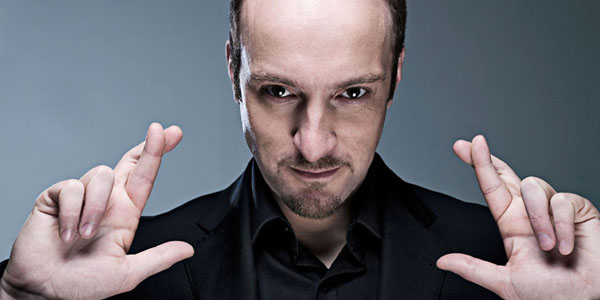
Gird your loins, let go of all expectations and prepare to stay away from social media lest a bunch of party poopers spoil the fun for you - Derren Brown returns to our screens tonight with Infamous, the televised version of his Bafta-winning, sell-out stage show! Details of what exactly happens in the special have mercifully been kept under wraps by understanding journos and punters alike since Brown toured the show earlier in the year, but we can expect more of the psychological, scientific mind mongering that we've come to know and love in the performer. There probably won't be any zombies in this one but, y'know, the guy needs to mix things up every once in a while. It's that mystery that makes Derren Brown work. Literally, in that he often requires you know nothing going in for his tricks to work, and the things he manages to pull off are all the more impressive when you have zero expectations. And figuratively, because the surprise twist he introduces in each of his TV shows and live tours is what keeps people coming back, desperate to discover what he's got up his sleeve this time. And the only way to find out is by watching it at the same time as everyone else, which is pretty unique in this day and age. Still, that air of secrecy that surrounds Brown often expands to areas you wouldn't expect, or which don't really have a lot to do with his shows. Or else, the secrecy he casts over his shows distracts from every other part of his life, since everybody's busy obsessing over every little detail of his tricks instead of, say, his personal life. Another canny bit of misdirection by the master. We managed to avert our gaze from the Infamous trailers just long enough to look into some of those mysteries, and in doing so we discovered ten things you didn't know about Derren Brown.

10. He's A Man Of Many Talents

Not only does he possess the requisite skills to host TV specials and live shows whilst exhibiting some expert-level manipulation, close-up magic, hypnotism and being really bloody brave (we'll get to the Russian roulette soon enough), but Derren Brown's one of those show offs that isn't content being known for his most visible sets of skills. Somehow he finds the time, amongst all that other spectacular stuff, to dabble in everything from philanthropy to acting to painting caricatures, like the one of Dame Judi Dench seen above. He had a fair amount of his work published in a QI annual one year, a show with which he has no real connection. In 2009 he published Portraits, a book of his work with extensive notes, and the originals are looked after by the Rebecca Hossack Gallery in London and New York, who host an exhibition of his work whenever he has had a chance to create some new pieces. There's a whole collection of the acrylic masterpieces on his website, alongside a step-by-step process of a portrait of actor Michael Sheen. Unsurprisingly for such an enigmatic performer, that's something else that Brown has dabbled in over the years; besides a smattering of short films and cameo appearances (like the last series premiere of Sherlock), he appeared as Sir Roger Widdowson in the BBC Four horror series Crooked House. Written by Sherlock's Mark Gatiss, funnily enough. And you know what? He was really good in it. Show off.

9. He's Gay

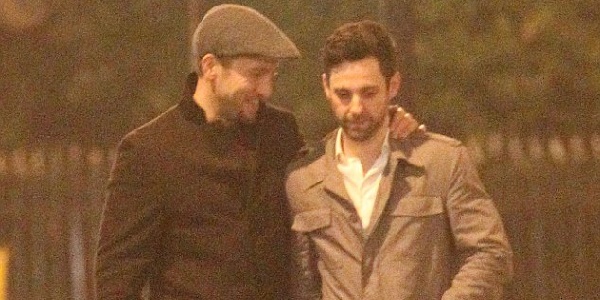
Not that you'd have any reason to know either way - since his sexuality rarely, if ever, figures into his performances - but yes, Brown is gay. "I don't think it's a story at all. I would never dream of ringing up the tabloids and saying 'this is my private life'," the man himself said. For a man whose livelihood relies so heavily on secrecy, mystery and controlling public perceptions of himself, not much has been divulged about the personal life of Derren Brown. Which is really quite remarkable, given the level of his fame and the levels of muck raking the British tabloid press are willing to stoop to, and it wasn't until 2007 that he officially "came out" during an interview with the Independent. It was a few years still until he talked in depth about his sexuality, during a Q&A with the Radio Times in 2011. "I wasn't denying it in myself but I had built up quite an austere, eccentric persona - I used to wear a cape, have long hair, that sort of thing. That€™s an easy thing to do if you€™re not relaxed about the whole sex thing," he admitted. Since then, however, he's settled down and grown more outwardly comfortable with it, having been in a happy and committed relationship with his partner for several years. "I spent a lot of time thinking about me and working on what I wanted to be before I came into a relationship. In some ways, it€™s bad because you come into relationship quite late without a lot of experience and you have a lot to learn. But that can also be exciting. Certainly, it€™s lovely to have somebody love you and it€™s lovely to love someone else," he told the Times. Aw.

8. He's Big On His Psychology

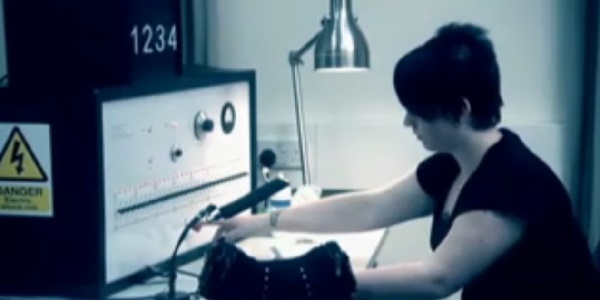
This probably isn't that much of a surprise, unless you genuinely believed that Derren Brown genuinely had some magical mind-control abilities or something. All of his productions rely on some sort of psychological manipulation or suggestion, tricking people into doing things they wouldn't normally do. These techniques aren't the complete invention of Brown, but rather come inherited from a number of traditions, including cold reading and other sorts of manipulation and misdirection that have been used by stage performers for decades. What you might not know is quite how much of a geek he is for proper, scientific psychology, and how often he relies on it for his shows. In 2006's The Heist, for example (where he recruited a bunch of people off the street and convinced them to rob a white van on a high street in broad daylight), he shamelessly reconstructed the famous Stanley Milgram obedience study from the sixties, seeing if people would willingly administer electric shocks to an individual if instructed by an authority figure. Brown took it a bit further, suggesting that the victim was suffering a €œlethal€ dose of electricity - obviously they were an actor, and a pretty good one too - but that's not the first time he's relied on the history of psychological study to pull off some of his stunts. The Gameshow episode of The Experiments co-opted Zimbardo's experiments into deindividuation to make crowds act in morally questionable ways, and both Messiah and The System took advantage of confirmation bias, where people tend to believe what they want to. What a nerd.

7. And Pop Culture

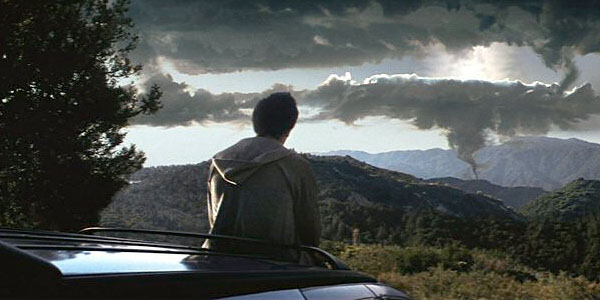
That's all pretty heady, academic stuff. You can imagine Derren Brown getting inspiration for his next audacious stunt whilst pouring over psychology textbooks (along with the old Victorian pamphlets and histories of stage magic and spiritualism he's already copped to using), because that's the image he presents of himself. He's a very smart, cunning, and intellectual performer, and his stunts often rely on you believing that about him. Otherwise, participants and viewers alike might not be quite to follow him. Like, what if instead of a smartly-dressed smart guy, the person asking you to get involved in an art robbery, or navigate the apocalypse, or pilot a crashing plane, was some poorly-dressed film dork? Turns out that's another neat piece of misdirection. Brown is actually a huge pop culture junkie, having drawn in dozens of his celebrity pals for his live shows as he's achieved a degree of celebrity himself, and admitting that Hero At 30,000 Feet - his 2010 special which saw a man with a fear of flying coaxed onto a plane and then convinced it was going to crash, putting him in control of it and tasking him with landing it safely (actually it was all a simulator, soz) - was influenced by Donnie Darko, Fight Club, The Game and Watchmen. A bunch of genre film classics and a superhero comic? That's nowhere near as high-minded as Milgram and Zimbaro psychological studies, but we appreciate it all the same. That's some good taste you have there, Mr Brown.

6. He Very Nearly Died Playing Russian Roulette
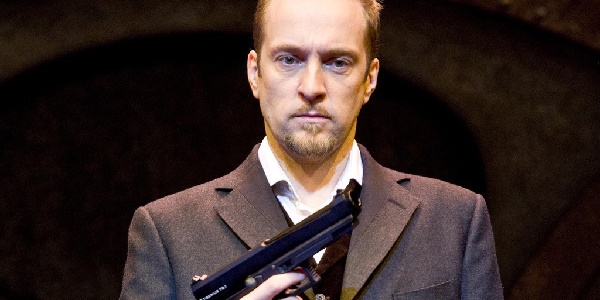
Derren Brown Plays Russian Roulette Live was probably the most controversial of the performer's TV specials, which is saying a lot. On its original transmission in 2003 it was watched by over 3.3 million viewers, with many of them no doubt tuning in out of a sort of morbid curiosity: was this famous magician really going to run the risk of blowing his brains out on live television? It certainly seemed that way. The show was broadcast at an undisclosed location, supposedly in Jersey, due to laws in mainland Britain restricting the firing of live rounds. Senior British police officers condemned it, worried it might inspire copycat games. Of course, when it came down to it, this was all just another classic example of Brown's mastery of misdirection and manipulating his audience. As it happens, after getting a rigorously tested member of the public to load the revolver with a single bullet, Brown ended up firing it at a sandbag to his side rather than at his head. Which is handy, since the bullet was loaded in the first chamber. Since the show aired, people have constantly asked whether the bullet was real, or if the gun had been loaded with a blank; Brown responded, "The frustrating and kind of ironic part of it was that even if it had been a blank that wouldn't have made it any less dangerous. You shoot a blank next to your head and it will still kill you." So, regardless of whether the bullets were or not, the threat of Brown dying was certainly real.

5. He Receives Record Numbers Of Complaints
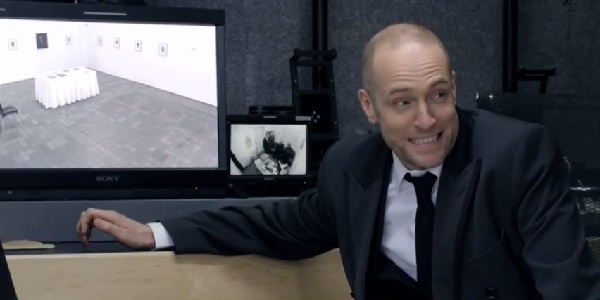
Derren Brown is one of the most popular performers in modern television, a sure fire ratings smash whose shows always draw in millions of viewers for both Channel 4 and the theatres he performers in around the country. That's not to suggest that he's universally beloved, however. After each of his new, thrilling tricks there are hundreds of hardened cynics queueing round the corner to debunk them, or else decry them as not particularly impressive, as if they could conjure up anything better as they sit on their sofa eating a takeaway on a Saturday night. Some of Brown's fiercest critics go a step further from ruining their friends' enjoyment or else yelling at the TV, however, as his broadcasts have racked up an impressive number of official complaints over the years. Despite warnings that viewers who objected for "religious reasons or otherwise" to stop watching the show, his 2004 special Seance registered some seven hundred complaints to Channel 4, mostly before the episode was even aired. There was the aforementioned condemnation by British police over the Russian roulette stunt - and, really, you can't buy publicity like that - whilst an episode of Derren Brown Investigates was criticised for not being fair to its "psychic" subject (Ofcom ruled in Brown's favour). Perhaps unsurprising, sure, but the weirdest complaint to be investigated after a Brown show was when he said that the bonus ball was "for women and gays" during The Events episode where he attempted to predict that night's winning lottery numbers.

4. He Was Raised An Evangelical Christian
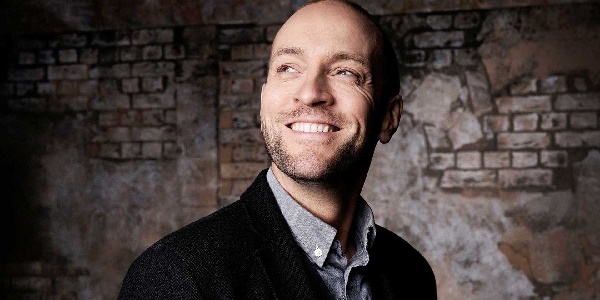
More than any other public figure (except maybe Richard Dawkins, and who in their right mind wants to be associated with him? Ah...), Derren Brown has made a career out of debunking mysticism and spirituality, taking a thoroughly atheistic and rational approach to all of his performances. He draws on old superstitions like hypnotism, mind reading and being able to talk to ghosts, but he €œrecreates€ all of these phenomena using confirmed, real psychological and scientific techniques. He's a jolly clever man who has no time for religion, as evidenced by the Messiah series where he went around America tricking a bunch of evangelical Christians into believing he was capable of miracles and the like. Turns out that Brown had an ace up his sleeve when it came to conning these poor religious types: he used to be one of them. Now famous for his humanistic beliefs, Brown was actually raised as an evangelical Christian, something which he spoke of at length in the Dawkins documentary The Enemies Of Reason. His faith was at its strongest during his teenage years, which is coincidentally when he first got interested in and involved with stage magic; he sought to strengthen his belief and discover answers to common criticisms of religion by closely reading the Bible and other religious texts. Instead he found no answers, and instead ended up concluding that his belief had no basis in reality. And so, he gave it up. Which, considering his burgeoning sexuality, was probably good timing.

3. He Literally Controls People's Minds
Right, so obviously the more hysterical brand of Derren Brown detractor and/or obsessive may suggest that he's actually controlling people's minds (rather than using a tried-and-tested blend of subtle manipulation, misdirection and psychological tricks), and that's a load of baloney. Except they do sort of have a point, as it's been suggested that one of Brown's favoured methods is something called neuro-linguistic programming (or NLP), stating that his type of show "consists of a range of magical 'tricks', misdirection and, most intriguing, setting up audiences to provide the response that he wishes them to provide by using subtle subliminal cues in his conversation with them." So, like, actual mind control? Sort of. NLP is €œan approach to communication, personal development, and psychotherapy€, which basically teaches you how to program certain behaviours through a supposed connection between the neurological processes ("neuro") and language ("linguistic"). Mostly its creators claim its successful deployment in helping people get over phobias, allergies and even the common cold, but they do all of that by - essentially - brainwashing people. In a nice way! But, still, it's somebody controlling your thoughts. And, to be honest, that all sounds a lot like the sort of tricks that Derren Brown is wont to use, and he's admitted to attending NLP courses in books before; he claims not to use the technique, however, having failed to pass the course and sticking to his old school techniques. Or does he...? Is this another neat example of misdirection? Is that what he wants us to believe? Is he controlling our minds RIGHT NOW? AGH.

2. He's Bezzy Mates With Winston Churchill
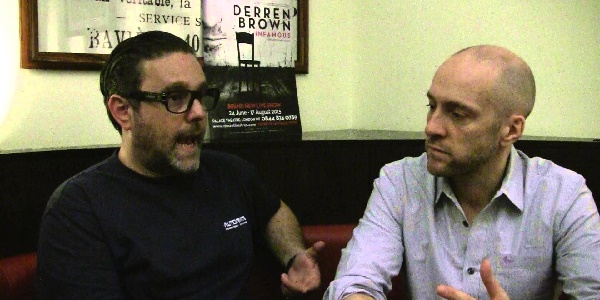
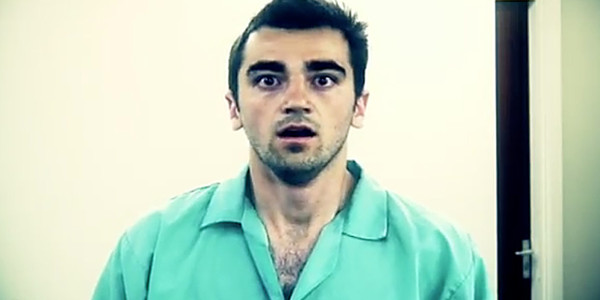
Not the real Winston Churchill, obviously. You do know that Seance was supposed to show off the way that spiritualists and mediums pretend they can speak to ghosts, right? That Ouija board didn't actually work? It was all about suggestion and stuff? No, we mean the actor Andy Nyman, most recently seen playing the British prime minister in period drama Peaky Blinders and previous star of films like Severance and Dead Set, where he memorably, ahem, "unloaded" in a waste paper basket whilst hiding from an undead Davina McCall. He's also the most unsung part of almost all of Derren Brown's productions, his closest collaborator, and the man who was supposed to "be" Brown before Derren himself showed up. Nyman, like Brown, comes from a background of stage magic and performance. It was he who was originally going to front the Channel 4 specials Mind Control but, having decided to concentrate on his acting, fellow magician and stand-up comic Jerry Sadowitz suggested Brown for the role. From there the two have collaborated on pretty much every live show and TV special Brown has done, with Nyman often co-writing or directing the productions. Smart and talented though Derren Brown is, he wouldn't have gotten his start were it not for Nyman, and we doubt he would've kept up his popularity without his friend's help. The actor also co-wrote the West End hit Ghost Stories with former League Of Gentlemen creator Jeremy Dyson, which employs a lot of familiar tricks and psychological taunts which leave audiences acting like...well, this.

1. He Bloody Loves Parrots

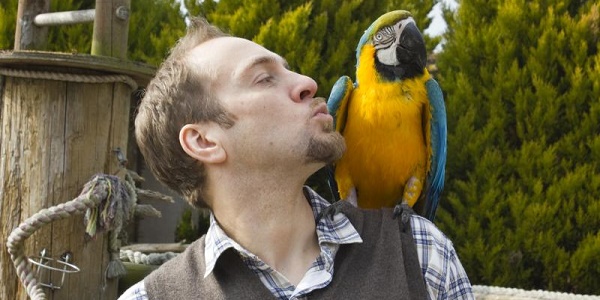
We feel like we've got a pretty good handle on Derren Brown's obsessions. His interest in the connection between traditional stage magic and hypnotism with actual psychological phenomena and manipulation is well-documented, as is his enthusiasm for the practices of spiritualists, cold readers and supposed psychics form the past right up until the modern day. Thanks to this list, we also know that he's pretty well travelled when it comes to movies and comic books, along with all the psychology textbooks he's clearly got on the shelves at home. We know he paints. He acts. But there's one last obsession Derren Brown has which, to our memory, hasn't come up before. It's not been at the centre of one of his TV specials, or one his live shows, or been the subject of tabloid speculation, and yet you can't get him to shut up about it - Derren Brown bloody loves parrots. And we're not being hyperbolic when we say he loves them. Try typing €œderren brown parrot€ into Google and be amazed by the number of photographs. Navigate your browser over to the official website of the man himself and you'll see a big section of the "About" page is dedicated to parrots. He's fascinated by them. He keeps plenty of them. He's a patron of a parrot zoo. "I'm a big fan of parrots - I think they're fascinating creatures. Many of them live for longer than us humans and it's interesting to me the way they learn to mimic human voices even though they don't really comprehend what they're saying," he once explained in an interview. Perhaps he sees something of himself in this intelligent, majestic and colourful birds; the way they manipulate and play with human language and understanding, managing to convince naive people of capabilities which are actually far beyond their reach. Or maybe he just likes the plumage, we dunno.

In this post: 
Derren Brown
 
Posted On: 
Contributor
Contributor

Tom Baker is the Comics Editor at WhatCulture! He's heard all the Doctor Who jokes, but not many about Randall and Hopkirk. He also blogs at http://communibearsilostate.wordpress.com/